
 EN
EN

Chemical Resistant Seals
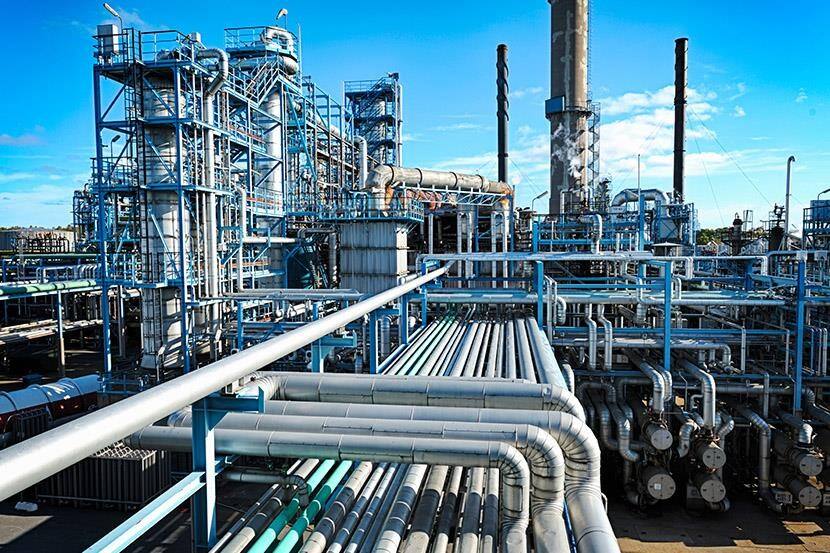
Engineered by Tesel Seal for Aggressive Media, Corrosive Environments, and Long-Term Sealing Reliability — delivering stable performance under continuous chemical exposure where conventional seals fail. Designed with advanced materials and precision engineering, our solutions reduce degradation, extend service life, and ensure reliable operation in demanding industrial applications.
Overview
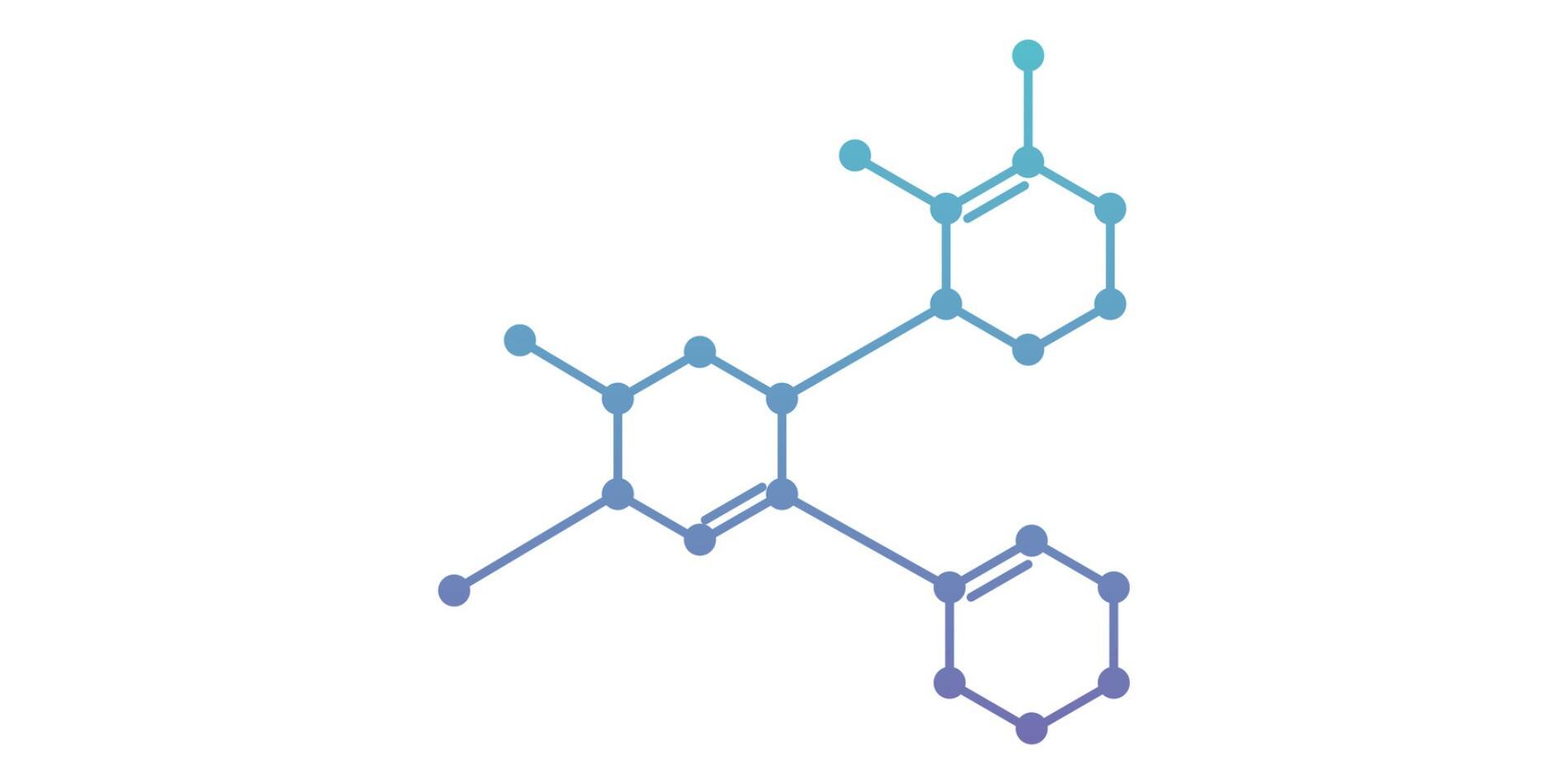 |
Chemical resistant seals are engineered for harsh environments involving acids, solvents, hydrocarbons, and aggressive process chemicals. Widely used in chemical processing, oil & gas, pharmaceuticals, and water treatment, these applications demand exceptional material stability and sealing reliability. |
Tesel Seal combines advanced sealing materials with optimized engineering design to ensure long-term resistance to chemical attack, leakage, and mechanical degradation under demanding operating conditions.
Where Chemical Resistant Seals Are Used
Chemical resistant seals are used in systems exposed to aggressive chemicals, corrosive media, and harsh cleaning agents. They help prevent material degradation, leakage, contamination, and equipment failure in demanding industrial environments.
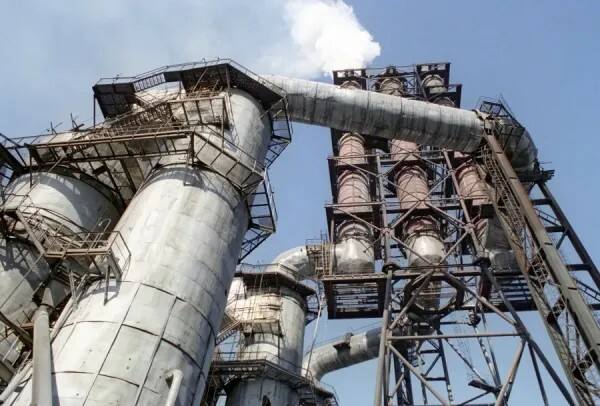 |
Chemical Processing Equipment
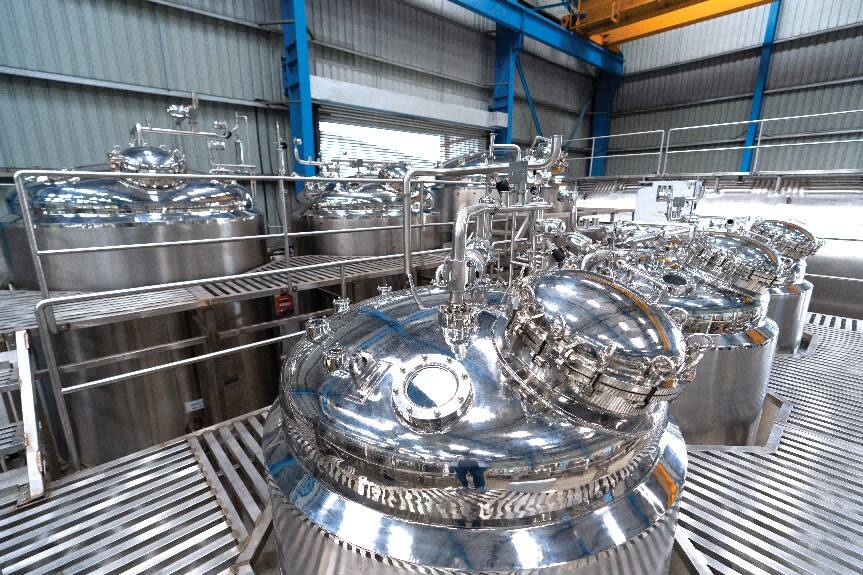
Used in reactors, pumps, mixers, and pipelines exposed to acids, solvents, and reactive chemicals. Chemical resistant seals maintain sealing integrity and reduce leakage risks in continuous processing conditions. |
|
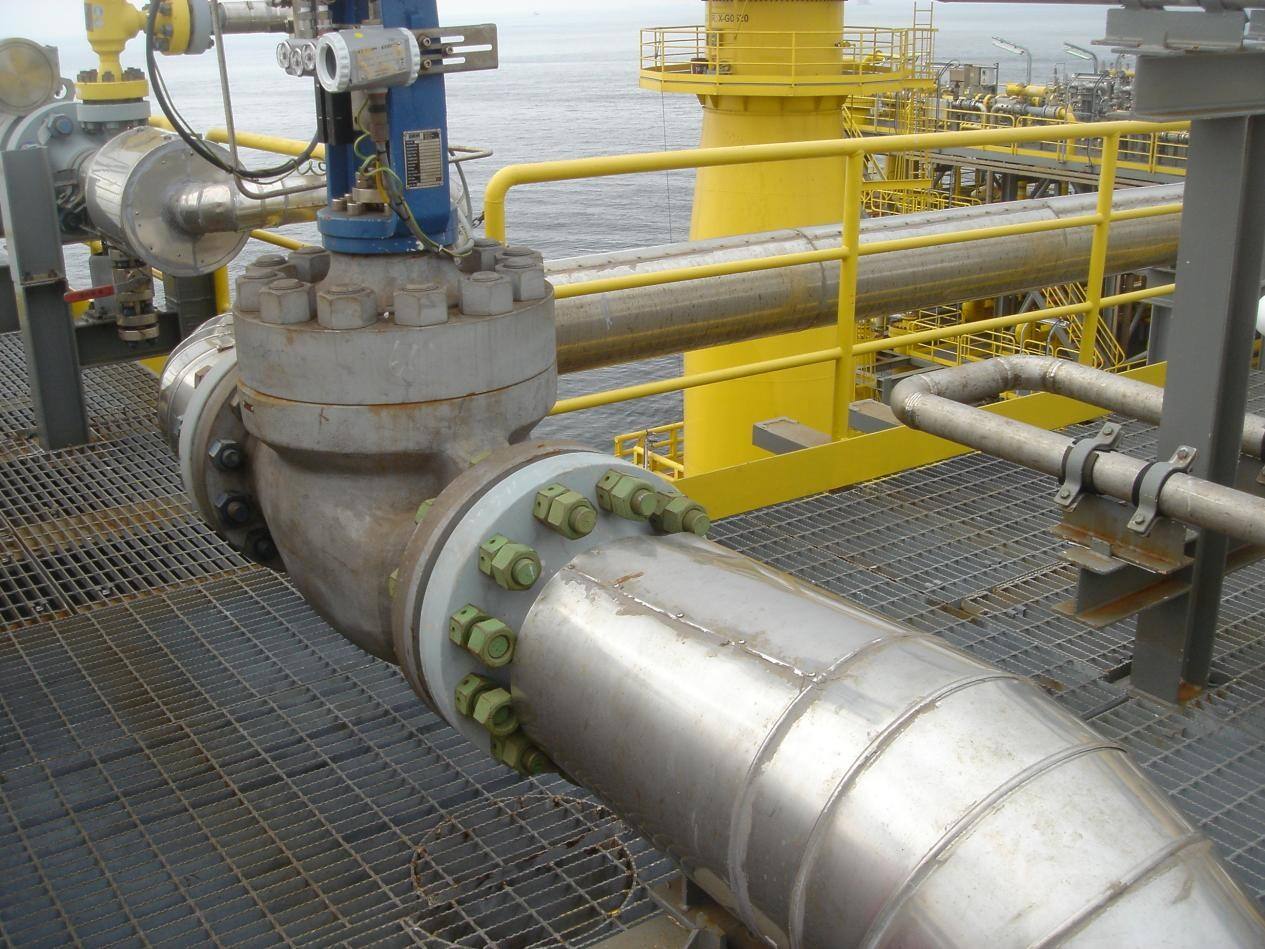
Oil and Gas Systems
Applied in equipment handling hydrocarbons, sour gas, and chemical additives. These seals provide reliable performance under combined chemical exposure and pressure conditions. |
 |
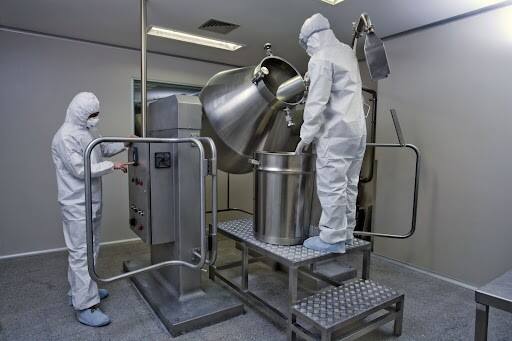 |
Pharmaceutical and Biotechnology Equipment
Designed for systems exposed to sterilization chemicals, solvents, and cleaning cycles. Chemical resistant seals help maintain purity, prevent contamination, and support regulatory compliance. |
|
Food and Beverage Processing
Used in food processing equipment exposed to cleaning chemicals, acidic media, and temperature fluctuations. These seals support hygienic operation and reliable performance during CIP and SIP cleaning processes. |
 |
 |
Water Treatment and Industrial Fluids
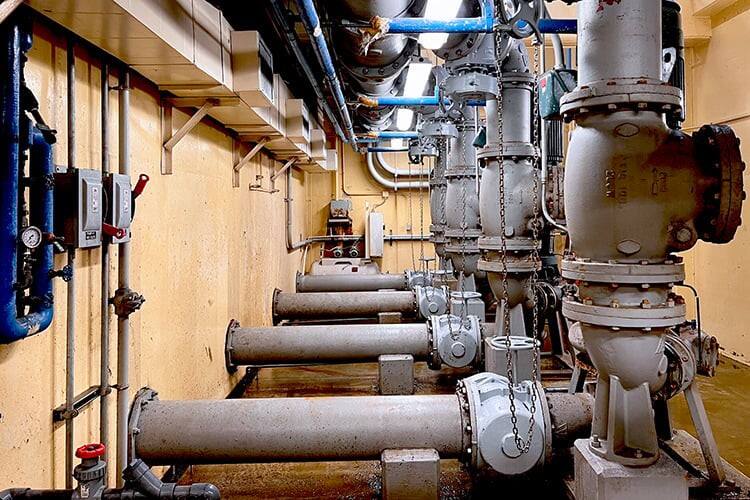
Applied in systems exposed to chlorine, ozone, and treatment chemicals. Chemical resistant seals improve durability, prevent leakage, and support long-term operational efficiency. |
Operating Conditions and Engineering Parameters
Chemical resistant seals must be designed based on a combination of chemical, thermal, and mechanical factors.
Chemical exposure varies depending on the application and may include acids, alkalis, solvents, and hydrocarbons. Each chemical interacts differently with sealing materials, requiring careful compatibility analysis.
Temperature conditions affect both chemical reaction rates and material properties. Higher temperatures can accelerate chemical degradation, while low temperatures may affect flexibility.
Pressure and mechanical stress also influence performance. In dynamic systems, seals must withstand motion and friction while maintaining chemical resistance.
Material permeability and swelling must be considered. Some materials absorb chemicals, leading to dimensional changes and loss of sealing performance.
Understanding these parameters is essential for selecting the correct sealing solution.
Key Challenges in Chemical Sealing
Key Features and Performance Advantages
Seal Types for Chemical Applications
Material Selection Guide
|
Material |
Key Benefits |
Application |
|
PTFE |
Excellent chemical resistance |
Aggressive environments |
|
FKM |
Chemical and temperature resistance |
Industrial systems |
|
FFKM |
Ultra-high chemical resistance |
Critical applications |
|
EPDM |
Water and chemical compatibility |
Cleaning systems |
Design Considerations for Chemical Resistant Seals
Seal design must consider chemical exposure, temperature, and mechanical conditions. Proper design ensures long-term reliability.
Failure Analysis
Common failure modes include chemical degradation, swelling, permeation, and leakage.
Performance Optimization
Optimizing sealing performance involves selecting compatible materials, refining design, and controlling operating conditions.
Tesel Seal works with customers to ensure optimal sealing performance in chemical environments.
How to Select the Right Chemical Resistant Seal
Selection requires evaluating chemical compatibility, temperature, pressure, and application requirements.
Working with Tesel Seal ensures proper selection and long-term reliability.
Why Choose Tesel Seal
Tesel Seal provides advanced chemical resistant sealing solutions designed for demanding industrial applications.
Custom Engineering Capabilities
We offer custom design, material selection, and testing.
Call to Action
Prevent Degradation. Ensure Reliability. Extend Service Life.
Work with Tesel Seal to optimize your chemical sealing systems.
- Request a quote
- Submit drawings
- Talk to engineers
Response within 24 hours.