
 EN
EN

High Speed Rotary Seals
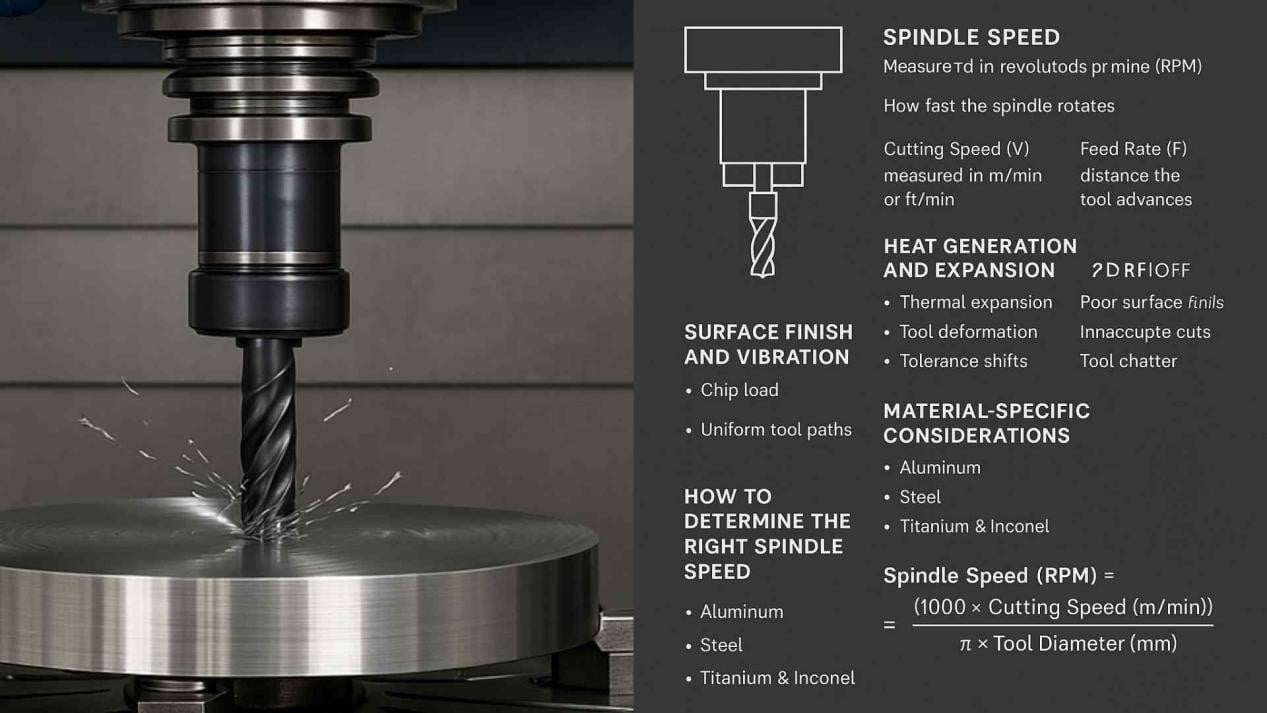
Engineered by Tesel Seal for High-Speed Rotation, Low Friction, and Precision Dynamic Sealing
Overview
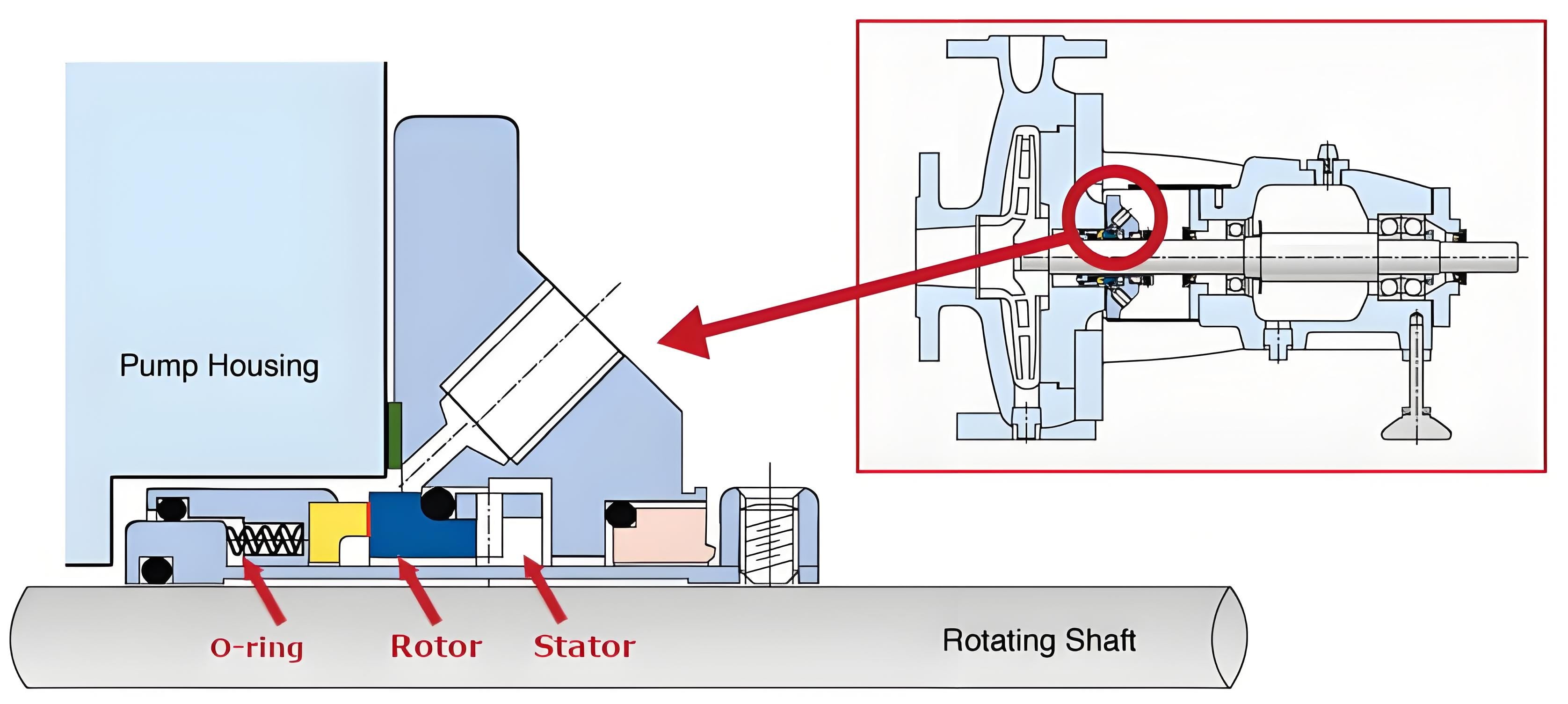 |
High speed rotary seals are designed for applications where rotating shafts operate at high RPM under demanding conditions. These seals maintain sealing integrity while reducing friction, heat generation, and wear in dynamic rotary systems. |
At high rotational speeds, excessive friction can lead to heat buildup, leakage, reduced efficiency, and premature component failure. High speed rotary seals are therefore engineered to balance sealing performance with low contact resistance and thermal stability.
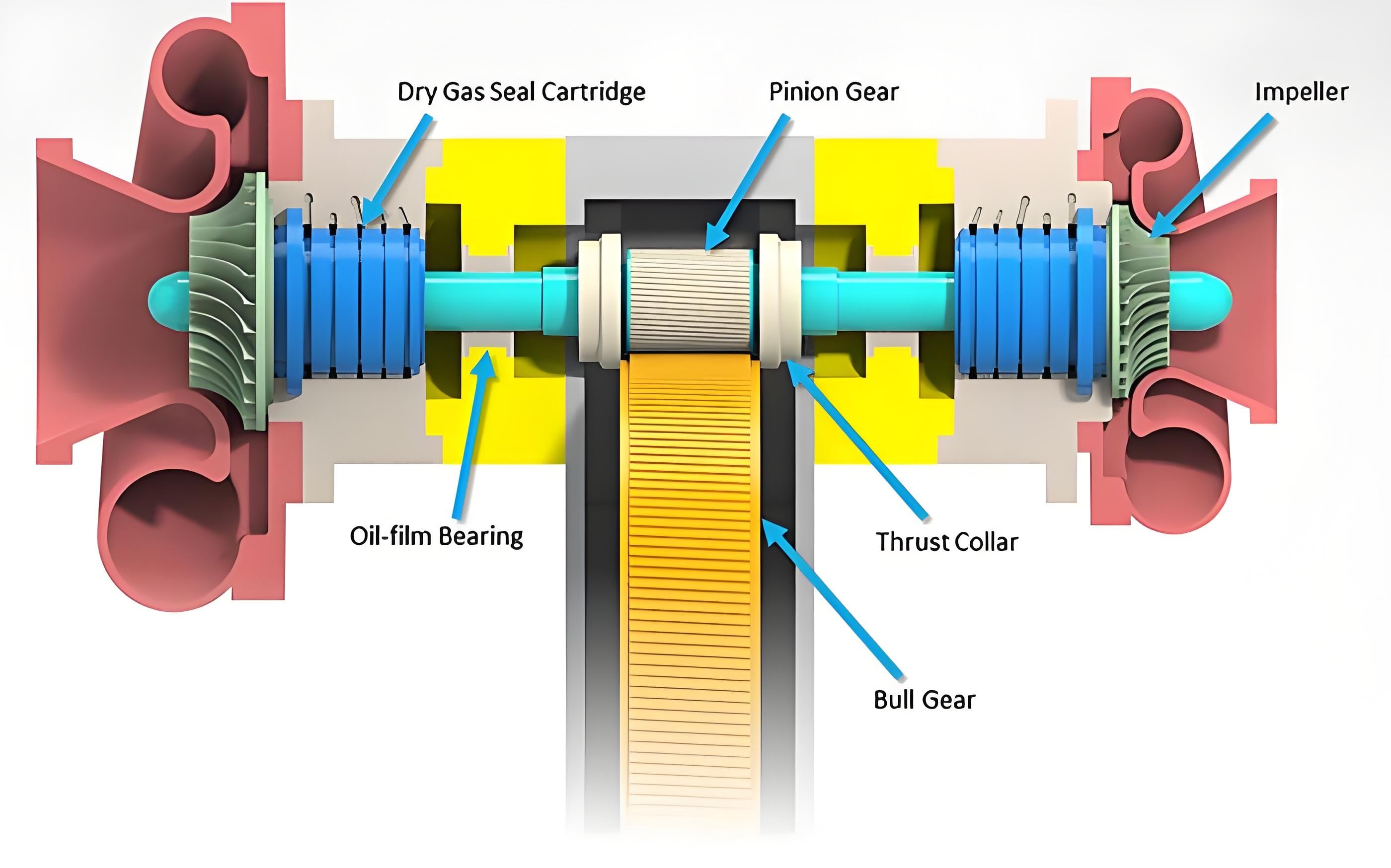
These sealing solutions are widely used in electric motors, pumps, compressors, gearboxes, and precision industrial equipment where reliable long-term performance is essential.
Tesel Seal develops high speed rotary sealing solutions optimized for friction control, heat management, and durability in high-speed operating environments.
Where High Speed Rotary Seals Are Used
High speed rotary seals are used in systems where rotating shafts require reliable sealing performance under continuous high-speed operation.
 |
Electric Motors and Drive Systems
Used to retain lubricants and prevent contamination in high-speed motors and drive systems. Low-friction rotary seals help reduce heat generation, improve efficiency, and extend component life. |
|
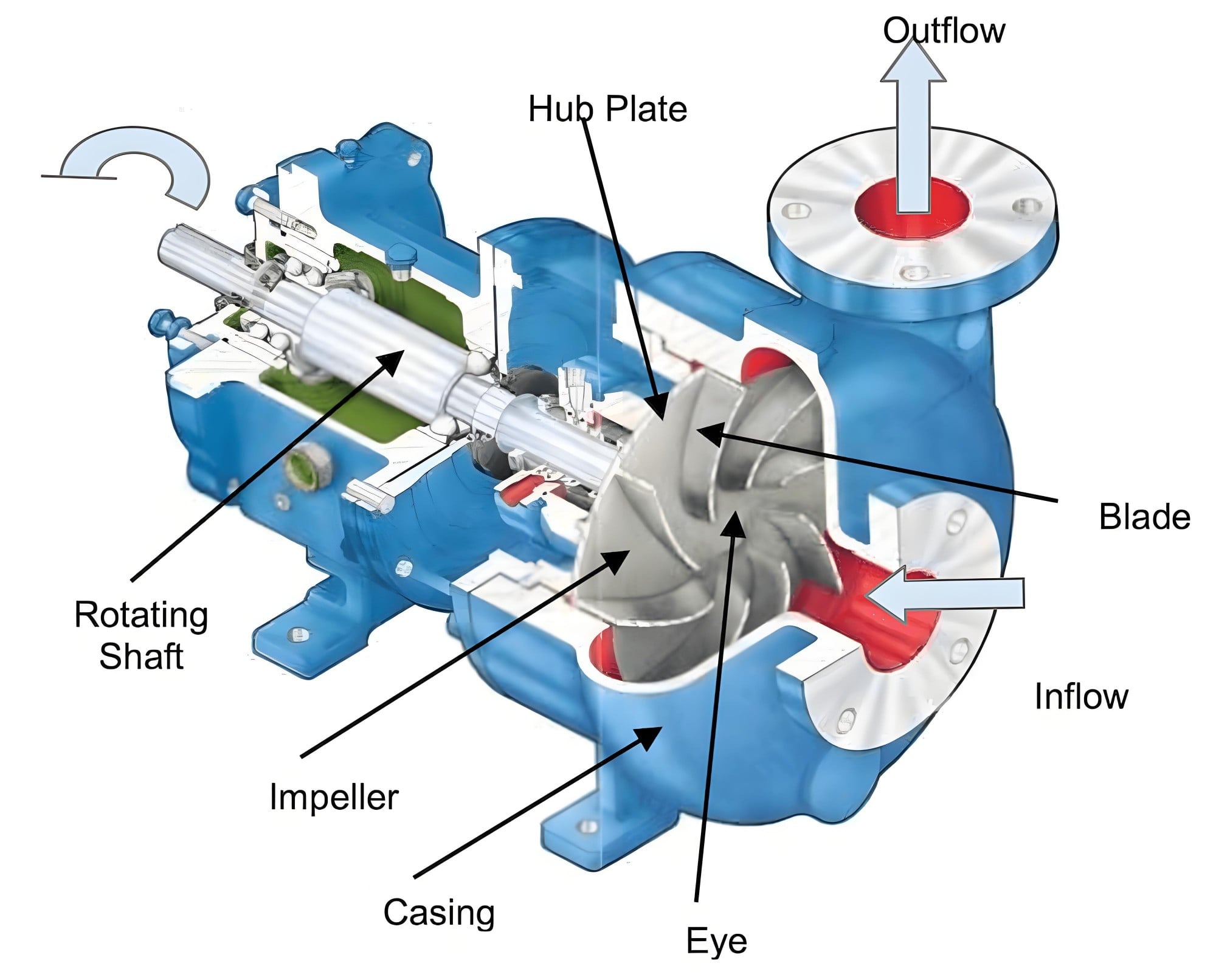
Pumps and Compressors
Applied in rotating equipment where continuous shaft motion and fluid containment are required. High-performance seals help control leakage, reduce friction, and maintain stable operation. |
 |
 |
Gearboxes and Transmission Systems
Installed in gearboxes to retain lubricants and protect against external contamination. Rotary seals help reduce wear, improve transmission efficiency, and extend service life. |
|
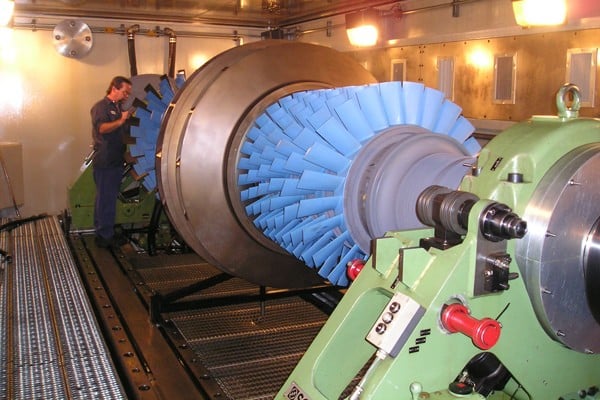
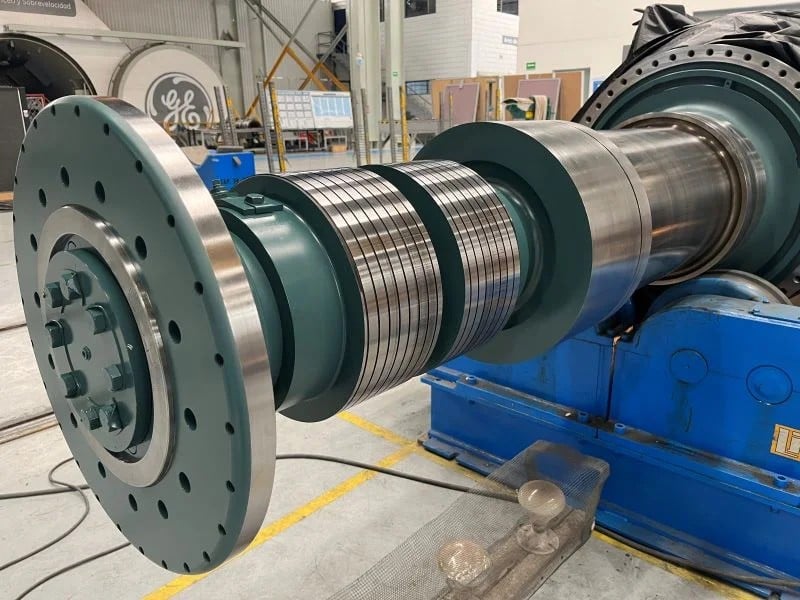
High-Speed Industrial Equipment
Used in spindles, turbines, and automated manufacturing equipment operating at high RPM. Advanced sealing solutions minimize friction, control heat buildup, and support precision operation. |
 |
 |
Robotics and Precision Systems
Applied in robotic joints and automation systems where low friction and motion accuracy are critical. Rotary seals help ensure smooth movement, reduced wear, and consistent positioning performance. |
Operating Conditions and Engineering Parameters
High speed rotary seals must be designed based on dynamic operating conditions that differ significantly from static sealing environments.
Key parameters include rotational speed, which can range from several hundred to tens of thousands of RPM depending on the application. At high speeds, friction becomes a critical factor, as it directly influences heat generation and wear.
Surface speed at the sealing interface must be carefully controlled. Higher speeds increase frictional heat, which can degrade materials and reduce seal life.
Temperature is another important factor. Heat generated by friction, combined with environmental conditions, can raise operating temperatures significantly. Seals must maintain performance under these conditions.
Pressure conditions vary depending on the system. While many rotary seals operate under low to moderate pressure, some applications involve higher pressure levels that require reinforced sealing designs.
Lubrication conditions also play a key role. In lubricated systems, seals must retain lubricants while preventing contamination. In dry-running systems, materials must provide low friction without external lubrication.
These parameters require sealing solutions that are optimized for speed, thermal management, and wear resistance.
Key Challenges in High Speed Rotary Sealing
Key Features and Performance Advantages
Seal Types for High Speed Rotary Applications
Material Selection Guide
Material selection is critical for achieving optimal performance in high speed rotary sealing.
|
Material |
Key Benefits |
Application |
|
PTFE |
Low friction, high temperature resistance |
High-speed systems |
|
PEEK |
High strength and wear resistance |
Precision equipment |
|
FKM |
Chemical and temperature resistance |
Industrial systems |
|
NBR |
Cost-effective, general use |
Standard applications |
Selecting the correct material ensures efficient operation and long service life.
Design Considerations for High Speed Rotary Seals
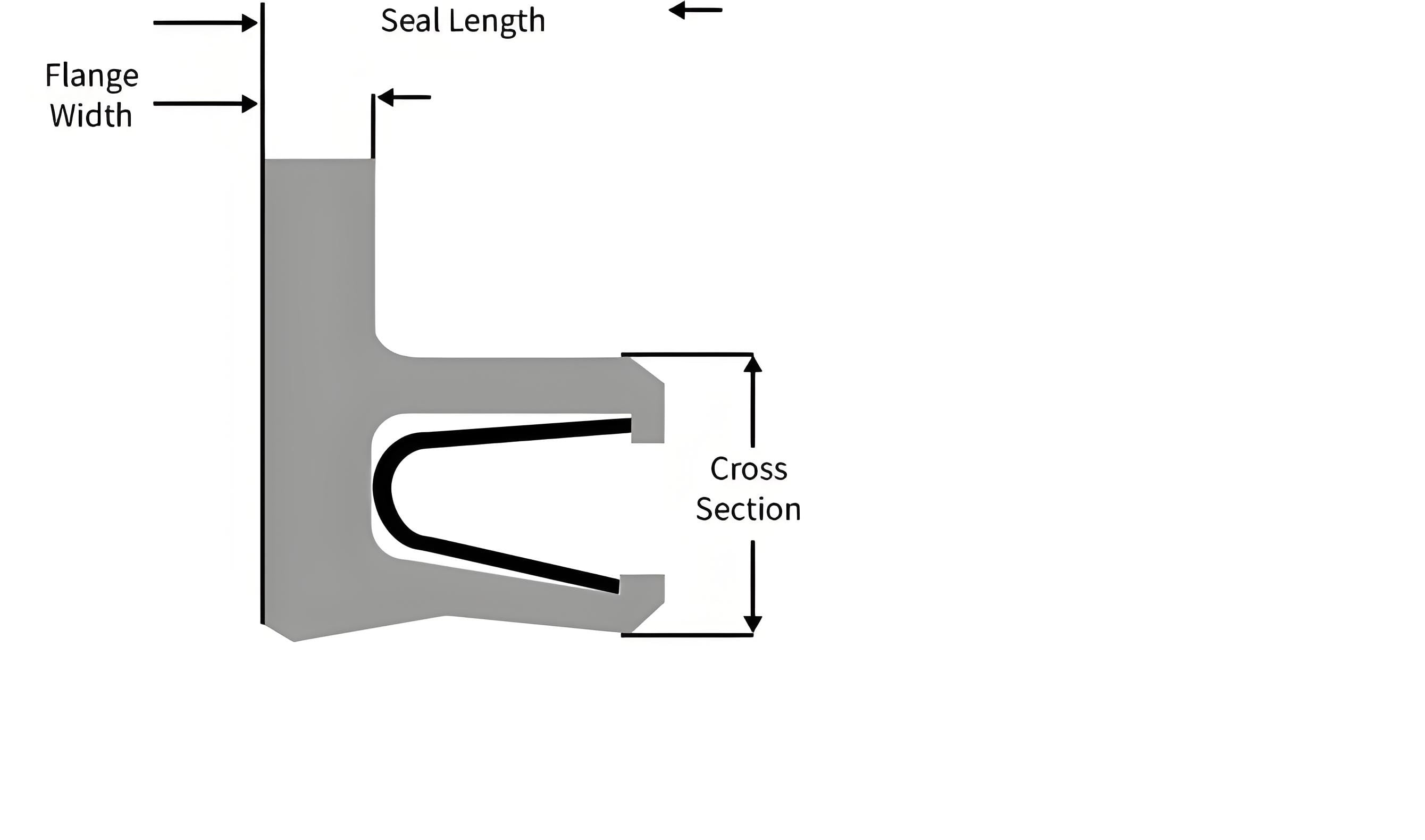
Seal design must consider shaft surface finish, rotational speed, and thermal expansion. Surface roughness affects friction and wear, while improper design can lead to leakage or premature failure.
Proper interference fit and contact pressure are essential to maintain sealing performance without increasing friction excessively.
Failure Analysis
Common failure modes include excessive wear due to high friction, thermal degradation from heat buildup, and leakage caused by improper seal design.
Understanding these issues helps improve sealing performance and extend service life.
Performance Optimization
Optimizing sealing performance involves reducing friction, improving heat dissipation, and selecting materials that resist wear.
Tesel Seal works with customers to optimize sealing systems for high-speed applications.
How to Select the Right High Speed Rotary Seal
Selecting the correct seal requires evaluating:
- Rotational speed (RPM)
- Shaft size and surface finish
- Temperature conditions
- Lubrication requirements
- Pressure conditions
Working with Tesel Seal ensures proper selection and optimal performance.
Why Choose Tesel Seal
Tesel Seal provides high-performance rotary sealing solutions engineered for demanding applications. Our expertise in high-speed sealing systems ensures reliable and efficient performance.
Custom Engineering Capabilities
We offer custom seal design, material selection, and testing to meet specific application requirements.
Call to Action
Reduce Friction. Improve Efficiency. Extend Equipment Life.
Work with Tesel Seal to optimize your high speed rotary sealing systems.
- Request a quote
- Submit your drawings
- Talk to Tesel Seal engineers
Response within 24 hours.