
 EN
EN

High Temperature Seals
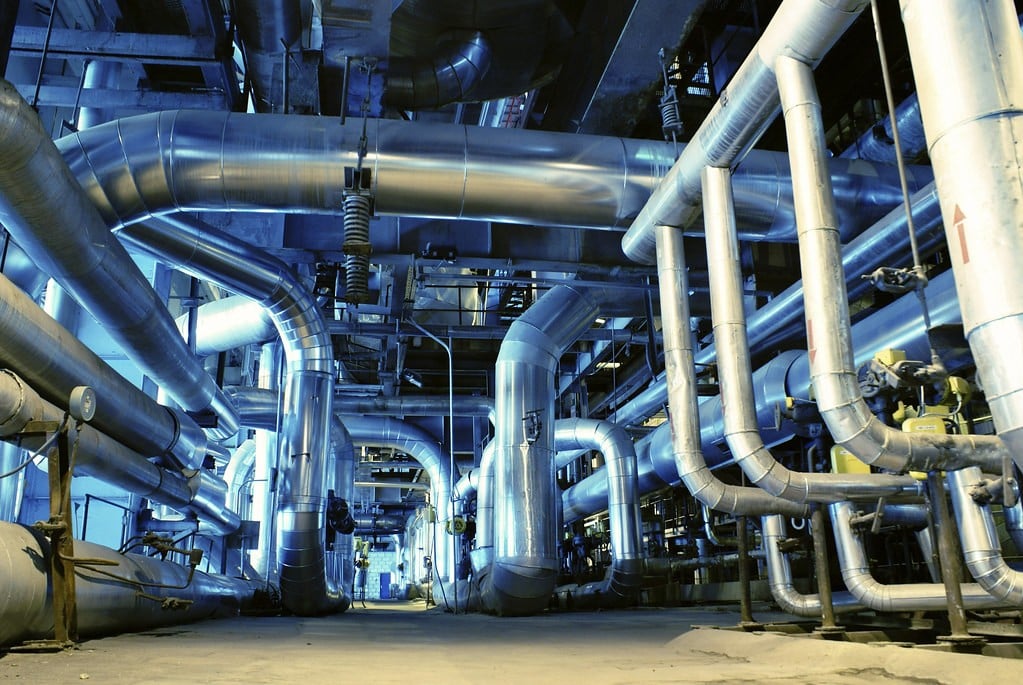
Engineered by Tesel Seal for Extreme Heat, Thermal Stability, and Critical Industrial Applications
Overview
High temperature seals are designed for industrial systems operating under elevated thermal conditions. These seals are widely used in aerospace, oil & gas, power generation, chemical processing, and high-temperature manufacturing equipment.
Continuous exposure to high temperatures can cause conventional sealing materials to harden, lose elasticity, or degrade, resulting in leakage and reduced system reliability. Effective high temperature sealing solutions must maintain stability, sealing force, and material integrity under thermal stress.
Tesel Seal develops high temperature sealing solutions engineered with advanced materials and optimized designs to deliver reliable sealing performance, durability, and long service life in demanding high-temperature environments.
Where High Temperature Seals Are Used
High temperature seals are used in systems exposed to continuous heat, thermal cycling, and aggressive operating conditions where reliable sealing performance is essential.
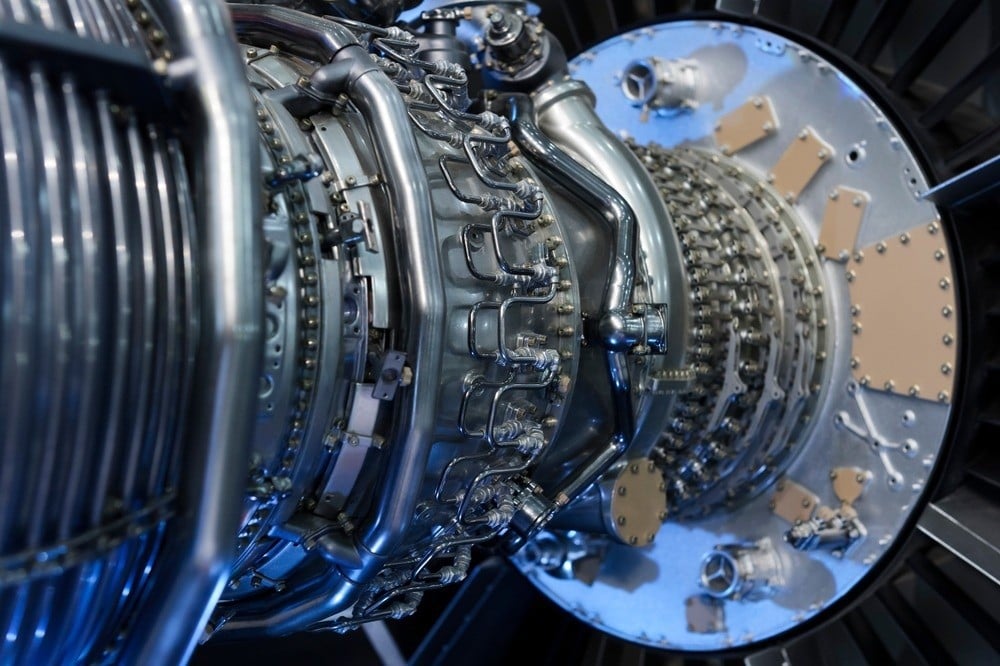 |
Aerospace Systems
Used in engine components, braking systems, and environmental control systems exposed to extreme temperature variation. High temperature seals maintain elasticity and sealing integrity under thermal stress. |
|
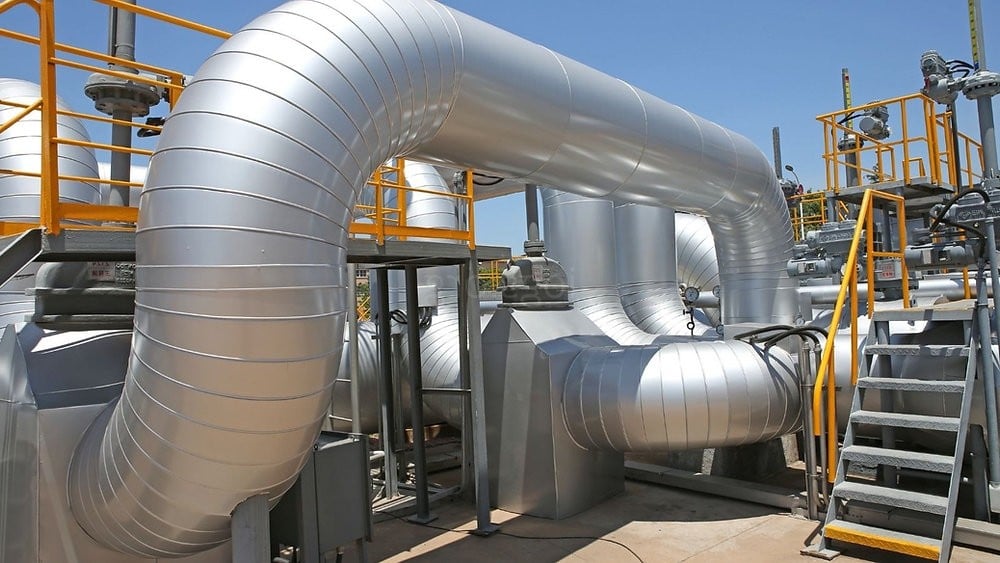
Oil and Gas Processing Equipment
Applied in compressors, valves, and refining systems operating under high heat and chemical exposure. These seals provide reliable performance and reduce leakage risks in harsh processing environments. |
 |
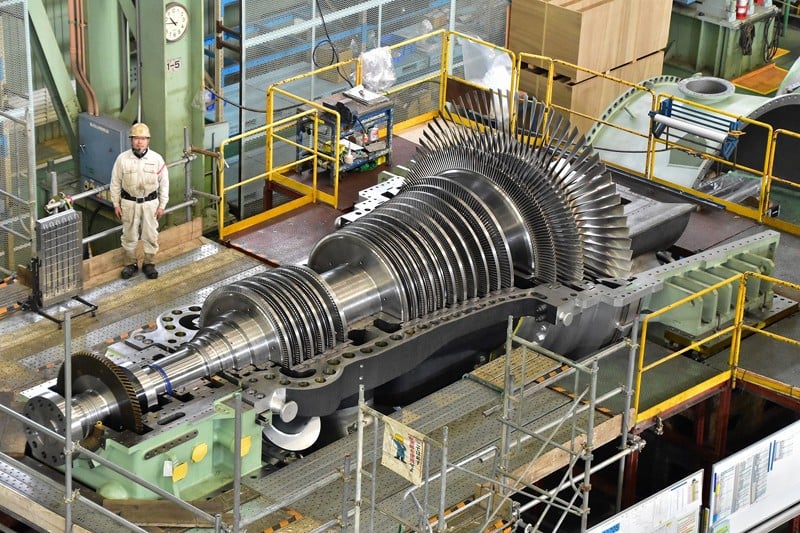 |
Power Generation Systems
Installed in turbines, boilers, and other energy equipment operating under continuous high temperatures. High temperature seals help improve efficiency, maintain system stability, and reduce downtime. |
|
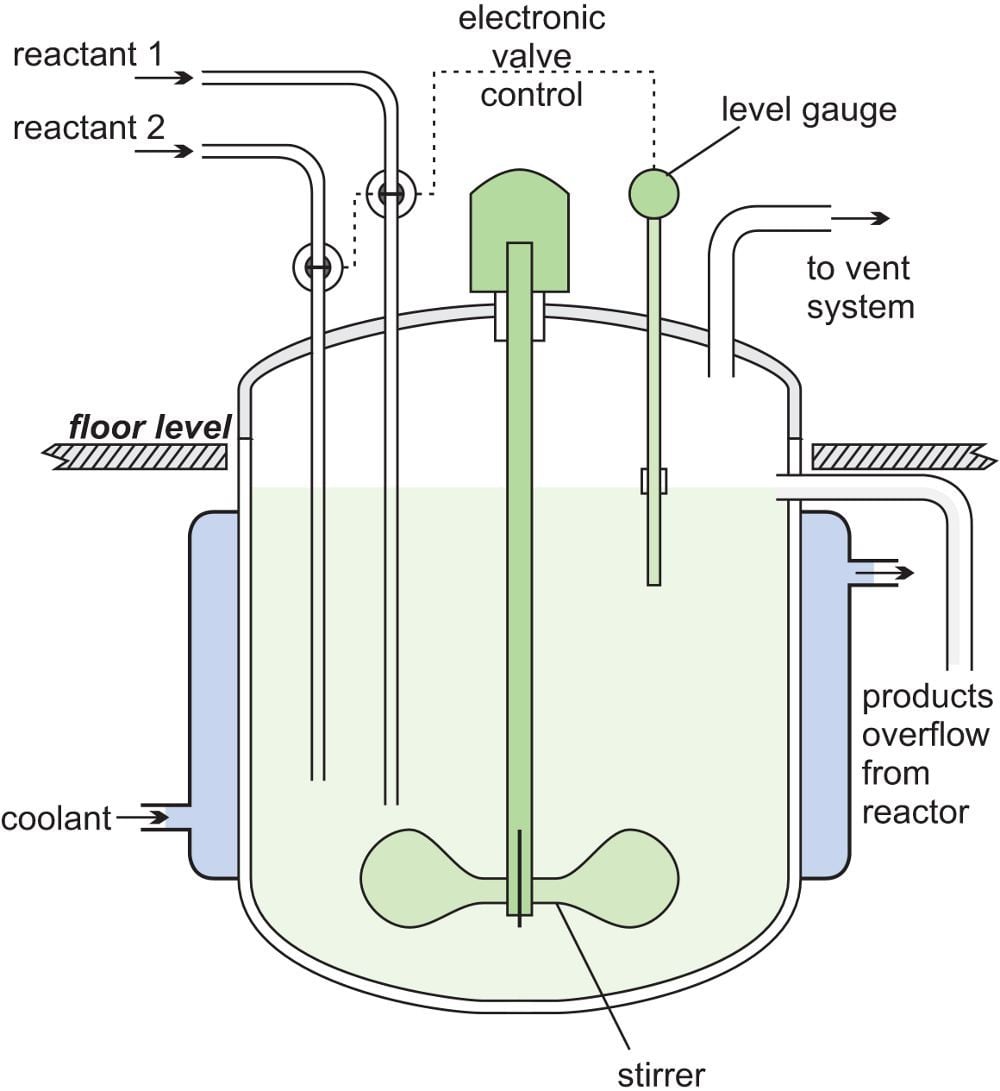
Chemical Processing Equipment
Used in systems exposed to both elevated temperatures and aggressive chemicals such as acids and solvents. High temperature seals provide thermal and chemical resistance to ensure safe and stable operation. |
 |
 |
Industrial Furnaces and High-Temperature Manufacturing
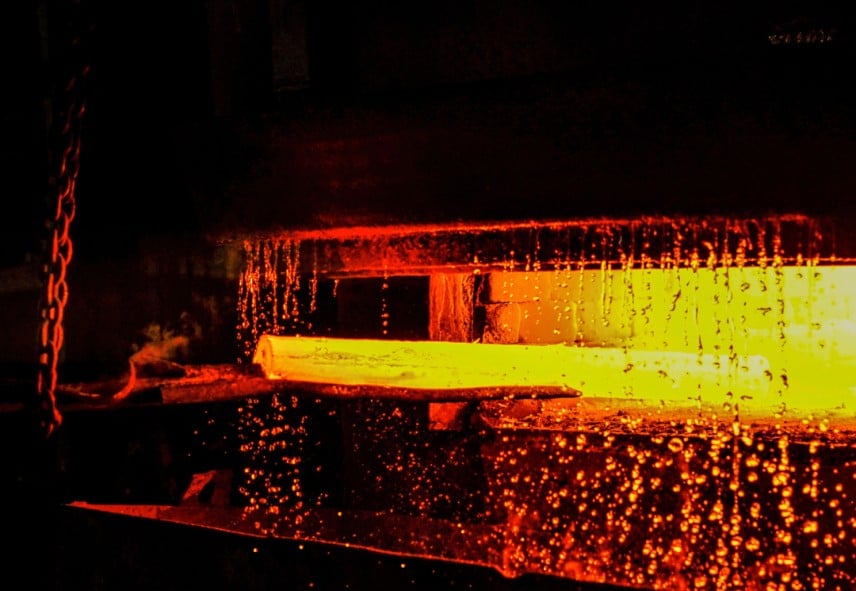
Industrial furnaces and high-temperature manufacturing systems operate at extreme temperatures during processes such as metal treatment, glass production, and thermal processing. Seals in these systems must withstand direct exposure to heat and thermal cycling. |
Improper sealing can lead to heat loss, reduced process efficiency, and equipment damage. High temperature sealing solutions provide reliable containment, improve energy efficiency, and support consistent production quality in high-heat industrial applications.
Operating Conditions and Engineering Parameters
High temperature seals must be designed based on actual thermal and mechanical conditions.
Typical operating parameters include temperatures ranging from +150°C to over +300°C, depending on the application. In some cases, localized temperatures may exceed these values, requiring specialized materials.
Thermal cycling is a critical factor. Repeated heating and cooling cycles can cause expansion and contraction, leading to material fatigue and loss of sealing force.
Pressure conditions vary depending on the system. Seals must maintain performance under both static and dynamic pressure conditions.
Chemical exposure is also important. High temperature environments often involve aggressive media that can accelerate material degradation.
Mechanical stress from vibration and system operation adds additional complexity. Sealing systems must maintain integrity despite these combined factors.
Key Challenges in High Temperature Sealing
Key Features and Performance Advantages
Seal Types for High Temperature Applications
Material Selection Guide
Selecting the correct material is critical for high temperature sealing performance.
|
Material |
Key Benefits |
Application |
|
FKM |
High temperature and chemical resistance |
Industrial systems |
|
FFKM |
Extreme chemical and thermal resistance |
Critical applications |
|
PTFE |
Thermal stability and low friction |
High-performance systems |
|
Metal |
Extreme heat resistance |
Aerospace and energy |
Material selection must consider temperature range, chemical exposure, and system requirements.
Design Considerations for High Temperature Seals
Seal design must account for thermal expansion, material behavior, and system tolerances.
Proper groove design ensures seal stability during expansion and contraction. Surface finish affects friction and wear, especially at high temperatures. Clearance gaps must be controlled to prevent leakage and maintain sealing force.
Understanding these factors is essential for achieving reliable performance.
Failure Analysis
Common failure modes include thermal degradation, oxidation, loss of elasticity, and wear. These issues can lead to leakage and reduced system performance.
Analyzing failure mechanisms helps improve material selection and seal design.
Performance Optimization
Optimizing high temperature sealing systems involves selecting appropriate materials, refining seal geometry, and ensuring compatibility with operating conditions.
Tesel Seal works with customers to improve sealing performance and extend service life.
How to Select the Right High Temperature Seal
Key factors to consider include:
- Operating temperature range
- Thermal cycling conditions
- Chemical exposure
- Pressure and motion type
- System design
Proper evaluation ensures optimal sealing performance.
Why Choose Tesel Seal
Tesel Seal specializes in high-performance sealing solutions for extreme environments. Our expertise in high temperature sealing systems enables us to deliver reliable and durable solutions.
Our strengths include:
- Experience in high temperature sealing applications
- Application-specific engineering support
- Advanced material selection
- Precision manufacturing
- Technical support from design to implementation
Custom Engineering Capabilities
Tesel Seal provides custom sealing solutions tailored to specific application requirements. Our capabilities include design optimization, material selection, and testing.
Call to Action
Improve Thermal Stability. Reduce Leakage. Extend Equipment Life.
Work with Tesel Seal to optimize your high temperature sealing solutions.
- Request a quote
- Submit your drawings
- Talk directly with Tesel Seal engineers
Response within 24 hours.