
 EN
EN

High-Speed Reciprocating
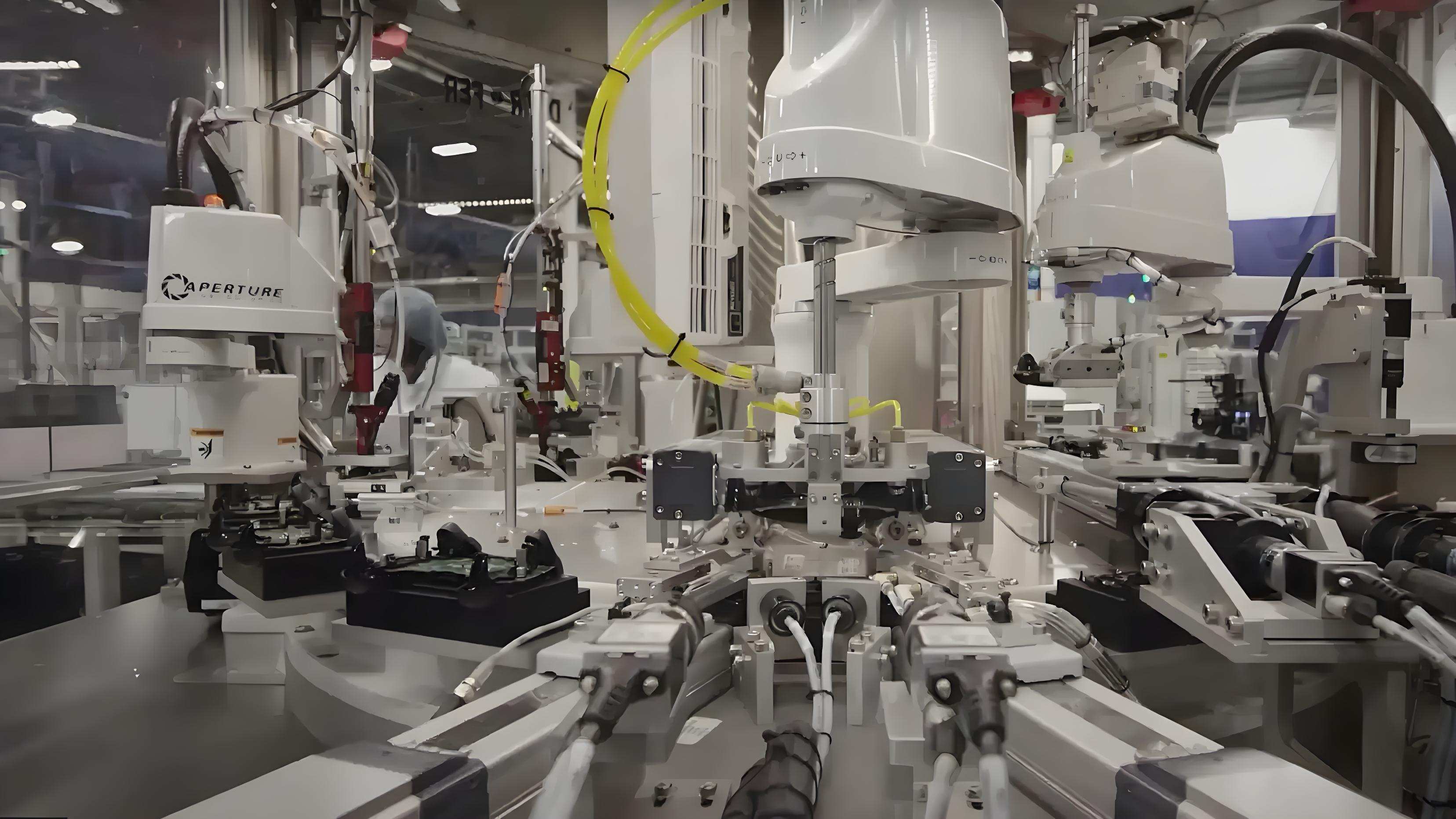
Precision Sealing Systems for High-Speed Linear Motion, Low Friction, and Long Service Life
Overview
High-speed reciprocating sealing systems are designed for continuous linear motion in hydraulic cylinders, linear actuators, compressors, and automation equipment where speed, precision, and reliability are critical.
Compared to static or low-speed applications, these systems involve complex interactions between friction, pressure, temperature, and material wear. Seals must maintain effective sealing while minimizing resistance to ensure smooth and efficient motion.
At high speeds and cycle frequencies, friction generates heat and accelerates wear, while insufficient sealing force can lead to leakage. A precise balance between sealing performance and low friction is essential.
High cycle operation also demands strong fatigue resistance and dimensional stability, as components may undergo millions of motion cycles during service life.
Failure of reciprocating sealing systems can result in increased friction, stick-slip behavior, leakage, reduced efficiency, and higher maintenance requirements.
Operating Conditions and Engineering Parameters
High-speed reciprocating seals must be designed based on dynamic operating conditions, including speed, pressure, temperature, surface finish, and lubrication.
Linear speeds can reach several meters per second, requiring stable performance under continuous movement.
Systems may operate under high-pressure hydraulic conditions or lower-pressure pneumatic conditions with higher speeds.
Frictional heat and ambient conditions influence material behavior and sealing stability.
Rod finish, hardness, and coatings directly affect wear and friction performance.
Depending on the system, seals may operate under full, boundary, or dry lubrication conditions.
Key Challenges in High-Speed Reciprocating Sealing
Key Features and Performance Advantages
Sealing Technologies
High-speed reciprocating sealing systems utilize a range of technologies depending on application requirements.
Material Selection Strategy
Material selection is critical for achieving optimal performance in high-speed reciprocating systems.
|
Material |
Key Benefits |
Application |
|
PTFE |
Low friction, chemical stability |
High-speed systems |
|
Filled PTFE |
Improved wear resistance |
Hydraulic applications |
|
Polyurethane |
High strength, wear resistance |
Heavy-duty systems |
|
PEEK |
High temperature stability |
Precision applications |
Selecting the correct material ensures reduced wear, stable performance, and extended service life.
Applications
High-speed reciprocating sealing solutions are used across a wide range of industries:
Hydraulic Systems |
Used in cylinders and actuators where high pressure and speed are present.
|
Automation Equipment |
Linear motion systems in automation require precise and low-friction sealing solutions.
|
Compressors |
Reciprocating compressors rely on effective sealing to maintain efficiency and performance.
|
Robotics |
Precision motion systems require stable sealing performance to ensure accuracy. |
Failure Analysis
Common failure modes include:
• Excessive wear due to high friction
• Thermal degradation caused by heat buildup
• Leakage due to insufficient sealing force
• Stick-slip behavior affecting motion
Understanding these failure mechanisms enables better design and material selection.
Performance Optimization
Optimizing reciprocating sealing performance requires a combination of material selection, geometry design, and system analysis.
Reducing friction, controlling temperature, and improving wear resistance are key objectives.
Proper surface finishing, lubrication management, and seal design contribute to improved system performance.
Buyer Guide
When selecting high-speed reciprocating seals, key considerations include:
• Motion speed and frequency
• Pressure conditions
• Temperature range
• Lubrication conditions
• Required service life
Working with experienced engineering teams ensures optimal selection and system performance.
Why Choose Tesel Seal
Tesel Seal delivers high-performance sealing solutions engineered for demanding dynamic applications.
Our strengths include:
• Advanced material expertise
• Precision engineering design
• Custom sealing solutions
• Reliable performance under high-speed conditions
• Engineering support from concept to production
Custom Engineering Capabilities
We collaborate closely with OEM manufacturers and system designers to develop optimized sealing solutions:
• Application-specific seal design
• Material selection and validation
• Friction and wear optimization
• Prototype development and testing
Our goal is to deliver sealing systems that enhance performance, reduce maintenance, and extend equipment life.
FAQ
What defines a high-speed reciprocating seal?
Seals designed for continuous linear motion at elevated speeds with minimal friction and high durability.
Which materials are best for high-speed applications?
PTFE and filled PTFE are commonly used due to their low friction and stability.
How can friction be reduced in reciprocating seals?
Through optimized seal geometry, material selection, and surface finishing.
Do you provide custom solutions?
Yes. All applications are evaluated to deliver tailored sealing solutions.
Call to Action
Improve Efficiency. Reduce Wear. Maximize Performance.
Your high-speed motion systems require sealing solutions that deliver precision and reliability.
• Request a quote
• Submit your specifications
• Speak with our engineering team
Response within 24 hours.