
 EN
EN

Cryogenic Seals
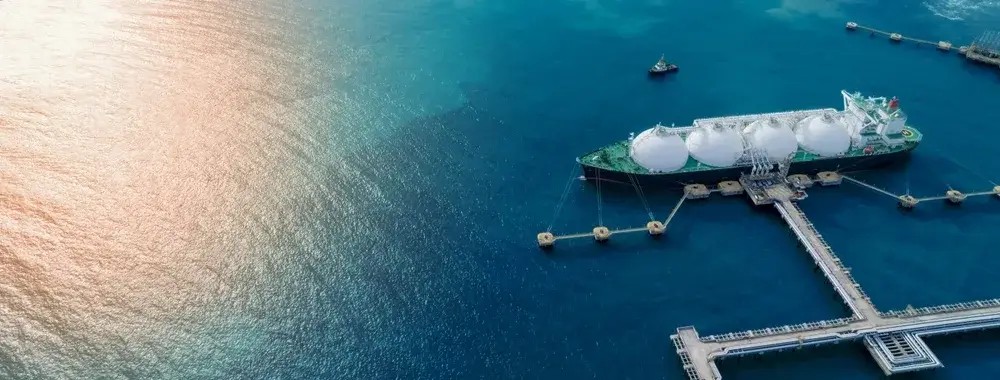
Engineered by Tesel Seal for Ultra-Low Temperature, LNG Systems, and Critical Containment Applications
Overview
 |
Cryogenic sealing systems are designed for extreme low-temperature applications, typically below -150°C, such as LNG, industrial gas processing, aerospace, and scientific equipment. Under these conditions, conventional sealing materials may become rigid or brittle, increasing the risk of leakage and seal failure. |
Cryogenic seals are used in valves, pumps, pipelines, storage tanks, and transfer systems where reliable containment of liquefied gases is critical. Effective sealing solutions must maintain flexibility, sealing force, and dimensional stability despite thermal contraction and pressure variation.
Tesel Seal develops advanced cryogenic sealing solutions engineered to deliver reliable low-temperature performance, reduced leakage risk, and long-term operational stability in demanding cryogenic environments.
Where Cryogenic Seals Are Used
Cryogenic seals are used in LNG, industrial gas, and aerospace systems where maintaining sealing integrity at extremely low temperatures is essential.
 |
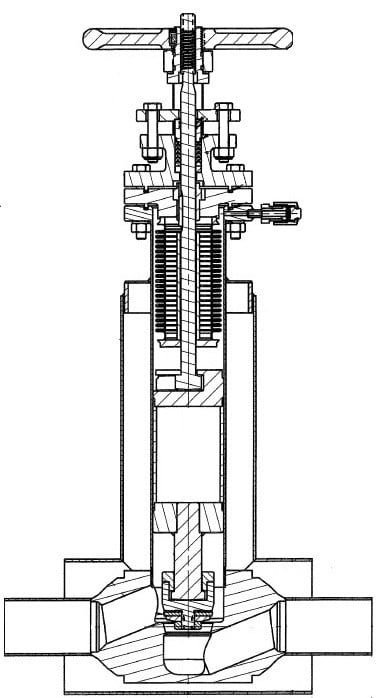
Valve Systems
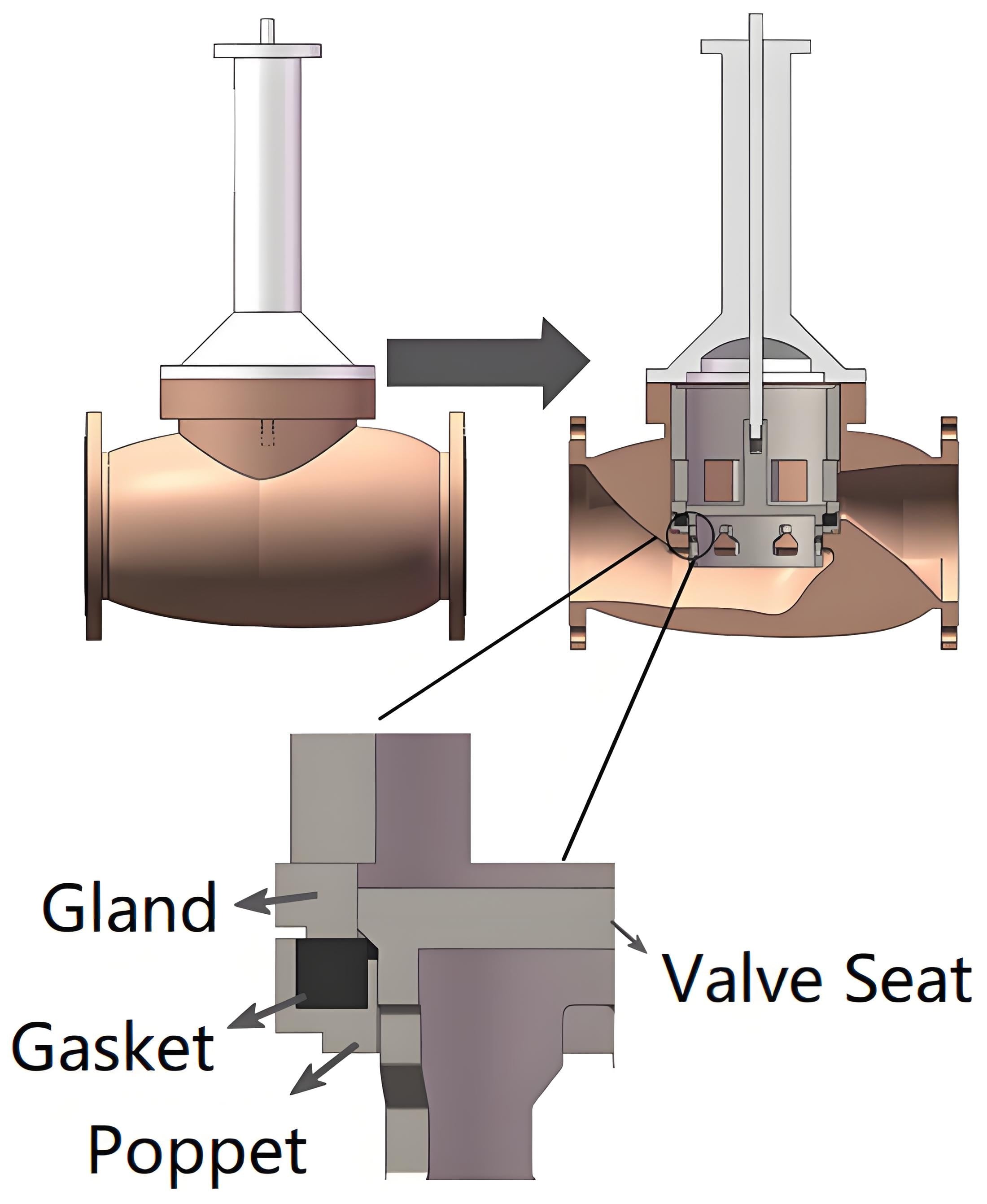
Used in valve stems, seats, and bonnet seals for LNG and industrial gas applications. Cryogenic seals compensate for thermal contraction and maintain reliable sealing under low-temperature conditions. |
|
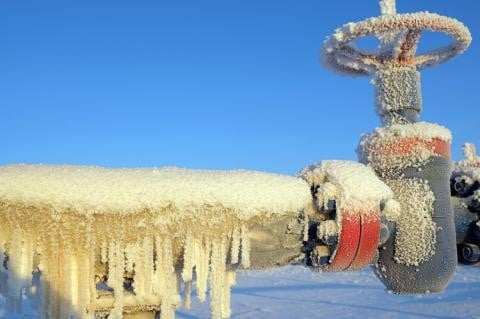
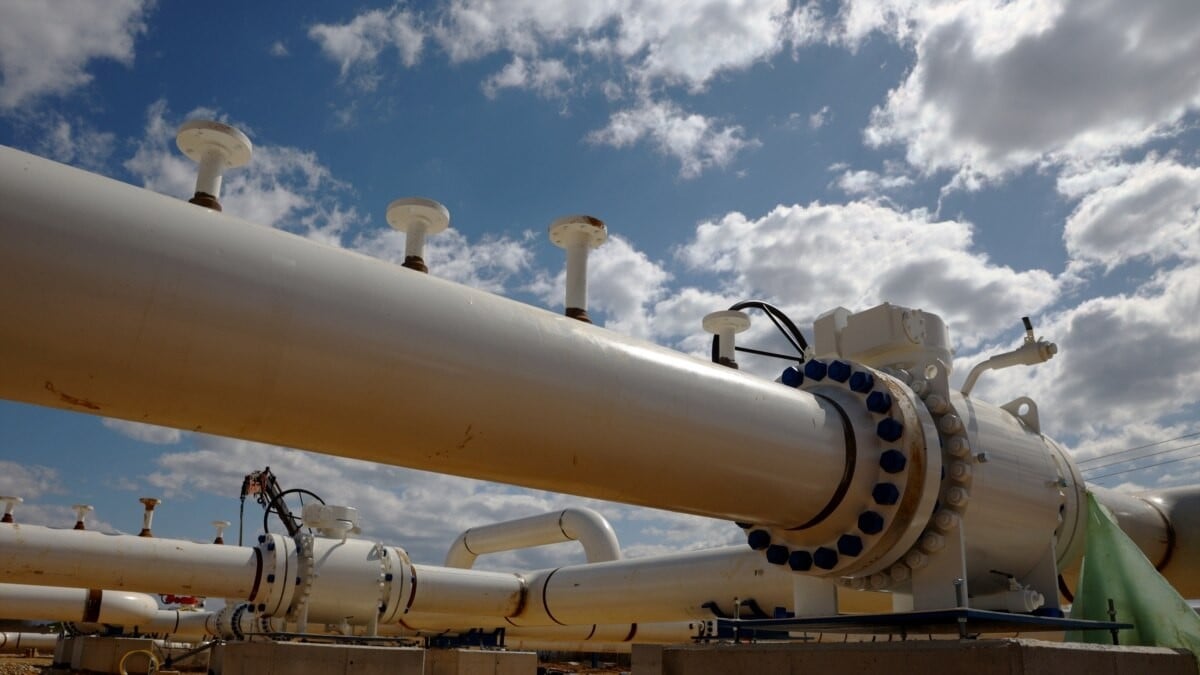
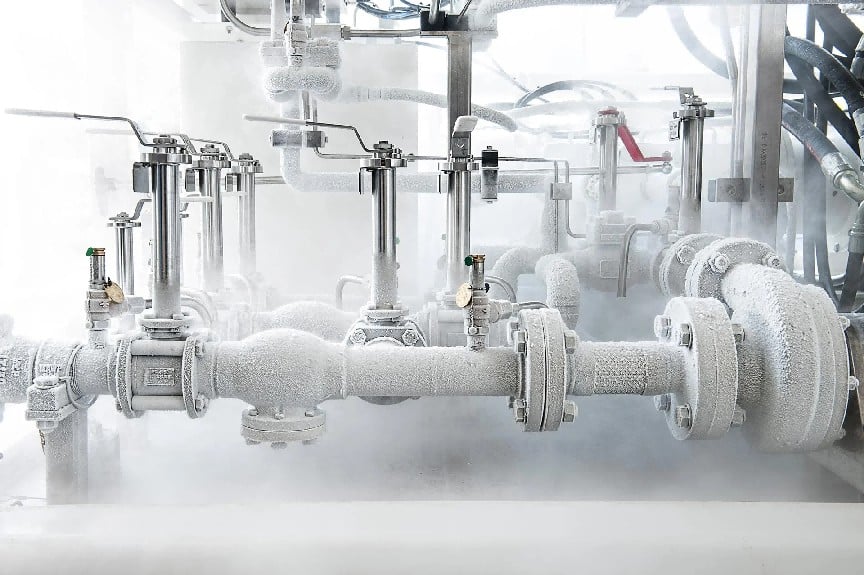
Pipeline Connections
Applied in flange connections, expansion joints, and transfer lines exposed to thermal cycling and mechanical stress. High-performance seals help prevent leakage and maintain system efficiency. |
|
 |
Cryogenic Pumps
Used in shaft seals and dynamic sealing areas handling liquefied gases such as LNG, liquid nitrogen, and liquid oxygen. These seals provide low friction, wear resistance, and stable sealing performance. |
|
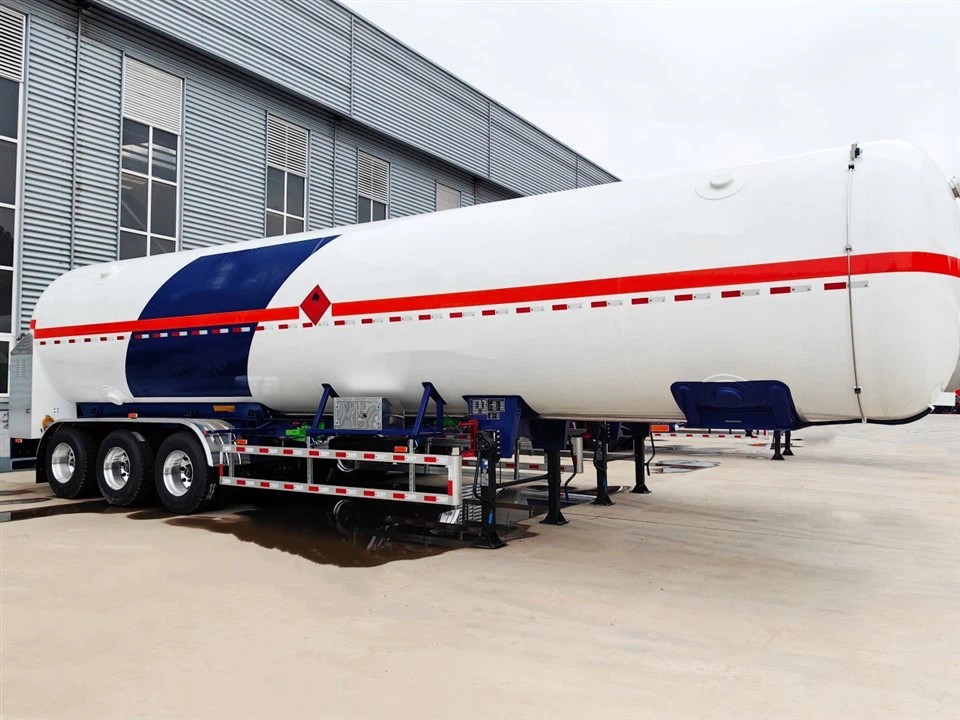
Storage and Transport Systems
Installed in storage tanks, loading couplings, and transfer connections where reliable containment during filling and transport is required. Proper seal design helps reduce leakage caused by temperature and pressure variation. |
 |
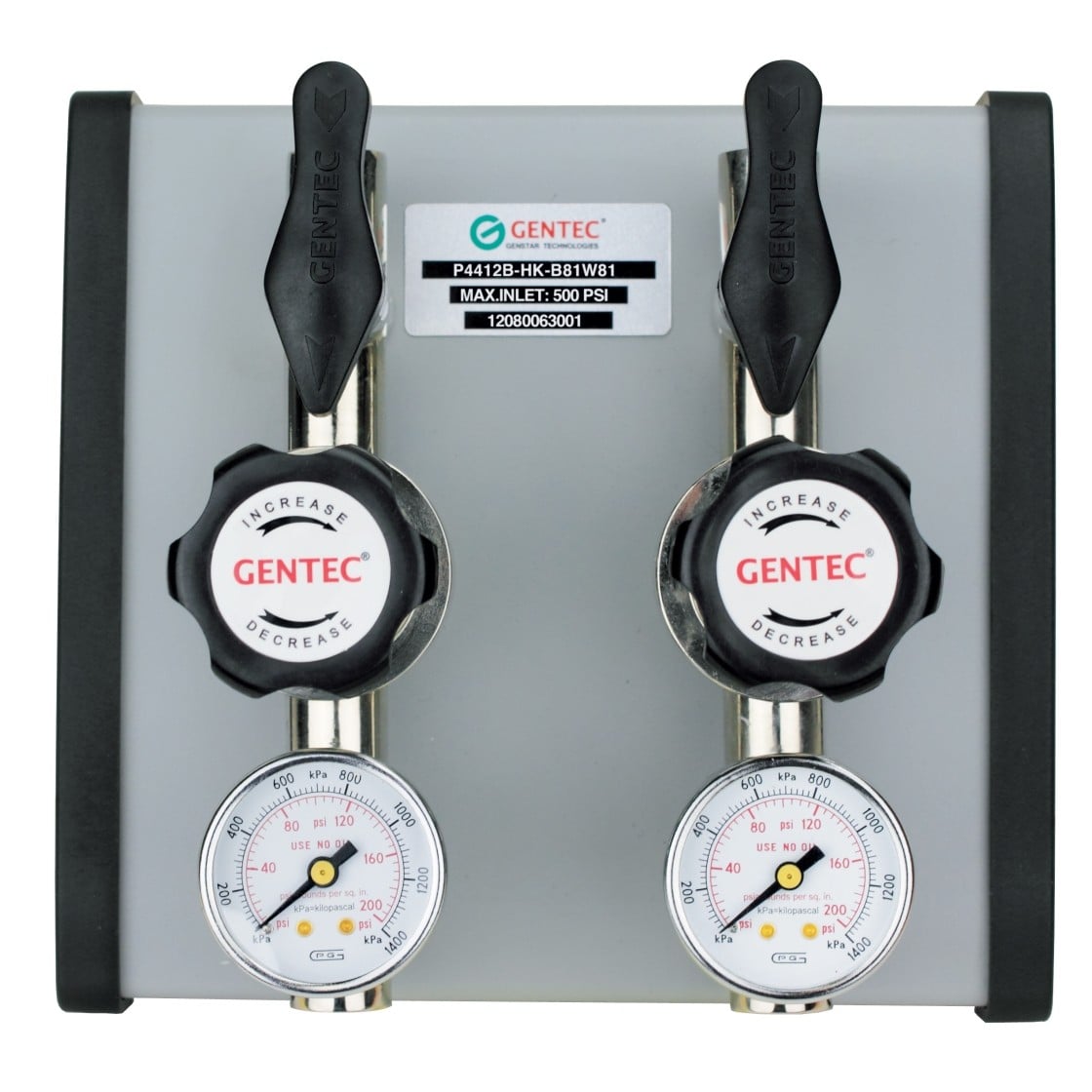 |
Industrial Gas Equipment
Used in regulators, valves, and gas connection systems operating under low-temperature conditions. Cryogenic seals help minimize gas leakage and maintain stable system performance. |
|
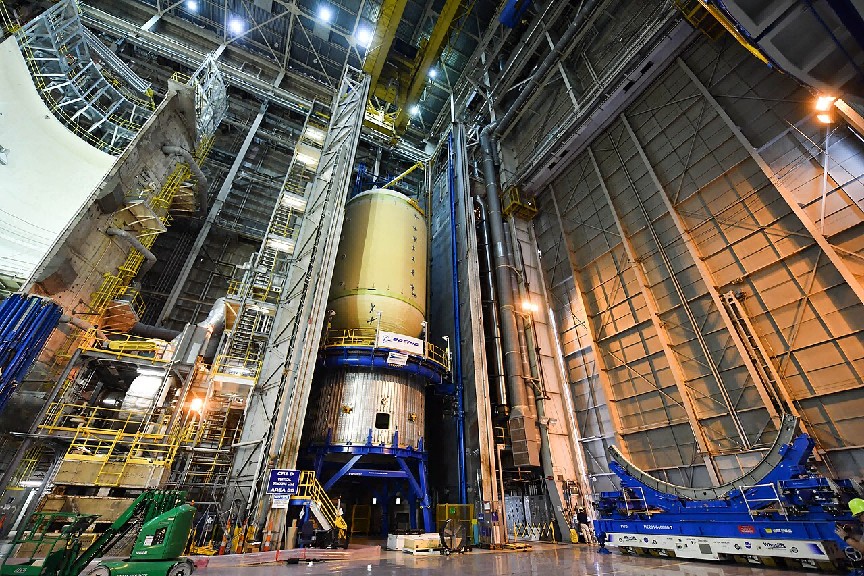
Aerospace Fuel Systems
Applied in liquid hydrogen and liquid oxygen systems where sealing reliability is critical. Advanced cryogenic seals ensure safe containment and long-term durability under extreme operating conditions. |
 |
Operating Conditions and Engineering Parameters
Cryogenic sealing systems must be engineered for extreme low-temperature environments, which differ significantly from standard industrial conditions.
Systems operate below -150°C, often down to -196°C. At these temperatures, materials lose elasticity and undergo significant changes in mechanical properties.
Cryogenic systems experience varying pressures, including rapid fluctuations caused by phase changes between liquid and gas.
Different materials shrink at different rates, which can create gaps, stress, or loss of sealing force.
Vibration and movement must be accommodated while maintaining stable sealing contact under dimensional changes.
Cryogenic fluids have very low viscosity, increasing the risk of leakage through micro-gaps.
These conditions require sealing solutions specifically engineered for stability, flexibility, and reliable performance at ultra-low temperatures.
Key Challenges in Cryogenic Sealing
Key Features and Performance Advantages
Seal Types for Cryogenic Applications
Material Selection Guide
Selecting the correct material is critical for cryogenic sealing performance.
|
Material |
Key Benefits |
Application |
|
PTFE |
Low friction, chemical resistance |
LNG systems |
|
PCTFE |
Low permeability, dimensional stability |
Cryogenic sealing |
|
FKM (low-temp grades) |
Chemical resistance |
Specialized use |
|
Metal |
Strength, zero leakage |
Critical systems |
Material selection must consider temperature, pressure, and fluid characteristics.
Design Considerations for Cryogenic Seals
|
Seal design must address thermal contraction, pressure variation, and material behavior. Key considerations include:
Proper design ensures reliable sealing performance under extreme conditions. |
 |
Failure Analysis
Common failure modes include:
- Cracking due to material brittleness
- Leakage caused by thermal contraction
- Loss of sealing force
- Material degradation due to improper selection
Understanding these failure mechanisms helps improve system design.
Performance Optimization
Optimizing cryogenic sealing systems involves selecting appropriate materials, refining seal geometry, and ensuring compatibility with operating conditions.
Tesel Seal works with customers to develop solutions that improve performance and reliability in cryogenic environments.
How to Select the Right Cryogenic Seal
Selecting the correct seal requires evaluating:
- Minimum operating temperature
- Pressure conditions
- Type of cryogenic fluid
- Dynamic or static application
- Leakage requirements
Working with Tesel Seal ensures proper evaluation and optimized sealing solutions.
Why Choose Tesel Seal
Tesel Seal specializes in high-performance sealing solutions for extreme environments, including cryogenic applications. Our expertise in low-temperature sealing systems enables us to deliver reliable and durable solutions for critical applications.
Our strengths include:
- Advanced material selection for cryogenic conditions
- Engineering expertise in LNG and industrial gas systems
- Custom-designed sealing solutions
- Precision manufacturing and quality control
- Technical support from design to implementation
Custom Engineering Capabilities
Tesel Seal provides custom sealing solutions tailored to cryogenic applications. Our capabilities include seal design, material selection, and performance validation.
Call to Action
Ensure Containment. Minimize Leakage. Improve System Reliability.
Work with Tesel Seal to optimize your cryogenic sealing systems.
- Request a quote
- Submit your drawings or specifications
- Talk directly with Tesel Seal engineers
Response within 24 hours.