
 EN
EN

Vacuum Seals
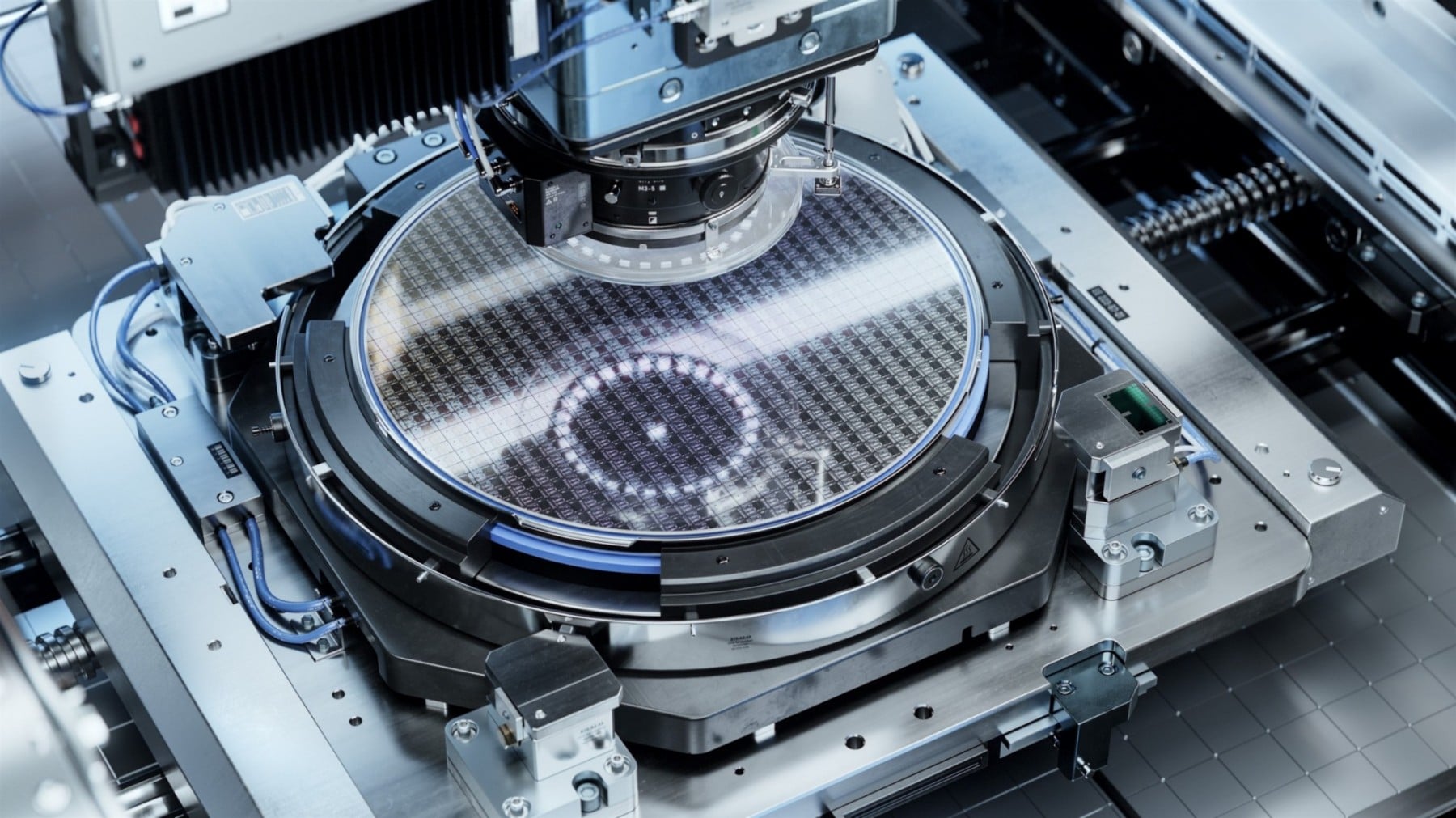
Engineered by Tesel Seal for Ultra-Low Leakage, Vacuum Integrity, and Precision Sealing Performance
Overview
Vacuum sealing systems are designed for applications where maintaining a controlled vacuum environment is essential for process stability and product quality. These systems are widely used in semiconductor manufacturing, vacuum coating, analytical instruments, aerospace, and advanced industrial equipment.
Unlike pressure sealing, vacuum sealing focuses on preventing air ingress and maintaining stable low-pressure conditions. Even small leaks, material outgassing, or gas permeation can reduce vacuum efficiency and affect system performance.
Vacuum sealing solutions must therefore provide low leakage, minimal outgassing, and reliable long-term stability. Tesel Seal develops vacuum seals engineered to meet the demanding requirements of high vacuum and precision applications.
Where Vacuum Seals Are Used
Vacuum seals are used in systems where vacuum integrity directly affects process reliability, efficiency, and product quality.
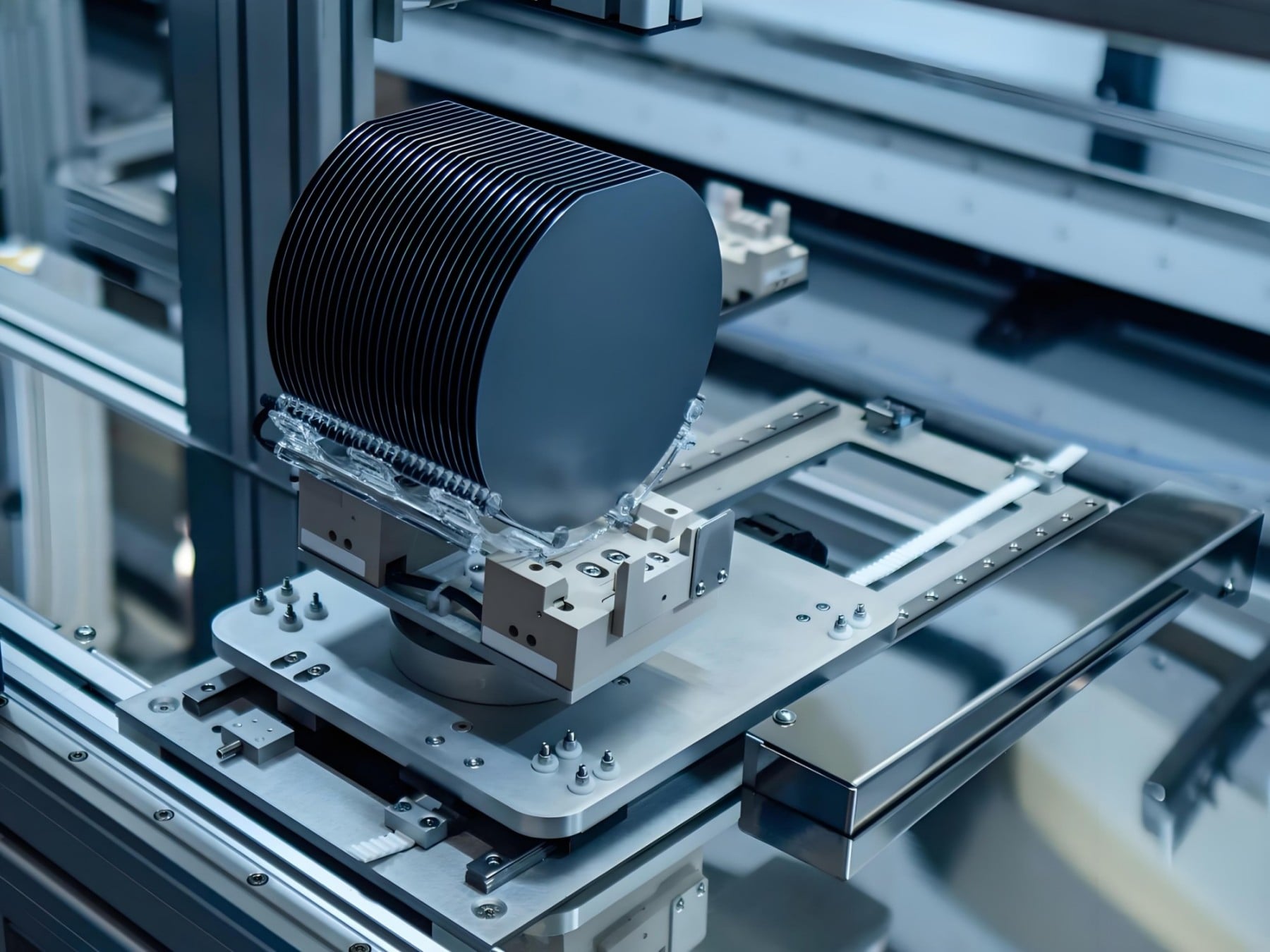 |
Semiconductor Manufacturing Equipment
Used in vacuum chambers, load locks, and transfer systems for semiconductor fabrication processes such as etching and deposition. High-performance vacuum seals help maintain stable vacuum conditions and minimize contamination. |
|
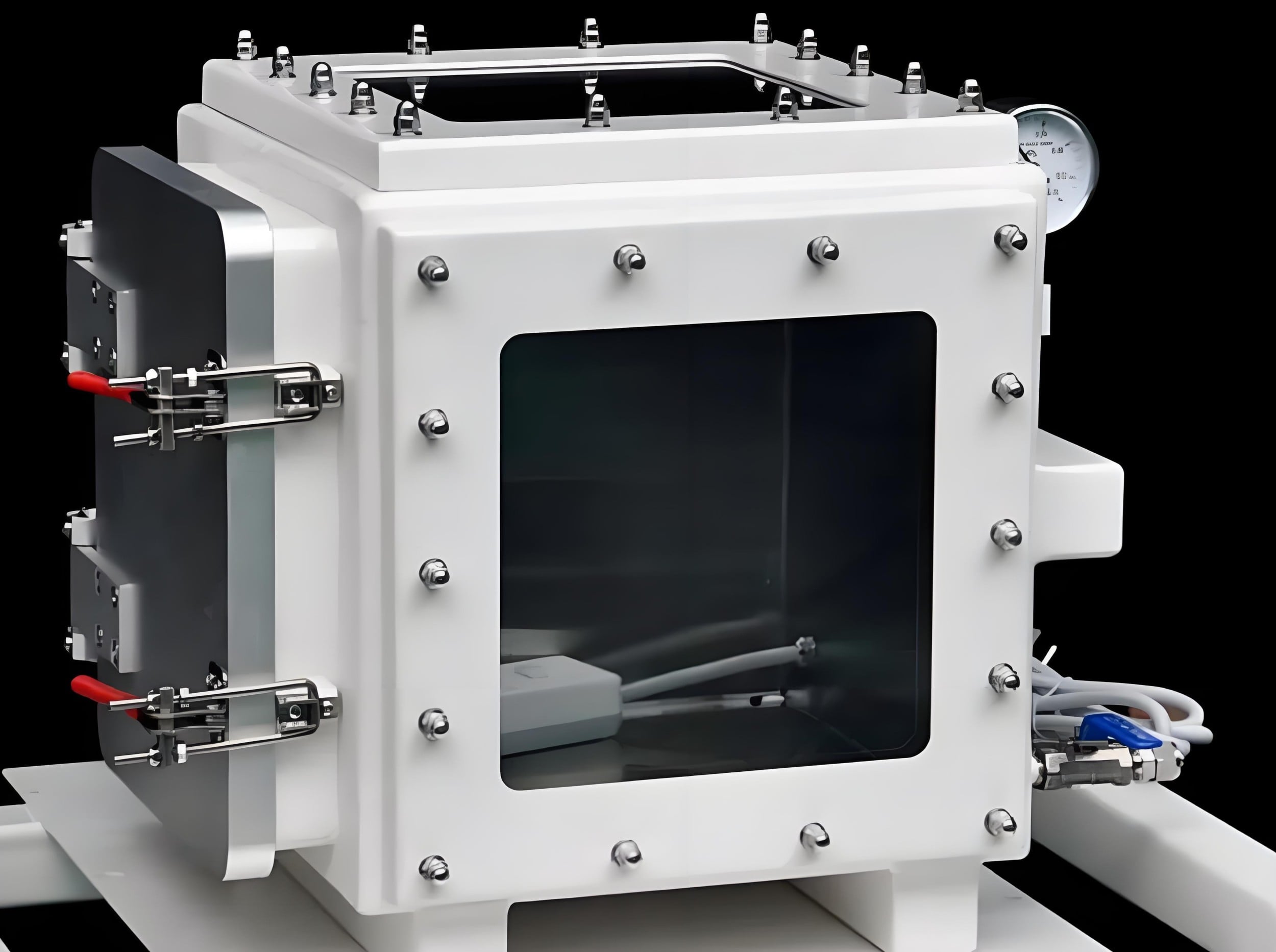
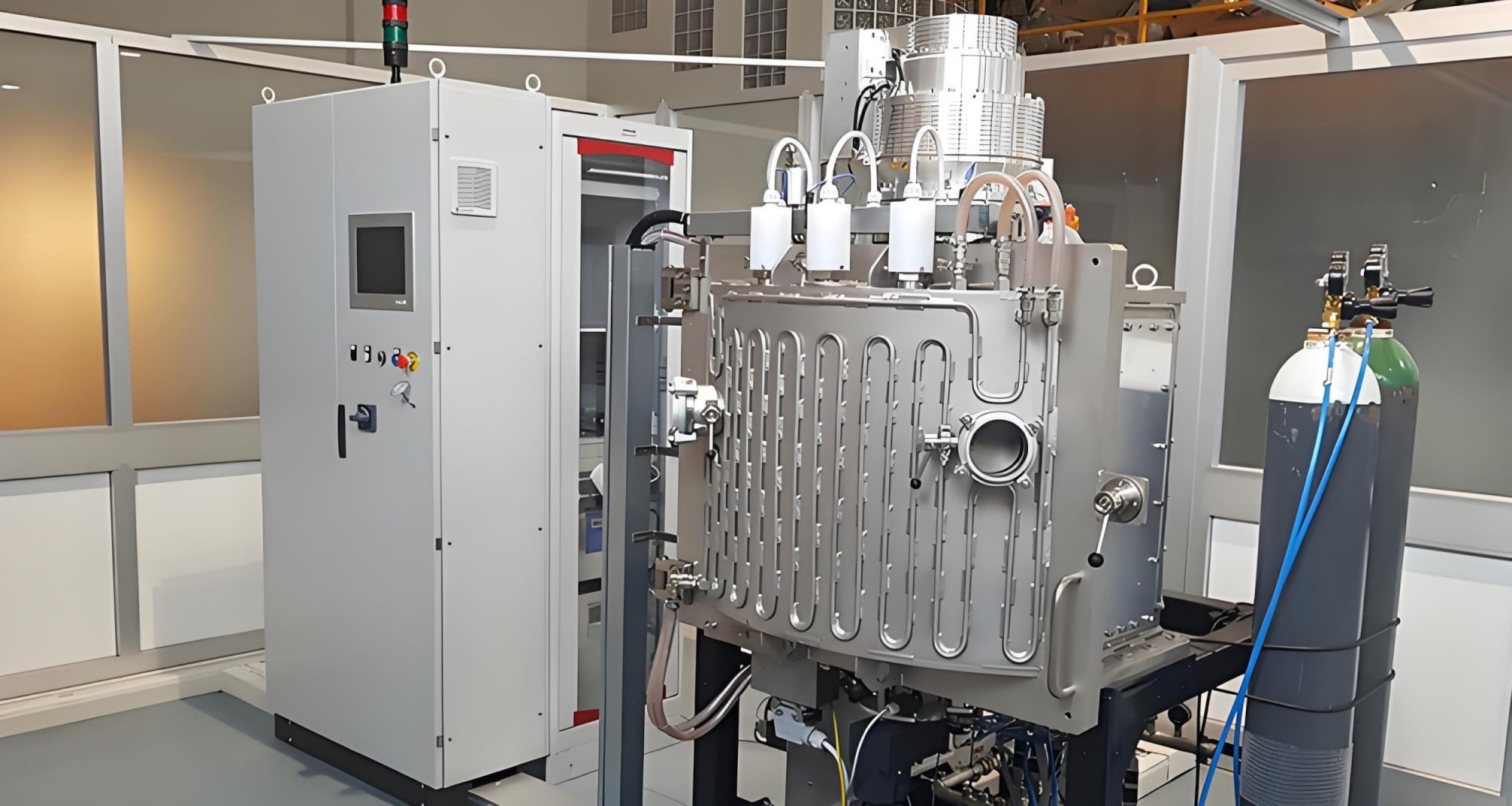
Vacuum Chambers and Analytical Instruments
Applied in laboratory equipment, testing systems, and analytical instruments where stable vacuum environments are required for accurate measurements and reliable operation. |
 |
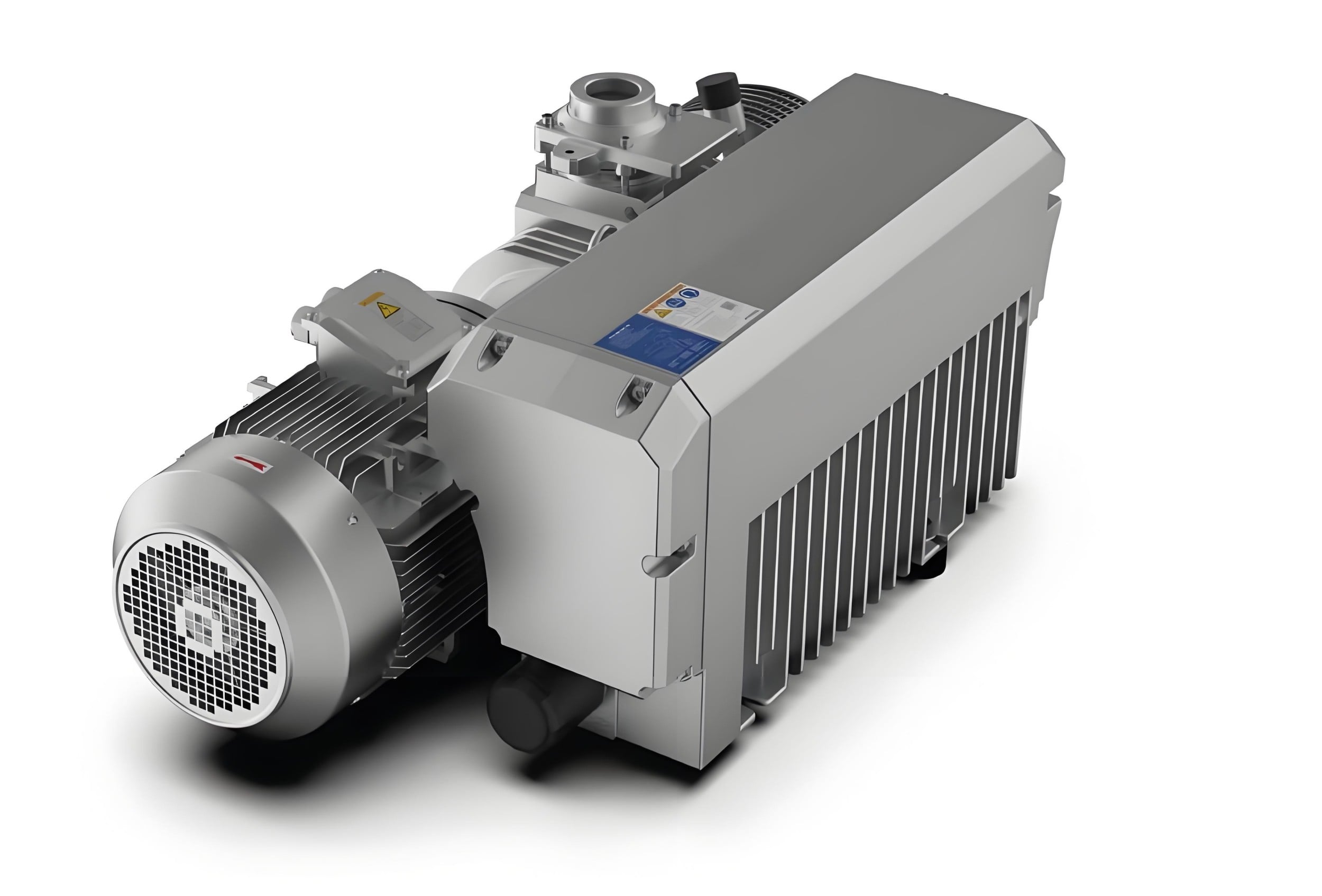 |
Vacuum Pumps and Dynamic Systems
Used in vacuum pumps and rotating systems where seals must maintain vacuum integrity under dynamic motion. Advanced seal designs help reduce friction, wear, and leakage. |
|
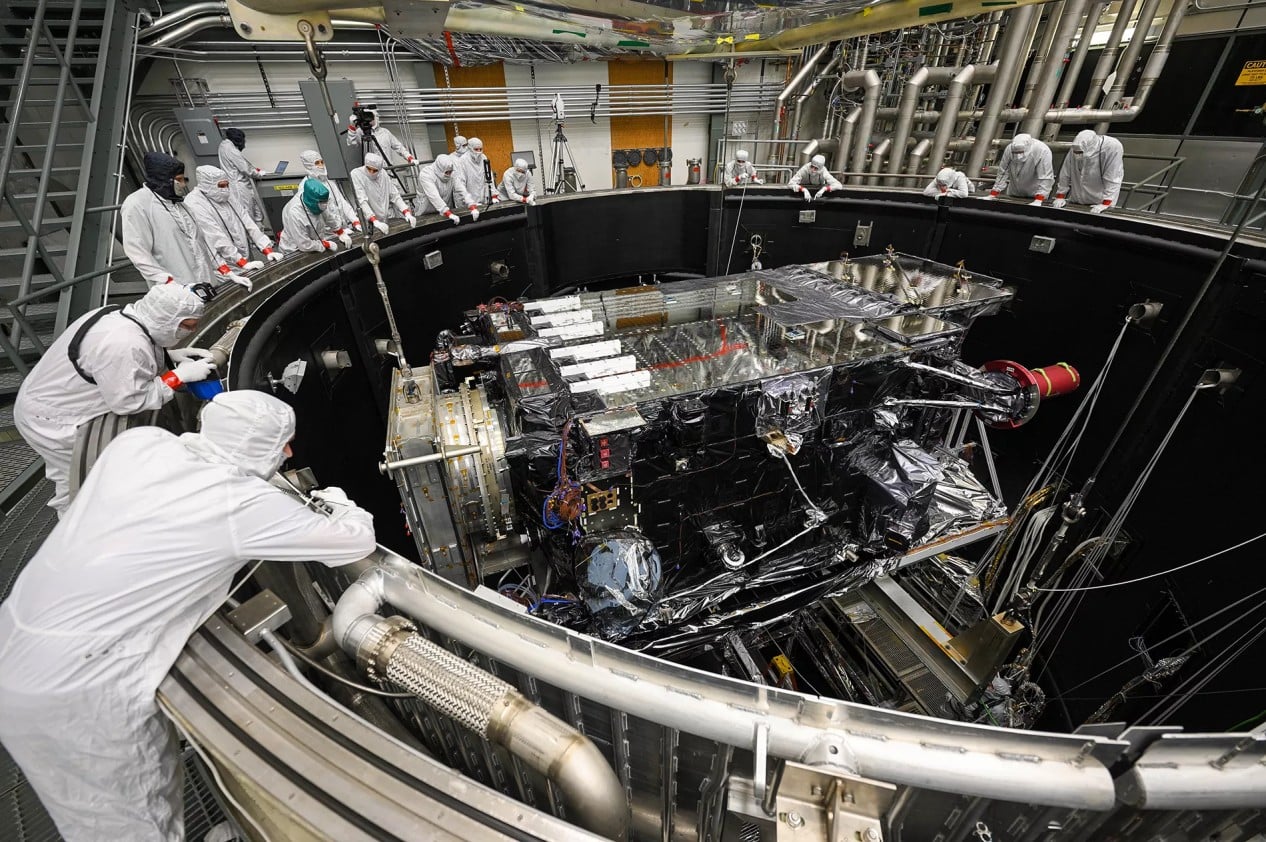
Aerospace and Space Systems
Installed in aerospace equipment operating under low-pressure or vacuum conditions. Vacuum seals provide reliable performance under temperature variation and extreme operating environments. |
 |
 |
Vacuum Coating and Surface Treatment
Used in coating chambers, valves, and transfer systems where stable vacuum conditions are essential for coating quality and process consistency. |
|
Operating Conditions and Engineering Parameters
Vacuum sealing systems must be designed based on parameters that differ significantly from pressure-based systems. |
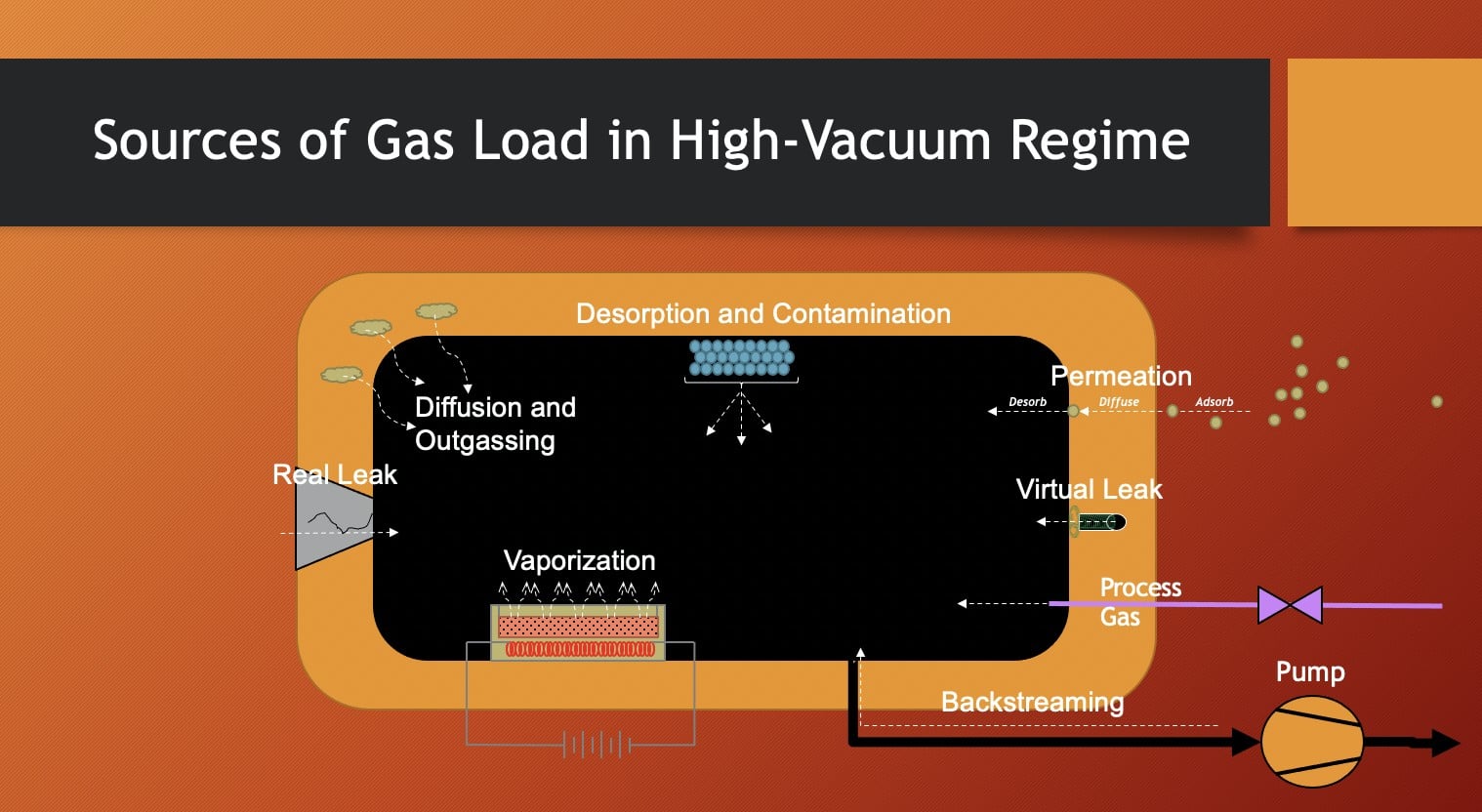 |
Key considerations include vacuum level, which may range from rough vacuum to ultra-high vacuum (UHV). As vacuum levels increase, the tolerance for leakage decreases significantly.
Outgassing is a critical factor. Materials release trapped gases over time, which can affect vacuum performance. Low-outgassing materials are essential for high vacuum applications.
Permeation is another concern. Even solid materials allow small amounts of gas to pass through over time. Seal design must minimize this effect.
Temperature conditions vary depending on the application. Thermal cycling can affect sealing performance and material stability.
Surface finish and sealing interface design are also critical. Small imperfections can lead to leakage.
Key Challenges in Vacuum Sealing
Key Features and Performance Advantages
Seal Types for Vacuum Applications
Material Selection Guide
|
Material |
Key Benefits |
Application |
|
FKM |
Chemical resistance |
General vacuum |
|
FFKM |
Ultra-low outgassing |
UHV systems |
|
PTFE |
Low friction |
Dynamic sealing |
|
Metal |
Zero leakage |
Critical systems |
Design Considerations for Vacuum Seals
Seal design must consider surface finish, contact pressure, and vacuum level. Proper design ensures minimal leakage and long-term performance.
Failure Analysis
Common failure modes include leakage, outgassing, material degradation, and surface defects.
Performance Optimization
Optimizing vacuum sealing involves selecting low-outgassing materials, improving surface finish, and refining seal geometry.
Tesel Seal works with customers to improve sealing performance in demanding vacuum applications.
How to Select the Right Vacuum Seal
Key factors include vacuum level, material compatibility, temperature, and application type.
Working with Tesel Seal ensures proper selection and optimal performance.
Why Choose Tesel Seal
Tesel Seal provides high-performance vacuum sealing solutions engineered for precision applications.
Custom Engineering Capabilities
We offer custom seal design, material selection, and testing.
Call to Action
Improve Vacuum Integrity. Reduce Leakage. Enhance Process Stability.
Work with Tesel Seal to optimize your vacuum sealing systems.
- Request a quote
- Submit drawings
- Talk to engineers
Response within 24 hours.