
 EN
EN

Low Friction Seals
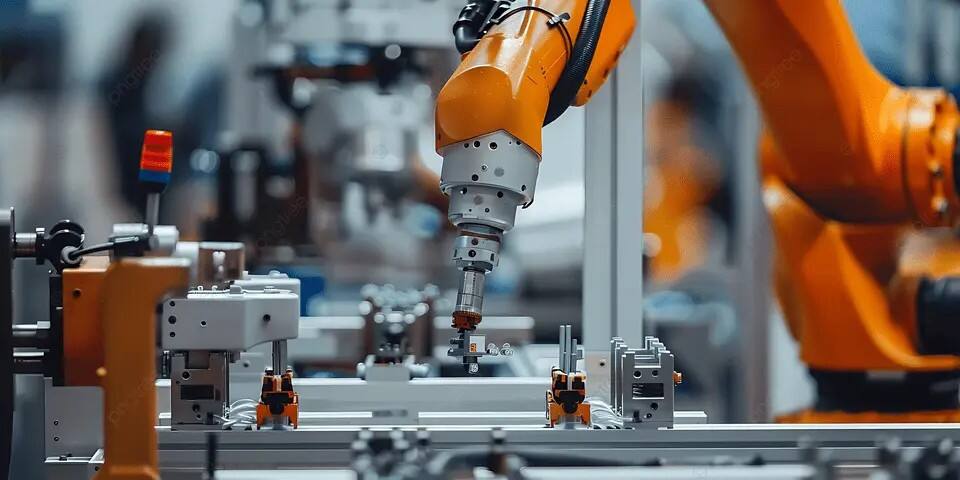
Engineered by Tesel Seal for Precision Motion, Reduced Energy Loss, and Long-Life Dynamic Applications
Overview
Low friction seals are designed for applications where motion efficiency, precision, and durability are critical. These seals are widely used in robotics, automation equipment, hydraulic systems, and precision machinery that require smooth and controlled movement.
Unlike conventional seals, low friction seals are engineered to minimize contact resistance while maintaining reliable sealing performance. Reduced friction helps improve motion stability, lower energy consumption, reduce wear, and enhance system responsiveness.
In dynamic and precision applications, excessive friction can cause stick-slip behavior, positioning errors, and reduced operating efficiency. Tesel Seal develops low friction sealing solutions optimized for smooth motion, long service life, and stable performance in high-speed and high-cycle systems.
Where Low Friction Seals Are Used
Low friction seals are used in systems where smooth motion, precise control, and energy efficiency are essential for reliable operation.
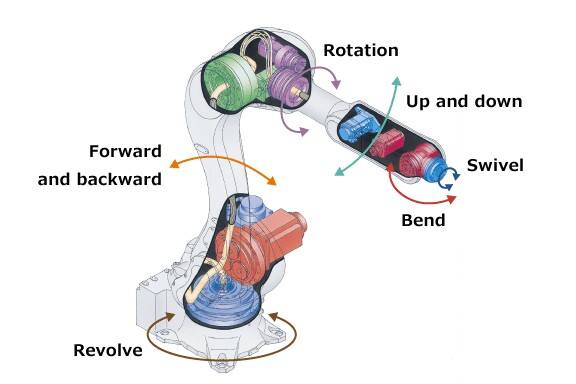 |
Robotic Systems
Used in robotic joints, actuators, and end-effectors where accurate positioning and repeatability are required. Low friction seals help reduce stick-slip behavior and improve motion precision. |
|
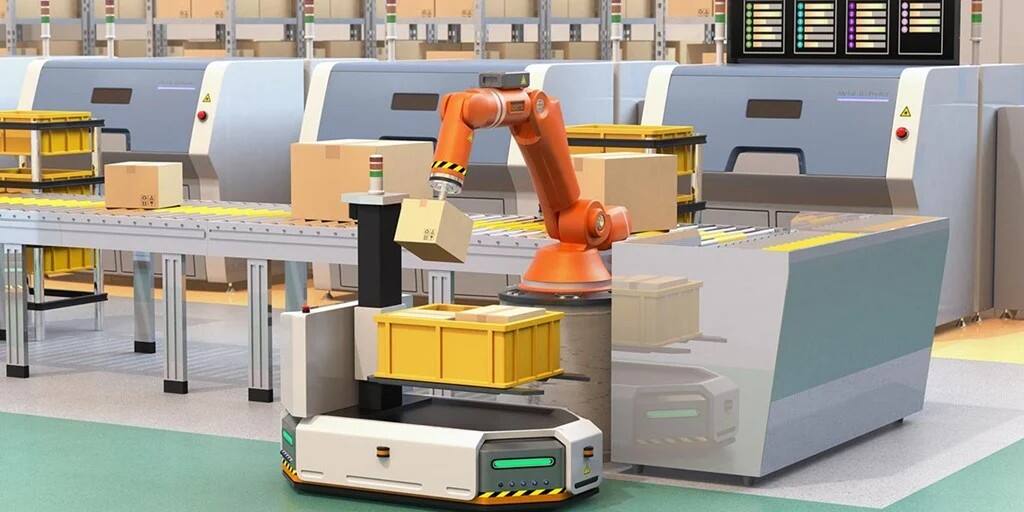
Automation Equipment
Applied in actuators, cylinders, and motion control systems operating under continuous high-speed movement. These seals reduce resistance, improve efficiency, and support long-term reliability. |
 |
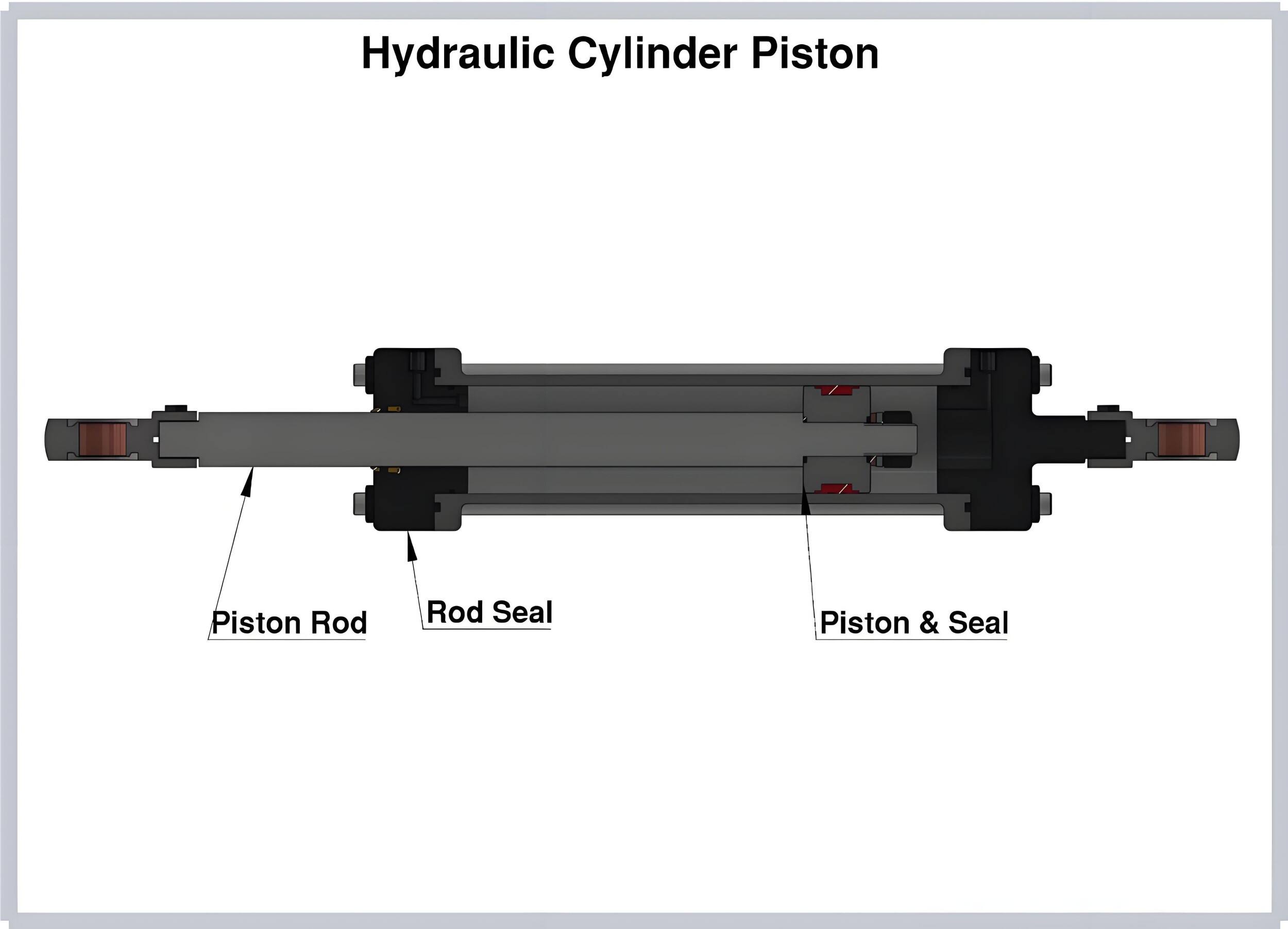 |
Hydraulic Systems
Used in hydraulic cylinders and control systems where responsive and stable motion is important. Low friction seals help reduce energy loss and improve system efficiency. |
|
Precision Machinery
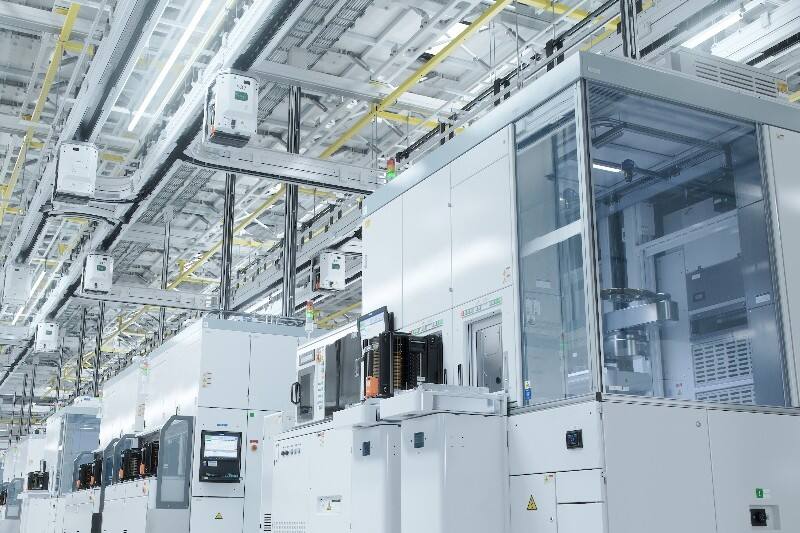
Installed in semiconductor equipment, medical devices, and other precision systems requiring smooth operation and minimal contamination. Low friction seals support accuracy, reduce wear, and maintain clean performance. |
 |
 |
Linear Motion and Actuator Systems
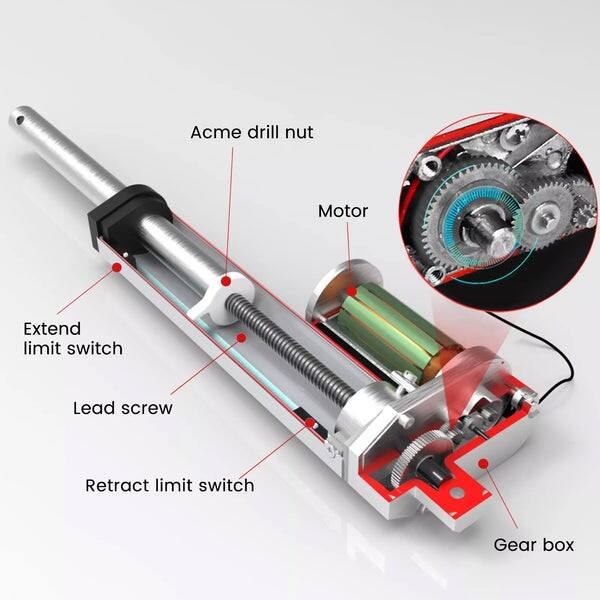
Used in linear guides, actuators, and positioning equipment where smooth and consistent movement is critical. These seals improve motion control, responsiveness, and overall system stability. |
Operating Conditions and Engineering Parameters
Low friction sealing systems must be designed based on dynamic operating conditions. These conditions differ significantly from high pressure applications and require a focus on motion behavior and material interaction.
Typical parameters include high-speed linear or rotary motion, where friction directly affects performance. Cycle frequency is often very high, with systems operating continuously over long periods. Contact pressure must be carefully controlled to maintain sealing performance without increasing friction.
Temperature conditions vary depending on the application. In precision systems, localized heat generation from friction must be considered. Materials must maintain stability and low friction properties across temperature variations.
Lubrication conditions also play an important role. Many applications operate with minimal lubrication, requiring materials that provide low friction even in dry or semi-dry conditions.
These parameters require sealing solutions that optimize friction, wear resistance, and stability.
Key Challenges in Low Friction Sealing
Key Features and Performance Advantages
Seal Types for Low Friction Applications
Material Selection Guide
Material selection is critical for low friction performance.
|
Material |
Key Benefits |
Application |
|
PTFE |
Ultra-low friction, chemical stability |
Precision systems |
|
PEEK |
High strength, wear resistance |
Structural components |
|
TPU |
Flexibility and durability |
Dynamic sealing |
|
FKM |
Temperature and chemical resistance |
General applications |
Selecting the correct material ensures optimal performance and longevity.
Design Considerations for Low Friction Seals
Seal design must focus on reducing contact area while maintaining sealing effectiveness.
Key considerations include surface finish, seal geometry, and material behavior. Smooth surfaces reduce friction and wear. Optimized geometries ensure proper sealing force. Material selection affects friction, wear, and thermal behavior.
Proper design ensures stable performance and long service life.
Failure Analysis
Common failure modes include friction-induced instability, wear-related degradation, particle generation, and thermal effects.
Understanding these mechanisms helps improve sealing performance and system design.
Performance Optimization
Optimizing low friction sealing systems involves reducing friction, improving wear resistance, and maintaining sealing effectiveness.
Tesel Seal works closely with customers to optimize sealing performance based on application requirements.
How to Select the Right Low Friction Seal
Selecting the correct seal requires evaluating motion type, speed, precision requirements, environmental conditions, and service life expectations.
Applications requiring high precision benefit from PTFE-based solutions. High-speed systems require optimized geometry. Clean environments require low particle generation.
Working with Tesel Seal ensures optimal selection and performance.
Why Choose Tesel Seal
Tesel Seal specializes in high-performance sealing solutions for precision and dynamic applications. Our expertise in low friction sealing enables us to deliver solutions that improve efficiency, reduce wear, and enhance system performance.
Custom Engineering Capabilities
Tesel Seal provides custom sealing solutions tailored to specific application requirements, including design optimization, material selection, and performance testing.
Call to Action
Improve Precision. Reduce Friction. Extend System Life.
Work with Tesel Seal to optimize your sealing solutions.
- Request a quote
- Submit your drawings
- Talk directly with Tesel Seal engineers
Response within 24 hours.