
 EN
EN

Oil & Gas / LNG Sealing Solutions
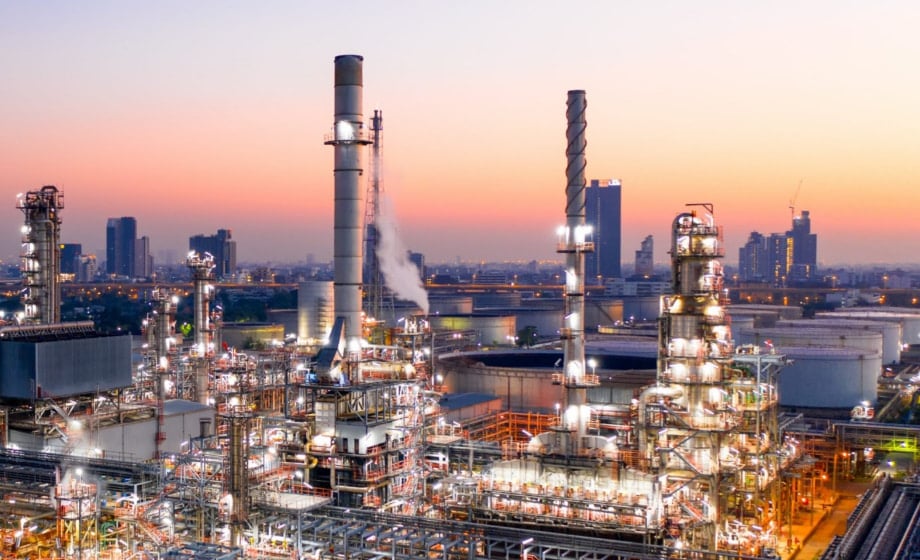
High-Integrity Sealing Systems for Extreme Pressure, Cryogenic Conditions, and Corrosive Media
Overview
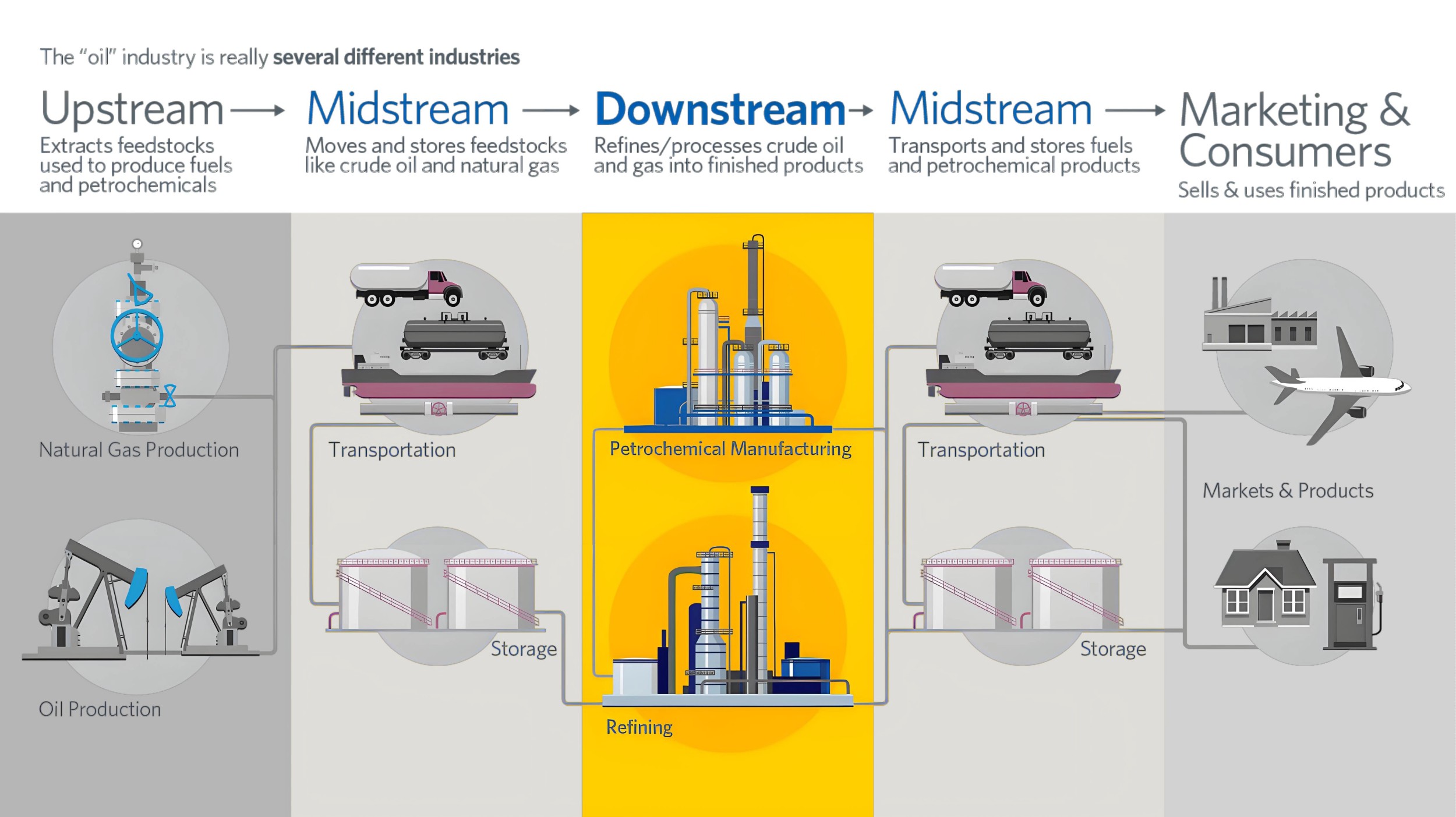 |
Oil and gas operations are among the most demanding environments for sealing systems, involving extreme pressures, aggressive chemicals, wide temperature ranges, and long continuous operating cycles. |
Across upstream, midstream, and downstream applications, seals are essential for maintaining system integrity in drilling equipment, wellheads, pipelines, compressors, and refining systems. LNG applications add further complexity due to cryogenic temperatures that can significantly affect material performance.
Failure of sealing systems can lead to leakage, safety hazards, environmental impact, and costly downtime. Tesel Seal develops high-integrity sealing solutions engineered for reliability, safety, and long-term performance in critical oil & gas and LNG environments.
Operating Conditions and Engineering Parameters
High Pressure Conditions
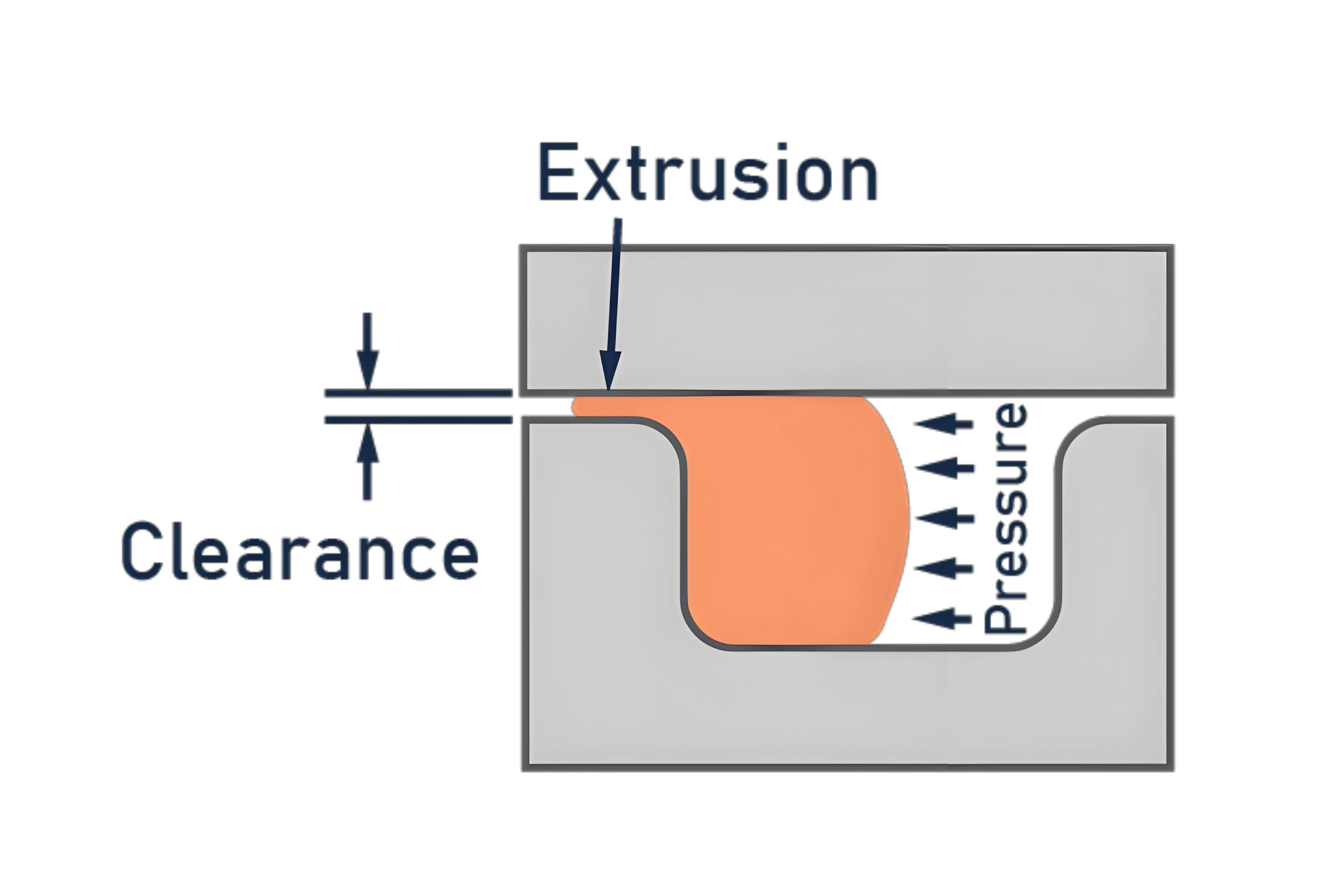
Oil and gas systems often operate above 70 MPa with frequent pressure fluctuations. Seals must resist extrusion, deformation, and fatigue under both steady and dynamic loads.
Extreme Temperature Range
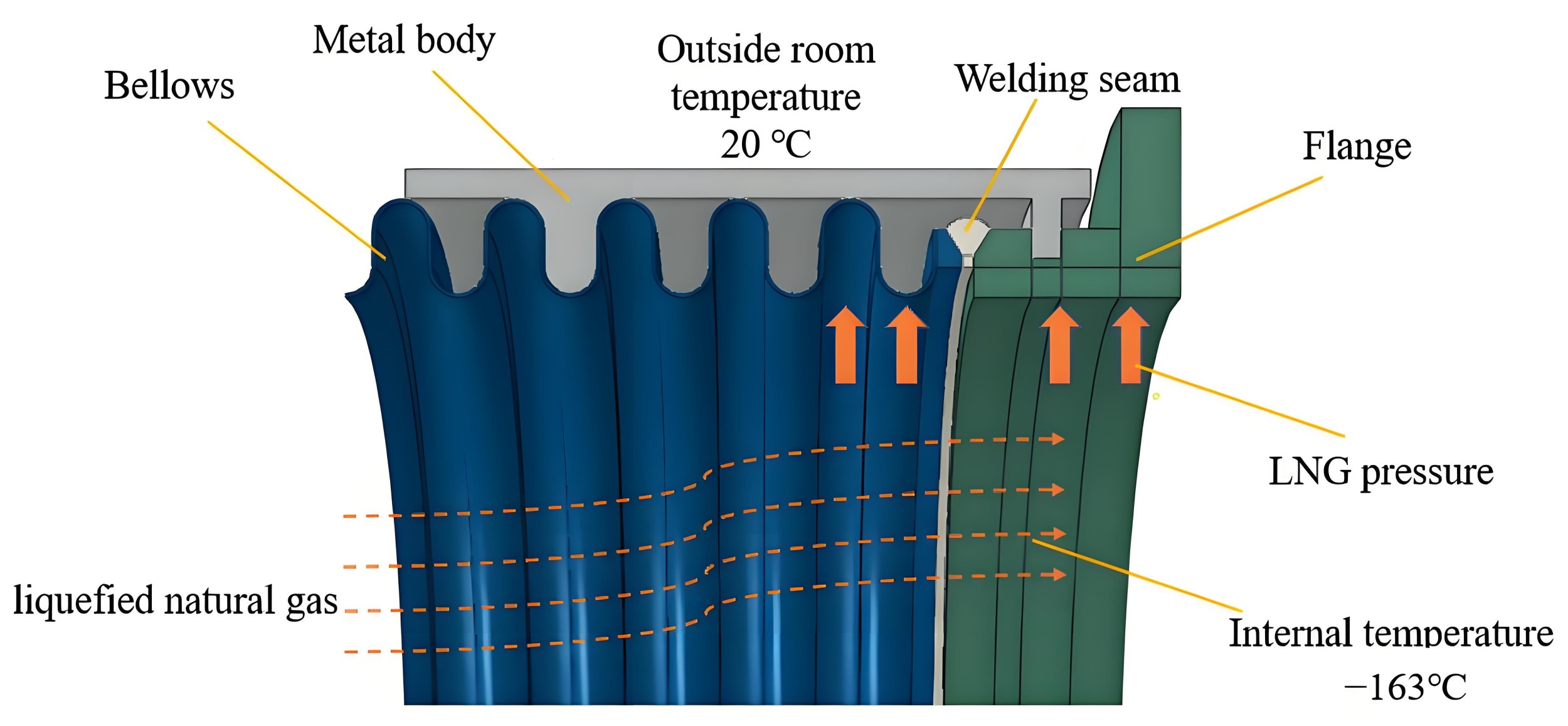
Applications span from cryogenic LNG conditions (down to -196°C) to high-temperature refining environments above +250°C. Materials must remain stable across this wide range.
Chemical Exposure
Seals are exposed to hydrocarbons, H₂S, CO₂, water, and chemical additives. Resistance to swelling, degradation, and chemical attack is essential.
Mechanical Stress
Vibration, thermal cycling, and continuous operation place long-term stress on sealing systems, requiring high durability and fatigue resistance.
Key Challenges in Oil & Gas and LNG Sealing
High Pressure and Cycling
Pressure fluctuations can cause extrusion and edge damage. Anti-extrusion designs are critical for reliability.
Cryogenic Conditions
At ultra-low temperatures, materials may become brittle and lose elasticity, increasing leakage risk due to thermal contraction.
Chemical and Corrosion Resistance
Exposure to sour gas and hydrocarbons can degrade materials over time, requiring careful material selection.
Gas Leakage and Permeation
Gas sealing requires minimizing permeation and maintaining tight sealing under varying conditions.
Thermal Cycling and Fatigue
Repeated temperature and pressure changes can lead to long-term material fatigue and performance loss.
Key Features and Performance Advantages
High Pressure Resistance
Cryogenic Compatibility
Chemical Resistance
Gas-Tight Sealing Performance
Wide Temperature Range
Long Service Life
Sealing Technologies
At Tesel Seal, we offer a comprehensive range of sealing technologies for oil & gas and LNG applications:
PTFE Seals
Elastomer Seals
Metal Seals
Cryogenic Seals
Composite Seals
Material Selection Strategy
Material selection must consider pressure, temperature, chemical exposure, and service life requirements.
|
Material |
Key Benefits |
Application |
|
PTFE |
Chemical resistance, low friction |
Valves, pipelines |
|
HNBR |
Oil resistance, mechanical strength |
Oilfield systems |
|
FKM |
High temperature resistance |
Processing equipment |
|
Metal |
Structural strength, zero leakage |
Critical sealing |
Selecting the correct material significantly improves reliability and reduces maintenance costs.
Applications
Upstream |
Drilling equipment, wellhead systems, and blowout preventers operating under extreme pressure and harsh environments.
|
Midstream |
Pipelines and compressors requiring leak-free performance over long distances.
|
Downstream |
Refineries and processing plants exposed to high temperatures and aggressive chemicals.
|
LNG Systems |
Cryogenic storage, pumps, and valves requiring reliable sealing at extremely low temperatures. |
Failure Analysis
|
Typical failure mechanisms include:
Understanding these mechanisms enables improved sealing design and performance optimization. |
 |
Performance Optimization
Optimizing sealing performance involves material selection, seal geometry design, and system integration.
A well-designed sealing system reduces leakage, improves efficiency, and extends service life.
Buyer Guide
Key factors to consider when selecting sealing solutions:
- Pressure level and system design
- Operating temperature range
- Media type and chemical exposure
- LNG or cryogenic requirements
Working with experienced engineers at Tesel Seal ensures proper selection and reliable performance.
Why Choose Tesel Seal
- Expertise in high-performance sealing systems for oil & gas and LNG
- Compliance with industry standards such as API
- Custom-engineered solutions for critical applications
- High-quality materials and precision manufacturing
- Engineering support from design to production
Custom Engineering Capabilities
At Tesel Seal, we work closely with OEMs, EPC contractors, and system designers to develop tailored sealing solutions:
- Material selection for extreme environments
- Seal design optimization
- Custom profiles and configurations
- Testing and validation support
Our goal is to ensure safe, reliable, and efficient system operation.
FAQ
What makes oil and gas sealing solutions unique?
They must withstand extreme pressure, temperature, and chemical exposure while ensuring safety and reliability.
Which materials are best for LNG applications?
PTFE and specialized elastomers are commonly used due to their performance at cryogenic temperatures.
How do sealing solutions improve safety?
By preventing leakage and maintaining system integrity under demanding conditions.
Do you provide custom solutions?
Yes. We offer application-specific sealing solutions tailored to your requirements.
Call to Action
Improve Safety. Ensure Reliability. Optimize Performance.Your oil and gas systems require sealing solutions you can trust.
Response within 24 hours |
 |