
 EN
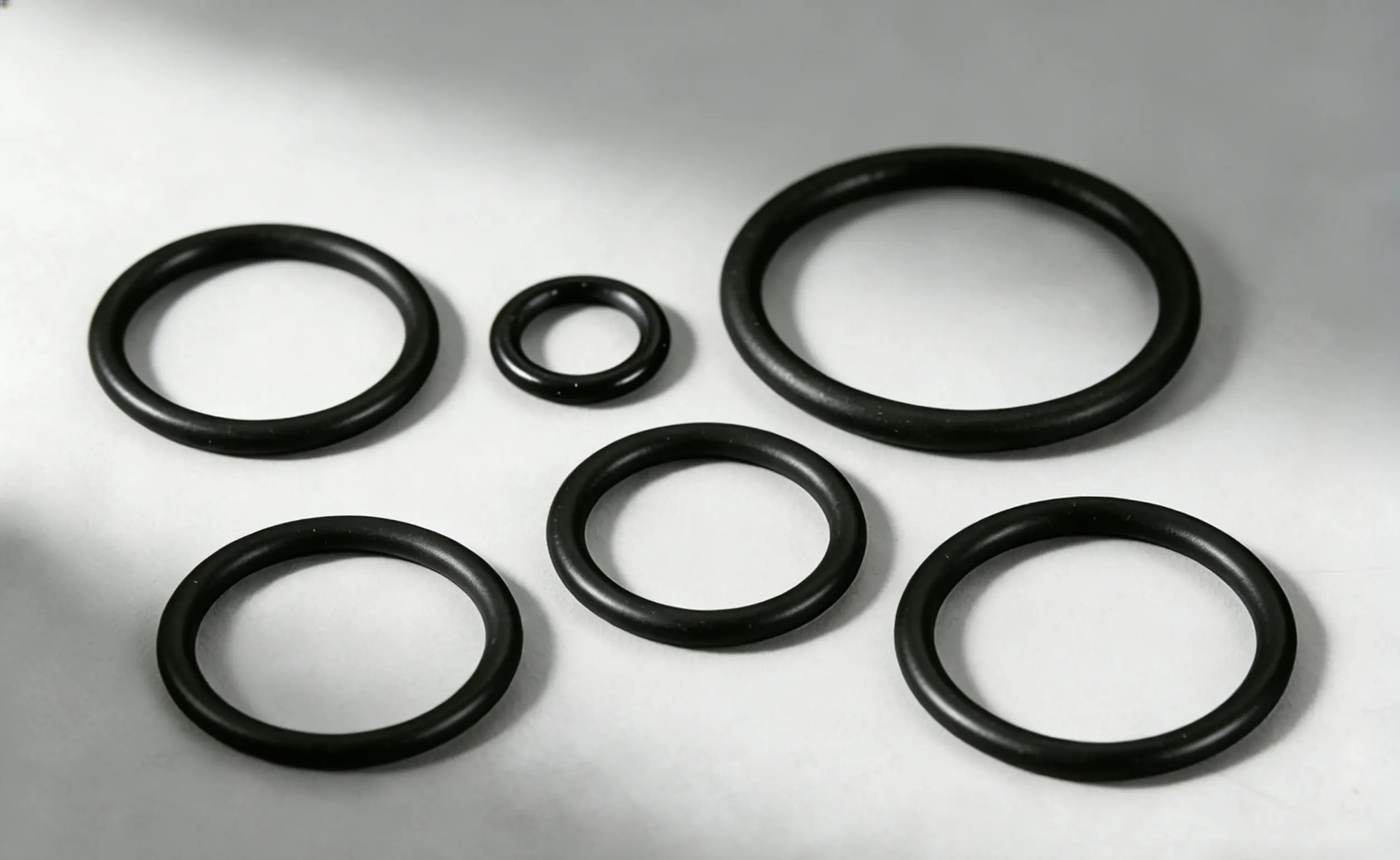
A high performance seal represents one of the most critical components in modern industrial engineering, directly impacting equipment reliability, operational efficiency, and long-term cost management. When engineers specify a high performance seal for their applications, they are investing in a solution that must withstand extreme pressures, temperature fluctuations, chemical exposure, and mechanical stress without failure. The quality of a high performance seal determines whether machinery operates smoothly or encounters costly downtime, making proper design and material selection essential for industrial success.
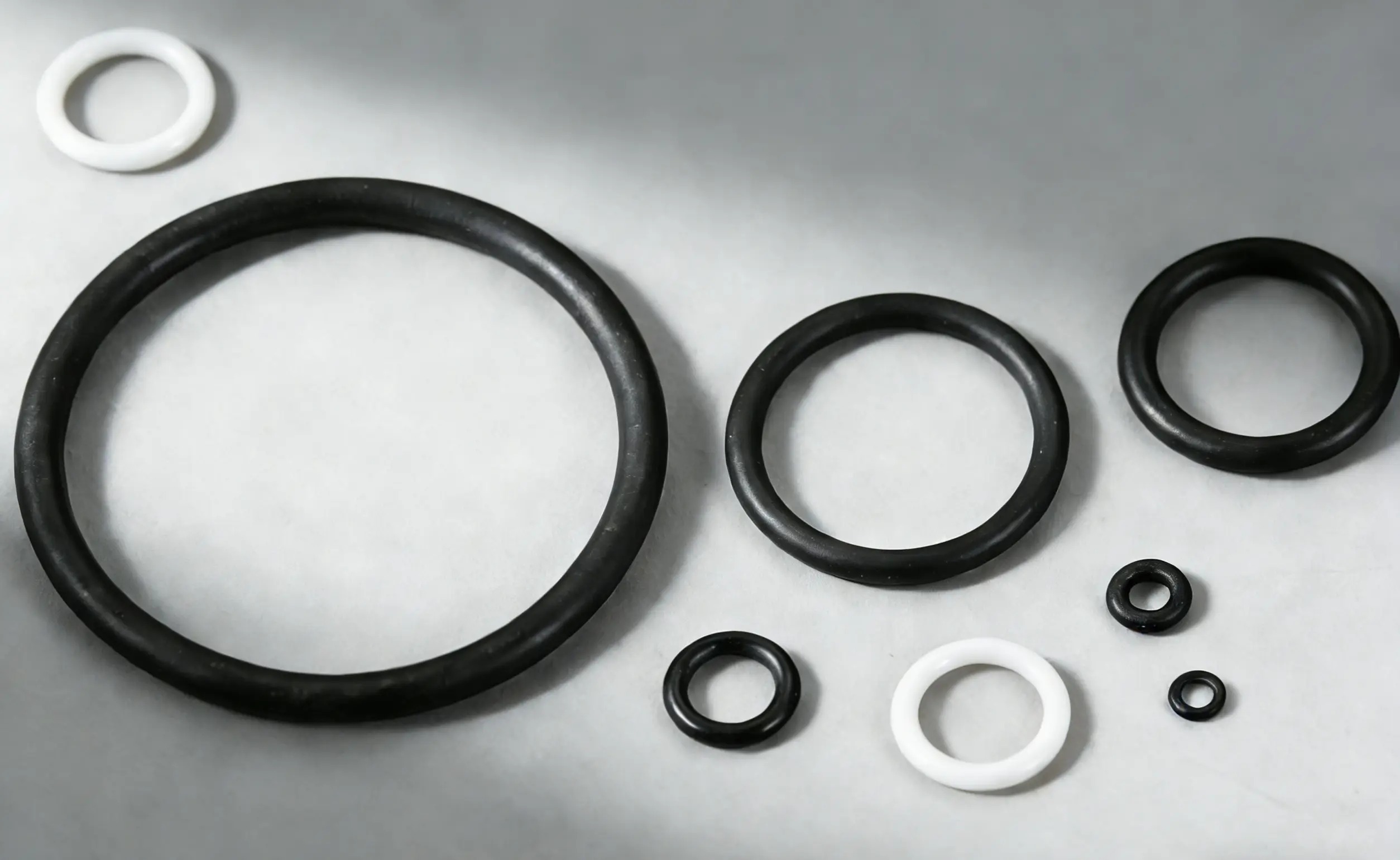
Custom molded rubber seals engineered as a high performance seal solution offer tailored engineering that standard off-the-shelf components cannot match. Each high performance seal must be precisely designed to fit specific equipment geometries, pressure ratings, temperature ranges, and fluid compatibility requirements. This article explores the essential principles of high performance seal design, the critical material considerations, manufacturing processes, and real-world applications that guide industrial engineers toward reliable sealing solutions.
Understanding High Performance Seal Fundamentals
Core Function and Design Principles
A high performance seal functions by creating a barrier between two surfaces or spaces, preventing unwanted leakage of fluids or gases while maintaining operational efficiency. The fundamental design of a high performance seal must balance flexibility with rigidity, compression resistance with recovery capability, and chemical resistance with temperature stability. Engineers designing a high performance seal consider sealing pressure, dynamic versus static applications, rotational speed, and environmental exposure. These parameters determine whether a high performance seal will perform reliably for five years or fail within weeks.
Pressure and Temperature Ratings
Industrial applications demand that a high performance seal withstand extreme conditions beyond what conventional seals can tolerate. A well-engineered high performance seal must maintain sealing integrity under pressures exceeding 3000 psi in many hydraulic and pneumatic systems, while simultaneously resisting temperature ranges from minus 40 degrees Fahrenheit to plus 400 degrees Fahrenheit. The material composition of a high performance seal directly determines these capability limits. Elastomer selection becomes critical when a high performance seal must function in environments where standard rubber would degrade, harden, or lose compression set properties.
Material Selection for High Performance Seal Applications
Elastomer Compounds and Polymer Science
Selecting the correct elastomer for a high performance seal requires deep understanding of polymer chemistry and material behavior under stress. A high performance seal manufacturer must evaluate fluorocarbon compounds, nitrile rubber, silicone elastomers, and specialized PTFE-based materials, each offering distinct advantages for specific industrial environments. When a high performance seal will contact aggressive chemicals like phosphate esters, petroleum products, or process fluids, the elastomer choice determines whether the seal remains stable or swells and fails. Testing protocols validate that a high performance seal maintains resilience and sealing effectiveness throughout its designed operational lifespan.
Compression Set and Resilience
Compression set represents a critical performance metric for any high performance seal, measuring how much an elastomer permanently deforms after prolonged compression. A high performance seal with poor compression set characteristics will lose its sealing force over time, allowing gradual leakage that compromises system performance. Industrial engineers specify that a high performance seal must maintain 75 percent or greater resilience after 70 hours of compression testing at elevated temperatures. This requirement ensures that a high performance seal continues sealing effectively even after months of continuous operation in demanding machinery.
Design Considerations and Manufacturing Processes
Custom Geometry and Precision Engineering
Custom molded manufacturing enables engineers to design a high performance seal with exact dimensional specifications, groove geometries, and surface finishes required by specific equipment. A high performance seal produced through custom molding offers superior performance compared to generic seals, as the geometry precisely matches equipment requirements without gaps or misalignment. Tolerance control during manufacturing of a high performance seal affects how consistently the seal performs across production batches. Advanced molding techniques ensure that a high performance seal maintains its designed cross-section, durometer hardness, and surface characteristics that determine sealing effectiveness and longevity.
Manufacturing Quality and Testing Standards
Industrial applications require that manufacturers producing a high performance seal implement rigorous quality control procedures throughout the production cycle. Every high performance seal undergoes pressure testing, dimensional verification, and material property validation before leaving manufacturing facilities. Independent testing laboratories confirm that a high performance seal meets international standards such as ISO 6072 for elastomer seals or industry-specific requirements for aerospace, oil and gas, and pharmaceutical applications. Quality certification for a high performance seal provides engineers with documented assurance that the component will perform as specified in demanding industrial environments.
Real-World Applications of High Performance Seals
Hydraulic and Pneumatic Systems
Hydraulic machinery represents one of the most demanding environments where a high performance seal must function reliably under constant pressure cycling and temperature variations. Construction equipment, industrial presses, and marine systems depend on a high performance seal that withstands pressures exceeding 2500 psi while maintaining consistent sealing force. When a high performance seal fails in hydraulic applications, the consequences include equipment downtime, fluid leakage, environmental contamination, and expensive repairs. Pneumatic systems similarly require a high performance seal that withstands rapid pressure cycles while maintaining air-tight sealing across thousands of operating hours.
Chemical Processing and Extreme Environments
Process equipment in chemical manufacturing, pharmaceutical production, and refinery operations demands that a high performance seal resist aggressive solvents, corrosive chemicals, and extreme temperatures simultaneously. A high performance seal in these applications must prevent product contamination while maintaining reliability for months between maintenance intervals. Specialized high performance seal materials including PTFE compounds and advanced fluoroelastomers enable equipment to operate safely in environments where standard elastomer seals would fail within days. These sealing solutions represent critical investments in operational safety, environmental compliance, and production continuity.
Aerospace and Mission-Critical Applications
Aerospace engineering demands that a high performance seal meet the most stringent reliability standards, as seal failure could compromise flight safety and mission success. Aircraft hydraulic systems, fuel systems, and pressurized compartments require a high performance seal with zero-defect manufacturing standards and comprehensive documentation. A high performance seal in aerospace must function across extreme altitude-related temperature swings, maintain sealing integrity under pressure cycling, and resist synthetic aviation fluids. Manufacturers supplying a high performance seal to aerospace customers implement quality processes that far exceed standard industrial requirements, ensuring that every seal meets specifications consistently.
FAQ
What material properties define whether a seal qualifies as a high performance seal?
A high performance seal must demonstrate superior compression set retention, typically maintaining 75 percent or greater resilience after testing. The elastomer must resist temperature extremes from minus 40 to plus 400 degrees Fahrenheit, withstand pressures exceeding 2500 psi, and remain chemically stable in the intended fluid environment. Advanced materials like PTFE-filled compounds and specialized fluoroelastomers are commonly used to achieve these demanding properties. A high performance seal also requires low friction characteristics, rapid recovery after deformation, and long-term stability without hardening or degradation.
How does custom molding improve high performance seal reliability compared to standard seals?
Custom molding enables engineers to design a high performance seal with exact geometry matching specific equipment grooves, pressure ratings, and environmental conditions. A high performance seal manufactured to custom specifications eliminates the misalignment and performance variability inherent in using generic seals on specialized equipment. Precision molding processes ensure consistent durometer hardness, surface finish, and cross-sectional geometry that standard manufacturing cannot achieve. A high performance seal produced through custom molding typically outlasts generic alternatives by 300 to 500 percent, translating to reduced maintenance costs and improved equipment reliability over extended operational periods.
Which industries rely most heavily on high performance seal solutions?
Aerospace, oil and gas production, pharmaceutical manufacturing, chemical processing, and heavy equipment industries depend critically on high performance seal performance for safety and operational continuity. Hydraulic equipment used in construction, mining, and marine applications requires high performance seal solutions that withstand continuous pressure cycling and extreme environmental exposure. Medical device manufacturers and semiconductor equipment producers also require high performance seals that maintain purity standards and prevent contamination. Any industry operating equipment under extreme pressure, temperature, or chemical exposure benefits from investing in properly engineered high performance seal solutions rather than accepting the reliability risks associated with standard seals.