 EN
EN

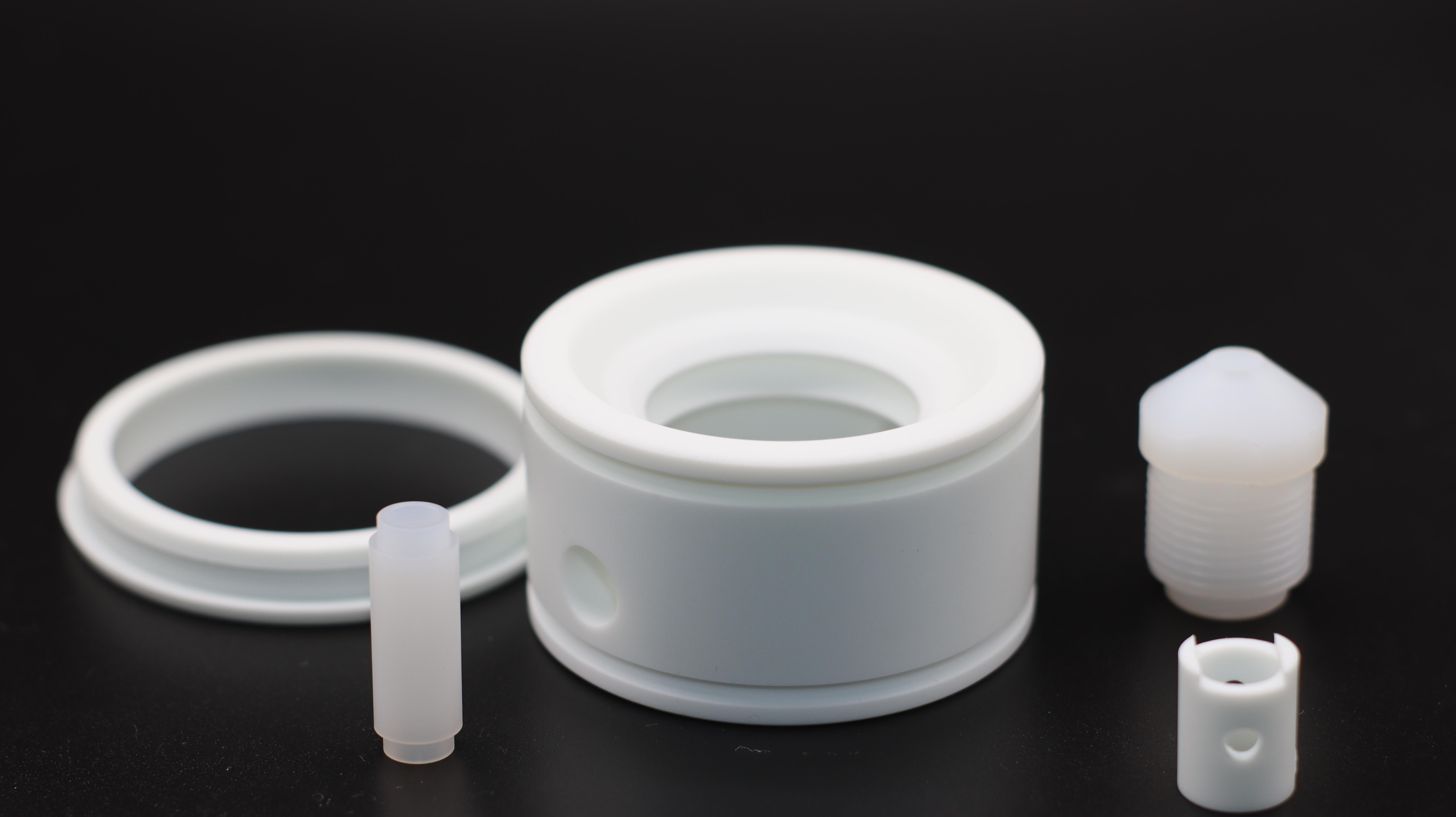
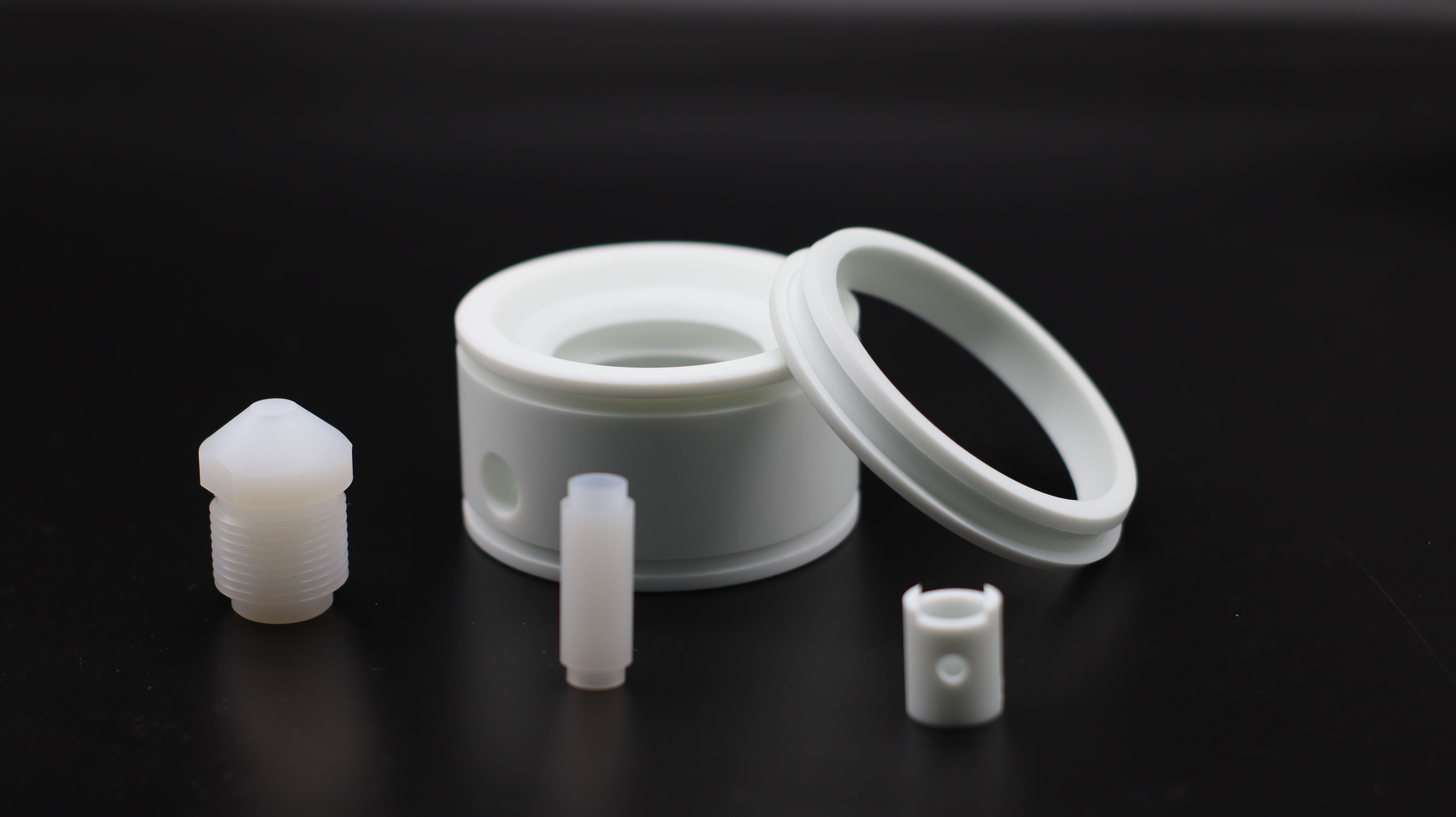
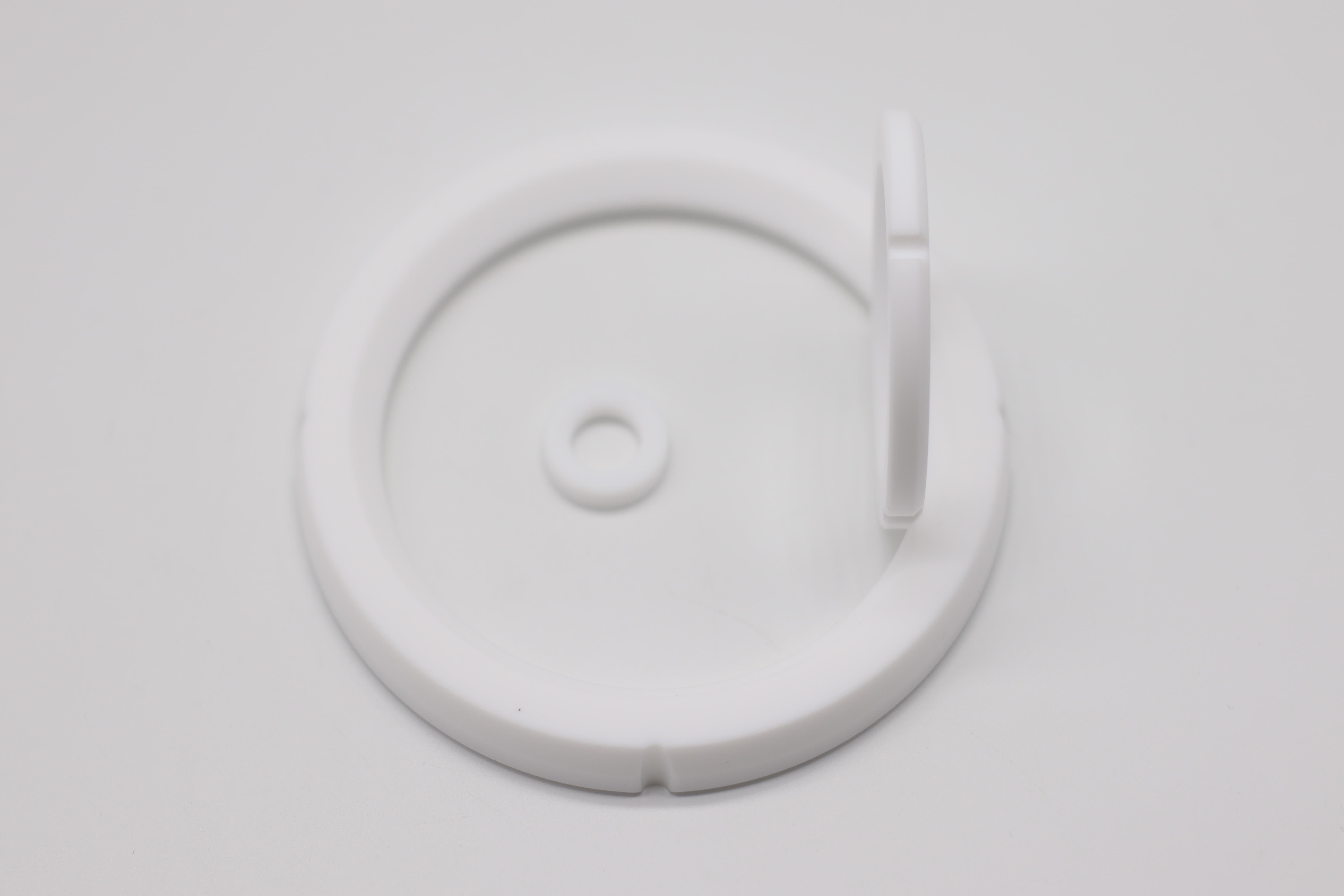
High-Performance PTFE Custom Parts
Precision Engineered Components for Sealing, Wear Resistance, and Chemical Compatibility
- Overview
- Recommended Products
Commercial Terms of Products:
Minimum Order Quantity |
NO MOQ |
Packaging Details |
Per bag In Cartons |
Delivery Time |
15 Days (Rush Manufacturing Available) |
Payment Terms |
Flexible Payment Terms Available Based on Project Requirements |
Overview
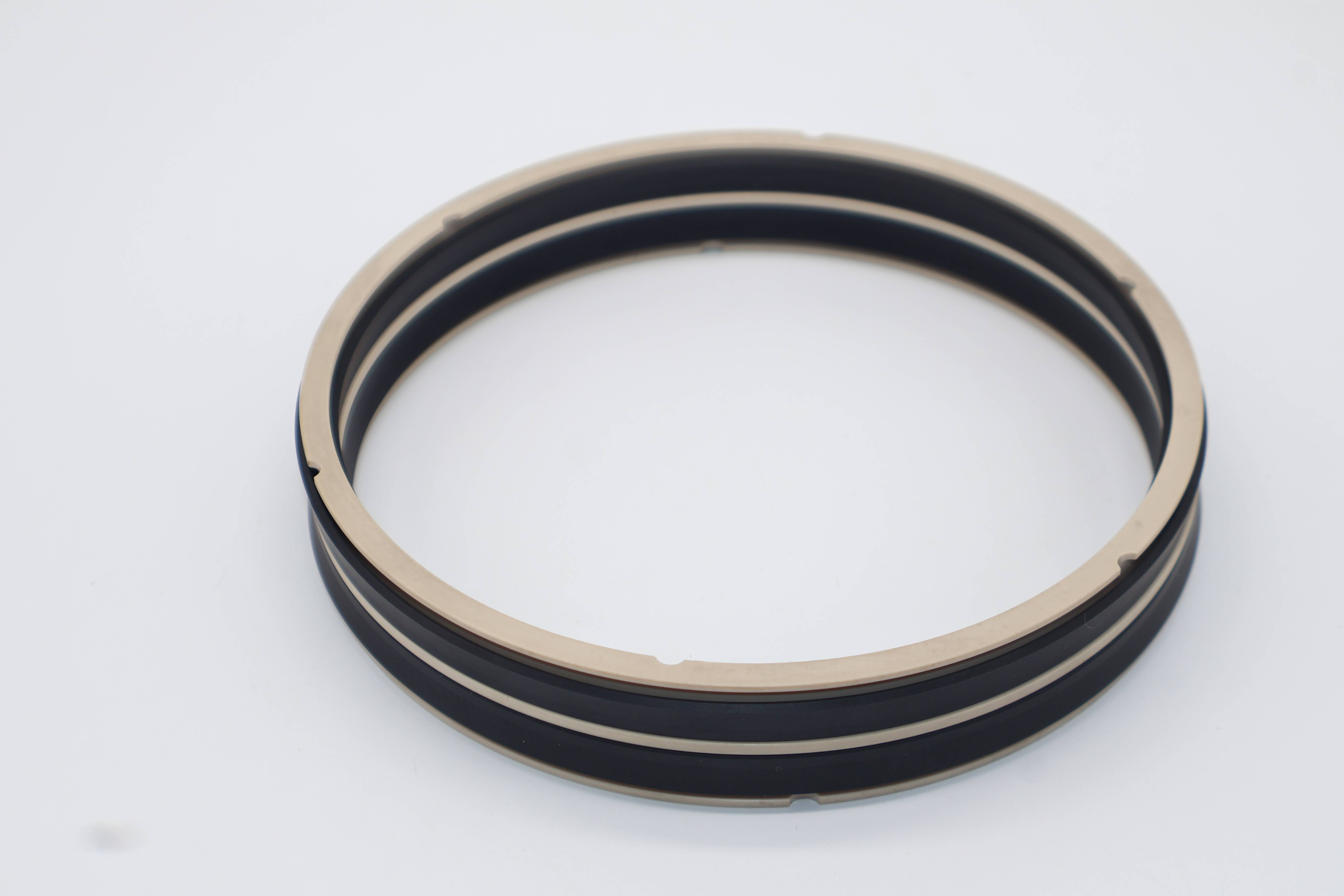
Tesel Seal designs and manufactures high-performance PTFE custom parts for demanding industrial applications requiring sealing, wear resistance, and structural performance. These precision components deliver reliable operation in high temperature, aggressive media, and dynamic conditions.
Leveraging advanced PTFE materials and precision machining capabilities, Tesel Seal provides fully customized solutions tailored to your application requirements.
Widely used in oil and gas, chemical processing, semiconductor, and precision equipment, these components ensure long-term reliability where standard parts are not sufficient.
Technical Specifications
Parameter |
Value |
Temperature Range |
-200°C to +260°C (depending on material formulation) |
Pressure Capability |
Application-dependent |
Material Options |
Virgin PTFE, filled PTFE, PEEK, high-performance polymers |
Filler Types |
Glass fiber, carbon, bronze, graphite |
Tolerance |
Precision machining to tight tolerances |
Surface Finish |
Low-friction, smooth surface |
Application Type |
Static, dynamic, rotary, reciprocating |
Chemical Resistance |
Excellent resistance to acids, solvents, hydrocarbons |
Key Features and Performance Advantages
• Exceptional Chemical Resistance – PTFE materials resist a wide range of aggressive media, including acids, solvents, hydrocarbons, H2S, and CO2, ensuring long-term stability.
• Wide Temperature Capability – Reliable performance across a broad temperature range, suitable for both cryogenic and high-temperature applications.
• Ultra-Low Friction – PTFE provides one of the lowest friction coefficients among engineering materials, reducing wear and improving system efficiency.
• Precision Machining – Tight tolerances and complex geometries can be achieved to meet specific design and installation requirements.
• Custom Material Options – Available in virgin PTFE, filled PTFE (glass, carbon, bronze), and high-performance polymers such as PEEK for enhanced properties.
• Excellent Wear Resistance – Modified PTFE materials improve abrasion resistance for dynamic sealing and sliding applications.
• Non-Stick Surface Properties – Prevents adhesion of media, supporting clean operation in sensitive environments.
• Dimensional Stability – Maintains structural integrity under thermal cycling and mechanical stress.
• Versatile Application Range – Suitable for static, dynamic, rotary, and reciprocating sealing systems.
• Long Service Life – Reduced maintenance and downtime due to material durability and optimized design.
Product Structure and Design
Tesel Seal high-performance PTFE custom parts are designed based on application-specific requirements and typically include:
• PTFE or modified PTFE base material for chemical resistance and low friction
• Optional fillers such as glass fiber, carbon, or bronze to enhance strength and wear resistance
• Precision-machined geometry tailored to sealing or structural function
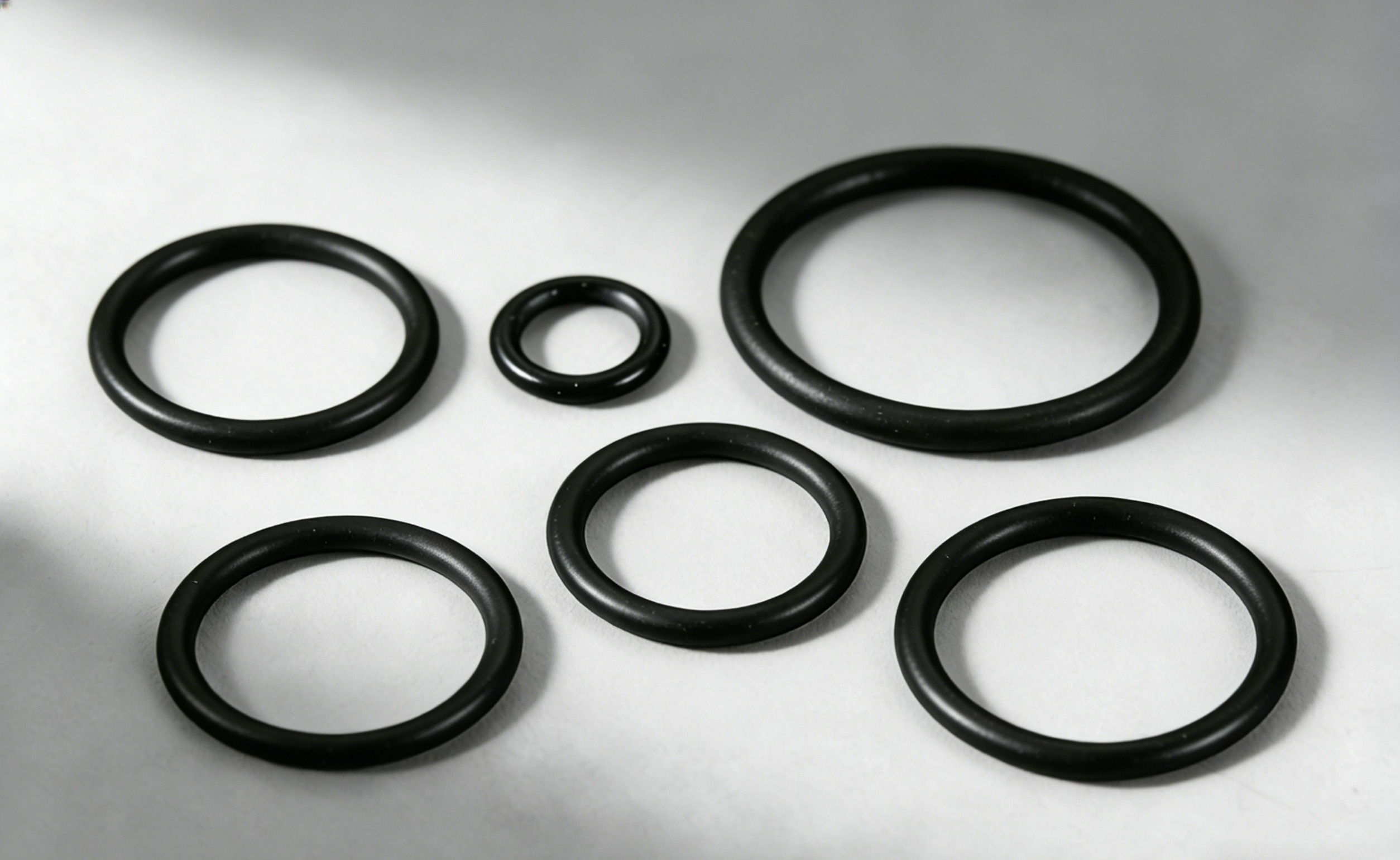
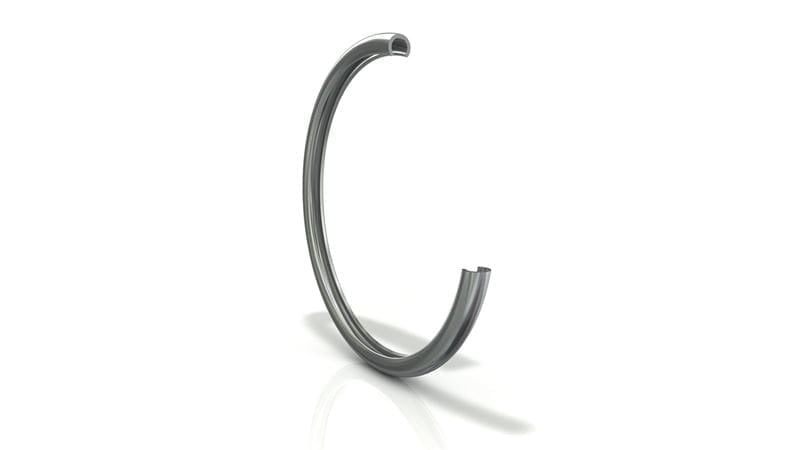
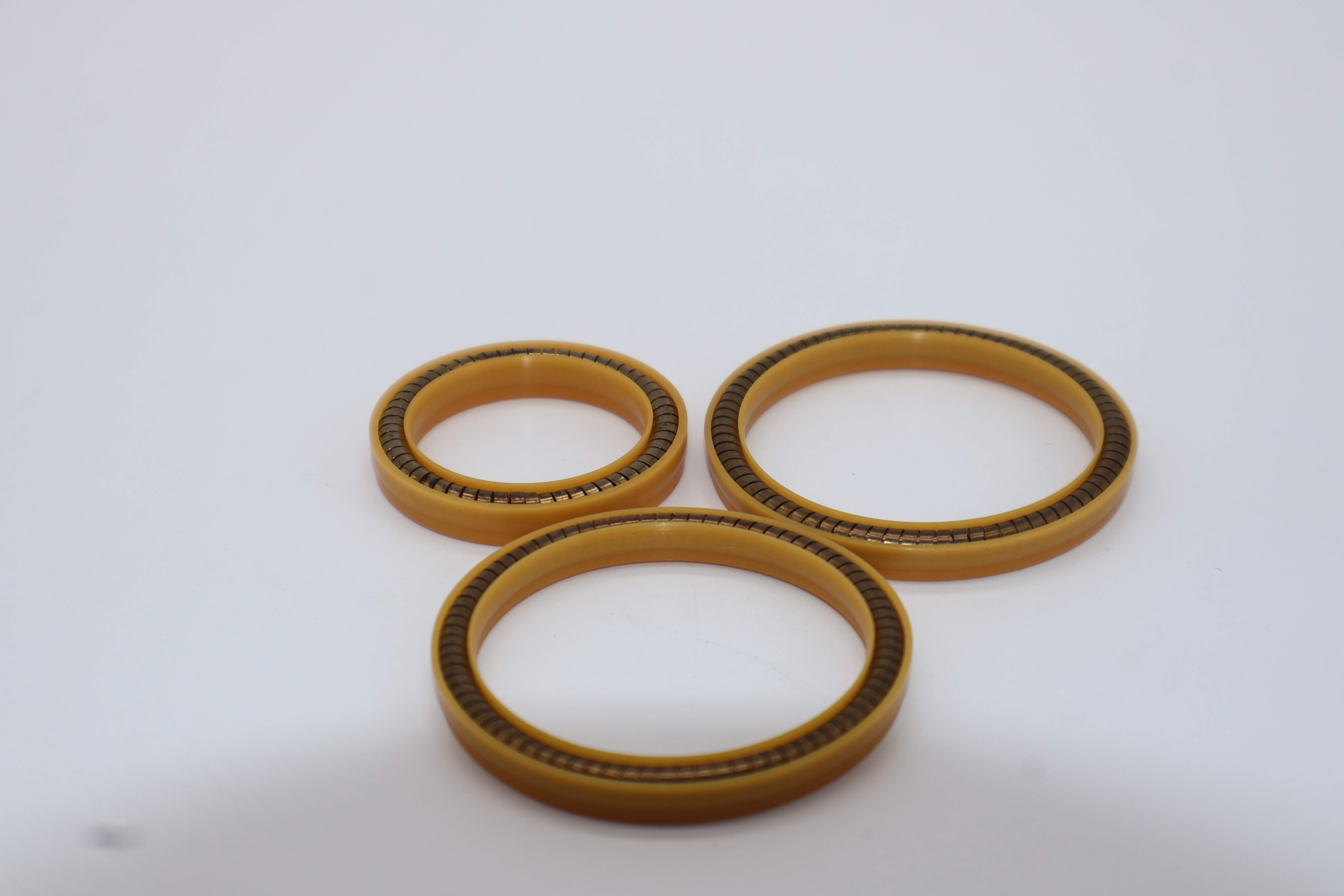
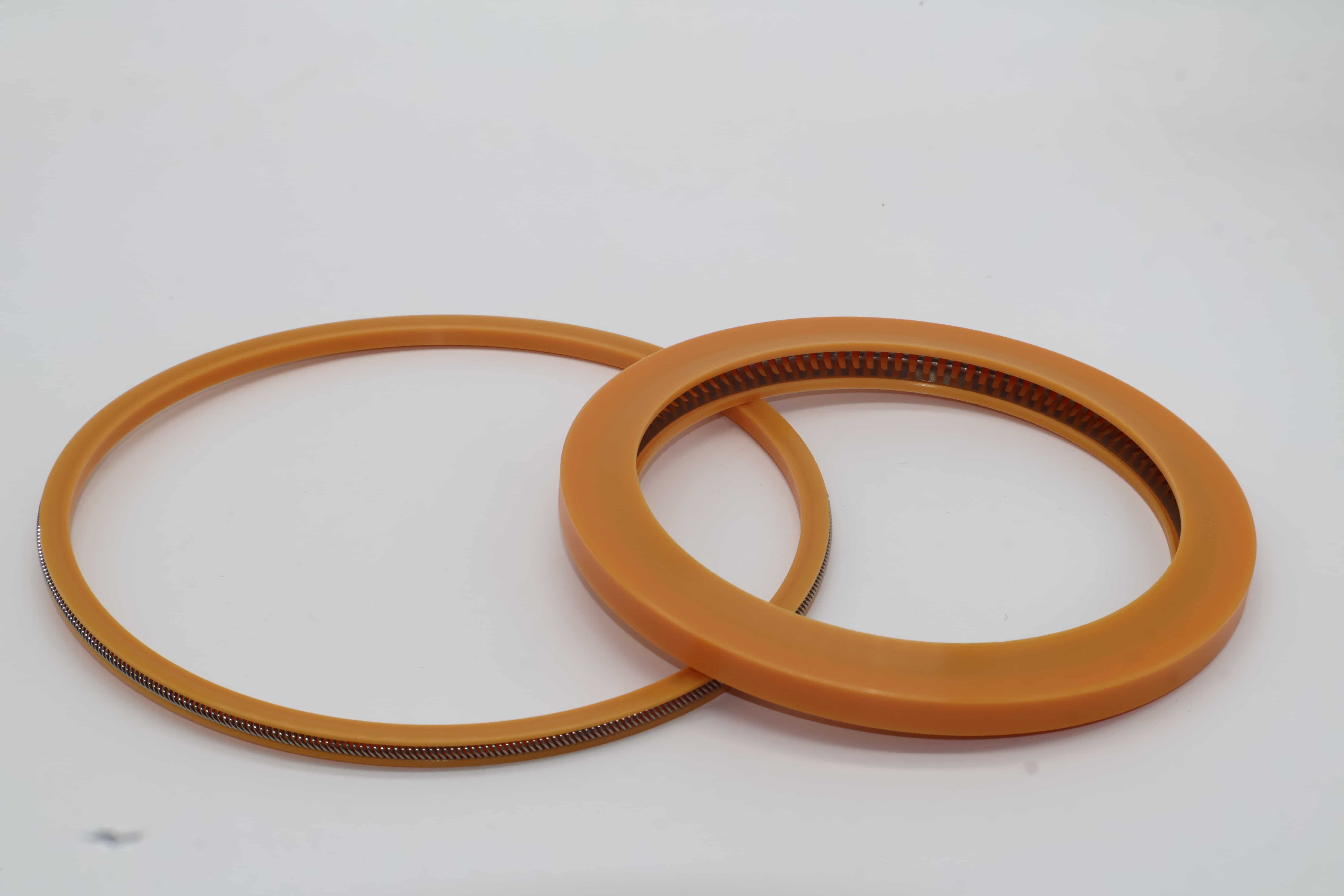
• Optional integration with elastomers, springs, or metal components for composite sealing systems
This flexible design approach allows Tesel Seal to deliver highly customized solutions that meet exact operational requirements, including complex geometries, tight tolerances, and multi-material assemblies.
Applications
Tesel Seal high-performance PTFE custom parts are widely used across multiple industries:
• Oil & Gas Equipment – Used in valves, pumps, and sealing systems exposed to high pressure and aggressive media.
• Chemical Processing – Ideal for components in reactors, pipelines, and processing equipment handling corrosive chemicals.
• Semiconductor Manufacturing – Provides ultra-clean, low-particle components for high-precision processes.
• Industrial Machinery – Applied in wear components, bushings, and sealing systems requiring low friction and durability.
• Aerospace and Automotive – Used in high-performance systems requiring lightweight, chemical resistance, and reliability.
• Food and Pharmaceutical Equipment – Suitable for applications requiring non-stick surfaces and chemical inertness.
Design Considerations
When designing PTFE custom parts, consider the following:
• Temperature range – Ensure material formulation matches operating conditions.
• Mechanical load – Evaluate stress and deformation under load conditions.
• Media compatibility – Confirm resistance to chemicals and process fluids.
• Wear conditions – Select appropriate fillers for dynamic applications.
• Dimensional tolerances – Ensure proper fit and sealing performance.
• Assembly requirements – Consider integration with other materials and components.
Failure Analysis and Optimization
Understanding potential failure modes is essential for optimizing PTFE component performance:
• Creep and Deformation – PTFE may deform under long-term load; filled materials improve structural stability.
• Wear in Dynamic Applications – High-speed or high-load conditions may cause wear; selecting appropriate fillers reduces wear rate.
• Thermal Expansion – PTFE has a high expansion coefficient; design must accommodate dimensional changes.
• Chemical Swelling (rare cases) – Although highly resistant, compatibility with specific chemicals should be verified.
• Installation Issues – Improper installation can lead to deformation or sealing failure; precision machining and proper tolerances are critical.
Optimization involves selecting the correct PTFE formulation, refining geometry, and validating performance under real operating conditions.
Common Questions and Answers
• What makes PTFE ideal for custom parts? – PTFE offers low friction, excellent chemical resistance, and wide temperature capability, making it suitable for demanding applications.
• Can PTFE parts be customized? – Yes, Tesel Seal provides fully customized designs based on drawings, samples, or application requirements.
• Are filled PTFE materials better than virgin PTFE? – Filled PTFE improves wear resistance and mechanical strength, depending on application needs.
• Can PTFE be used in high-pressure systems? – Yes, with proper design and material selection, PTFE components perform reliably in high-pressure environments.
Call to Action
Optimize Performance with Precision PTFE Custom Parts
• Send your drawings or specifications
• Get material and machining recommendations
• Fast response within 24 hours