 EN
EN

UPE | PTFE Rotary Seals for LNG Applications
High-Integrity Sealing Solutions for Cryogenic Rotating Systems
- Overview
- Recommended Products
Commercial Terms of Products:
Minimum Order Quantity |
NO MOQ |
Packaging Details |
Per bag In Cartons |
Delivery Time |
15 Days (Rush Manufacturing Available) |
Payment Terms |
Flexible Payment Terms Available Based on Project Requirements |
Overview
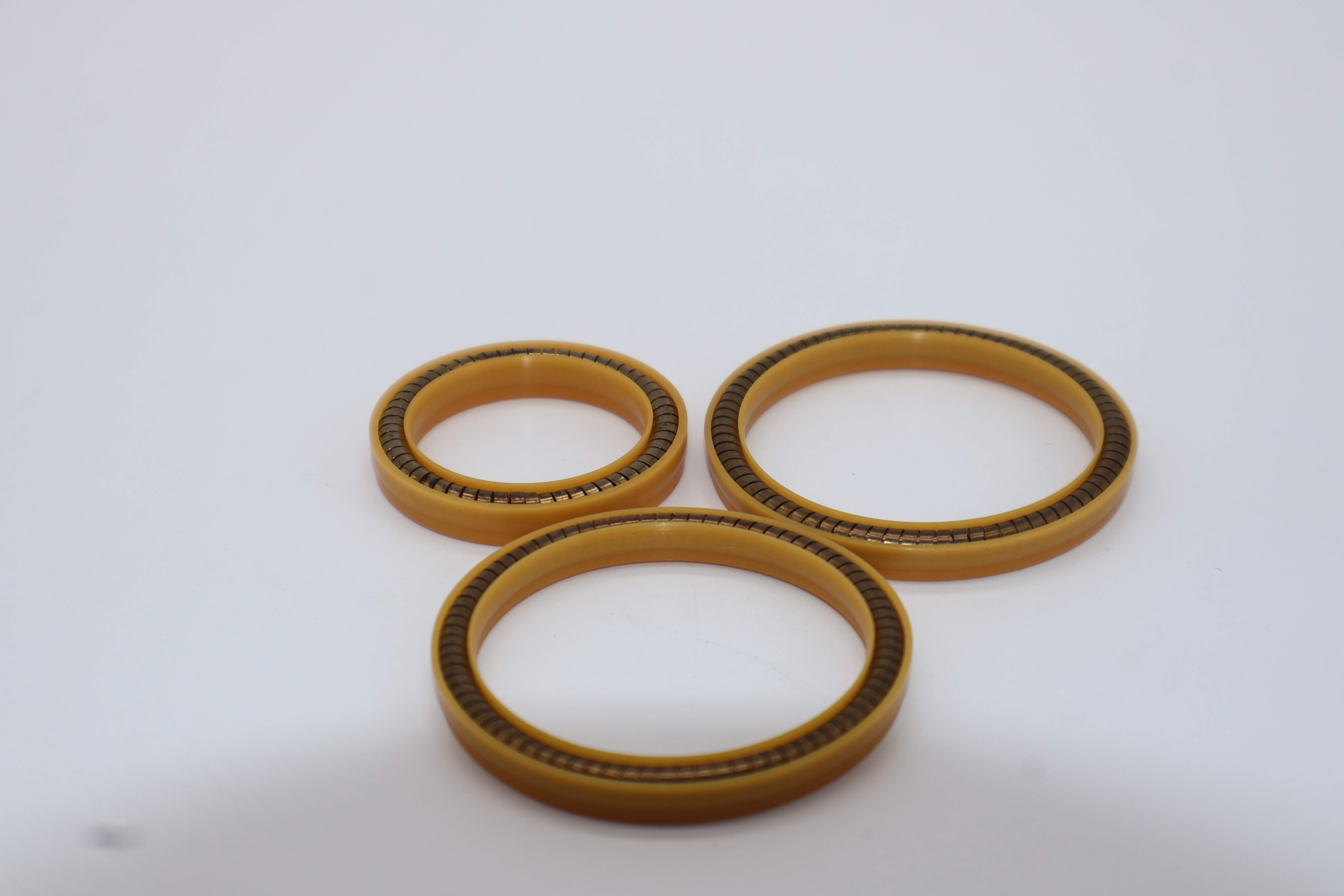
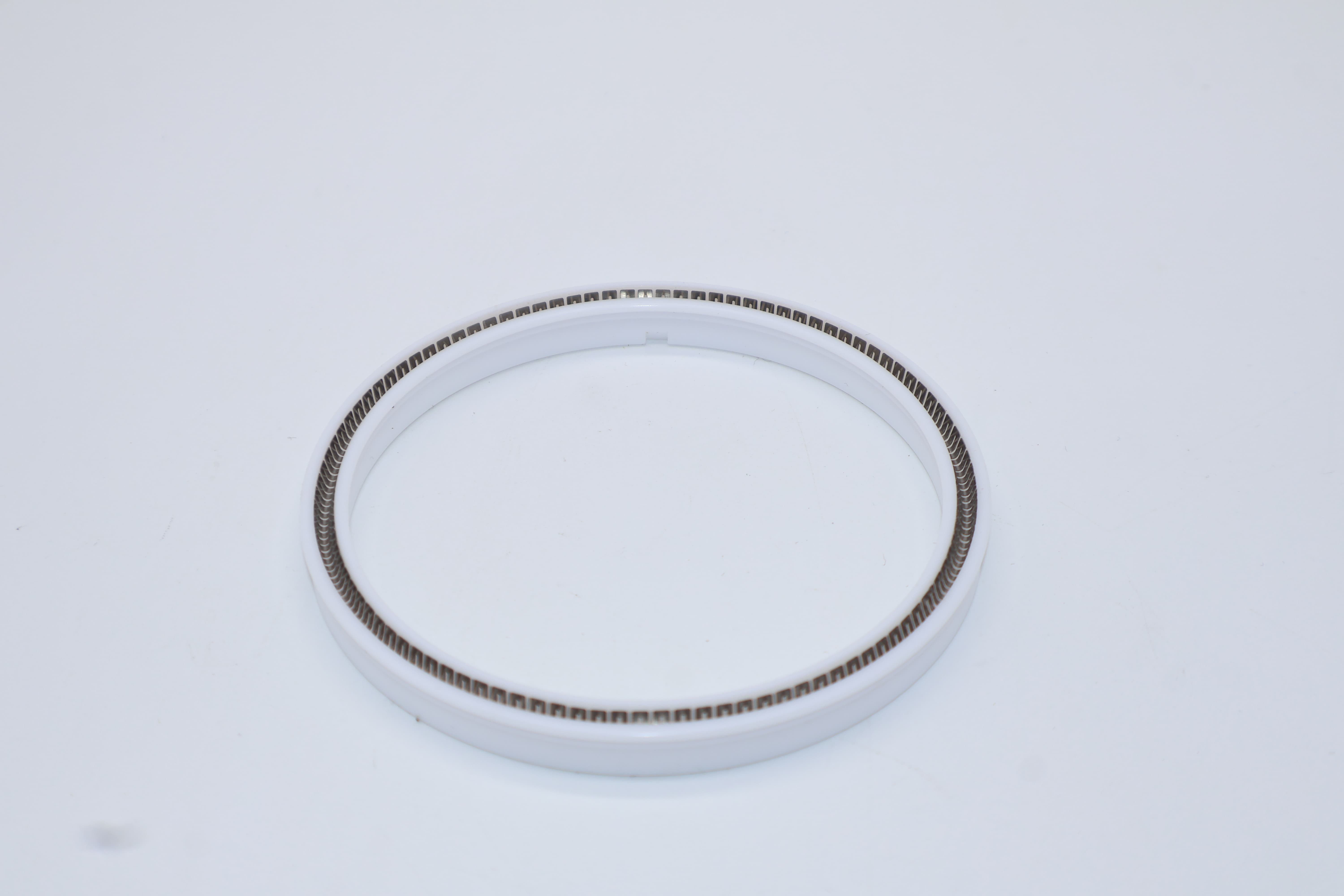
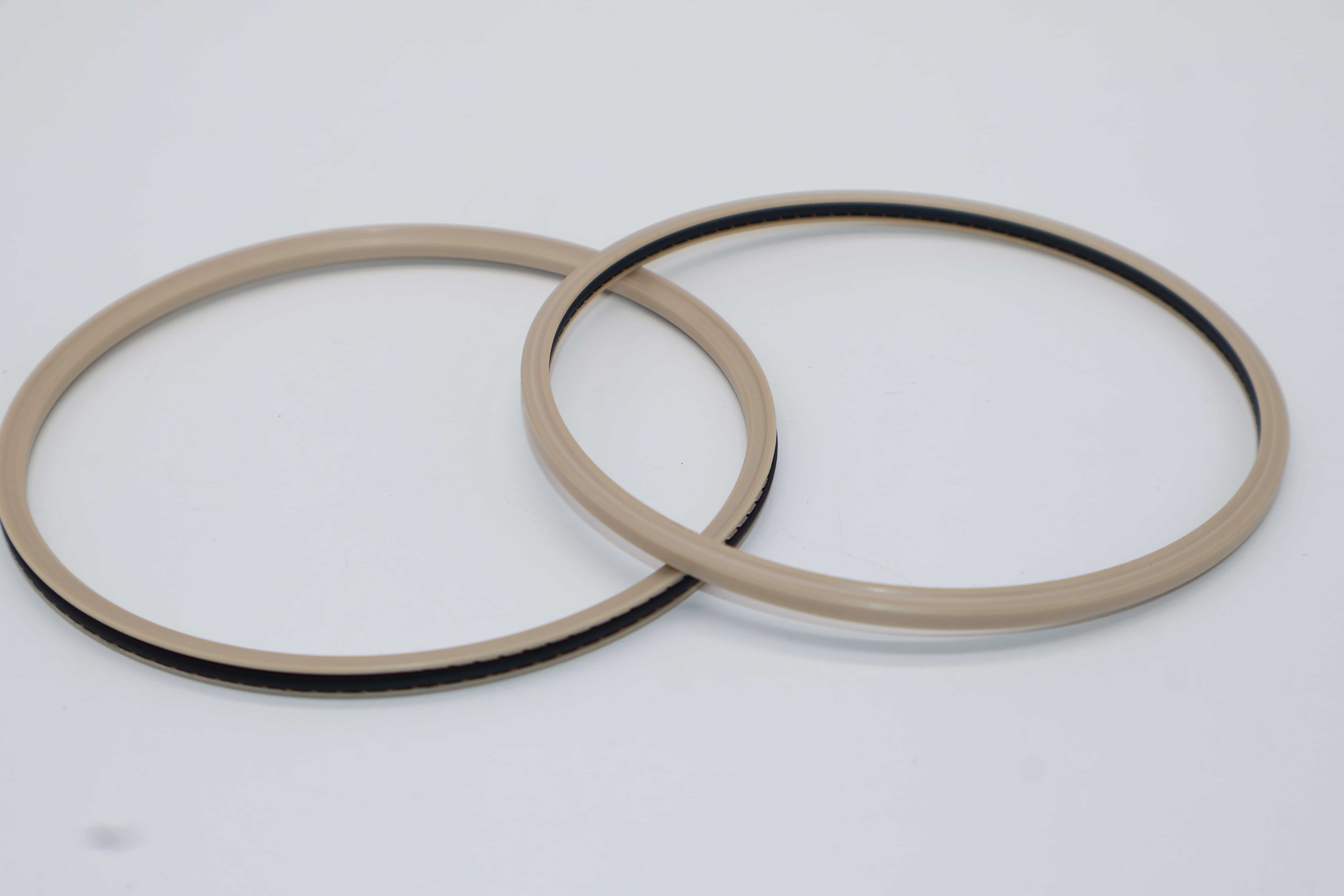
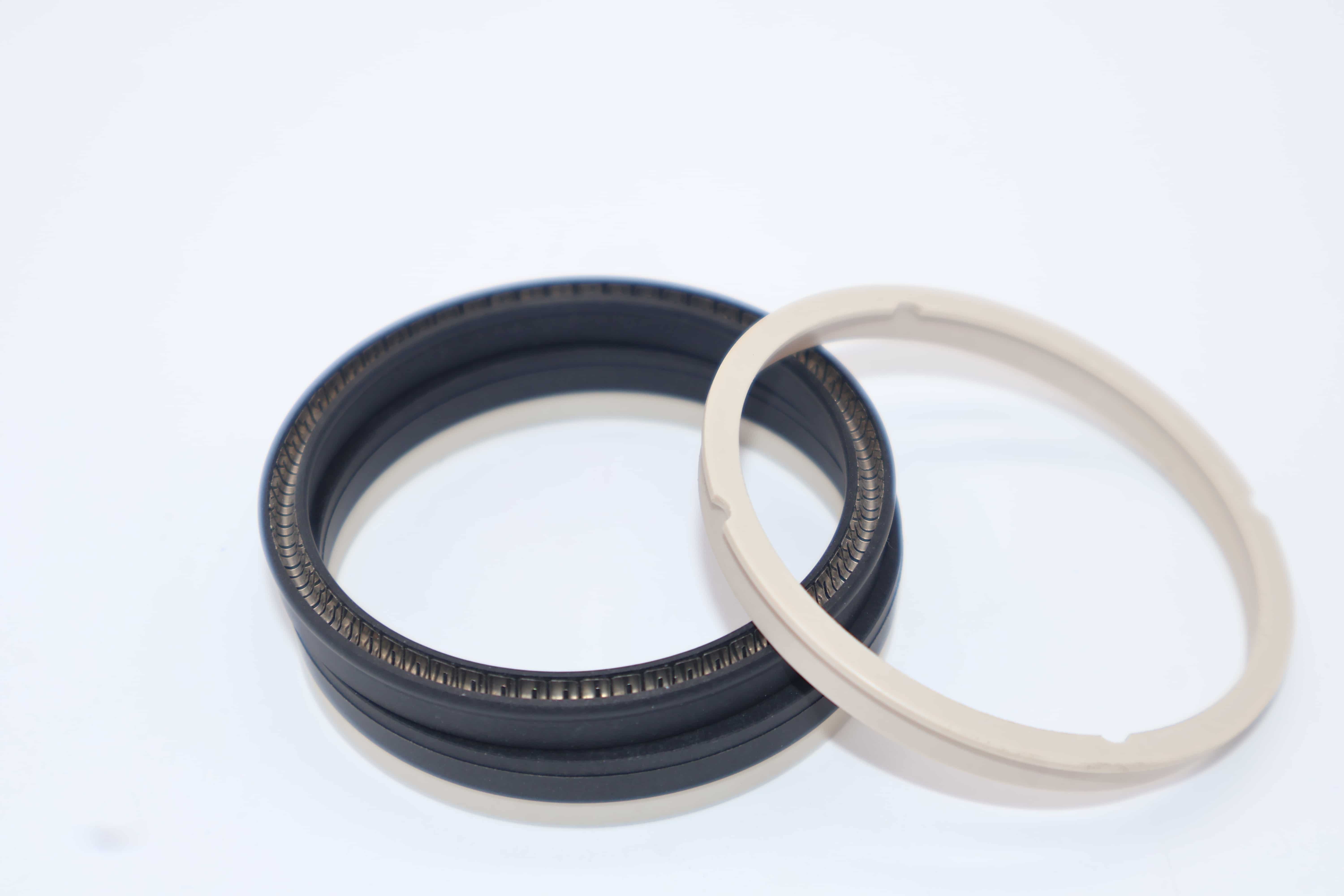
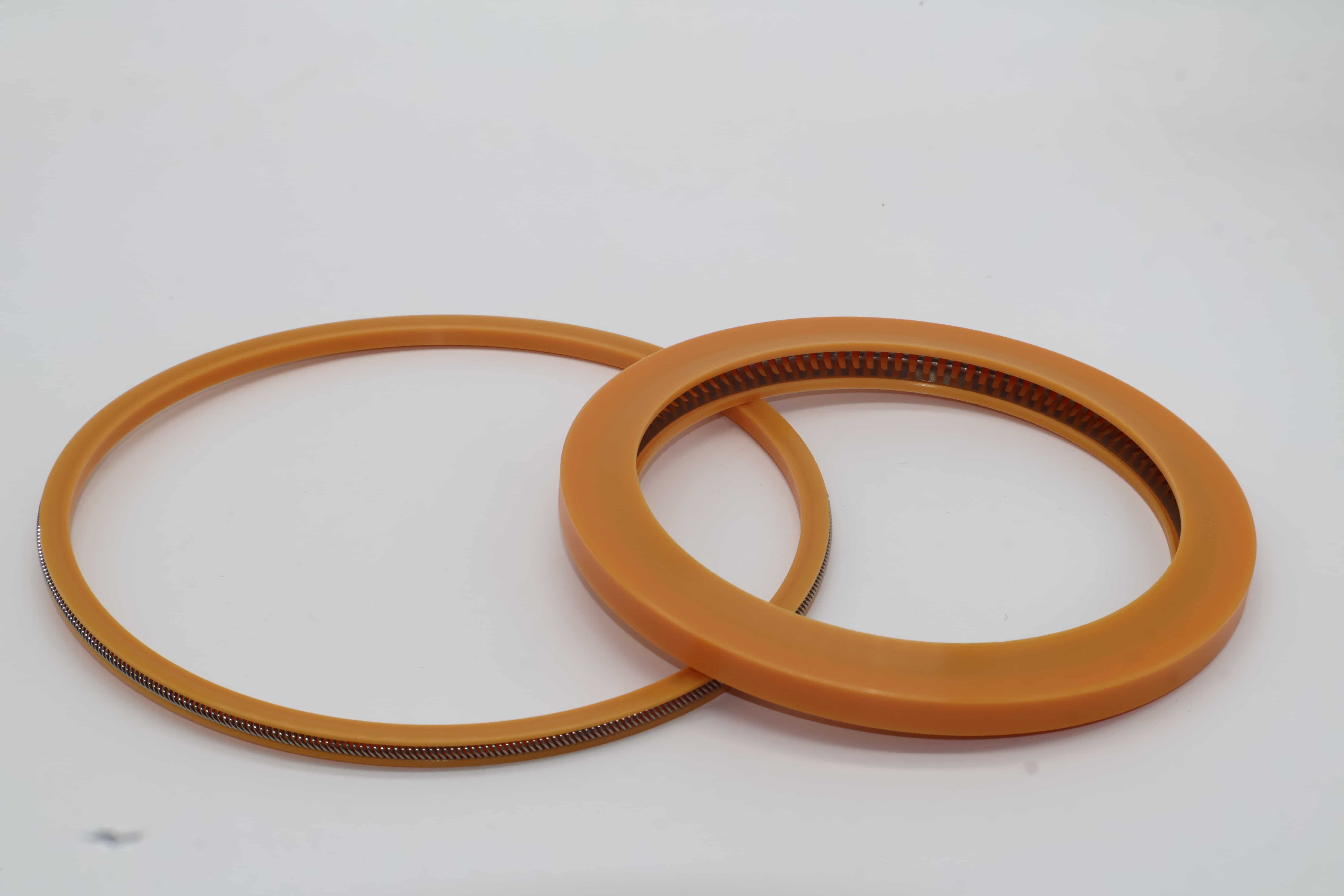
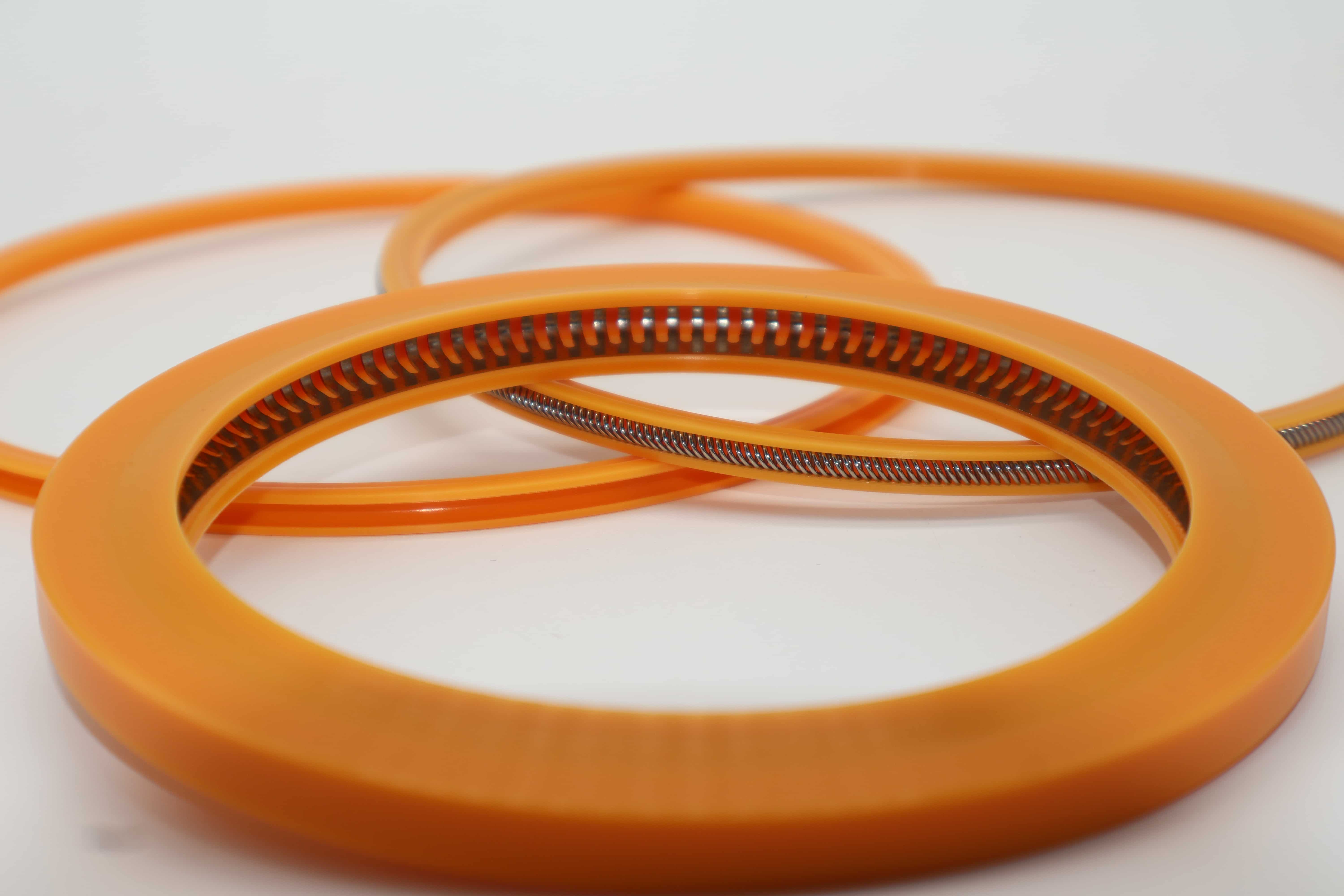
Tesel Seal provides high-performance UPE/PTFE rotary sealing rings engineered for LNG receiving terminals and cryogenic fluid handling systems, including rotating arms, transfer systems, and cryogenic pumps. These seals are designed to accommodate dynamic rotational motion under extreme low-temperature conditions, ensuring safe and reliable operation.
Operating from -200°C to 80°C and typically below 5 MPa, the sealing system integrates high-performance polymer jackets with stainless steel full-contact V-shaped springs for dynamic sealing. Additional C-ring or V-ring static seals, nitrogen auxiliary seals, and gasket seals provide multi-layer redundancy for leak-tight performance in cryogenic environments.
Widely used in onshore and offshore LNG terminals and cryogenic transfer systems, Tesel Seal delivers customized sealing solutions for long-term reliability and minimal maintenance.
Technical Specifications
| Parameter | Value |
| Temperature Range | -200°C to 80°C |
| Operating Pressure | ≤ 5 MPa |
| Dynamic Seal Material | UPE/PTFE polymer with stainless steel V-spring |
| Static Seal Type | C-ring or V-ring, stainless steel/alloy spring |
| Auxiliary Seals | Nitrogen gas seal, gasket seal |
| Application | LNG rotating arms, cryogenic pumps, transfer systems |
Key Features and Performance Advantages
• Cryogenic Temperature Compatibility – Maintains sealing integrity and flexibility under temperatures as low as -196°C, ideal for LNG and low-temperature applications.
• Dynamic Rotational Motion Sealing – V-spring energized primary and secondary seals ensure continuous contact under rotational operation.
• Low-Pressure Optimization – Designed for typical LNG transfer pressures up to 5 MPa while maintaining sealing efficiency.
• Redundant Multi-Component Design – Primary and secondary dynamic seals, C- or V-ring static seals, nitrogen seals, and gasket seals create multiple sealing barriers for fail-safe operation.
• High-Performance Materials – UPE/PTFE jackets offer chemical stability and low friction; stainless steel and alloy springs maintain consistent radial sealing force.
• Durable and Long-Lived – Low friction surfaces reduce wear, minimize maintenance, and extend operational lifespan.
• Versatile Integration – Suitable for rotating arms, cryogenic pumps, transfer systems, and other LNG handling equipment.
• Enhanced Reliability – Multi-component design ensures continuous sealing even if one element experiences wear or thermal stress.
• Low Friction & High Efficiency – Optimized for reduced torque and smooth rotational motion.
Product Structure and Design
Tesel Seal rotary sealing rings are integrated multi-component systems:
• Primary Dynamic Seal: High-polymer jacket with stainless steel V-spring for full-contact rotation
• Secondary Dynamic Seal: Identical structure to primary for redundancy
• Static Seal: C-ring or V-ring stainless steel or alloy spring
• Nitrogen Auxiliary Seal: Prevents leakage in critical interfaces
• Gasket Seal: Ensures flange and mounting integrity
This design accommodates continuous rotational operation under cryogenic conditions while maintaining effective sealing pressure, leak resistance, and long-term performance.
Applications
Tesel Seal rotary sealing rings are used across critical LNG infrastructure:
• Rotating Loading Arms – Leak-free transfer of LNG under continuous rotation in cryogenic temperatures.
• Cryogenic Pumps – Dynamic sealing of rotating shafts, maintaining vacuum or low-pressure integrity.
• LNG Transfer Systems – Integrated sealing for piping interfaces, ensuring safe cryogenic operations.
• Flange and Coupling Interfaces – Gasket and nitrogen seals prevent auxiliary leakage.
• Onshore and Offshore LNG Terminals – Withstand environmental exposure including corrosion, saltwater, and extreme temperatures.
• Chemical and Petrochemical Cryogenic Handling – Ensures safety and operational continuity for low-temperature chemical processes.
• Process Monitoring Systems – Seals used in instrumentation and measurement connections for leak-free, low-temperature service.
Design Considerations
Key factors when selecting UPE/PTFE rotary seals for LNG applications:
• Temperature Range – Material must handle cryogenic extremes down to -200°C without losing elasticity.
• Rotational Motion – Seal design must maintain low-friction contact under dynamic rotation.
• Pressure Profile – Typically low-pressure (<5 MPa) but must resist transient pressure spikes.
• Media Compatibility – Must be compatible with LNG, hydrocarbons, and aggressive cryogenic fluids.
• Sealing Redundancy – Multi-component design (dynamic, static, nitrogen, gasket) prevents catastrophic leakage.
• Installation Constraints – Shaft diameter, flange geometry, and assembly access must be considered.
• Maintenance and Lifecycle – Materials and configuration chosen to maximize service life and minimize downtime.
Failure Analysis and Optimization
• Thermal Contraction – Cryogenic temperatures can shrink materials. Multi-component design ensures continuous contact and compensates for contraction.
• Dynamic Wear – Rotational motion can wear polymer surfaces. V-spring energization maintains pressure and low friction.
• Leakage – Multi-barrier system prevents leaks even if one component is partially worn.
• Chemical Attack – UPE/PTFE jackets resist LNG, hydrocarbons, and environmental chemicals.
• Misalignment or Assembly Errors – Precise tolerances and design guidance prevent installation-induced failures.
Optimizing seal performance involves correct material selection, spring calibration, multi-lip configuration, redundant sealing layers, and field testing under representative cryogenic and rotational conditions.
Common Questions and Answers
• Can these seals handle -196°C? – Yes, specifically designed for cryogenic LNG operations.
• Are they suitable for rotating arms? – Yes, V-spring energized dynamic seals ensure rotational sealing.
• Maximum operating pressure? – Typically ≤5 MPa, with redundancy for transient spikes.
• Is customization available? – Tesel Seal provides tailored designs for motion, media, temperature, and operational requirements.
Call to Action
Achieve Leak-Tight Rotary Sealing in Extreme Cryogenic Conditions
Request a Quote Today
• Share your operating conditions
• Receive optimized sealing design
• Fast engineering response within 24 hours