 EN
EN

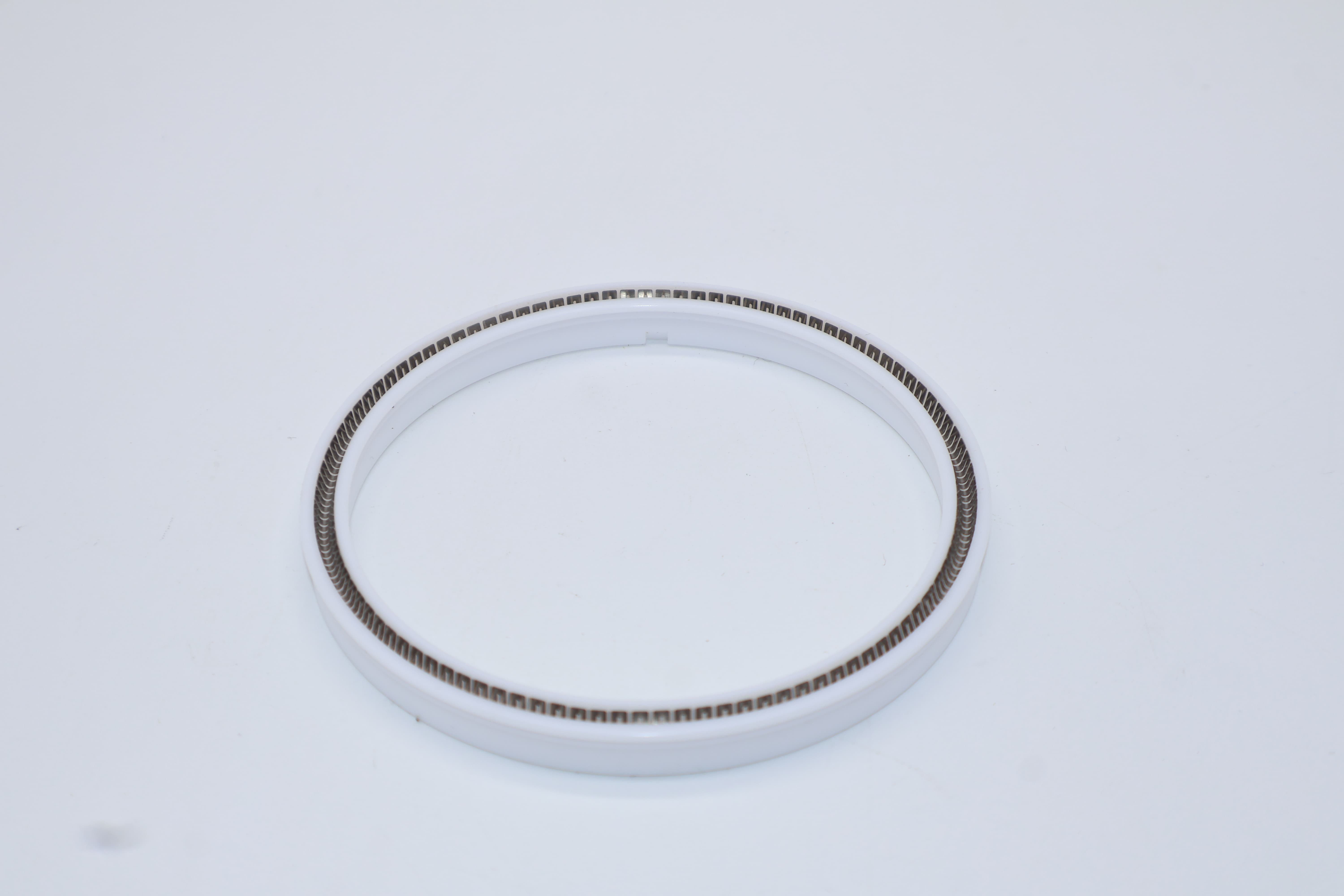
Radial PTFE Seal For API 6A Gate Valve Seat
High-Integrity Sealing Solutions for API 6A Gate Valves
- Overview
- Recommended Products
Commercial Terms of Products:
Minimum Order Quantity |
NO MOQ |
Packaging Details |
Per bag In Cartons |
Delivery Time |
15 Days (Rush Manufacturing Available) |
Payment Terms |
Flexible Payment Terms Available Based on Project Requirements |
Overview
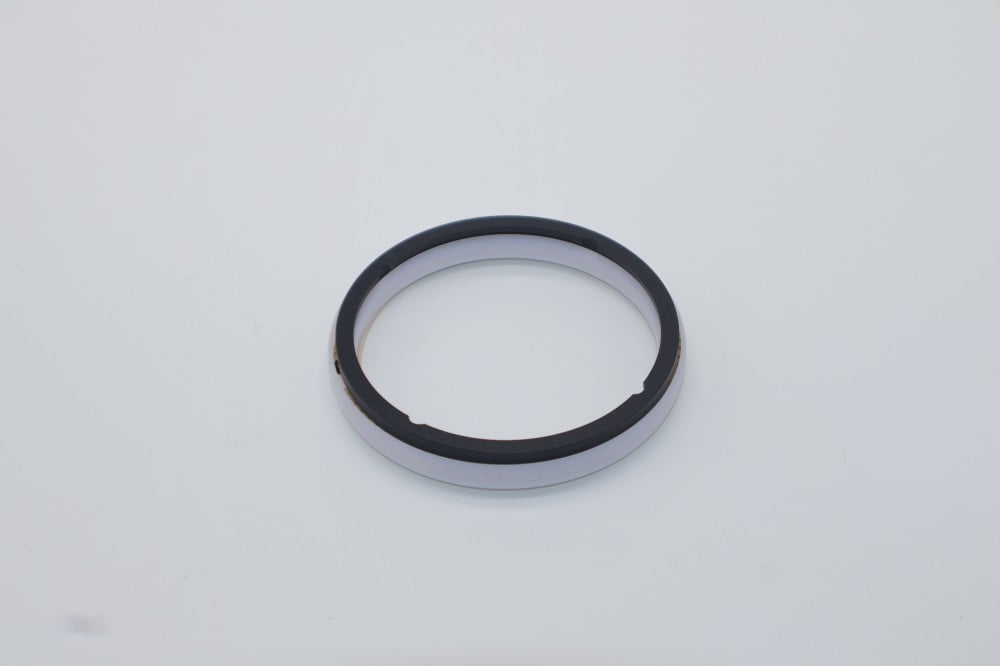
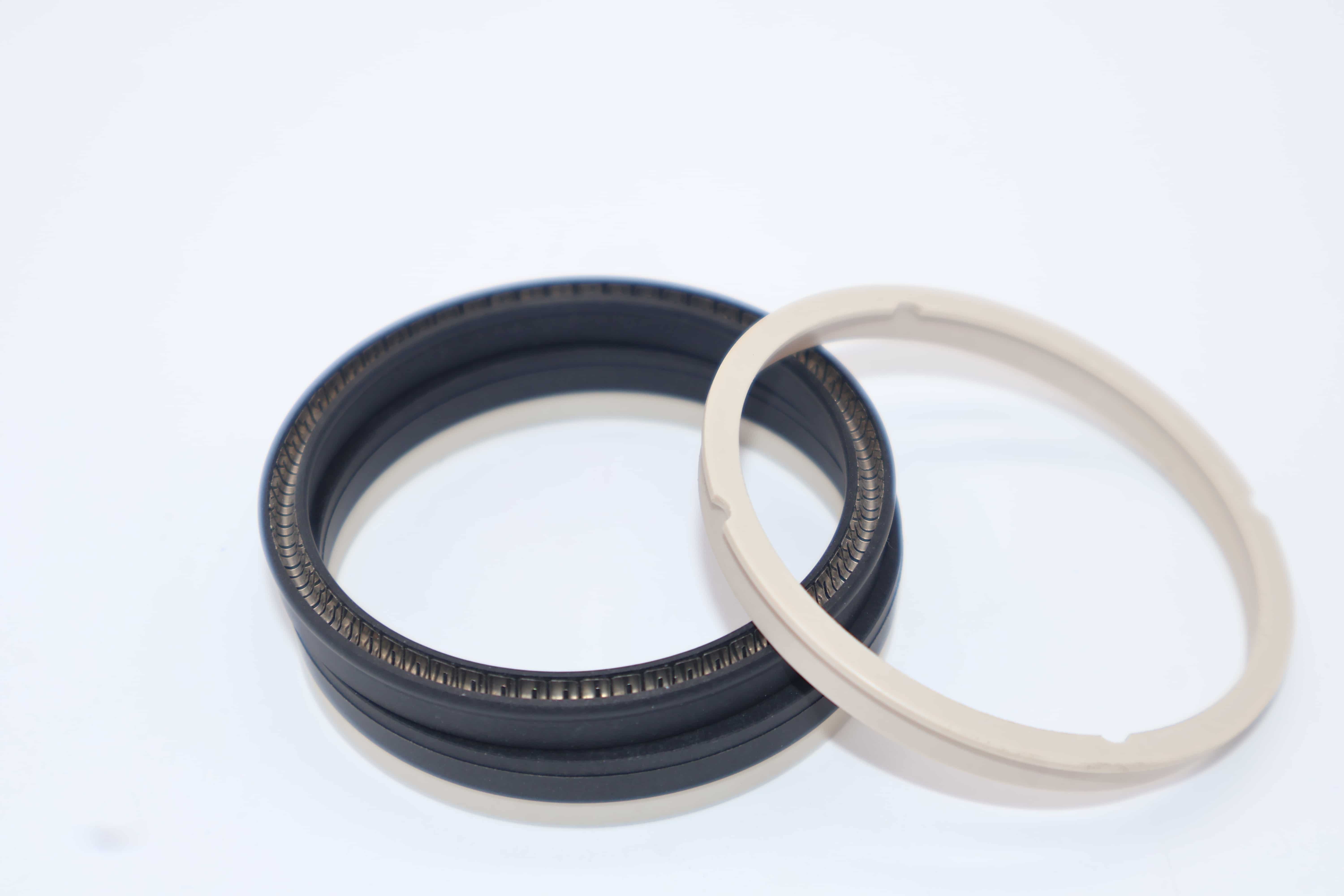
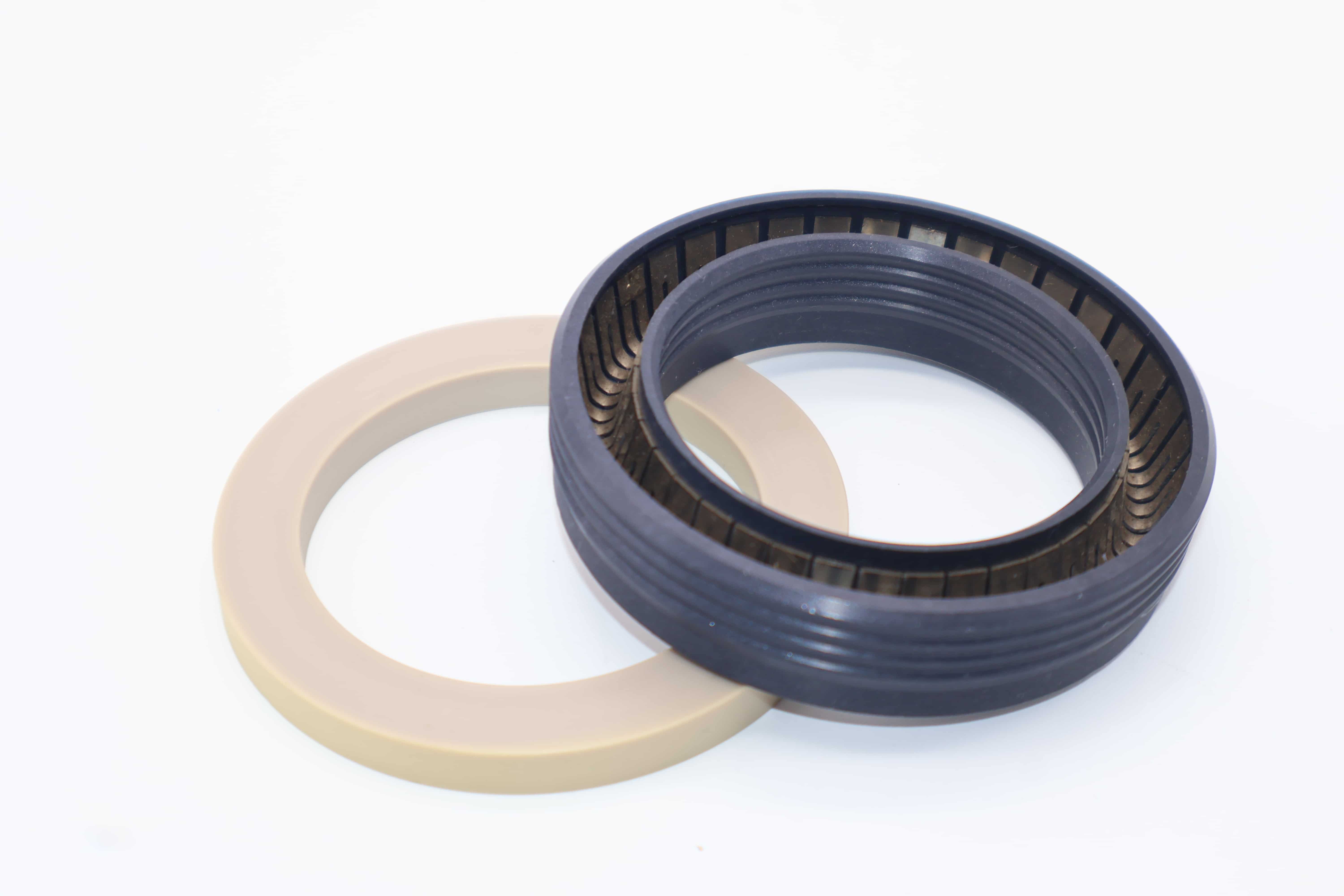
Tesel Seal provides high-performance radial PTFE valve seats engineered for API 6A gate valves in critical oil and gas applications.
Designed for pressures up to 20,000 psi and temperatures from -60°C to 180°C, these seals ensure reliable pressure containment in wellhead, drilling, and offshore systems.
Custom sealing configurations are available based on your operating conditions and specifications.
Technical Specifications
| Parameter | Value |
| Temperature Range | -60°C to 180°C |
| Maximum Pressure | Up to 20,000 psi |
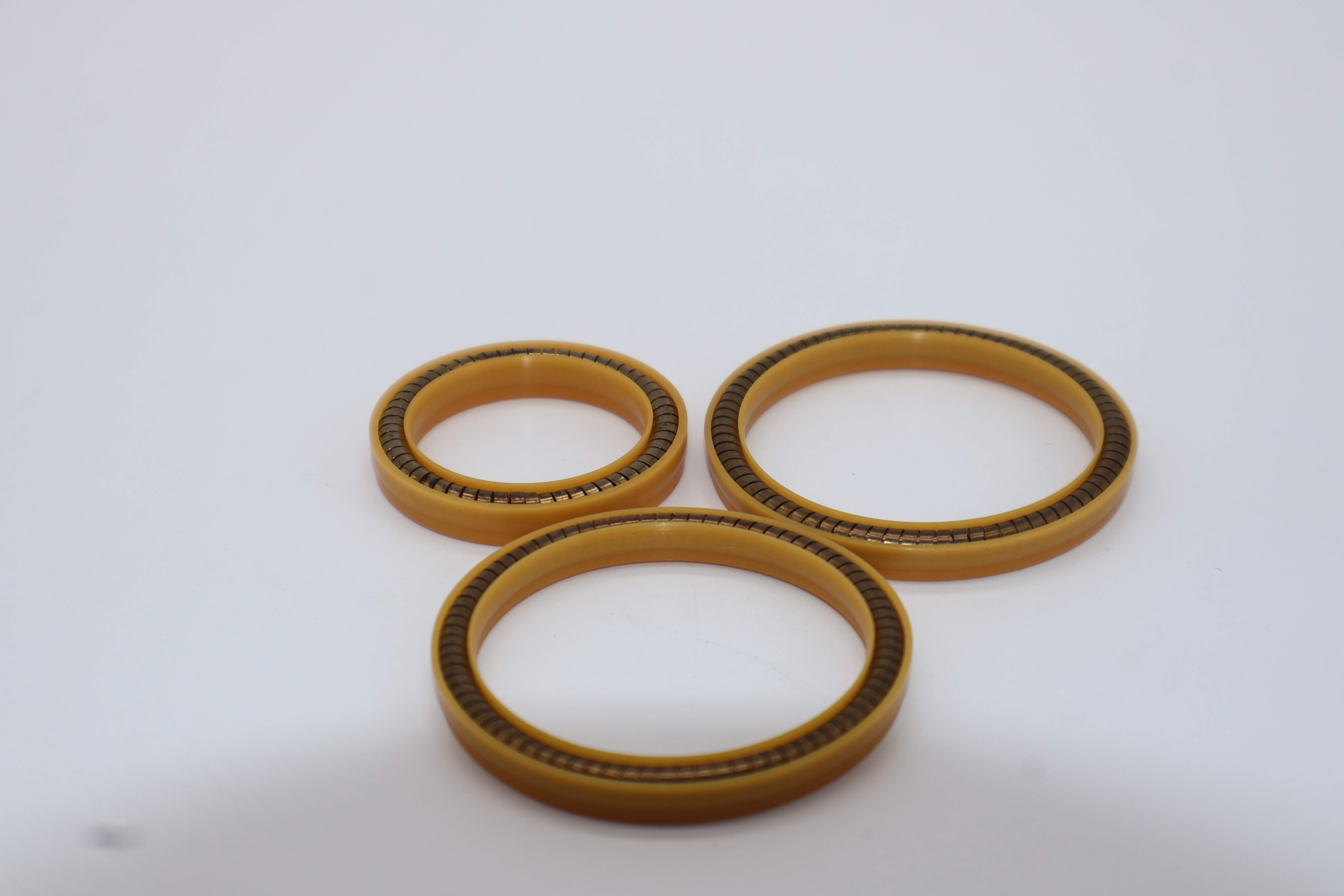
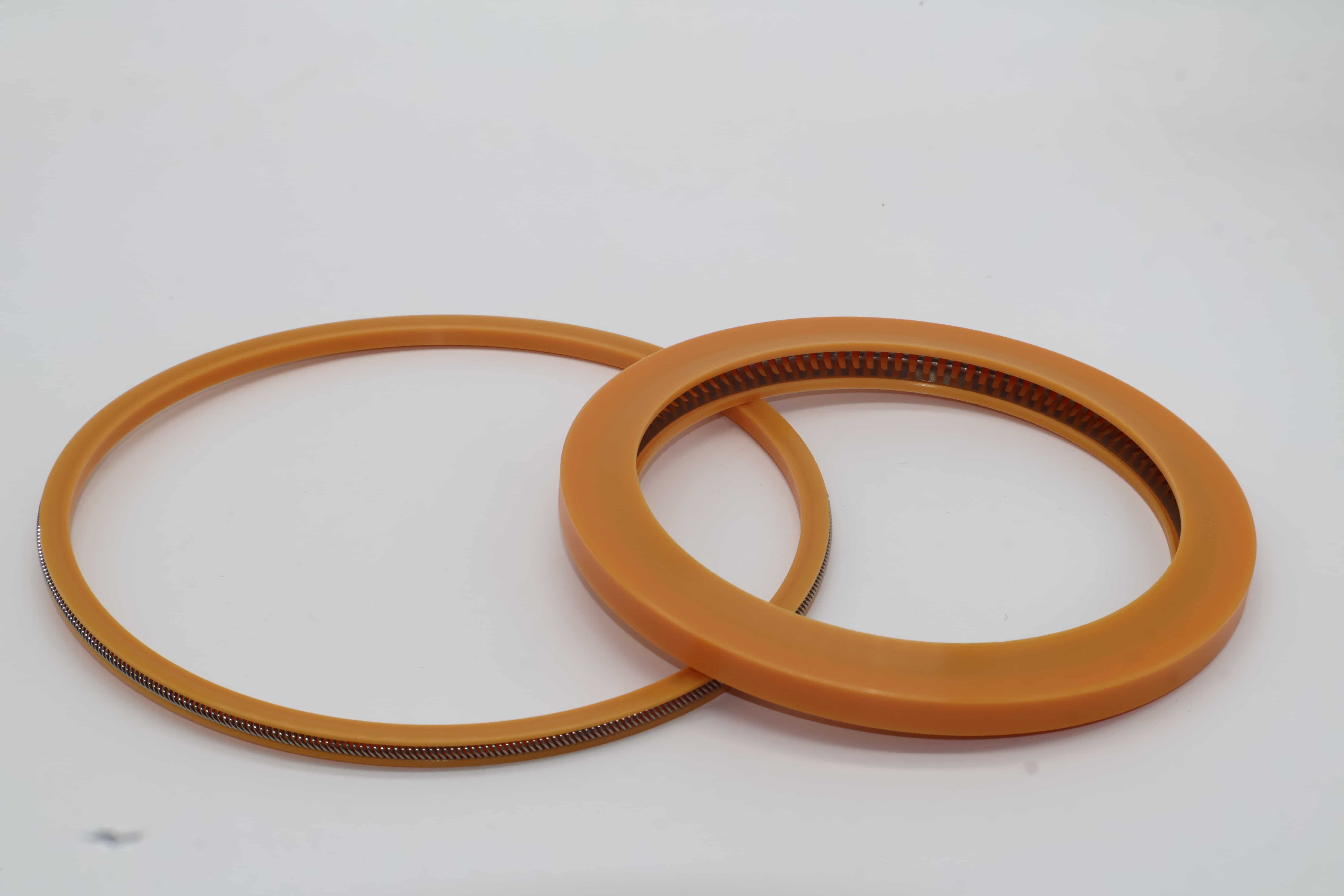
| Sealing Material | PTFE jacket with V-shaped spring |
| Spring Type | Stainless steel or alloy V-spring |
| Support Ring | Optional high-strength or metallic |
| Sealing Configuration | Single or multi-lip radial seal |
| Application Standard | API 6A gate valves |
| Back Features | Ports or grooves for stability |
Key Features and Performance Advantages
• Wide Temperature Capability – Reliable performance from -60°C to 180°C in both cryogenic and elevated temperature applications.
• High Pressure Performance – Supports pressures up to 20,000 psi, ensuring stable sealing under steady and fluctuating conditions.
• Radial Sealing Efficiency – Optimized radial design maintains leak-tight performance with or without added secondary lips.
• Spring-Energized Force – V-shaped stainless steel or alloy springs provide continuous sealing pressure to compensate for wear and thermal expansion.
• Optional Support Rings – High-strength or metallic rings increase structural integrity under high back-pressure applications.
• Stationary Back Design – Back ports and features prevent movement within the valve, ensuring consistent sealing during actuation.
• Chemical Resistance – PTFE jackets resist hydrocarbons, H2S, CO2, and other aggressive fluids.
• Flexible Configuration – Can add or remove sealing lips to balance performance and cost requirements.
• Extended Service Life – Low-friction materials reduce wear and maintenance requirements.
Product Structure and Design
Tesel Seal radial PTFE valve seats are designed as modular, multi-component systems:
• PTFE sealing jacket for primary radial sealing and chemical resistance
• V-shaped stainless steel or alloy spring for continuous sealing force
• Optional metallic or high-strength support ring for back-pressure applications
• Back ports and features to prevent displacement during valve operation
This multi-component configuration ensures multiple sealing interfaces, stability under dynamic and high-pressure conditions, and leak prevention in critical oil and gas applications.
Applications
Tesel Seal radial PTFE valve seats are widely used in high-pressure oil and gas systems:
• Wellhead Systems (Christmas Trees) – Maintain leak-tight radial sealing under extreme pressure and temperature conditions.
• Drilling Equipment – Ensures consistent sealing in dynamic valve interfaces subjected to vibration and motion.
• Offshore Platforms – Resists saltwater, corrosion, and environmental challenges while maintaining performance.
• Oil and Gas Production Systems – Supports critical valves, maintaining operational safety and pressure containment.
• Petrochemical and Refining Equipment – Performs reliably with aggressive media, high-pressure pipelines, and critical process control valves.
Design Considerations
When selecting radial PTFE valve seats, consider:
• Pressure Conditions – Maximum pressure and fluctuations, back-pressure, and potential extrusion risks.
• Temperature Range – Thermal cycling and operating temperatures from -60°C to 180°C.
• Sealing Configuration – Single or multi-lip, depending on redundancy and cost constraints.
• Media Compatibility – Hydrocarbons, H2S, CO2, and chemical additives.
• Back Support Features – Additional support rings or back ports to prevent seal displacement.
• Installation Constraints – Valve geometry, gland depth, and assembly space.
Failure Analysis and Optimization
Extrusion Under High Pressure – Backup and support rings prevent deformation into valve clearance gaps.
• Wear of PTFE Components – Dynamic motion, repeated valve actuation, and friction can cause material wear. Proper material selection and spring energization reduce wear rate.
• Thermal Fatigue – Temperature cycling can cause micro-cracks or loss of elasticity. Multi-lip design distributes stress and reduces fatigue impact.
• Chemical Degradation – H2S, CO2, and hydrocarbon exposure can chemically attack seals. PTFE jackets and alloy springs ensure chemical compatibility.
• Seal Misalignment or Installation Issues – Incorrect installation can reduce sealing efficiency. Tesel Seal provides precise design tolerances and installation guidance to ensure optimal performance.
Optimization includes selecting appropriate materials, configuring multi-lip structures, integrating support/back rings, and validating under representative operating conditions.
Common Questions and Answers
• Can the seals handle H2S and CO2? – Yes. PTFE jackets and alloy springs ensure chemical and corrosion resistance.
• Are multi-lip configurations available? – Yes. Additional lips can be added to enhance sealing performance under high-pressure or critical applications.
• What is the maximum pressure rating? – Up to 20,000 psi in API 6A gate valves.
• Is customization available? – Tesel Seal provides tailored designs based on valve dimensions, media, temperature, and operational requirements.
Call to Action
Ensure Reliable Radial Valve Seat Sealing in Oil & Gas Applications
Get a Quote for API 6A Valve Seals
• Send your drawings or specifications
• Get material and design recommendations
• Fast response within 24 hours