 EN
EN

Valve Stem Sealing Rings for API 6A Gate Valves
High-Integrity Sealing Solutions for Extreme Pressure Oil & Gas Applications
- Overview
- Recommended Products
Commercial Terms of Products:
Minimum Order Quantity |
NO MOQ |
Packaging Details |
Per bag In Cartons |
Delivery Time |
15 Days (Rush Manufacturing Available) |
Payment Terms |
Flexible Payment Terms Available Based on Project Requirements |
Overview
Tesel Seal designs and manufactures valve stem sealing rings engineered for API 6A gate valves in demanding oil and gas environments. These seals ensure reliable performance under extreme pressure, wide temperature variations, and aggressive media conditions commonly encountered in upstream and offshore applications.
Each sealing system is designed to maintain pressure integrity while allowing controlled valve stem movement. Advanced materials and optimized sealing structures provide stable sealing force, resistance to wear and extrusion, and long-term reliability in critical oilfield operations.
Operating from -60°C to 180°C and up to 20,000 psi, Tesel Seal delivers customized sealing solutions for wellhead systems, including Christmas trees, drilling equipment, and offshore platforms.
Technical Specifications
| Parameter | Value |
| Temperature Range | -60°C to 180°C |
| Maximum Pressure | Up to 20,000 psi |
| Sealing Material | PTFE (filled options available) |
| Spring Type | V-shaped stainless steel / alloy |
| Backup Ring | High-strength optional |
| Sealing Configuration | Single-lip / Multi-lip |
| Application Standard | API 6A |
Key Features and Performance Advantages
• Extreme Pressure Capability – Designed for high-pressure oilfield environments, these sealing systems can withstand pressures up to 20,000 psi. Advanced materials and optimized sealing geometry ensure reliable performance under severe pressure fluctuations.
• Wide Temperature Range – The seals maintain stable performance across a temperature range of -60°C to 180°C, suitable for Arctic conditions or high-temperature production equipment.
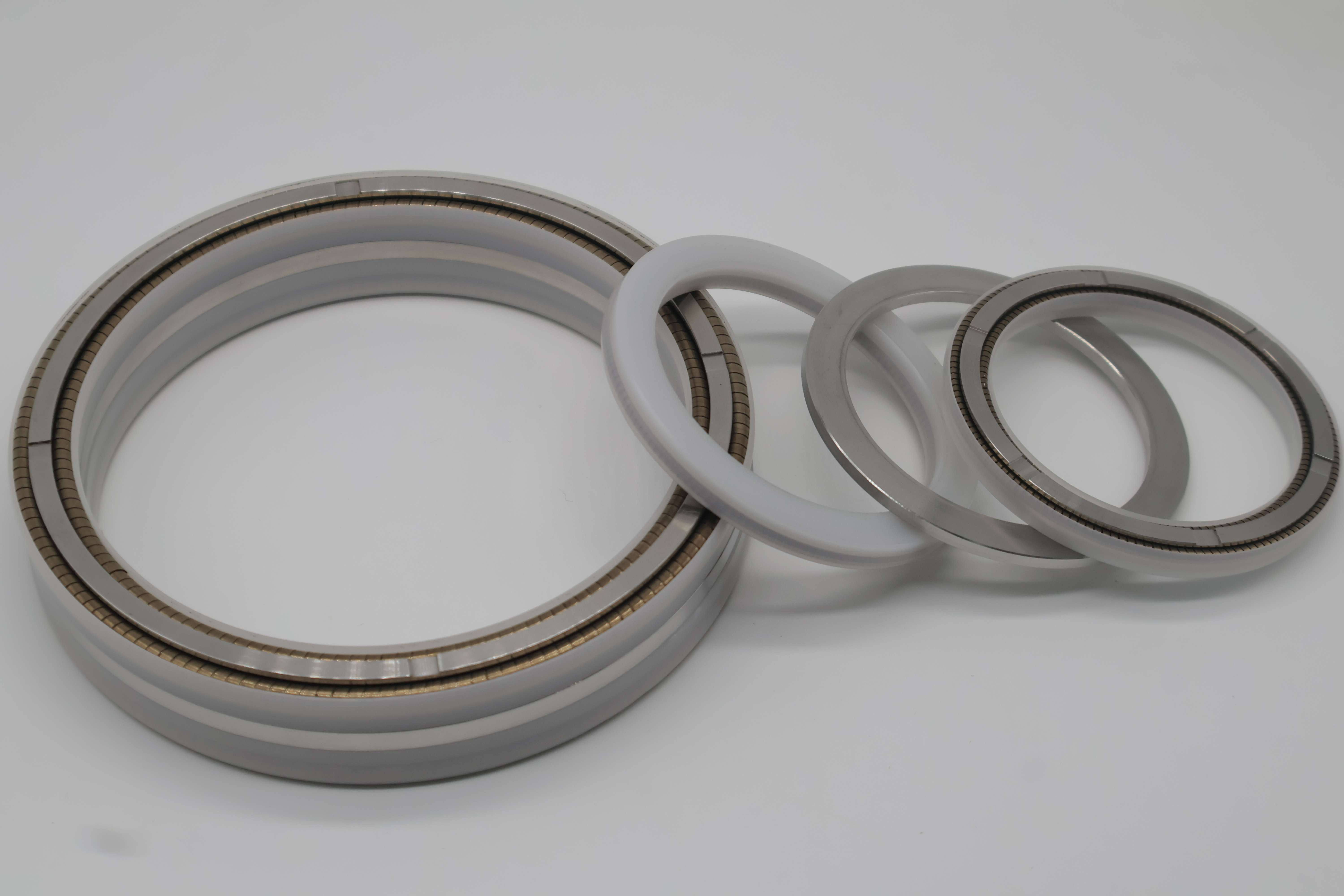
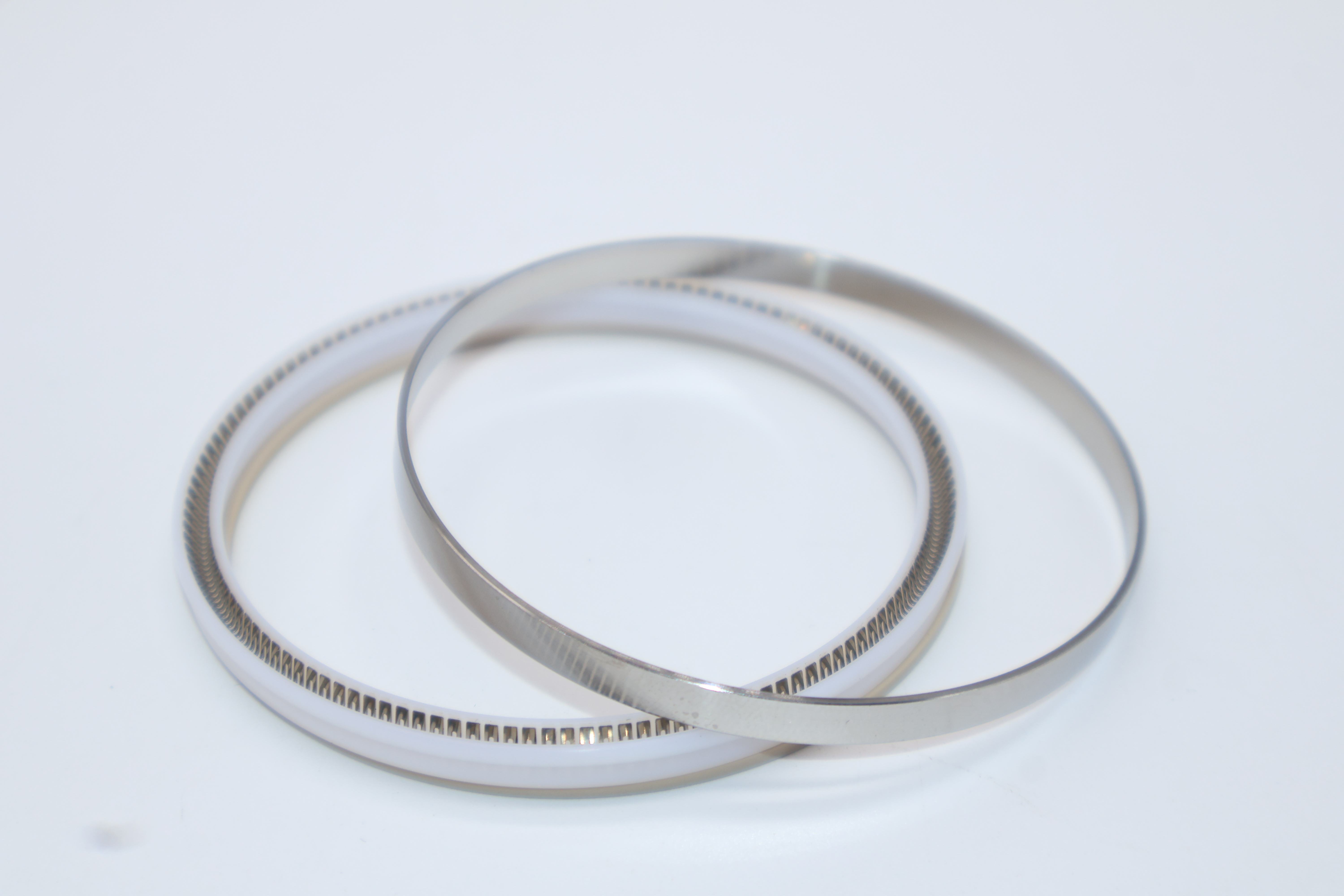
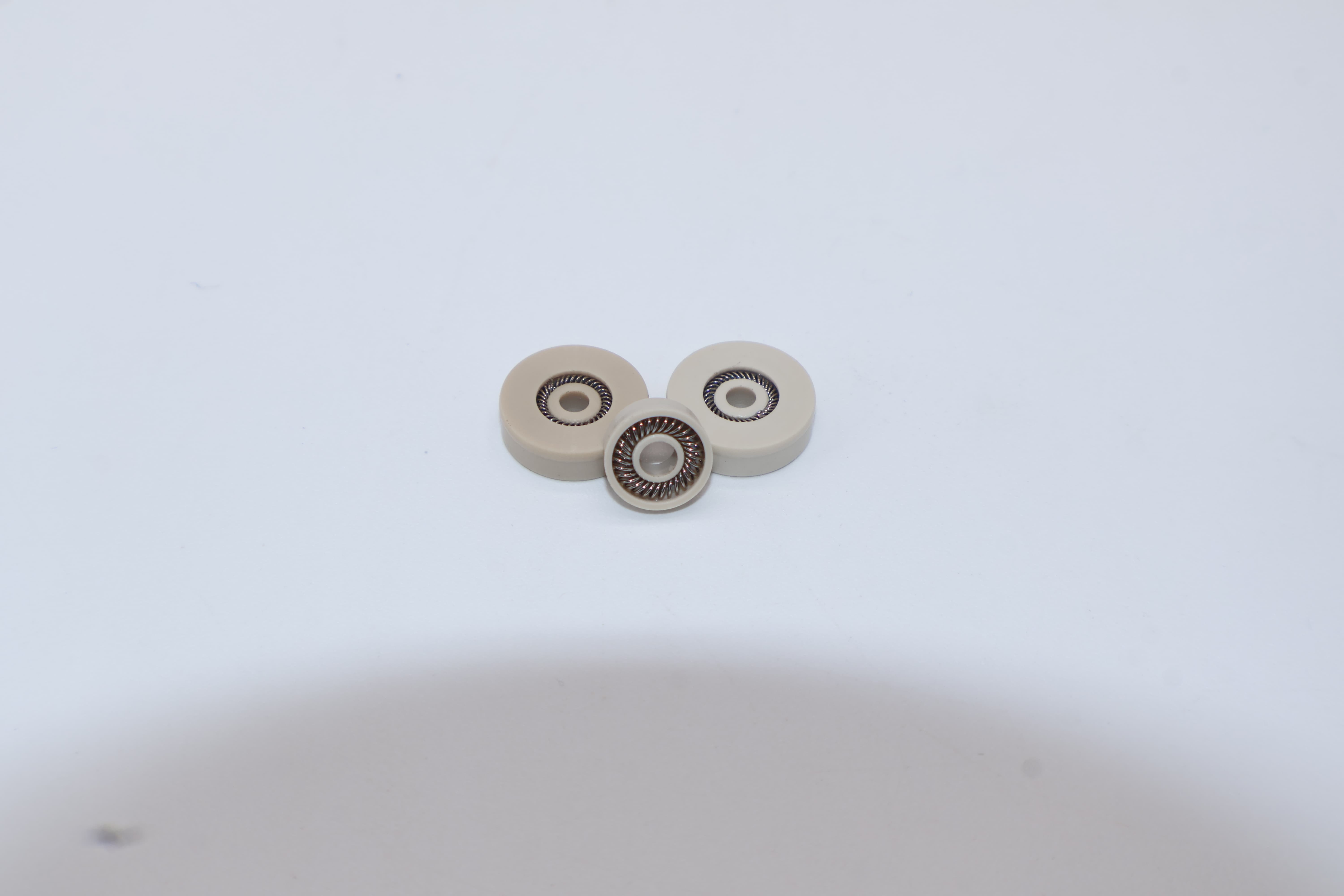
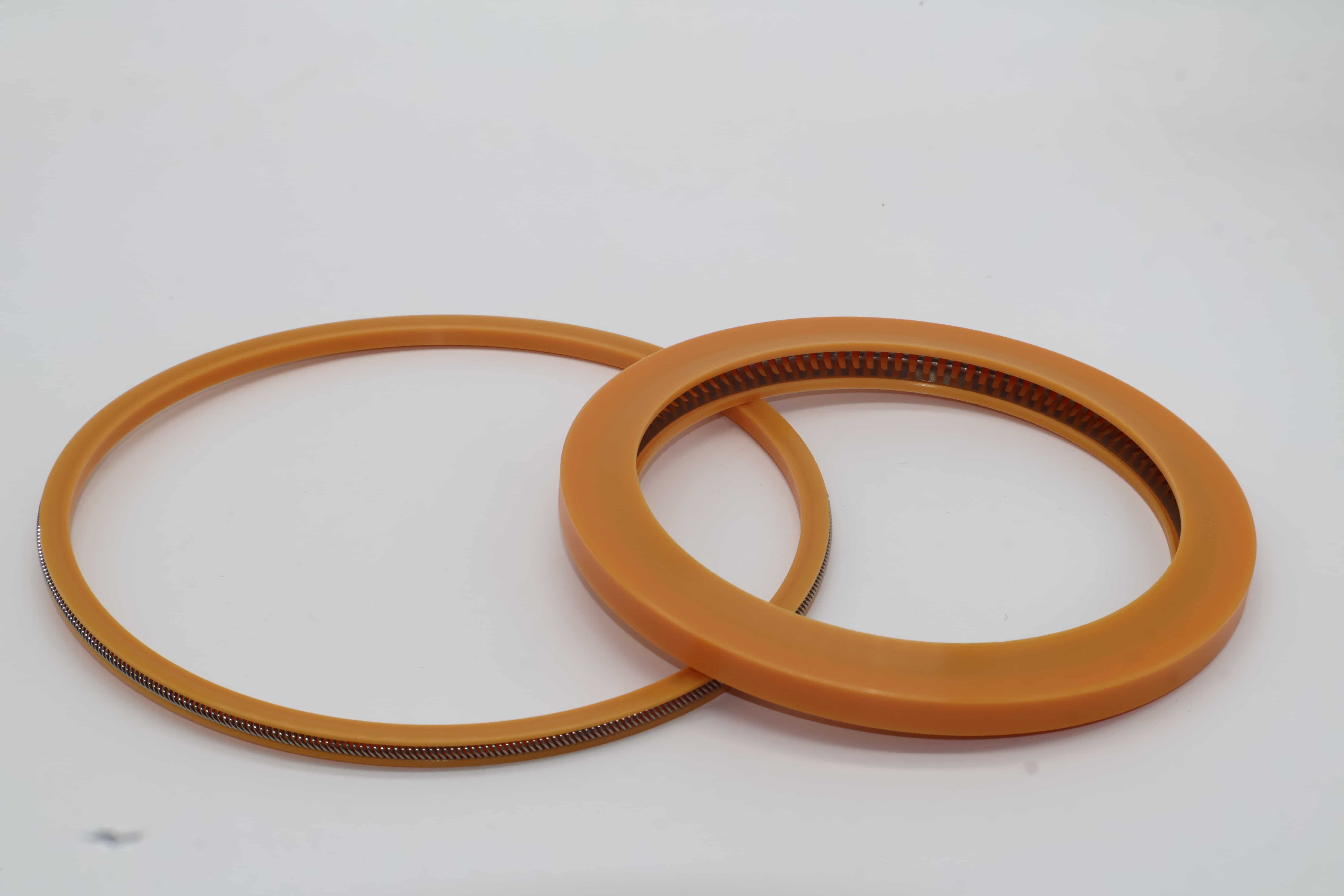
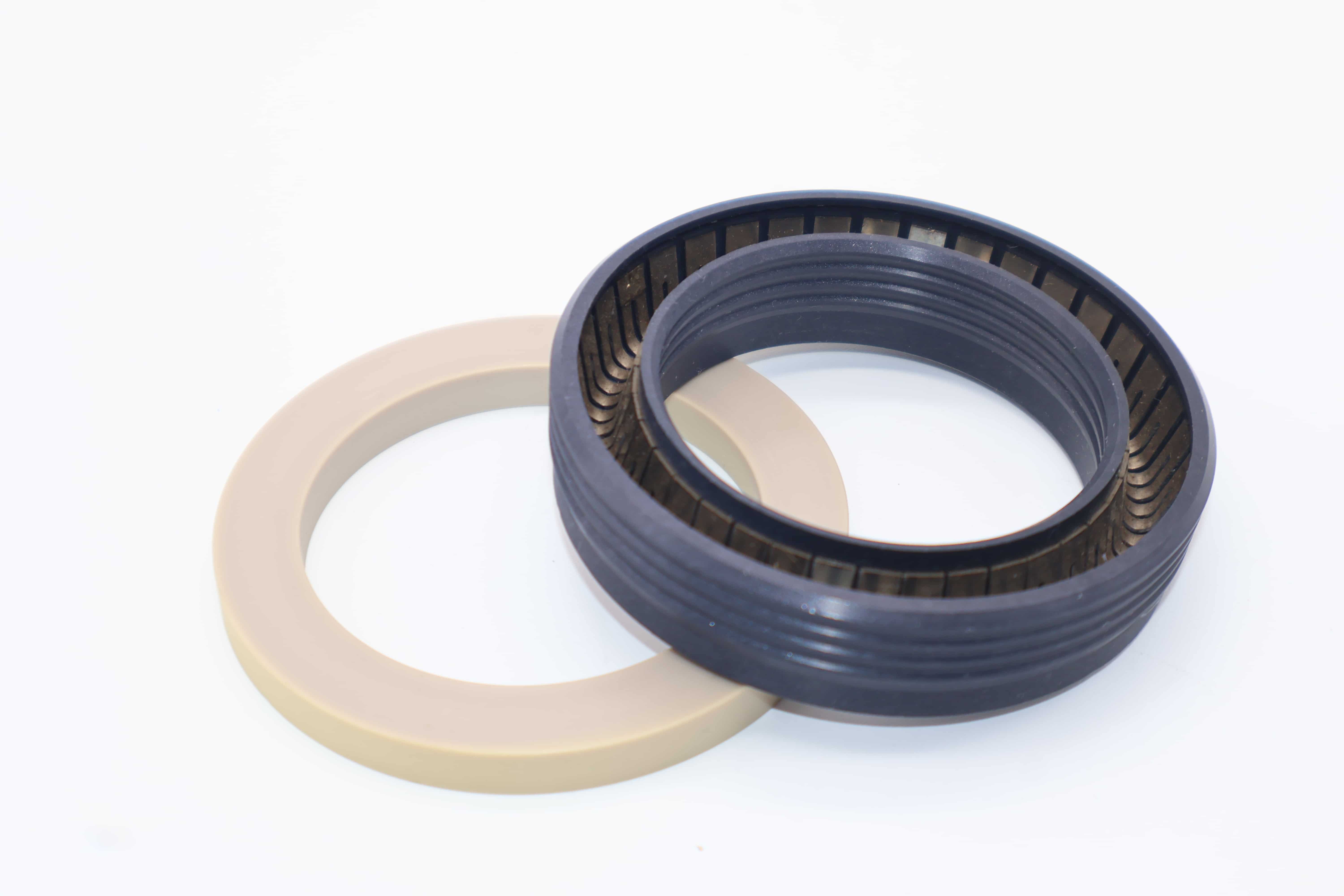
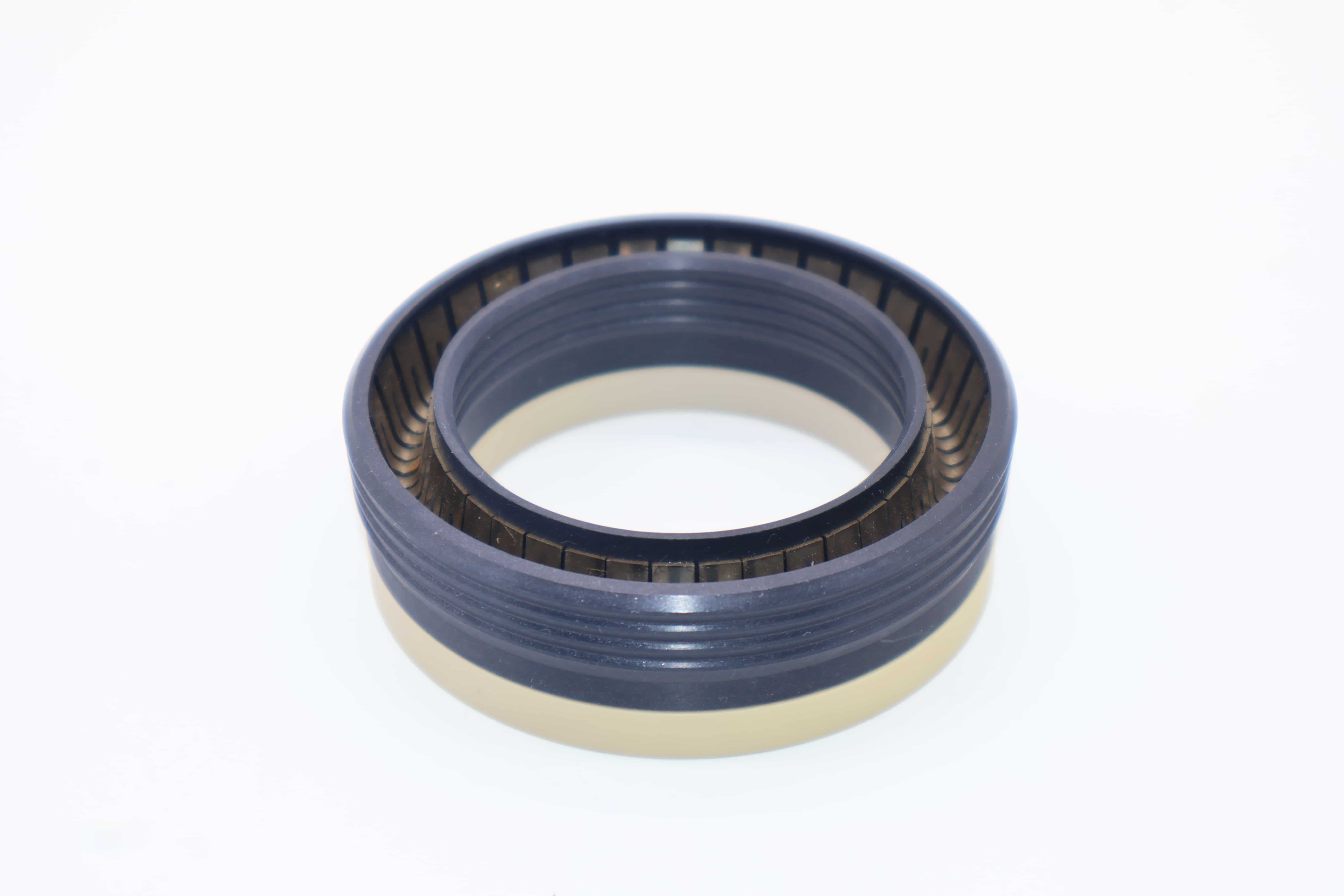
• Spring-Energized Sealing Design – The sealing rings utilize a PTFE jacket combined with a V-shaped stainless steel or alloy spring. This design ensures continuous sealing force, compensating for wear, thermal expansion, and pressure variations.
• Low Friction and Wear Resistance – PTFE materials provide low friction, reducing wear on the valve stem and extending service life.
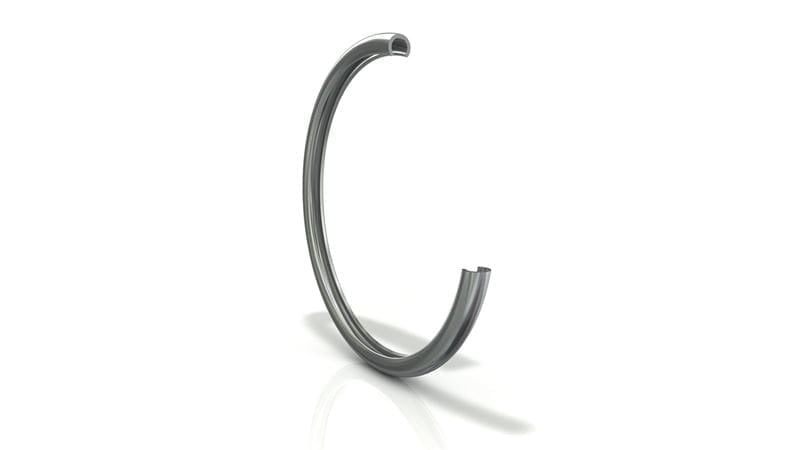
• Anti-Extrusion Protection – High-strength backup rings prevent material extrusion into clearance gaps, ensuring long-term sealing integrity.
• Enhanced Sealing Configurations for Critical Performance – Multi-lip sealing configurations (PR2 standards) improve redundancy and reduce leakage risk under extreme conditions.
Product Structure and Design
Tesel Seal valve stem sealing rings are engineered as multi-component systems to ensure optimal performance under demanding conditions. The typical structure includes:
• PTFE sealing jacket that provides chemical resistance and low friction
• V-shaped stainless steel or alloy spring that maintains consistent sealing force
• Optional high-strength backup rings that enhance resistance to extrusion under high pressure
For standard applications, single-lip designs typically meet PR1 performance requirements. For higher performance (PR2), multi-lip sealing structures improve sealing redundancy and overall reliability.
This combination ensures effective contact pressure even under dynamic operating conditions, maintaining leak-tight performance over extended service cycles.
Performance Standards
These sealing solutions meet the stringent requirements of API 6A gate valve applications:
• Suitable for PR1 performance requirements in standard oilfield operations
• Multi-lip configurations available for PR2 performance applications
• Designed to maintain sealing integrity under pressure cycling and dynamic loading
Applications
Tesel Seal valve stem sealing rings are widely used in critical oil and gas systems where sealing reliability is essential.
• Wellhead Systems (Christmas Trees) – Maintain sealing integrity at valve stem interfaces under high-pressure production, preventing hydrocarbon leakage.
• Drilling Equipment – Applied in dynamic sealing areas with pressure fluctuations, vibration, and mechanical stress for stable performance.
• Offshore Platforms – Reliable in harsh environments, including corrosion, temperature variation, and continuous operation.
• Oil and Gas Production Systems – Maintain pressure containment in valves and control systems for safe and efficient operations.
• Petrochemical Equipment – Suitable for aggressive media and elevated temperature applications.
Design Considerations
Selecting the appropriate valve stem sealing solution requires understanding operating conditions. Key factors include:
• Maximum and cyclic pressure conditions
• Temperature range and thermal cycling effects
• Media compatibility, including hydrocarbons and chemicals
• Required performance level (PR1 or PR2)
• Installation constraints and sealing geometry
Tesel Seal works closely with customers to develop optimized sealing solutions tailored to specific applications.
Failure Analysis and Optimization
Understanding common failure modes is essential for improving sealing performance and longevity:
• Extrusion Under High Pressure – Seals may deform into clearance gaps under extreme pressures. Backup rings prevent extrusion and maintain integrity.
• Wear of PTFE Components – Dynamic motion, repeated valve actuation, and friction can cause material wear. Proper material selection and spring energization reduce wear rate.
• Thermal Fatigue – Temperature cycling can cause micro-cracks or loss of elasticity. Multi-lip design distributes stress and reduces fatigue impact.
• Chemical Degradation – H2S, CO2, and hydrocarbon exposure can chemically attack seals. PEEK jackets and PTFE support rings ensure chemical compatibility.
• Seal Misalignment or Installation Issues – Incorrect installation can reduce sealing efficiency. Tesel Seal provides precise design tolerances and installation guidance to ensure optimal performance.
Optimizing sealing systems involves selecting correct materials, configuring multi-lip structures, integrating backup and support rings, and conducting field validation under representative operating conditions.
Common Questions and Answers
• What makes these seals suitable for API 6A gate valves? – Specifically engineered to meet API 6A requirements, including high-pressure resistance, temperature stability, and long-term reliability under dynamic operating conditions.
• How do the seals perform under extreme pressure? – PTFE materials, spring-energized design, and optional backup rings allow them to withstand pressures up to 20,000 psi while preventing extrusion and maintaining sealing integrity.
• What is the difference between PR1 and PR2 configurations? – PR1 uses single-lip designs for standard applications; PR2 uses multi-lip structures for enhanced redundancy and performance.
• Can these sealing solutions be customized? – Yes, Tesel Seal provides tailored designs for material selection, sealing geometry, and performance optimization.
Call to Action
Achieve Leak-Tight Valve Stem Sealing in Extreme Oilfield Conditions
Request a Quote Today
• Share your operating conditions
• Receive optimized sealing design
• Fast engineering support within 24 hours