 EN
EN

PTFE Lip Seal For Single Piston Valve Seat Of API 6D Normal Temperature Valve
High-Integrity Sealing Solutions for API 6D Ball Valves
- Overview
- Recommended Products
Commercial Terms of Products:
Minimum Order Quantity |
NO MOQ |
Packaging Details |
Per bag In Cartons |
Delivery Time |
15 Days (Rush Manufacturing Available) |
Payment Terms |
Flexible Payment Terms Available Based on Project Requirements |
Overview
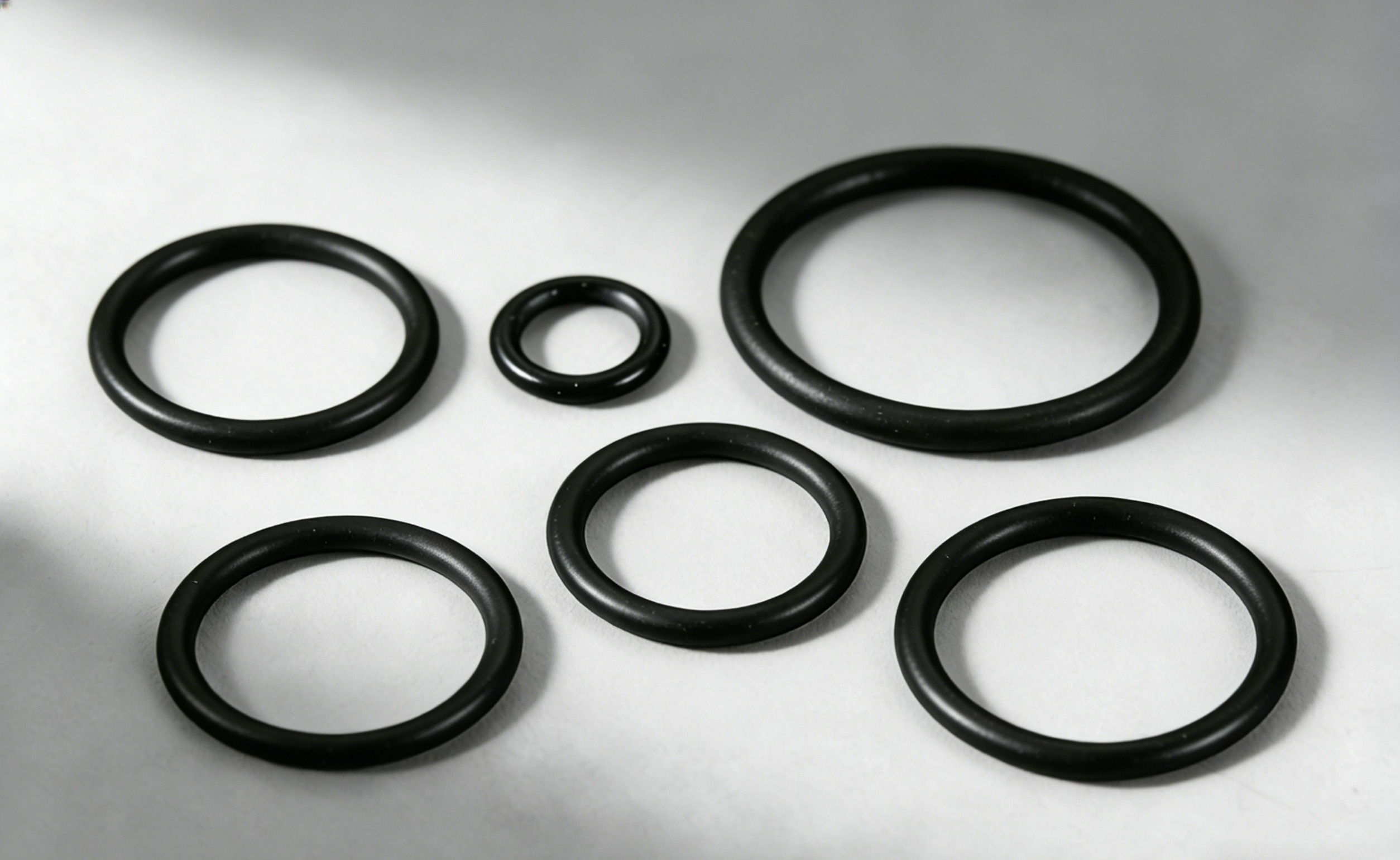
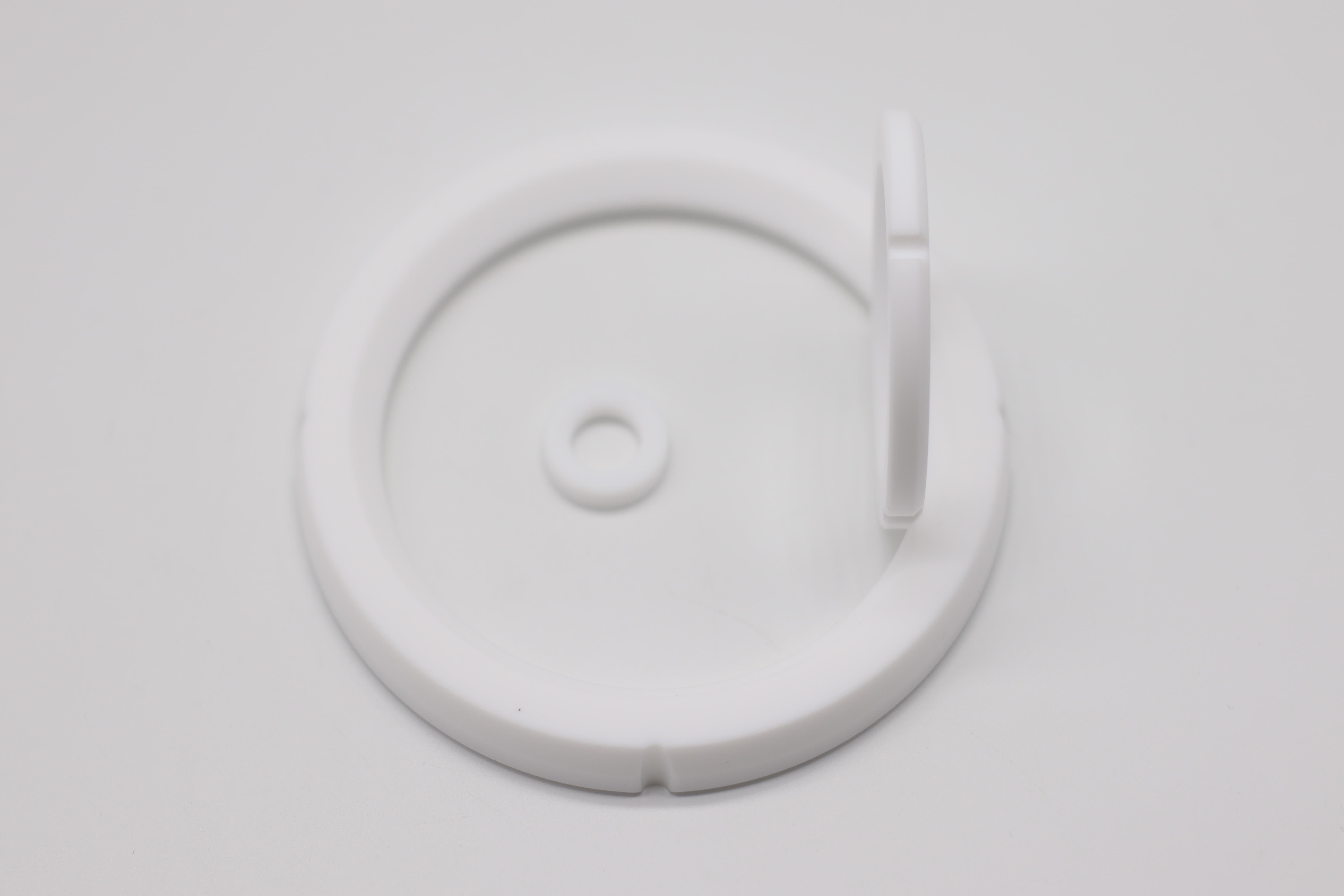
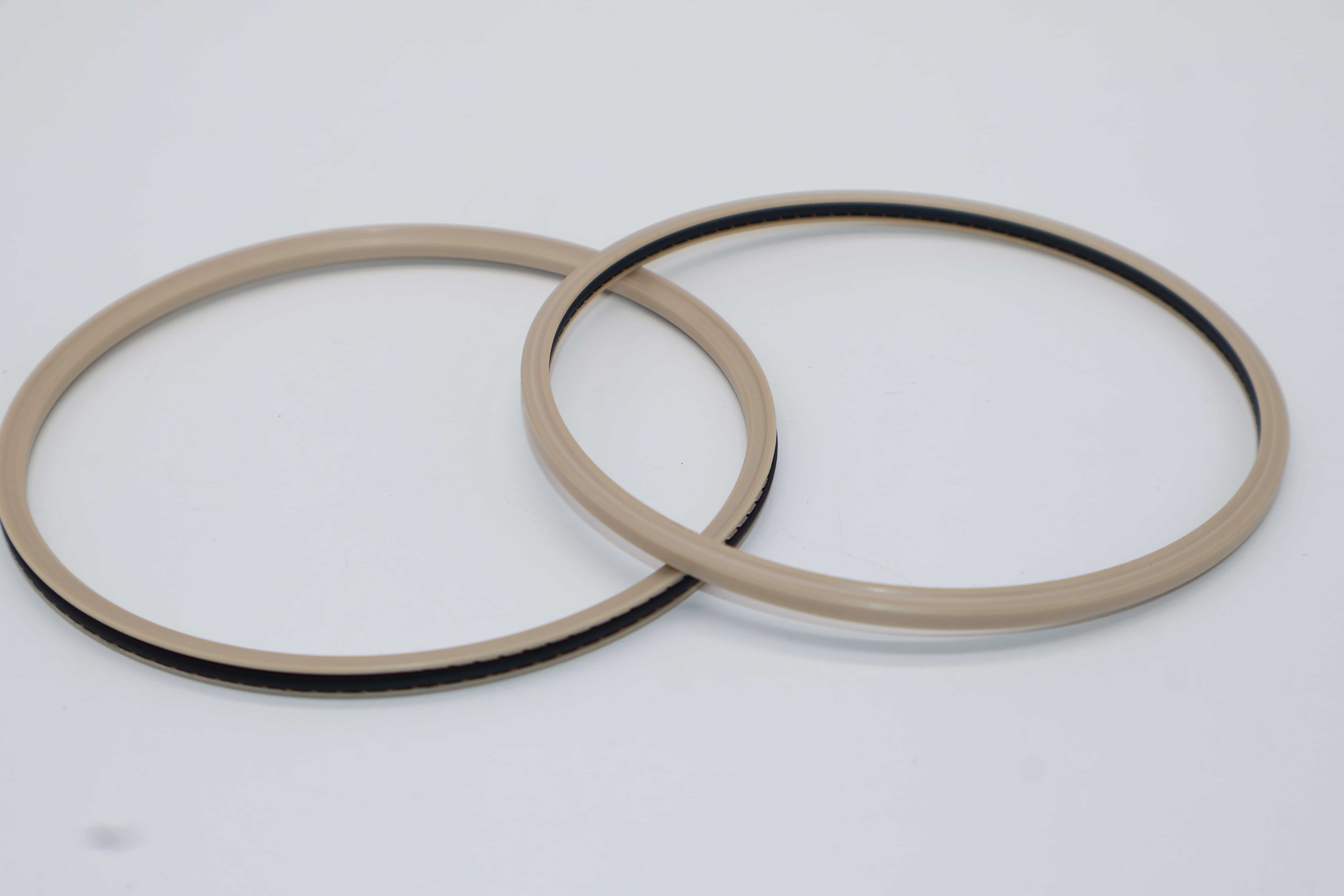
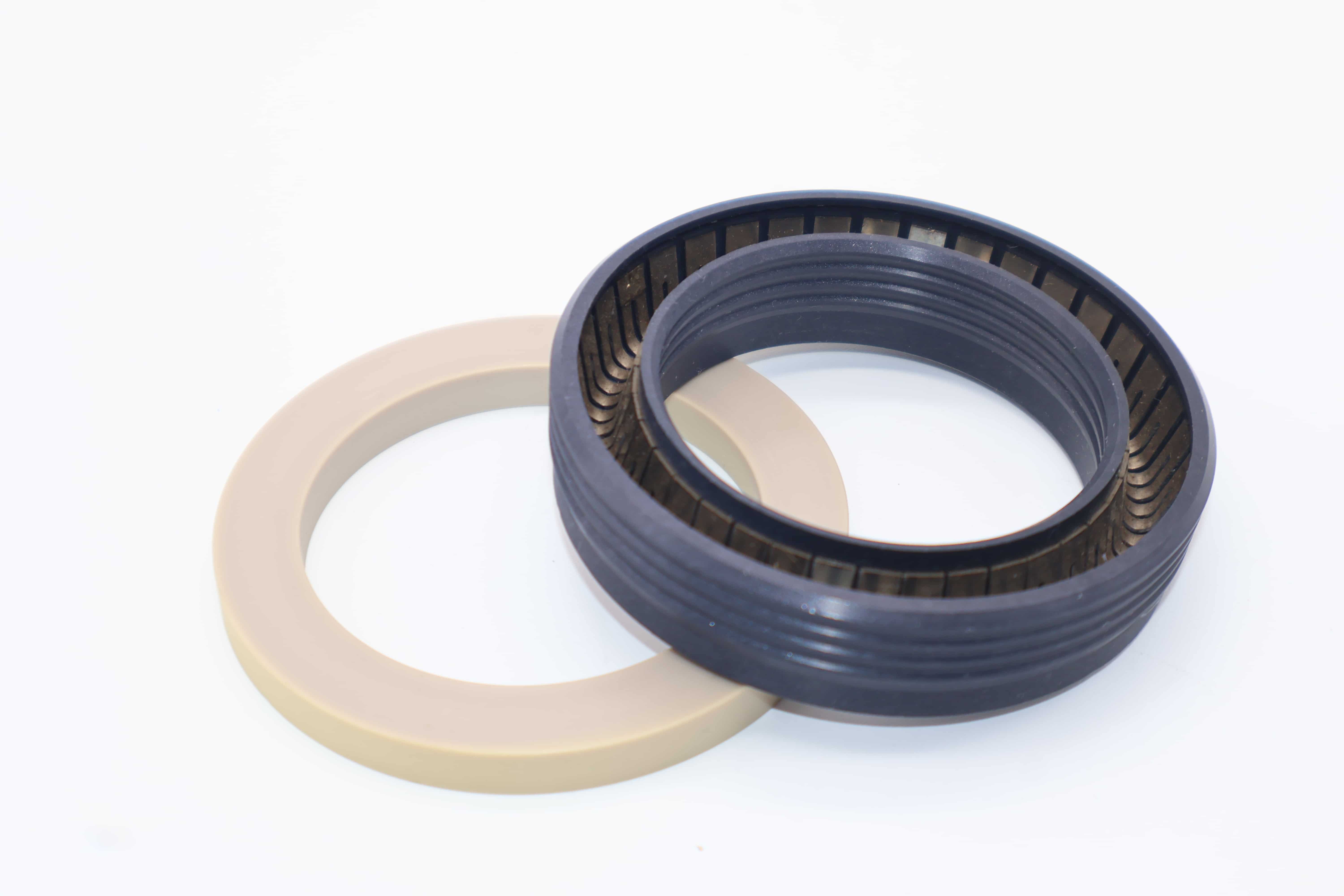
Tesel Seal designs and manufactures ambient temperature single piston PTFE seals engineered for API 6D ball valves in demanding oil and gas applications. These seals provide reliable performance under pressure fluctuations, dynamic motion, and aggressive media conditions.
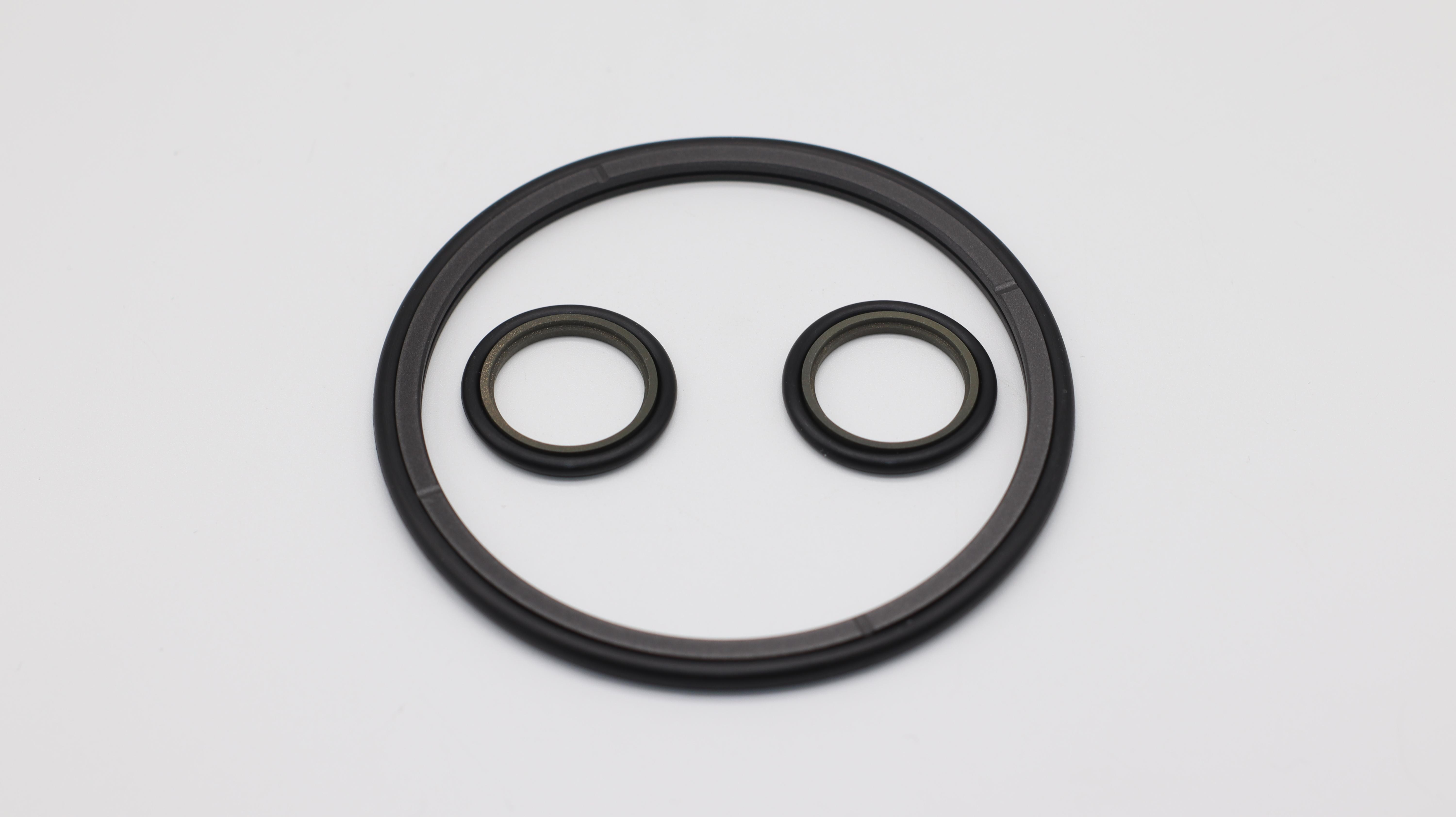
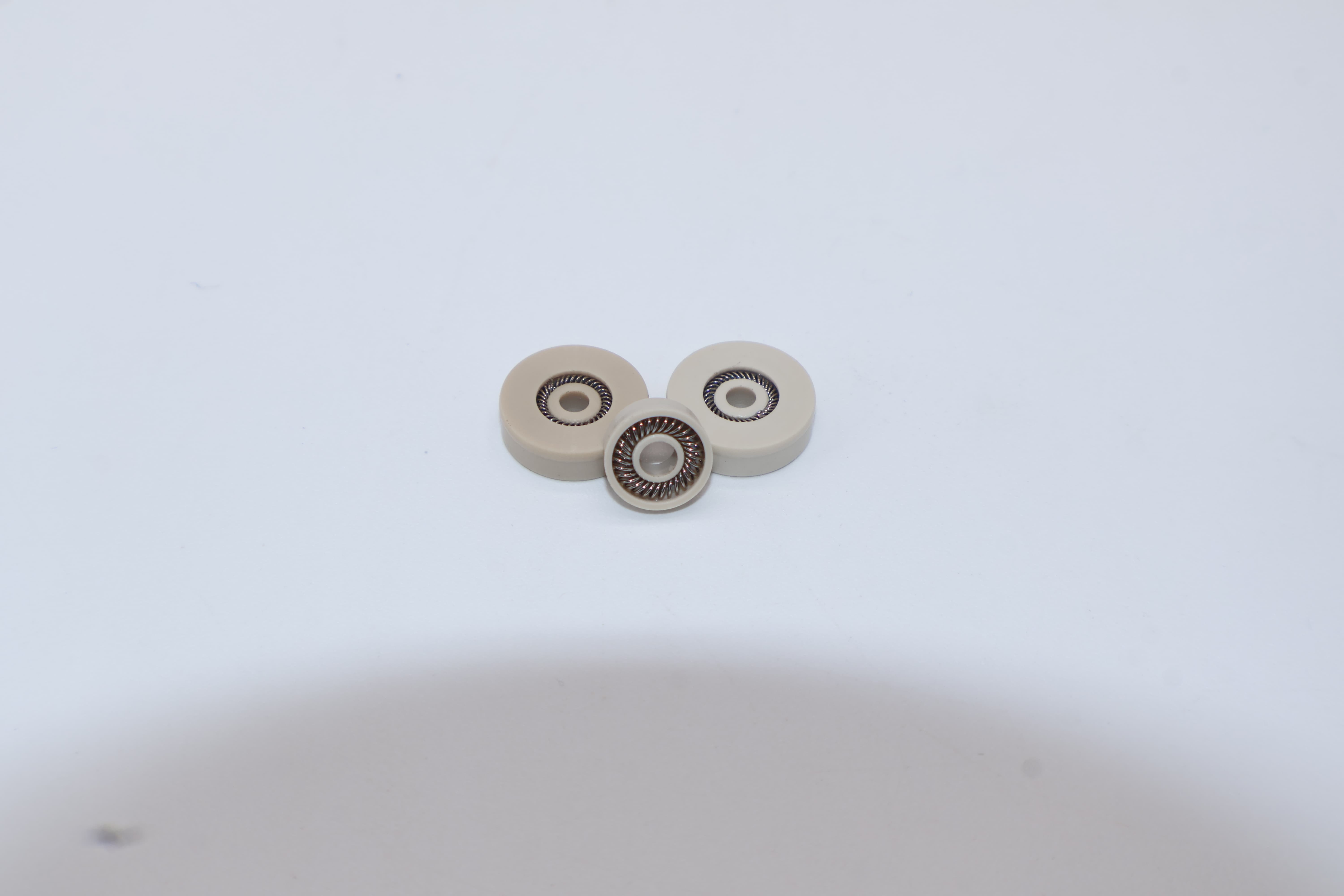
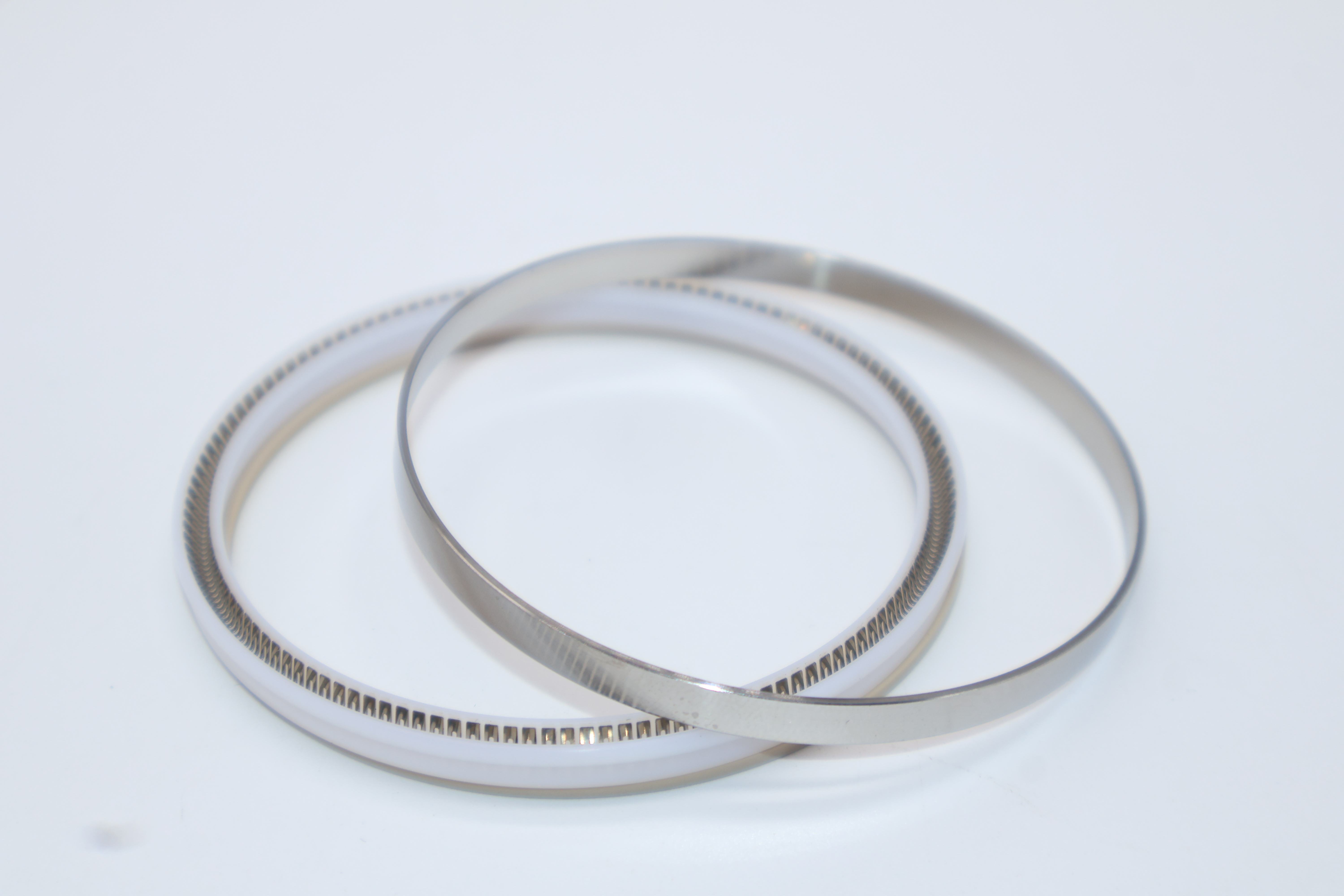
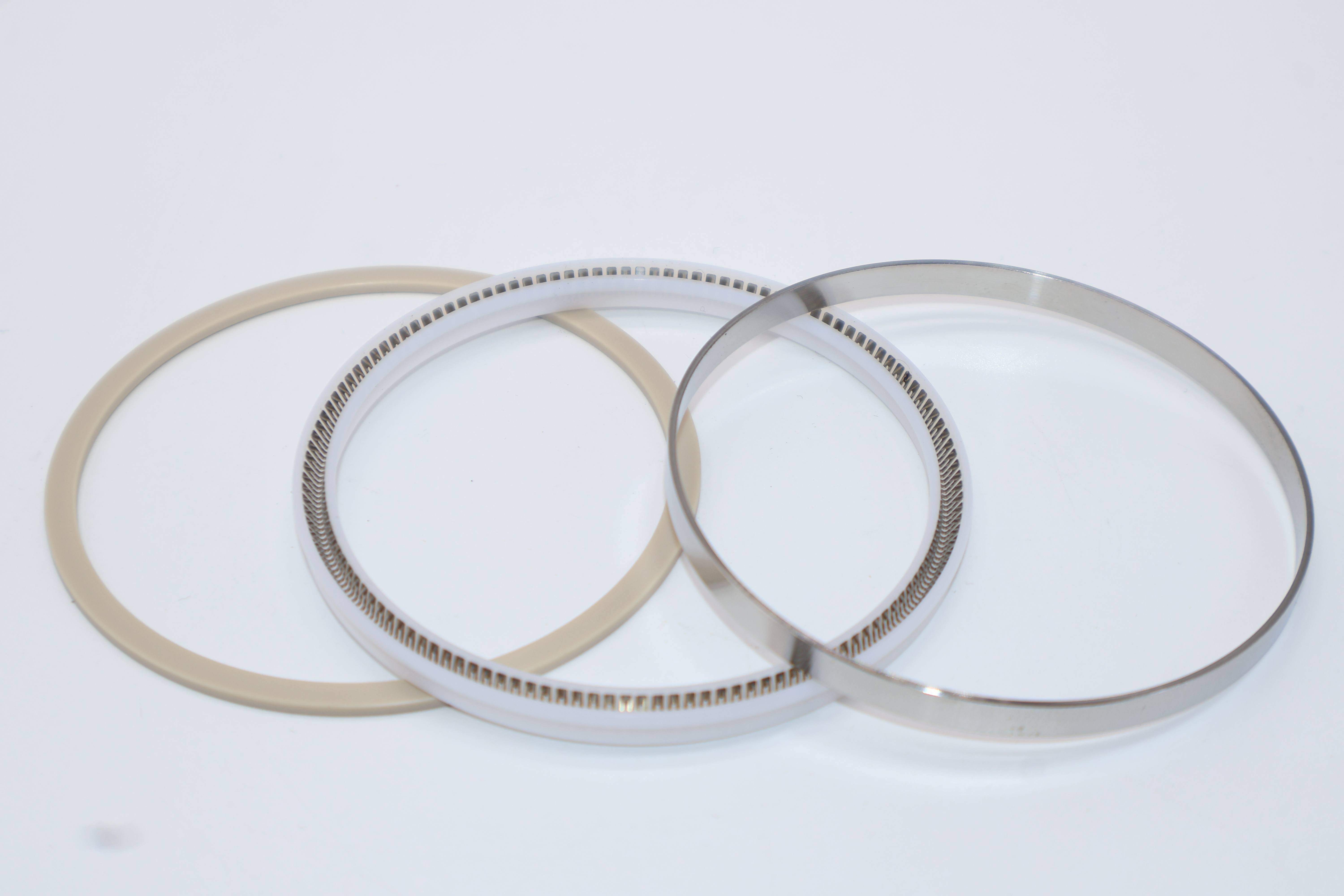
The sealing system combines a PTFE jacket with a stainless steel or alloy V-shaped spring and PTFE, PEEK, or metal support rings. The design ensures stable sealing force, protects the sealing lip under reverse pressure, and enables self-relieving of overpressure.
Operating from -50°C to 200°C and up to 2500 LB, Tesel Seal delivers customized sealing solutions for pipelines, processing systems, and critical valve applications requiring long-term reliability and minimal maintenance.
Technical Specifications
Parameter |
Value |
Temperature Range |
-50°C to 200°C |
Maximum Pressure |
Up to 2500 LB |
Sealing Material |
PTFE jacket with PTFE/PEEK/metal support |
Spring Type |
Stainless steel or alloy V-shaped spring |
Backup Ring |
High-strength bottom ring |
Support Ring |
PTFE, PEEK, or metallic |
Sealing Configuration |
Single piston |
Application Standard |
API 6D ball valves |
Key Features and Performance Advantages
• Wide Temperature Capability – Effective sealing from -50°C to 200°C, supporting both cryogenic and elevated temperature operations.
• High Pressure Resistance – Supports pressures up to 2500 LB, while maintaining consistent sealing under fluctuating conditions.
• Single Piston Design – Provides precise sealing at the valve seat, reducing leakage risk and ensuring system integrity.
• V-Spring Energized – Continuous radial sealing force ensures long-term performance and allows automatic pressure relief when required.
• Support Ring Protection – Reinforced PTFE, PEEK, or metallic support ring prevents lip deformation under excessive reverse pressure, safeguarding the seal integrity.
• Bottom Backup Ring – Enhances performance under high-pressure scenarios and protects against extrusion or material displacement.
• Chemical Compatibility – Resistant to hydrocarbons, natural gas, H2S, CO2, and other aggressive chemical agents common in oil and gas operations.
• Extended Service Life – Low friction PTFE and optimized design minimize wear and reduce maintenance cycles, providing long-term operational efficiency.
• Reliable Multi-Component Assembly – The integration of PTFE jacket, V-spring, support ring, and backup ring ensures stable sealing under dynamic, thermal, and chemical stresses.
• Field-Validated Performance – Tesel Seal products are tested in representative operating conditions to guarantee consistent performance across the service life of the valve.
Product Structure and Design
Tesel Seal ambient temperature single piston PTFE seals are designed as multi-component assemblies to ensure optimal sealing in demanding applications:
• PTFE sealing jacket for primary sealing and chemical resistance
• Stainless steel or alloy V-shaped spring for continuous radial force
• PTFE, PEEK, or metallic support ring for mechanical reinforcement and overpressure protection
• Bottom backup ring for high-pressure support
This design ensures stable sealing under dynamic motion, pressure cycling, and thermal variations. The assembly maintains effective sealing, reduces leakage risk, and provides long-term reliability.
Applications
Tesel Seal ambient temperature single piston PTFE seals are widely used across the oil and gas industry, petrochemical, and LNG sectors:
• API 6D Ball Valves – Ensures leak-tight sealing at the valve seat.
• Natural Gas Extraction Systems – Protects against pressure fluctuations in wellhead and pipeline operations.
• Petroleum Transport Pipelines – Maintains integrity under operational pressure variations.
• Gas Receiving & Distribution Facilities – Supports safe transfer and containment of gases.
• Offshore & Onshore Facilities – Resistant to aggressive media, chemical attack, and environmental exposure.
• Industrial Process Control Valves – Provides reliable sealing in control and regulation systems, improving system uptime and safety.
Design Considerations
When selecting ambient temperature single piston PTFE seals, the following factors must be considered:
• Pressure Conditions – Maximum and cyclic pressure, as well as overpressure protection requirements.
• Temperature Range – Including both low-temperature and high-temperature operational environments.
• Sealing Performance – Required redundancy and self-relieving function to manage overpressure events.
• Media Compatibility – Hydrocarbons, H2S, CO2, and other aggressive fluids.
• Seal Configuration – Selection of PTFE, PEEK, or metallic support rings according to application needs.
• Installation Constraints – Valve seat geometry, gland depth, and assembly space.
Failure Analysis and Optimization
• Overpressure Deformation – Reverse pressure exceeding 1.33× rated pressure can damage sealing lip; support rings prevent this.
• Wear of PTFE Components – Repeated motion and friction can erode sealing elements. Proper spring energization minimizes wear.
• Thermal Fatigue – Temperature cycling may reduce elasticity; multi-component design distributes stress.
• Chemical Degradation – H2S, CO2, hydrocarbons, and other fluids may chemically attack seals; PEEK and PTFE resist degradation.
• Installation Misalignment – Improper installation can impair sealing efficiency; precise tolerances are critical.
Optimizing performance involves material selection, multi-lip configuration, backup and support integration, and field validation under representative conditions.
Common Questions and Answers
• Can the seal relieve overpressure? – Yes, the V-spring design allows self-relieving when necessary.
• What is the maximum pressure? – Up to 2500 LB for standard API 6D applications.
• Is it suitable for oil and gas? – Yes, materials resist hydrocarbons, H2S, CO2, and other aggressive media.
• Is customization possible? – Tesel Seal can provide tailored designs based on valve dimensions, media, and operational requirements.
Call to Action
Optimize Ball Valve Performance with PTFE Single Piston Seals
• Send your drawings or specifications
• Get material and design recommendations
• Fast response within 24 hours