 EN
EN

- Overview
- Recommended Products
Commercial Terms of Products:
Minimum Order Quantity |
NO MOQ |
Packaging Details |
Per bag In Cartons |
Delivery Time |
15 Days (Rush Manufacturing Available) |
Payment Terms |
Flexible Payment Terms Available Based on Project Requirements |
Overview
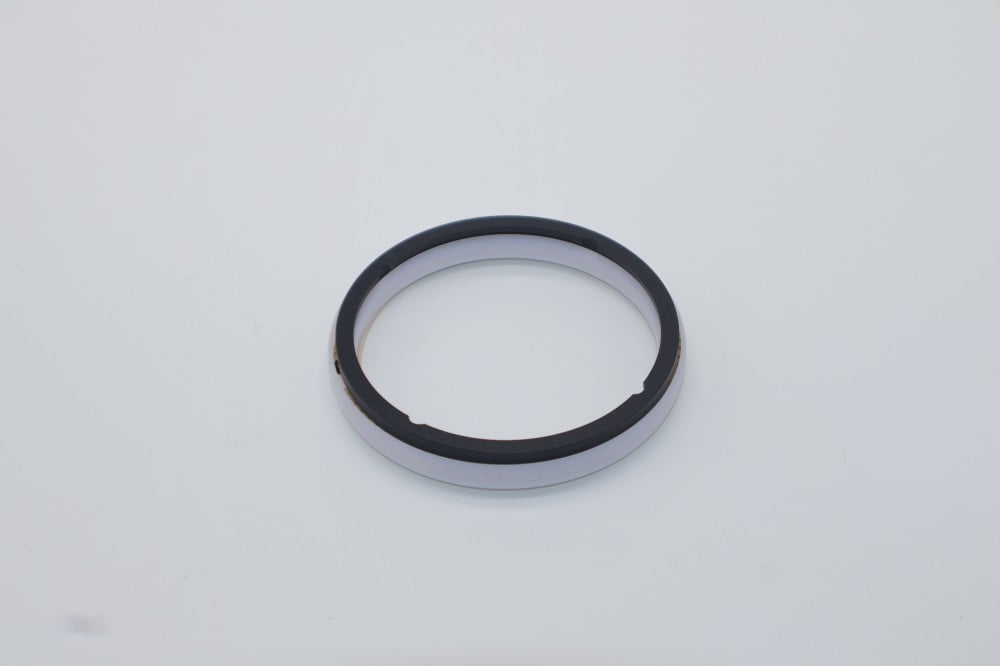
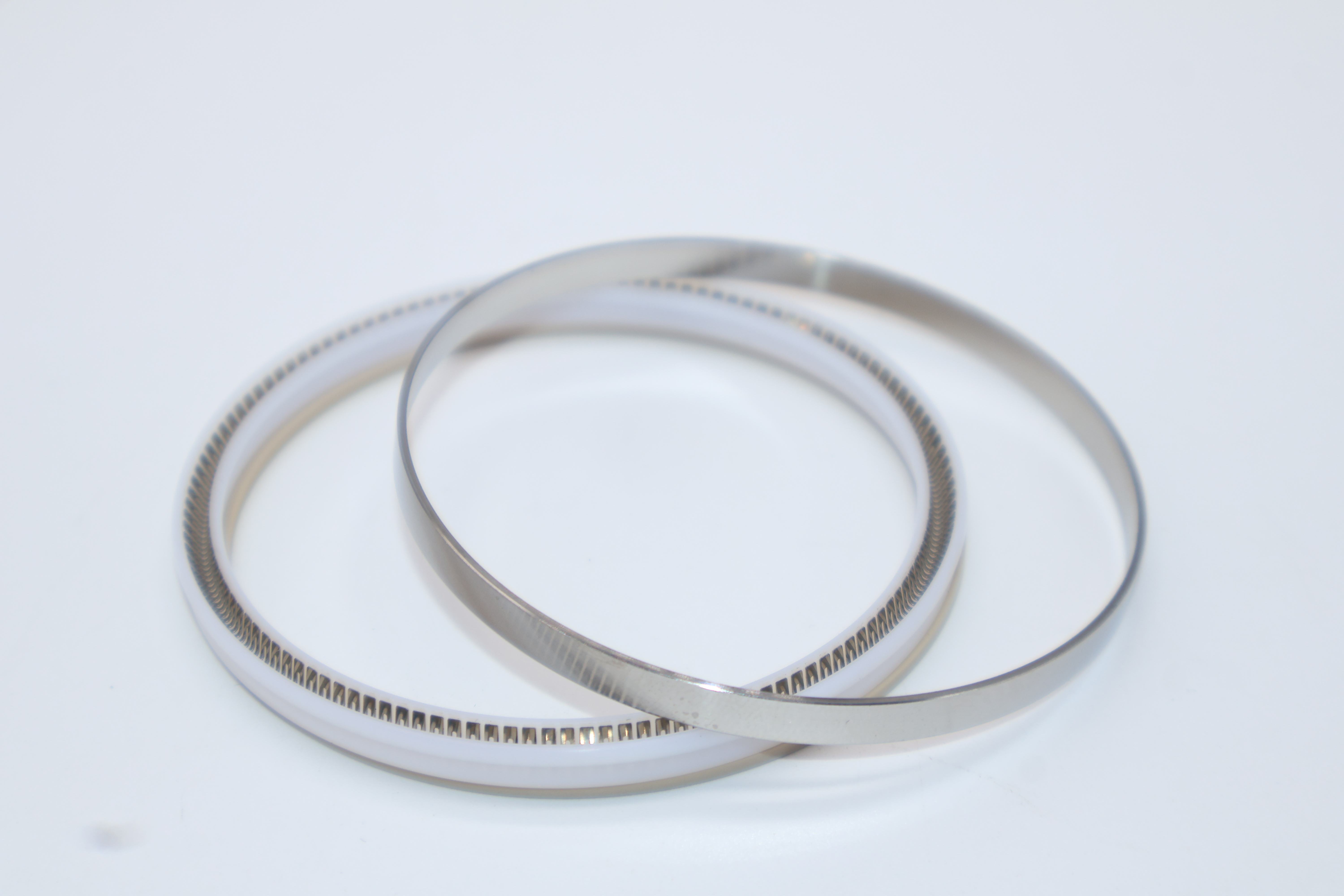
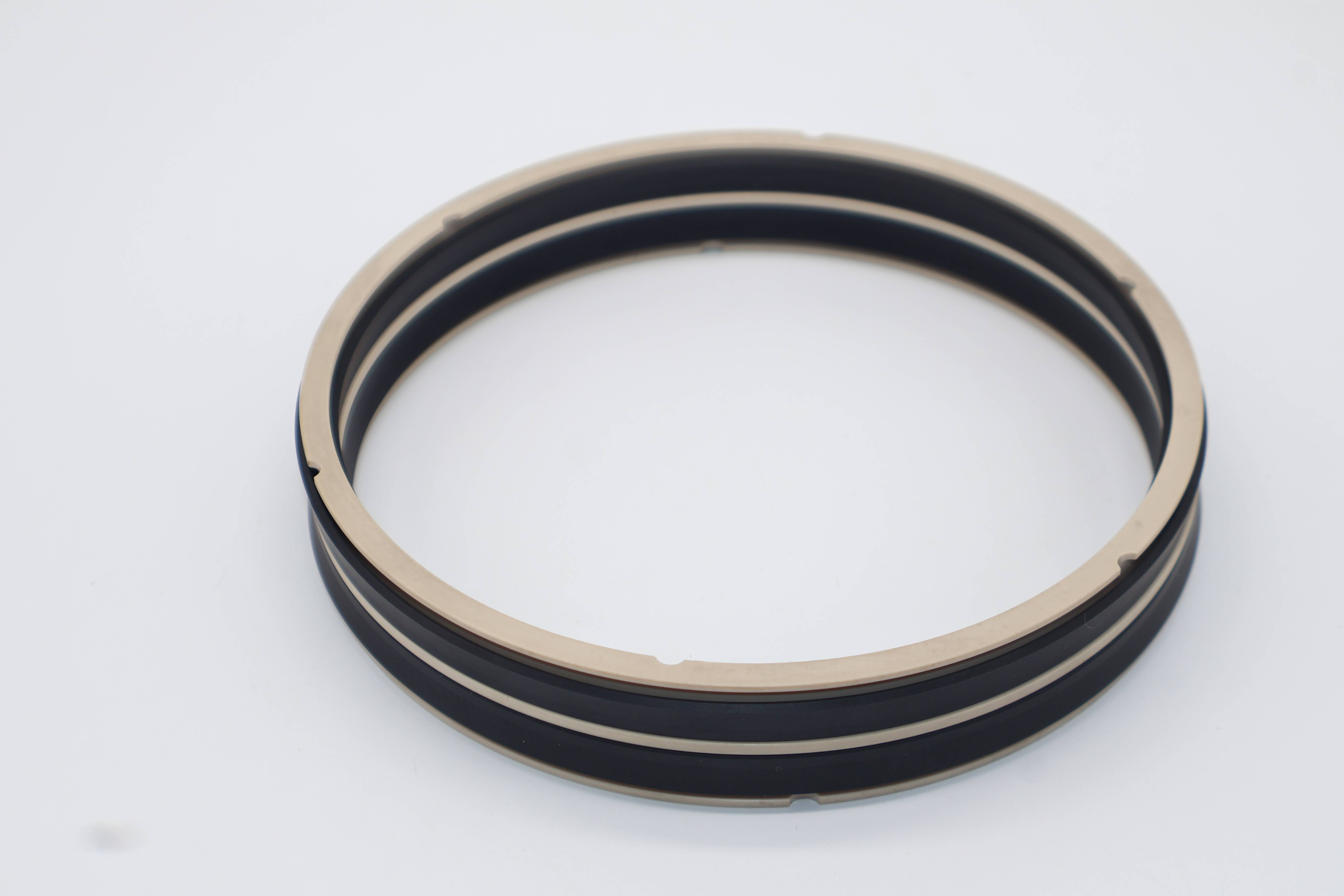
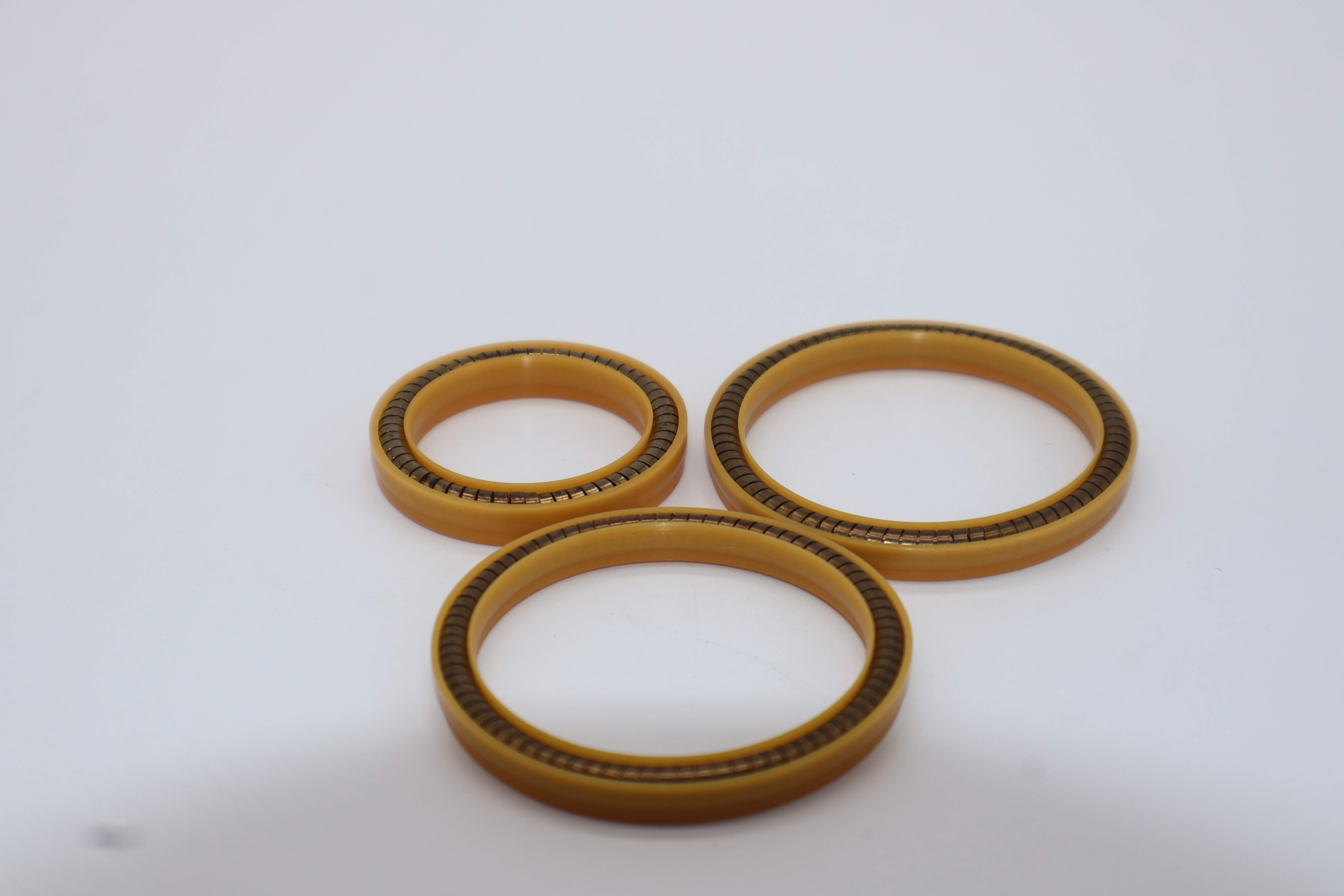
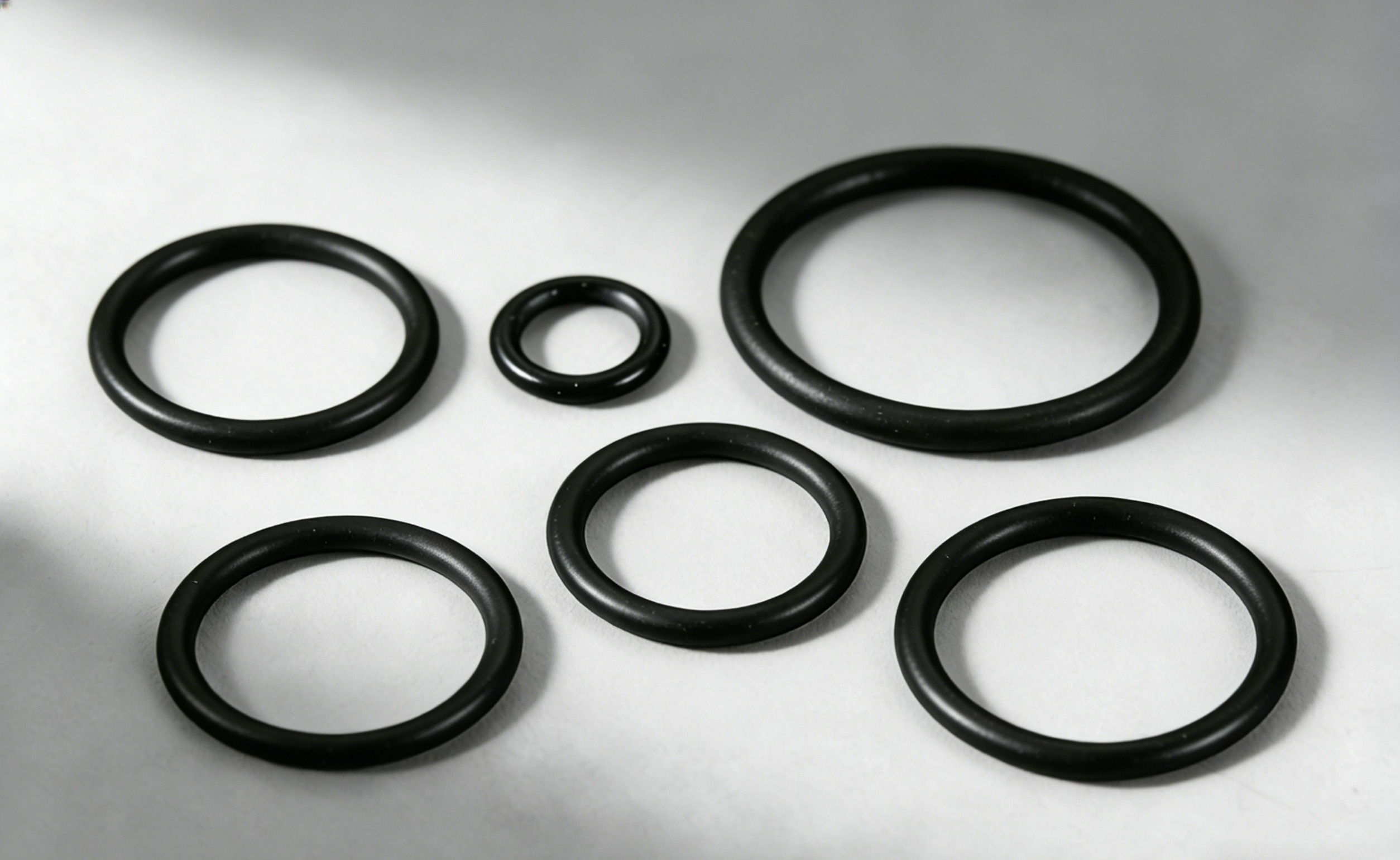
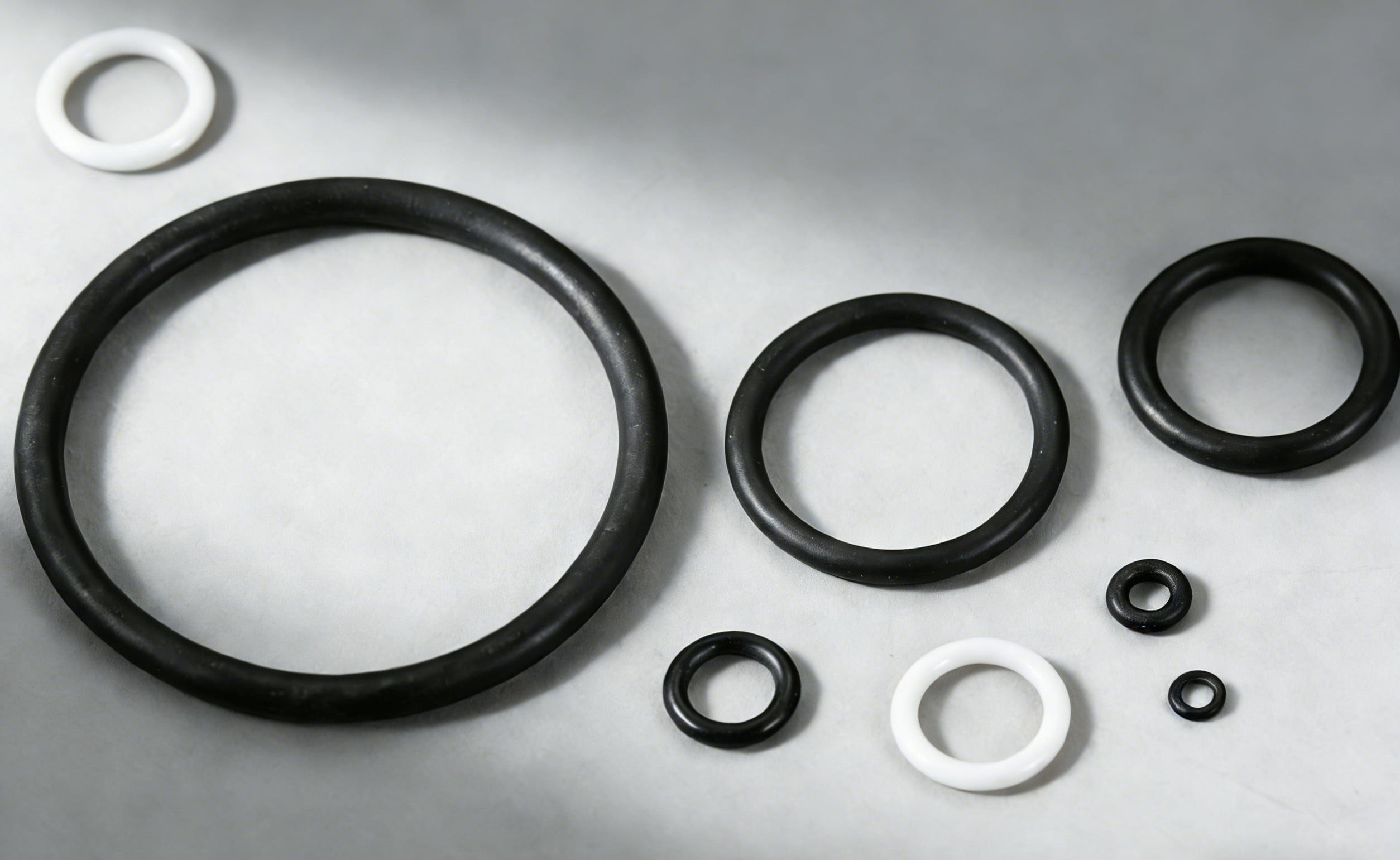
Tesel Seal designs and manufactures FFKM O-rings engineered for extreme temperature and chemically aggressive environments. These perfluoroelastomer seals deliver reliable performance where standard elastomers fail.
Manufactured from high-purity FFKM compounds, they provide exceptional chemical resistance, thermal stability, and resistance to swelling and degradation across a wide range of aggressive media.
Operating from -40°C to 327°C, Tesel Seal FFKM O-rings are ideal for critical applications requiring long service life, high reliability, and minimal maintenance.
Technical Specifications
Parameter |
Value |
Temperature Range |
-40°C to 327°C |
Pressure Rating |
Up to 20,000 psi (depending on application) |
Sealing Material |
FFKM perfluoroelastomer |
Seal Configuration |
O-ring |
Backup Ring |
Optional for high-pressure or extrusion prevention |
Hardness |
60–90 Shore A (customizable) |
Chemical Resistance |
Resistant to acids, bases, solvents, hydrocarbons, H2S, CO2 |
Application Standard |
ASTM D1418, ISO 3601 |
Key Features and Performance Advantages
• Extreme Temperature Capability – Maintains sealing performance from -40°C up to 327°C, suitable for both high-temperature process lines and low-temperature cryogenic service.
• Chemical Resistance – Perfluoroelastomer construction provides unmatched resistance to a wide range of aggressive media, including acids, bases, hydrocarbons, solvents, and corrosive gases such as H2S, CO2, and chlorine.
• Low Compression Set – Excellent recovery after deformation ensures long-term sealing effectiveness, reducing the need for frequent maintenance.
• Dynamic and Static Application Versatility – Suitable for both static sealing, such as flanges and housing interfaces, and dynamic sealing in rotary or reciprocating equipment.
• High Dimensional Stability – FFKM O-rings retain their shape and sealing force under thermal cycling, pressure variations, and prolonged exposure to harsh media.
• Low Permeability – Minimal permeation of gases and liquids enhances containment in vacuum and high-purity systems.
• Wide Hardness Range – Available in varying durometer levels to accommodate specific sealing requirements, balancing flexibility and mechanical strength.
• Longevity and Reliability – Resistant to aging, oxidation, and chemical attack, resulting in extended service life and reduced operational downtime.
Product Structure and Design
Tesel Seal FFKM O-Rings are precision-manufactured perfluoroelastomer components designed to provide consistent, high-integrity sealing:
• Fully perfluoroelastomer composition for chemical and thermal resistance
• Precision tolerance for tight sealing in static and dynamic applications
• Optional backup rings or energizers for high-pressure or critical environments
• Smooth surface finish to minimize friction, wear, and particle generation
This design ensures a reliable sealing interface across a wide range of pressures, temperatures, and media, suitable for both industrial and high-purity systems.
Applications
Tesel Seal FFKM O-Rings are widely used in industries where chemical compatibility and temperature resilience are essential:
• Chemical Processing Equipment – Pumps, reactors, valves, and pipelines handling aggressive chemicals.
• Oil & Gas Systems – High-pressure valves, wellhead equipment, and pipelines exposed to sour gas, H2S, CO2, and hydrocarbons.
• Semiconductor and High-Purity Systems – Ultra-clean environments where low outgassing and chemical inertness are required.
• Pharmaceutical and Food Processing – Systems requiring chemical resistance, low extractables, and high cleanliness.
• Vacuum and Cryogenic Systems – Low permeation and dimensional stability under thermal cycling and vacuum conditions.
• Dynamic Sealing – Rotary shafts, piston applications, and compressors where movement occurs while maintaining chemical resistance.
Material Selection Strategy
Choosing the correct FFKM grade and configuration depends on operating conditions:
• Temperature Considerations – Select perfluoroelastomer grade based on maximum and minimum temperatures of the application.
• Chemical Exposure – Ensure compatibility with acids, solvents, hydrocarbons, or specialized chemicals present in the system.
• Pressure Requirements – High-pressure systems may require backup rings or multi-lip designs for extrusion prevention.
• Dynamic vs Static Sealing – Adjust durometer hardness and tolerances to suit movement or static containment.
• Regulatory Requirements – Compliance with FDA, USP, or other industry standards where applicable.
Design Considerations
When implementing FFKM O-Rings in critical applications, consider:
• Maximum and cyclic pressure levels for long-term sealing integrity
• Temperature fluctuations and thermal expansion effects
• Chemical composition of the media to prevent swelling or degradation
• Required performance level, including zero leakage and high purity
• Installation space and gland design for optimal compression and fit
Failure Analysis and Optimization
Understanding common failure modes helps optimize FFKM O-ring performance:
• Chemical Degradation – Incompatible chemicals can lead to swelling or cracking; selecting correct material grades prevents failures.
• Thermal Fatigue – Extreme temperature cycling may cause material hardening or micro-cracks; proper durometer and compression mitigate risk.
• Compression Set – Long-term compression without recovery can reduce sealing force; FFKM’s low compression set mitigates this issue.
• Extrusion or Blowout – High-pressure conditions may deform O-rings; backup rings and energizers prevent extrusion.
• Installation Damage – Misalignment or improper handling can compromise sealing; precision tolerances and proper installation techniques are essential.
Optimization involves selecting the appropriate FFKM grade, gland design, backup rings, and verifying compatibility through simulation or testing under representative conditions.
Common Questions and Answers
• What makes FFKM O-rings better than standard FKM or PTFE? – FFKM offers superior chemical resistance, higher temperature range, and minimal permeation, outperforming standard elastomers in aggressive environments.
• Can these seals handle high pressure? – Yes, especially when combined with backup rings or multi-lip configurations for extrusion prevention.
• Are they suitable for dynamic applications? – Yes, optimized durometer grades and surface finishes allow use in rotary or reciprocating motion with minimal wear.
• Can Tesel Seal customize O-rings? – Absolutely. Custom sizes, durometers, and material formulations are available to meet specific process requirements.
Call to Action
Upgrade to FFKM Seals for Maximum Chemical Resistance and Thermal Stability
Request a Quote Today
• Share your operating conditions
• Receive optimized material selection
• Fast engineering support within 24 hours