 EN
EN

Cryogenic (LNG) Single Piston Spring Energized Seal For API 6D Cryogenic Ball Valve
High-Integrity Sealing Solutions for Cryogenic API 6D Valves
- Overview
- Recommended Products
Commercial Terms of Products:
Minimum Order Quantity |
NO MOQ |
Packaging Details |
Per bag In Cartons |
Delivery Time |
15 Days (Rush Manufacturing Available) |
Payment Terms |
Flexible Payment Terms Available Based on Project Requirements |
Overview
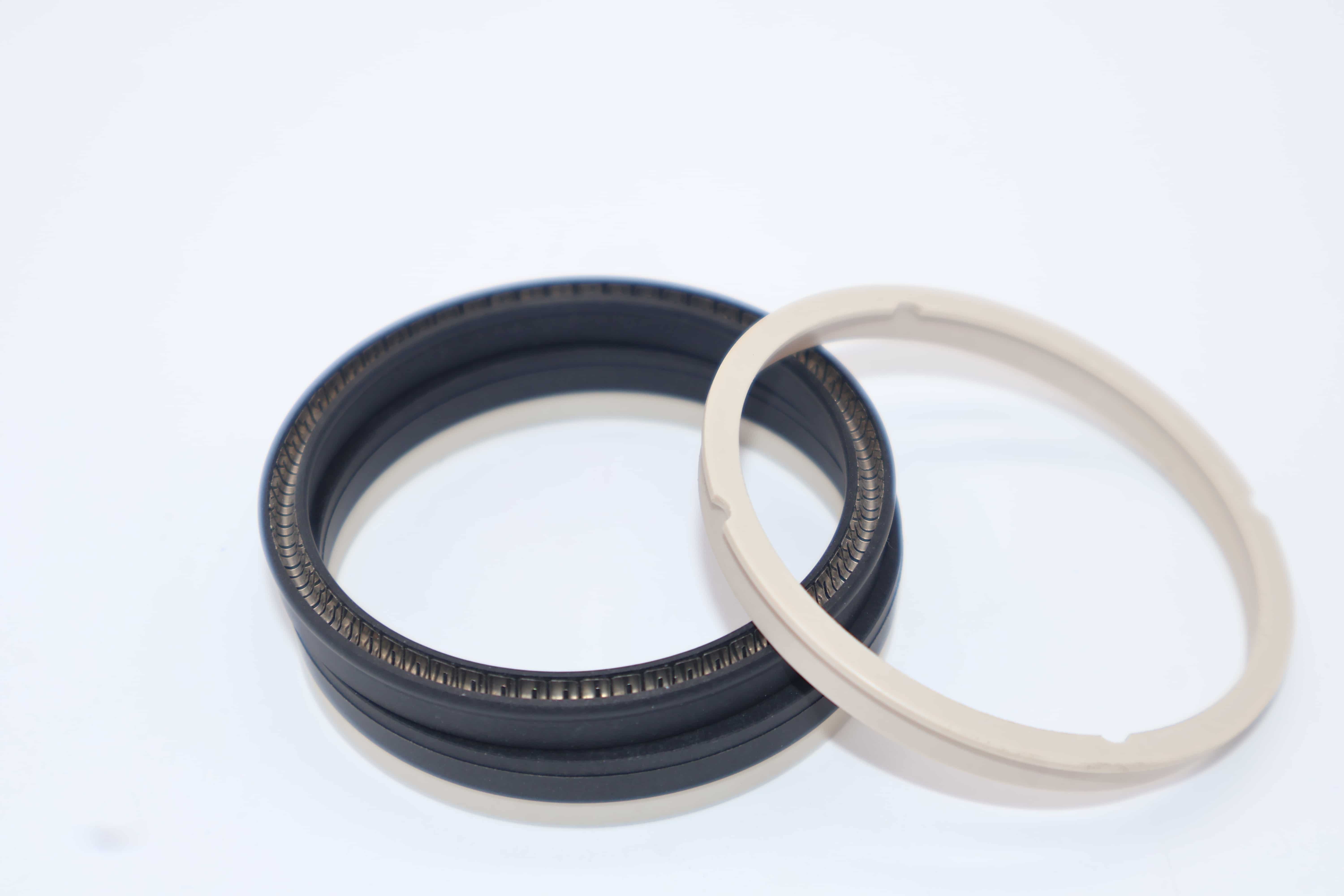
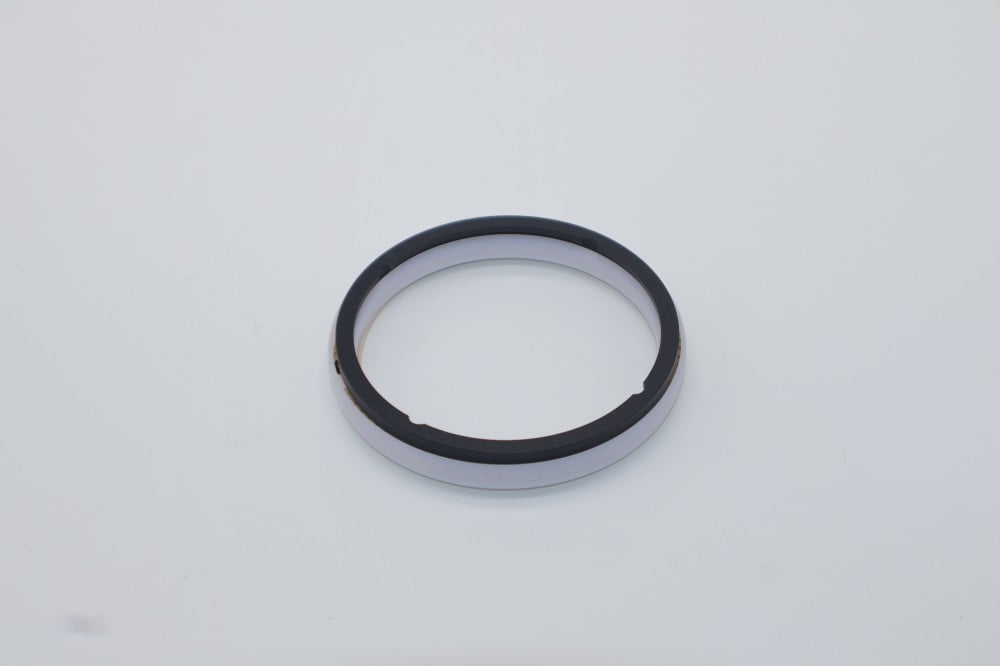
Tesel Seal designs and manufactures cryogenic single piston seals engineered for API 6D ultra-low temperature ball valve seat applications in LNG, oil, gas, and petrochemical industries. These seals provide reliable performance for valves with single and double piston effects (DBB and DIB-1 designs) under extreme operating conditions.
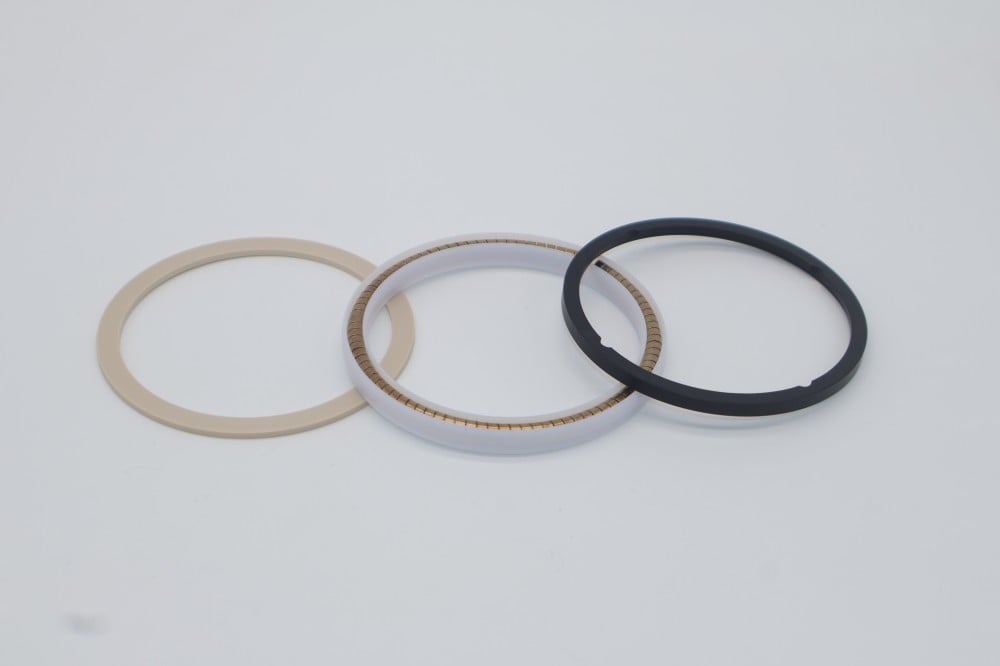
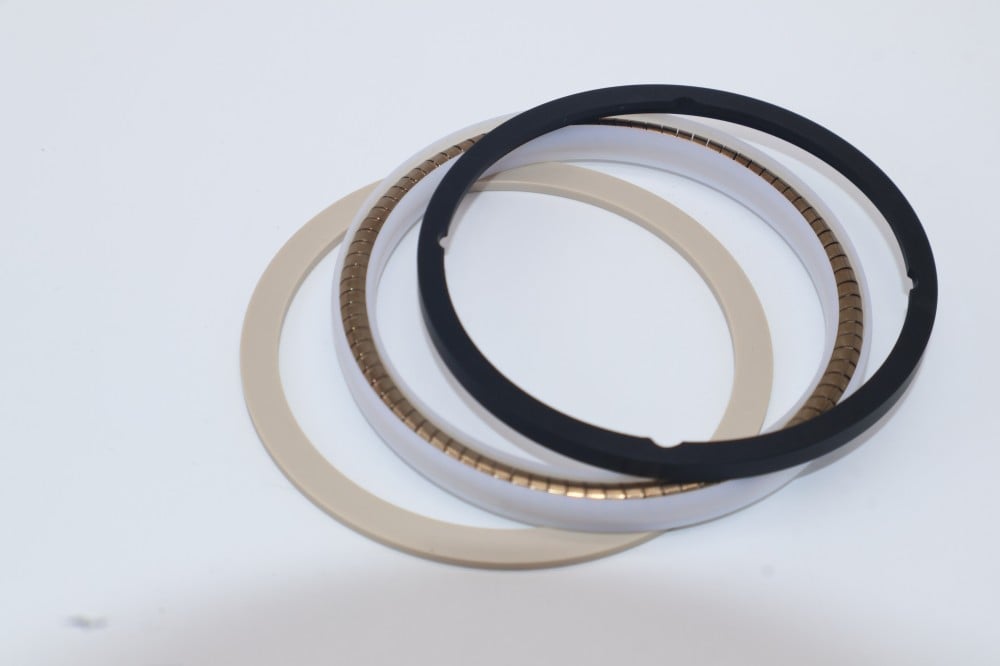
Each sealing system combines a PTFE or high-performance polymer jacket with an H-shaped alloy spring and PTFE or PEEK support ring, delivering stable sealing force, resistance to thermal cycling, and durability under high pressure and aggressive media. Optional PEEK or metallic backup rings enhance performance under elevated pressure or transient conditions.
Operating from -196°C to 250°C and up to 2500 LB, these seals are widely used across upstream, midstream, and downstream systems. Tesel Seal delivers customized sealing solutions compatible with H₂S, CO₂, hydrocarbons, and LNG media for long-term reliability and reduced maintenance.
Technical Specifications
Parameter |
Value |
Temperature Range |
-196°C to 250°C |
Maximum Pressure |
Up to 2500 LB |
Maximum Pressure (API 6A) |
Up to 20,000 psi |
Sealing Material |
PTFE or high-performance polymer jacket |
Spring Type |
H-shaped alloy spring |
Backup Ring |
Optional PEEK or metallic |
Support Ring |
PTFE or PEEK |
Sealing Configuration |
Single piston |
Application Standard |
API 6D / API 6A |
Corrosion Resistance |
Suitable for H2S, CO2, and aggressive media |
Key Features and Performance Advantages
• Extreme Temperature Capability – Maintains reliable sealing performance across cryogenic (-196°C) to high-temperature (250°C) conditions, ensuring material stability and mechanical integrity under thermal contraction and expansion.
• High Pressure Performance – Engineered to handle pressures up to 2500 LB, with optional backup rings allowing performance in API 6A applications up to 20,000 psi, maintaining consistent sealing under pressure surges.
• Single Piston Design – Optimized for valves requiring a single piston seat, providing efficient sealing and leak prevention in critical applications.
• H-Shaped Alloy Spring Energization – Continuous radial sealing force compensates for wear, pressure variation, and thermal effects, maintaining tight contact with the valve seat throughout the service life.
• Optional Backup Rings – PEEK or metallic rings provide anti-extrusion protection under high-pressure conditions, enhancing durability and longevity.
• Multi-Lip Composite Configuration – Multiple sealing interfaces improve redundancy, reduce leakage risk, and enhance reliability in dynamic, cryogenic, or high-pressure applications.
• Chemical and Corrosion Resistance – Compatible with H2S, CO2, hydrocarbons, and aggressive chemical media, ensuring long-term stability in harsh process environments.
• Low Friction and Extended Service Life – PTFE or high-performance polymer surfaces reduce friction on mating surfaces, minimize wear, and lower operational maintenance requirements.
• Robust Structural Stability – Integrated support rings and reinforced components ensure alignment and prevent deformation, even during pressure cycling and thermal expansion.
Product Structure and Design
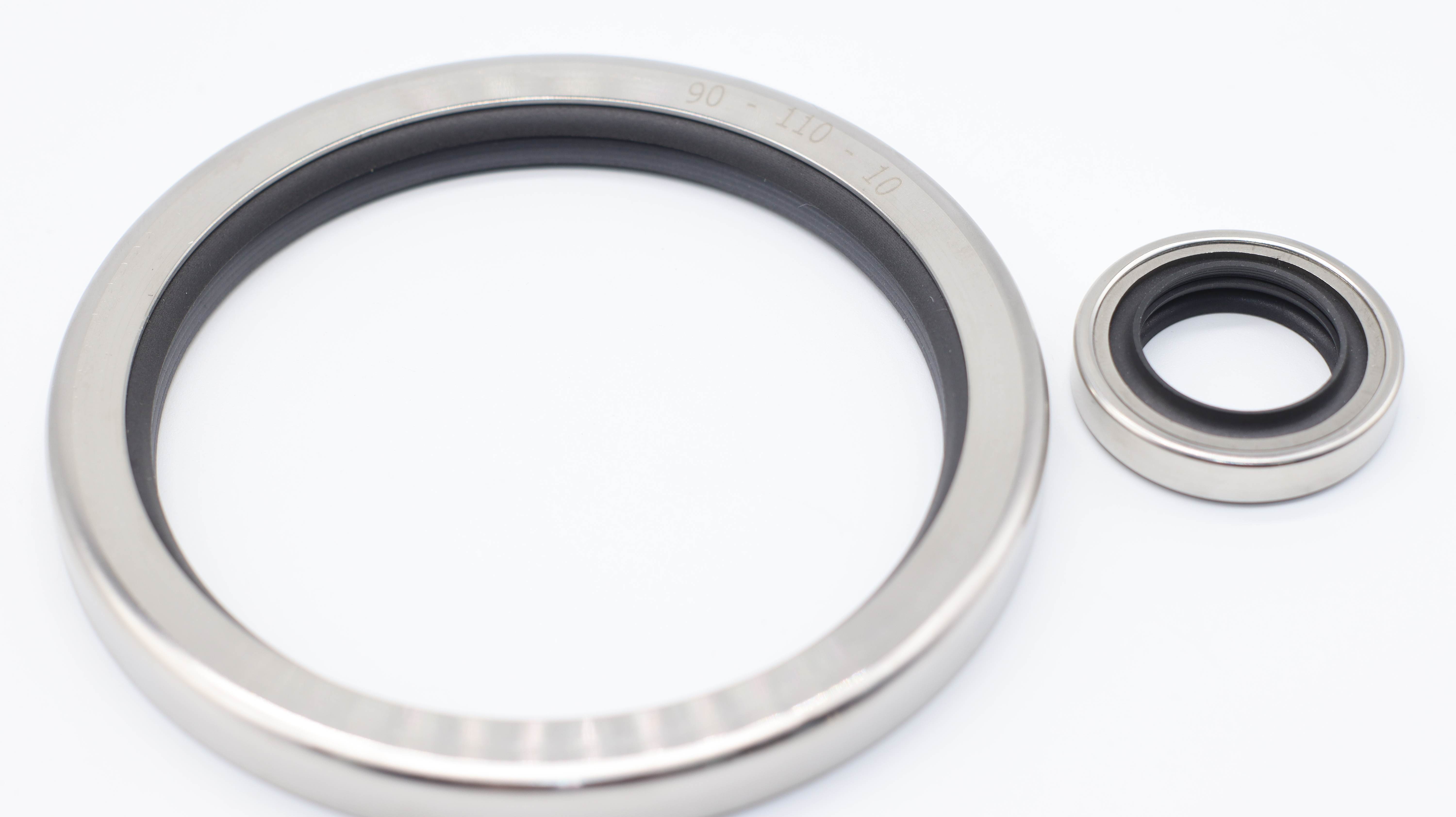
Tesel Seal cryogenic single piston seals are designed as high-integrity multi-component assemblies:
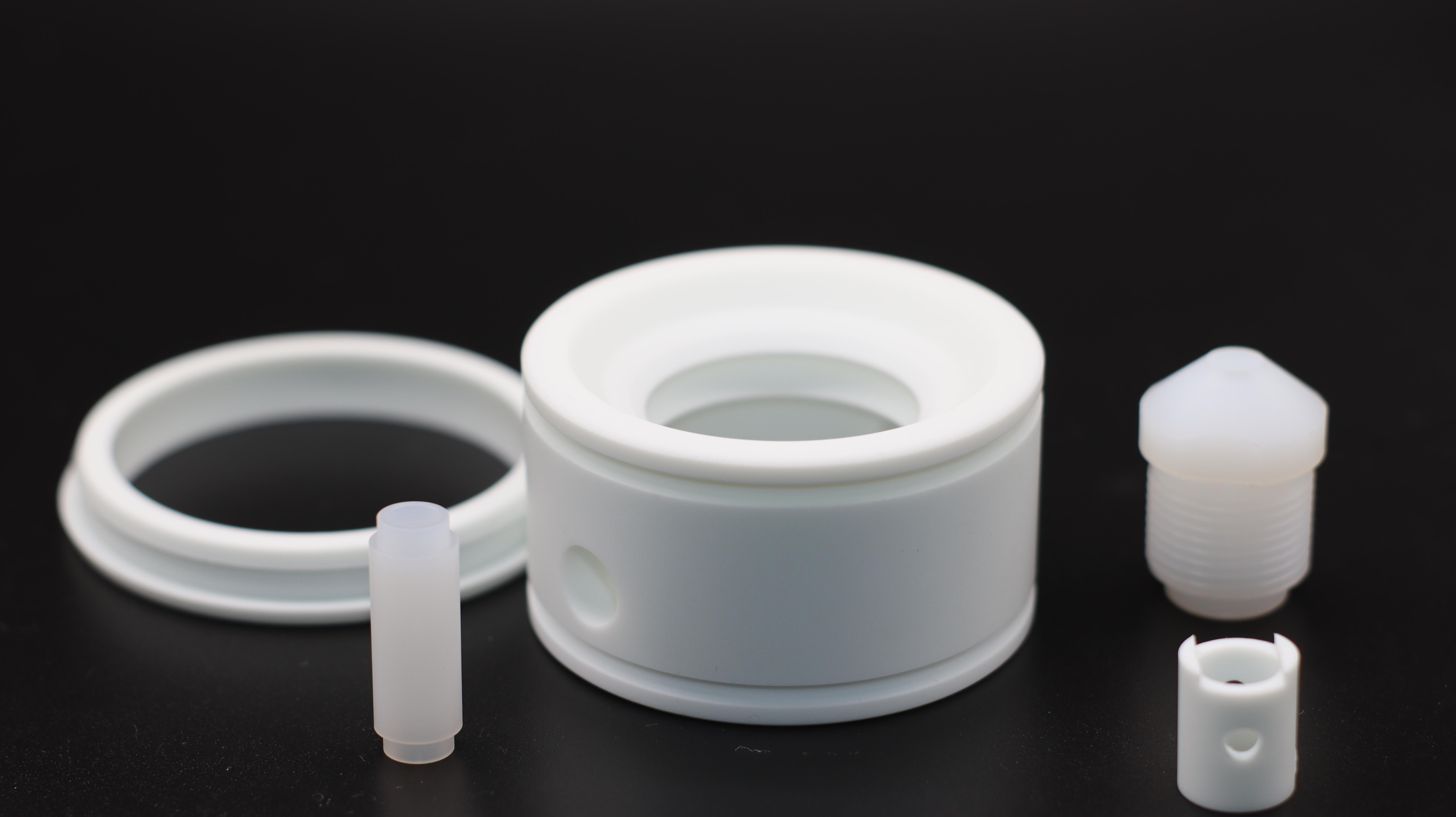
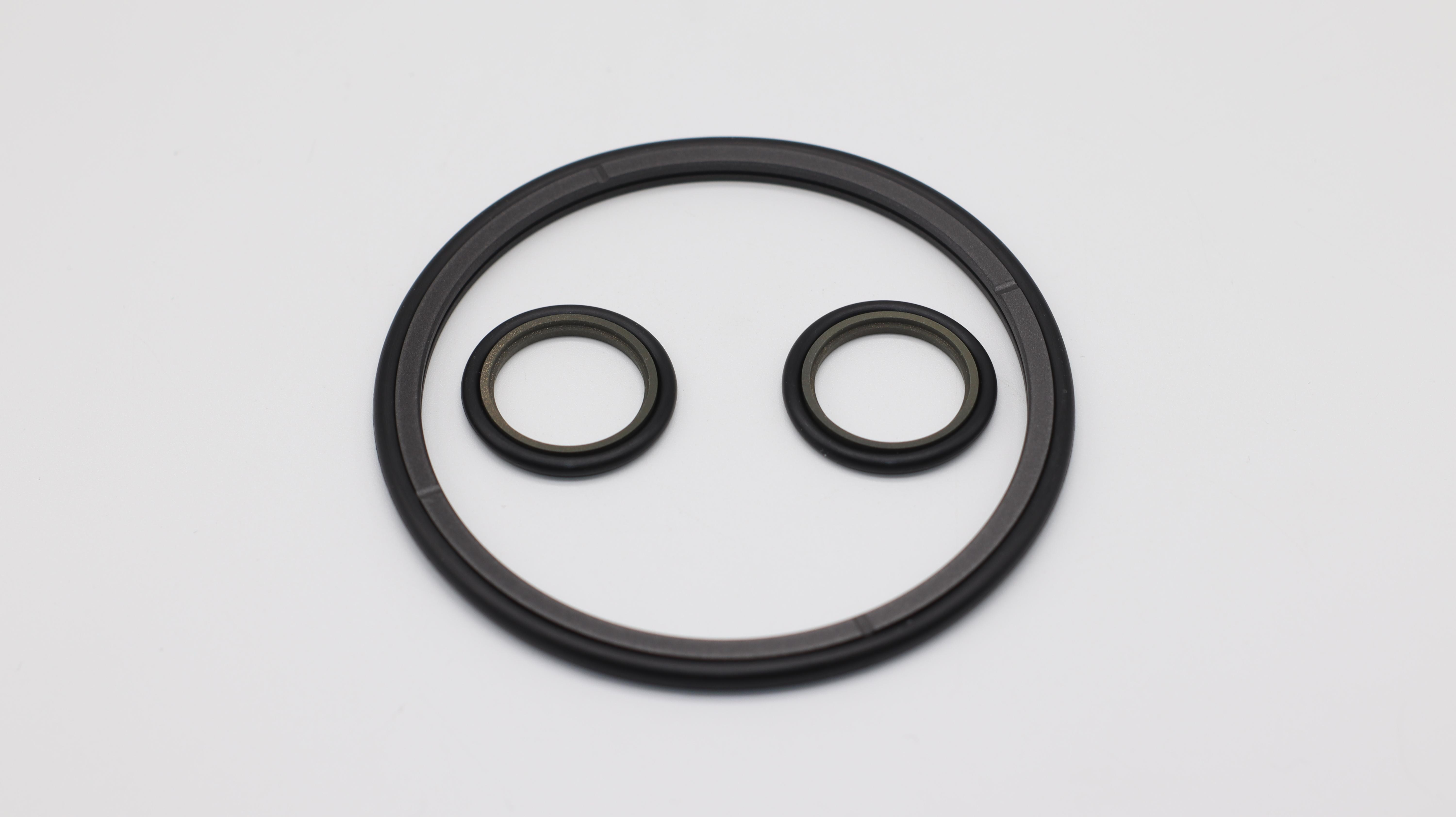
• PTFE or high-performance polymer sealing jacket – Provides primary sealing, chemical resistance, and low-friction contact.
• H-shaped stainless steel or alloy spring – Supplies continuous radial force for sealing compensation and ensures uniform contact pressure.
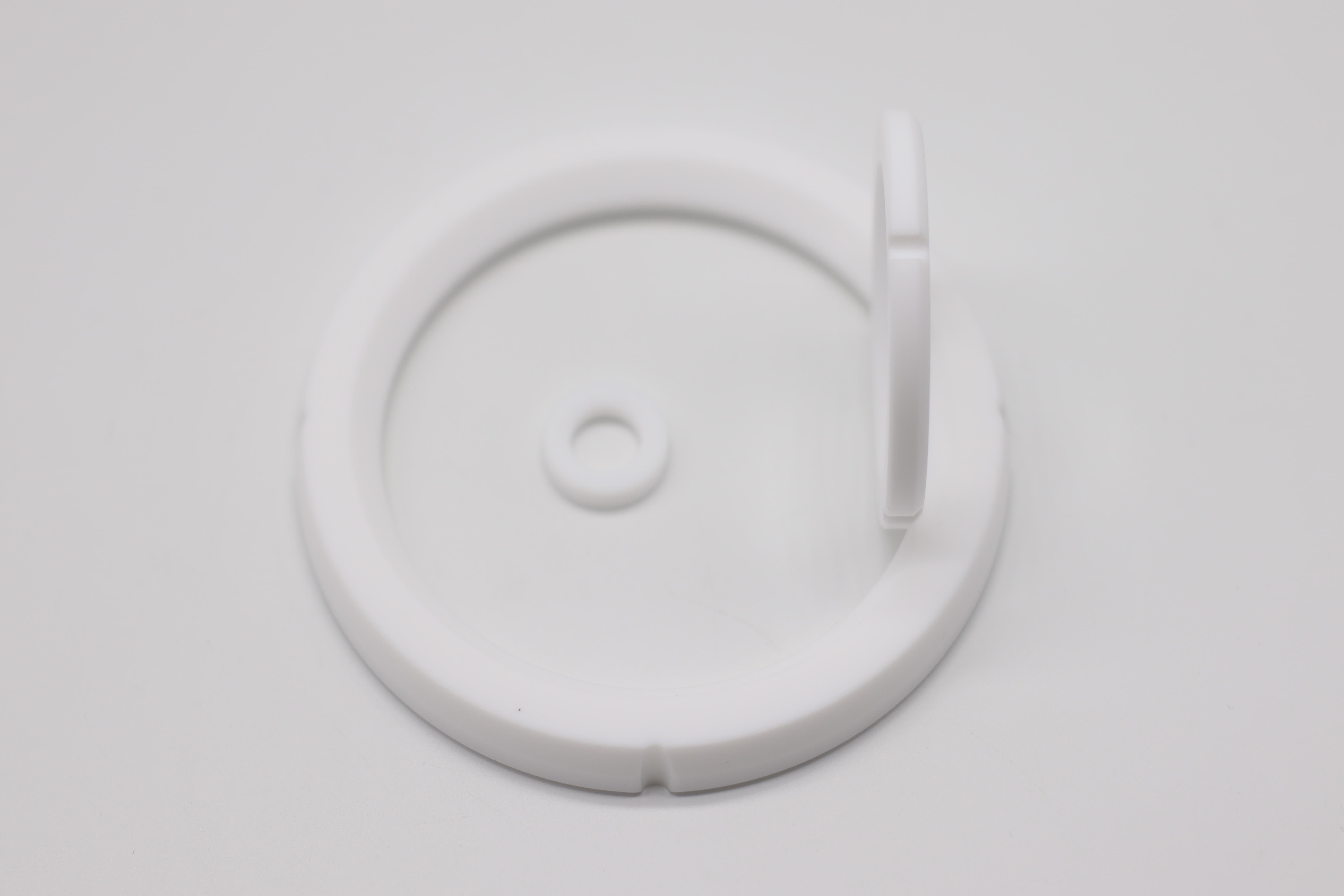
• PTFE or PEEK support ring – Maintains structural integrity and improves sealing stability under dynamic and cryogenic conditions.
• Optional PEEK or metallic backup ring – Prevents extrusion and enhances durability for high-pressure applications.
This multi-component design ensures that the seal can withstand dynamic pressure fluctuations, temperature cycling, and chemical exposure, providing reliable long-term operation in LNG, oil, and gas systems.
Applications
Tesel Seal cryogenic single piston seals are widely used in ultra-low temperature and high-performance valve systems:
• API 6D Ball Valves – Maintains leak-tight sealing at valve seat interfaces in DBB and DIB-1 designs.
• LNG Systems – Maintains sealing performance under cryogenic temperatures and accommodates thermal contraction.
• Petroleum and Natural Gas Equipment – Suitable for upstream production, transportation, and pipeline applications.
• Offshore Platforms – Reliable operation under harsh environmental conditions, including saltwater exposure and aggressive chemical media.
• Process Control Valves – Provides safe, precise fluid regulation for critical control systems.
Design Considerations
When selecting cryogenic single piston seals, evaluate:
• Pressure Conditions – Maximum operating pressure, pressure cycling, and high-pressure support requirements.
• Temperature Range – Extreme low-temperature performance and elevated temperature tolerance.
• Media Compatibility – H2S, CO2, hydrocarbons, and other aggressive chemicals.
• Performance Requirements – Compliance with API 6D / API 6A standards and leakage prevention goals.
• Sealing Structure – H-shaped spring with optional backup rings for redundancy.
• Installation Constraints – Valve seat geometry, gland depth, and assembly space considerations.
Failure Analysis and Optimization
Understanding failure mechanisms is critical for maintaining long-term sealing performance:
• Extrusion Under Pressure – Optional backup rings prevent seal material from extruding into clearance gaps.
• Wear of Polymer Components – Repeated valve actuation or friction can cause PTFE or high-performance polymer wear; H-shaped spring maintains sealing contact.
• Thermal Fatigue – Temperature cycling may induce micro-cracks or elasticity loss; multi-lip composite design distributes stress to minimize fatigue impact.
• Chemical Degradation – PEEK jackets and PTFE support rings resist H2S, CO2, hydrocarbons, and aggressive chemicals.
• Installation Issues – Incorrect assembly or misalignment may reduce sealing effectiveness; adherence to precise tolerances ensures optimal operation.
Optimization strategies: proper material selection, spring energization, backup/support ring integration, and field testing under representative cryogenic and pressure conditions.
Common Questions and Answers
• Is this suitable for LNG and cryogenic conditions? – Yes. Materials and design maintain integrity down to -196°C.
• Can it withstand aggressive chemical media? – Yes. Compatible with H2S, CO2, hydrocarbons, and other aggressive fluids.
• What is the maximum pressure rating? – Up to 2500 LB; optional backup rings support higher pressures.
• Is customization available? – Tesel Seal provides tailored designs for specific valve seats, media, and operational conditions.
Call to Action
Achieve Stable Sealing Performance in Extreme Cryogenic Valve Applications
Request a Quote Today
• Share your operating conditions
• Receive optimized sealing design
• Fast engineering support within 24 hours