 EN
EN

Step Seal for Rotary & Reciprocating Motion
High-Integrity Sealing Solutions for Rotary and Linear Motion Applications
- Overview
- Recommended Products
Commercial Terms of Products:
Minimum Order Quantity |
NO MOQ |
Packaging Details |
Per bag In Cartons |
Delivery Time |
15 Days (Rush Manufacturing Available) |
Payment Terms |
Flexible Payment Terms Available Based on Project Requirements |
Overview
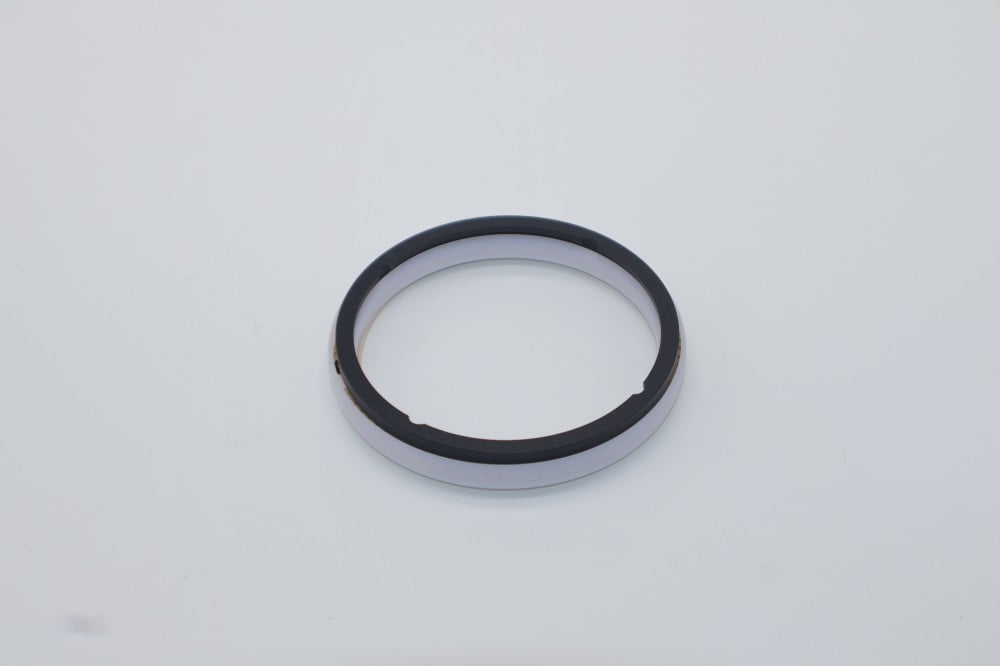
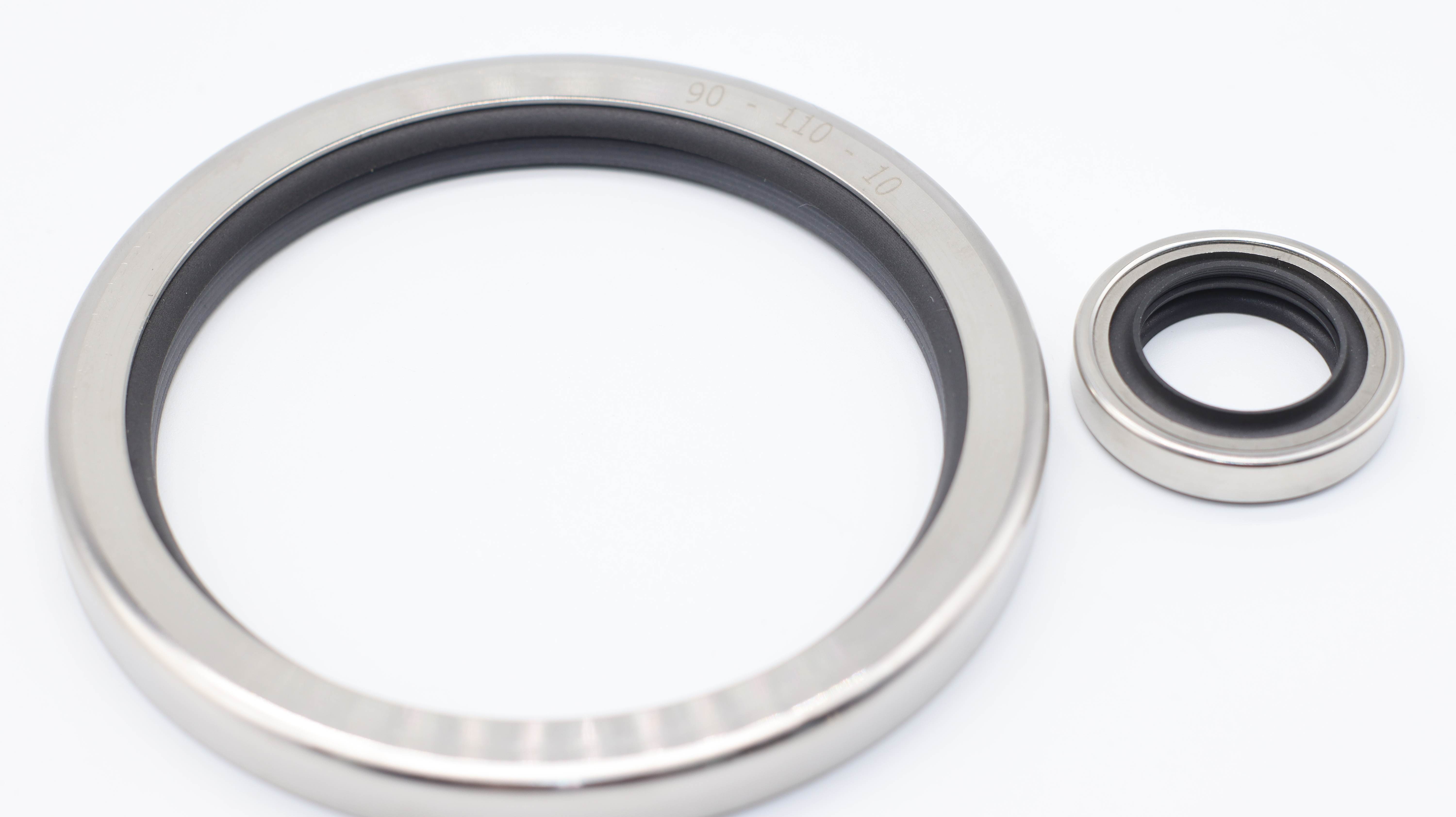
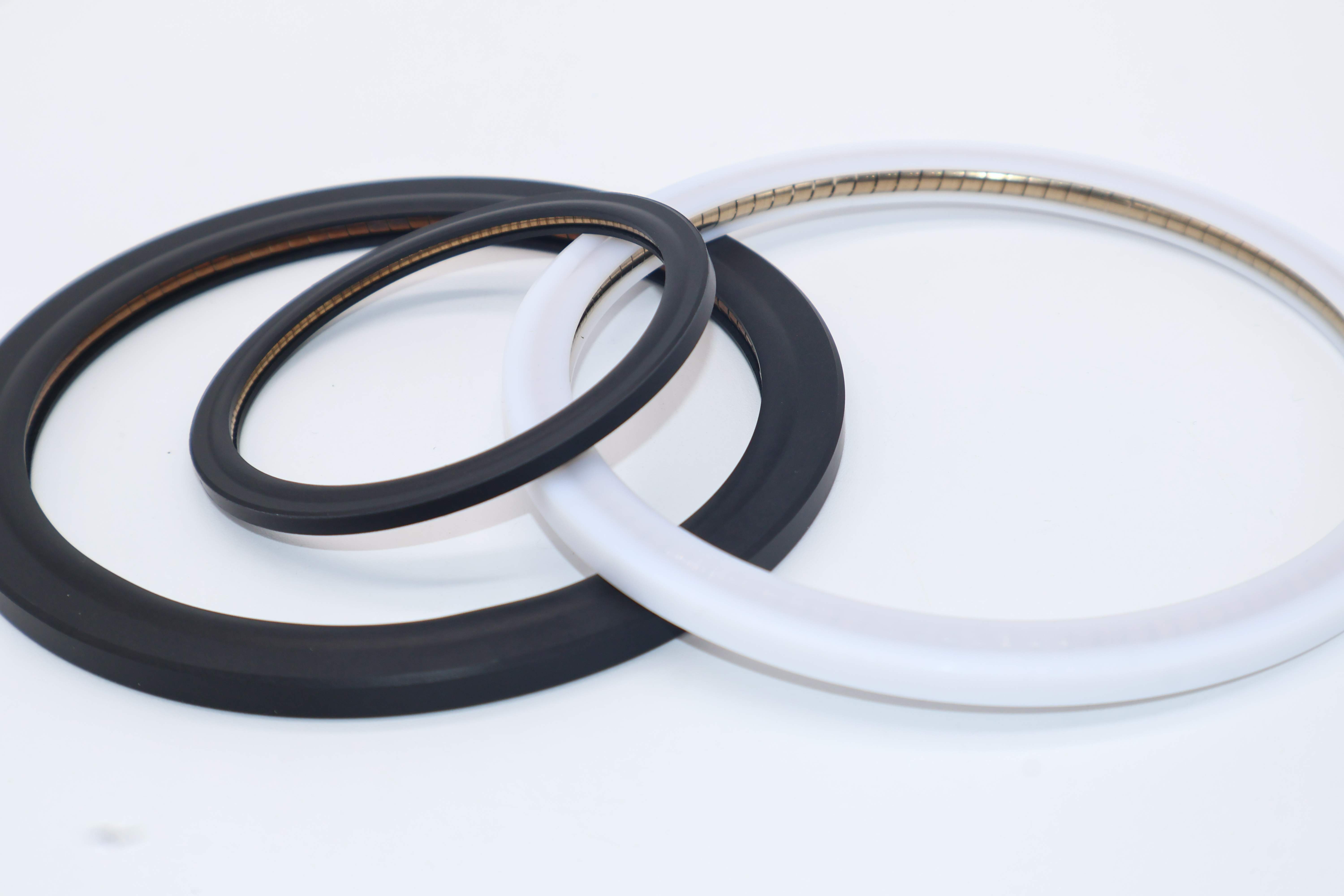
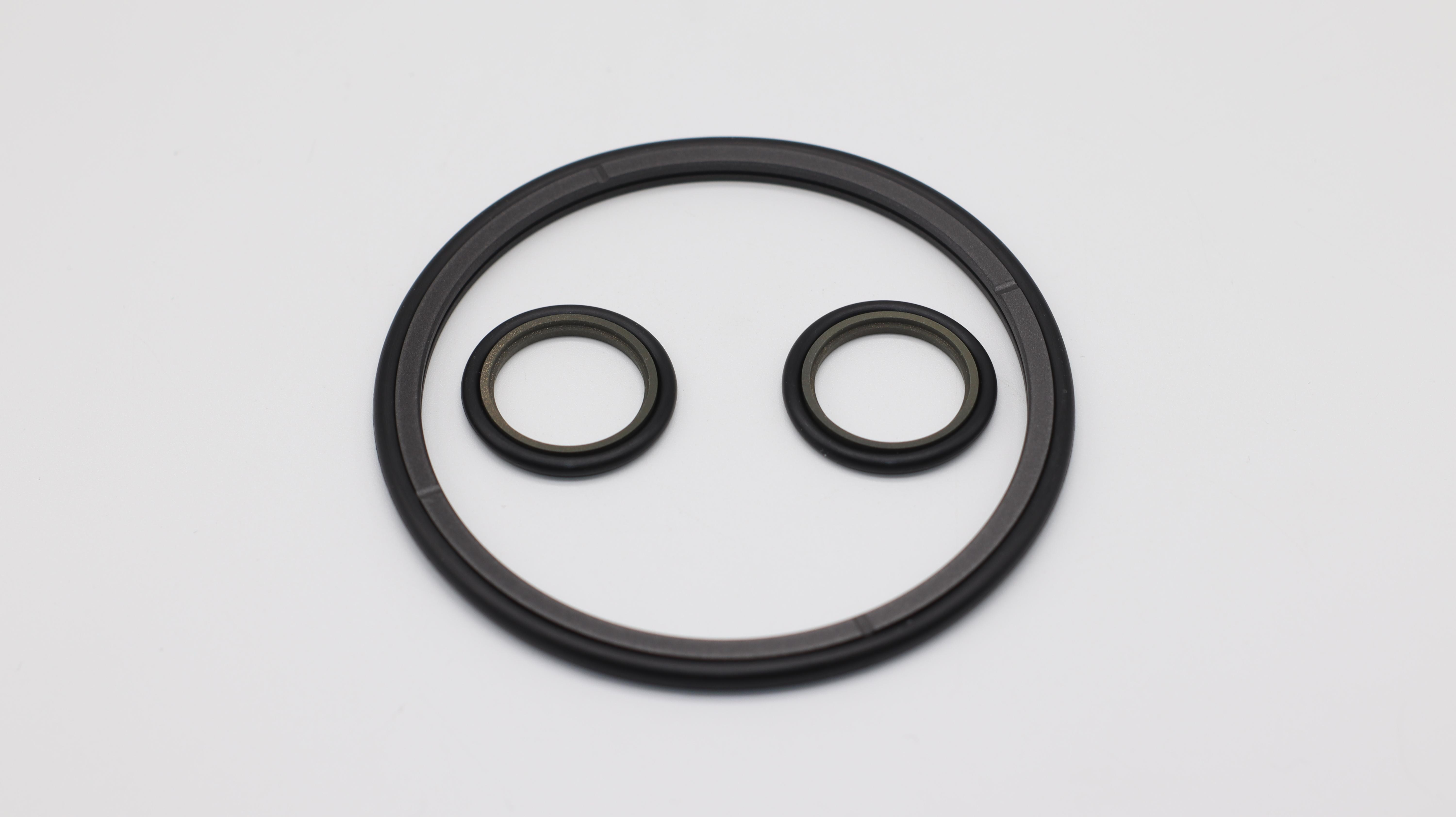
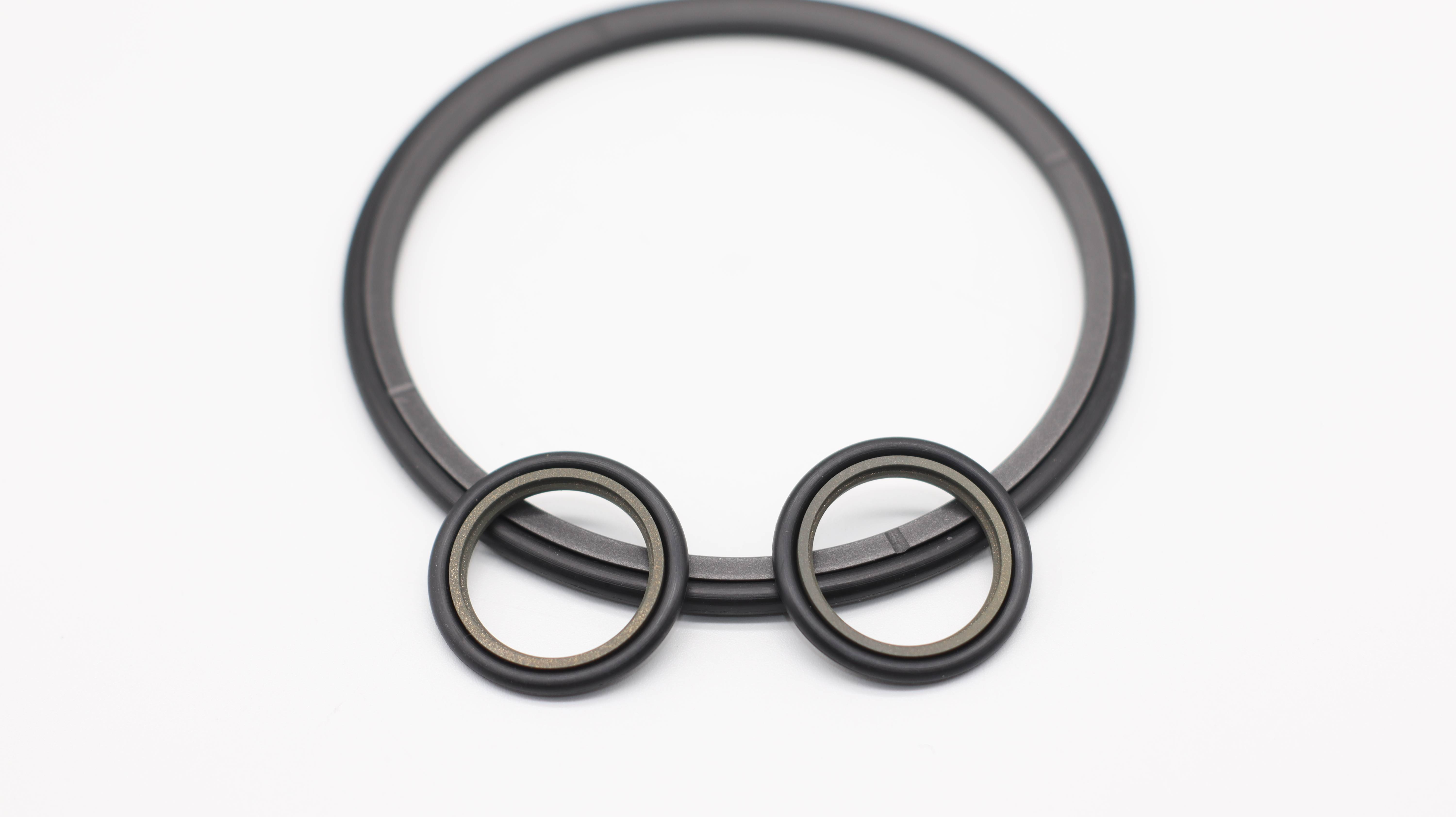
Tesel Seal designs and manufactures step seals for rotary and reciprocating motion applications. These seals ensure reliable performance under dynamic loads, pressure variations, and continuous operation.
Constructed with PTFE sealing elements combined with O-rings, they provide low friction, excellent wear resistance, and long service life across hydraulic, pneumatic, and refrigeration systems.
Widely used in hydraulic cylinders, compressors, and engineering machinery requiring stable sealing under high-duty conditions.
Technical Specifications
Parameter |
Value |
Temperature Range |
Dependent on O-ring material, typically -50°C to 200°C |
Maximum Pressure |
Up to 25 MPa (dependent on configuration) |
Sealing Material |
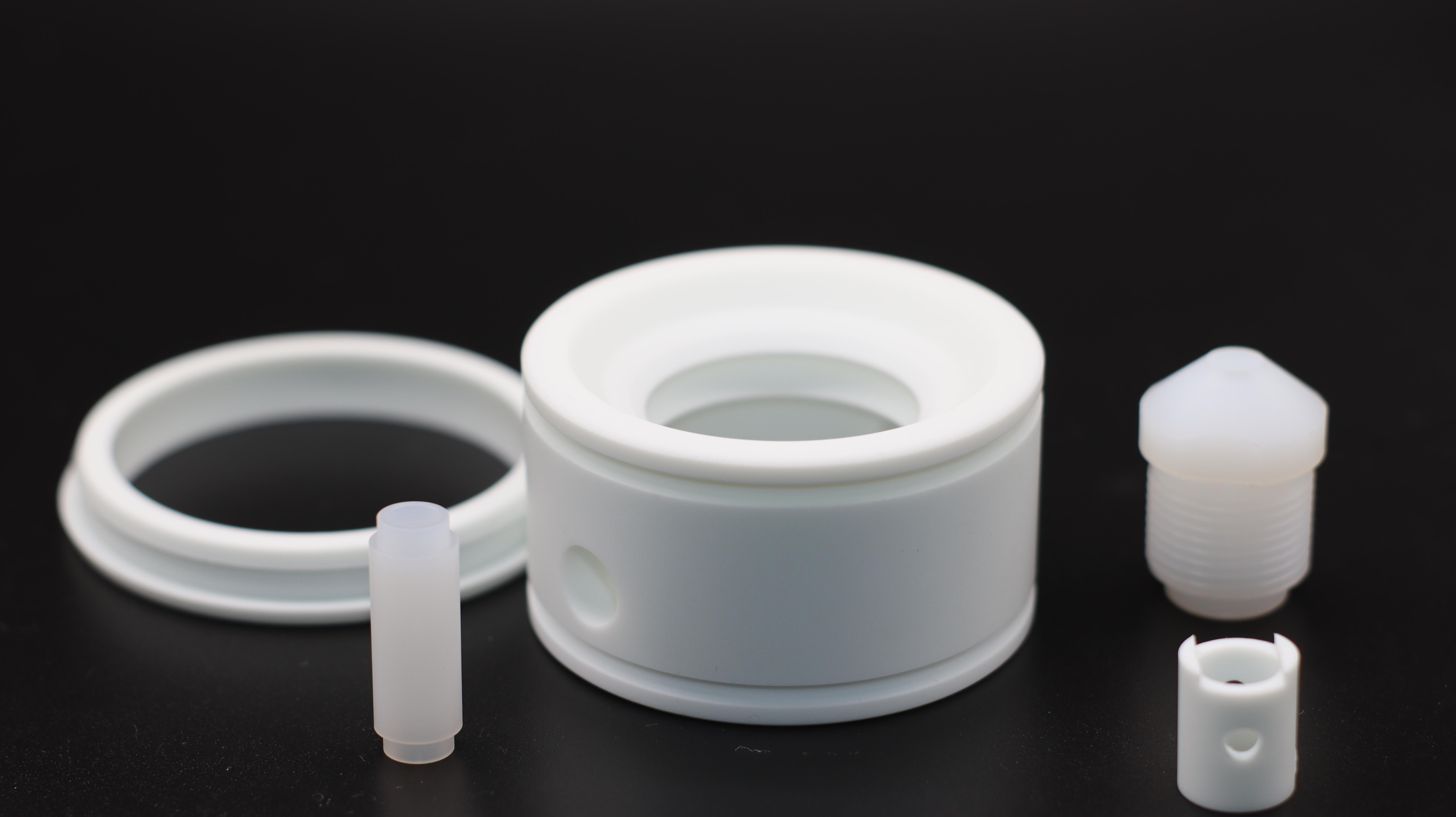
PTFE / high-performance polymer |
Energizing Element |
O-ring, various elastomers based on chemical and temperature compatibility |
Motion Type |
Rotary / Reciprocating |
Application Industries |
Engineering machinery, compressors, hydraulic cylinders, refrigeration systems |
Key Features and Performance Advantages
• Dual Motion Compatibility – Available in two main configurations:
• Rotary Step Seal (Rotary Glide Ring) – Designed for continuous rotational motion, providing leak-tight sealing and low friction.
• Reciprocating Step Seal (Stutter Seal) – Designed for linear motion, ensuring smooth operation and preventing fluid bypass.
• Composite PTFE and O-Ring Design – Combines a PTFE component for low friction and high wear resistance with an O-ring for resilient sealing and compensating for dimensional variations.
• Wide Temperature and Media Range – O-ring material dictates maximum operating temperature and chemical compatibility, allowing customization for oil, water, refrigerants, or corrosive fluids.
• Dynamic Pressure Adaptation – Step seal geometry maintains effective contact pressure under both static and dynamic loads, preventing extrusion and leakage.
• Low Friction and Smooth Motion – PTFE components reduce friction against mating surfaces, improving motion efficiency and extending the life of both the seal and the moving component.
• Wear Resistance and Longevity – Optimized material combinations and seal geometry provide long-term performance in high-cycle applications.
• Multi-Industry Applications – Suitable for hydraulic systems, compressors, refrigeration units, engineering machinery, and other motion-intensive industrial equipment.
• Compact and Precise Design – Can be manufactured to tight tolerances to fit small-diameter shafts or cylinder bores while maintaining sealing effectiveness.
• Ease of Installation – Step seals are easy to assemble in existing housings, minimizing downtime during maintenance.
• Customizable Solutions – O-ring and PTFE components can be tailored to meet specific temperature ranges, chemical resistance, and operating pressure requirements.
Product Structure and Design
Tesel Seal step seals are multi-component systems designed to accommodate the mechanical demands of rotary and reciprocating motion:
• PTFE Sealing Element – Provides low friction, wear resistance, and chemical stability.
• O-Ring Energization – Compensates for pressure, thermal expansion, and dimensional variations, ensuring continuous sealing contact.
• Rotary Glide Configuration – Optimized for continuous rotation, reducing heat build-up and wear.
• Reciprocating Stutter Design – Optimized for linear motion, preventing backflow and maintaining smooth actuation.
This combination ensures leak-tight performance, motion stability, and operational efficiency, even under high-speed cycles or extended operating periods.
Applications
Tesel Seal step seals are widely applied in industries requiring rotary or linear motion sealing under demanding conditions:
• Rotary Applications (Rotary Glide Rings) – Continuous rotational motion in pumps, compressors, and industrial drive shafts.
• Reciprocating Applications (Stutter Seals) – Linear piston and cylinder movement in hydraulic and pneumatic systems.
• Engineering Machinery – Heavy equipment with dynamic motion, including construction, mining, and agricultural machinery.
• Compressors and Pumps – High-speed or high-cycle rotary shafts in air, gas, or liquid pumps.
• Refrigeration Systems – Ensures leak-tight performance under repeated expansion/contraction cycles and low temperatures.
• Automation Equipment – Linear actuators and robotic devices requiring low friction, high-precision sealing.
Design Considerations
When selecting step seals for rotary or reciprocating applications, evaluate:
• Motion Type – Rotary or reciprocating motion dictates seal geometry and energization.
• Temperature Range – O-ring material selection is critical for performance at operating temperatures.
• Pressure Conditions – Maximum and cyclic pressures impact the O-ring and PTFE selection.
• Media Compatibility – Fluids, gases, or refrigerants in contact with the seal influence material choice.
• Dynamic Wear – Expected motion cycles and speeds affect the selection of PTFE hardness and O-ring durometer.
• Installation Constraints – Bore diameter, shaft size, and assembly tolerances must be considered to maintain seal integrity.
Tesel Seal provides custom engineering support to ensure the step seal meets all operational and environmental requirements.
Failure Analysis and Optimization
• O-Ring Extrusion – Excessive pressure or misalignment can cause extrusion. Proper backup design and material selection mitigate this risk.
• PTFE Lip Wear – Friction during rotary or reciprocating motion can cause material wear. Optimized geometry and lubrication recommendations extend life.
• Thermal Fatigue – Rapid temperature cycling may reduce O-ring elasticity. Tesel Seal selects materials with high thermal stability for cryogenic and elevated temperature applications.
• Media Degradation – Aggressive fluids may attack O-ring material. Selecting compatible elastomers prevents swelling, hardening, or cracking.
• Seal Misalignment – Proper installation and tolerances prevent leakage and uneven wear.
Performance optimization involves evaluating pressure, motion type, O-ring selection, and PTFE design, followed by field testing under representative conditions.
Common Questions and Answers
• Can these seals be used for both rotary and reciprocating applications? – Yes, Tesel Seal provides dedicated designs for each motion type.
• What materials are used? – PTFE for low friction and O-rings of various elastomers based on temperature and chemical requirements.
• What industries are supported? – Engineering machinery, compressors, hydraulic cylinders, refrigeration, and automation equipment.
• Can custom configurations be provided? – Yes, Tesel Seal can tailor materials, dimensions, and spring/energization to specific needs.
Call to Action
Ensure Reliable Sealing for Rotary and Reciprocating Motion Systems
Get a Quote for PTFE Step Seal Solutions
• Send your drawings or specifications
• Get material and design recommendations
• Fast response within 24 hours