
 EN
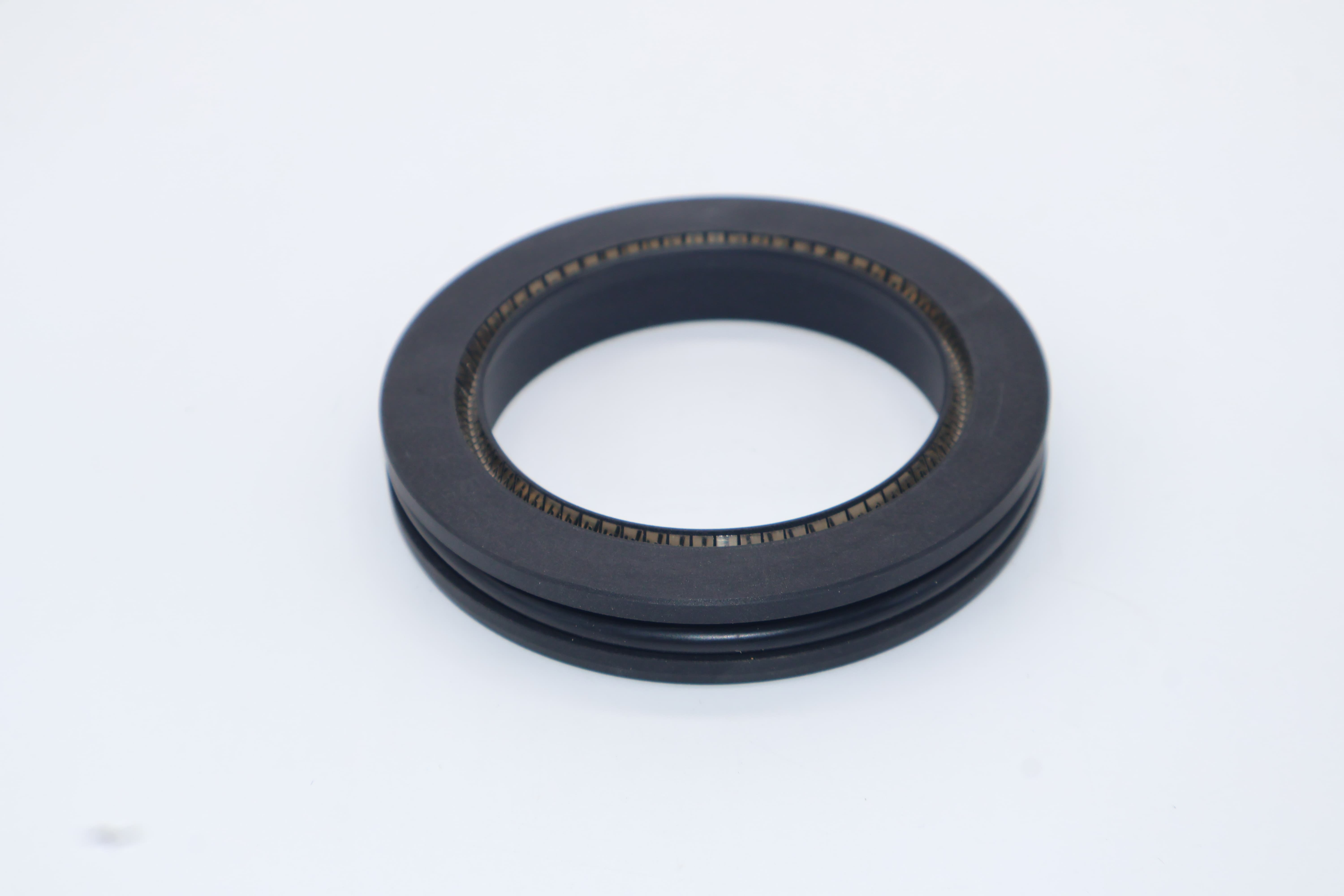
Ultra high vacuum systems demand exceptional reliability, and performance seals play a critical role in maintaining system integrity and preventing costly leakage. In industrial applications ranging from semiconductor manufacturing to aerospace research, the ability of performance seals to withstand extreme conditions directly impacts operational efficiency and product quality. Understanding how performance seals function within ultra high vacuum environments is essential for engineers, procurement specialists, and facility managers who depend on consistent vacuum performance and minimal maintenance downtime.
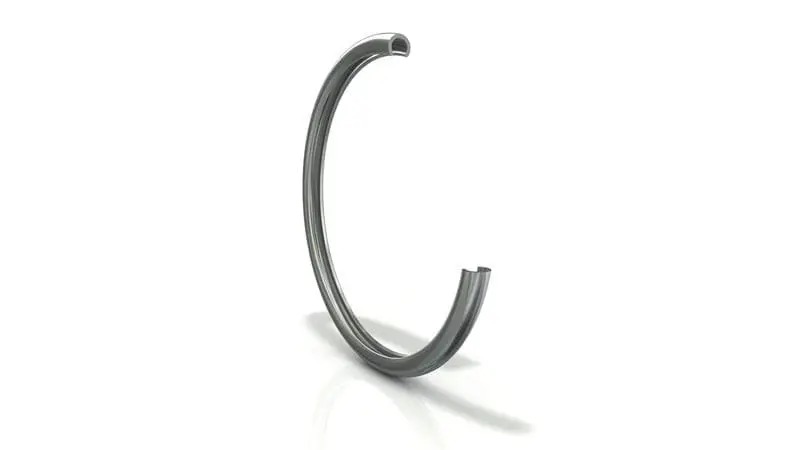
Performance seals in ultra high vacuum systems represent a specialized category of sealing solutions engineered to meet the most demanding environmental challenges. Unlike standard gaskets used in atmospheric or low-pressure applications, performance seals must contend with minimal air molecules, extreme temperature fluctuations, and the absence of lubricating gases that typically aid conventional sealing mechanisms. The design, material selection, and manufacturing precision of performance seals directly determine whether a vacuum system maintains its target pressure or experiences gradual leakage that compromises experimental results and increases operational costs.
The Engineering Foundation of Performance Seals in Vacuum Applications
Understanding Vacuum Pressure Regimes and Seal Requirements
Vacuum systems operate across multiple pressure regimes, each presenting unique challenges for performance seals. In rough vacuum environments, pressure typically ranges from atmospheric to one millitorr, where performance seals encounter moderate stress from pressure differentials. Medium vacuum applications operate between one millitorr and one microtorr, requiring performance seals with enhanced precision to prevent outgassing and micro-leakage. Ultra high vacuum systems, operating below one microtorr, impose the most stringent demands on performance seals because even microscopic surface imperfections can permit gas molecules to escape through molecular effusion mechanisms.
Performance seals must accommodate these pressure variations while maintaining consistent contact force against sealing surfaces. The molecular behavior of residual gases in ultra high vacuum differs fundamentally from atmospheric conditions, meaning performance seals cannot simply scale down conventional sealing principles. Instead, performance seals require metallurgical refinement, surface finish optimization, and geometric precision calibrated specifically for the vacuum environment where they operate.
Metal Seals versus Elastomer Seals in Vacuum Systems
Performance seals manufactured from metal materials outperform traditional elastomer-based seals in ultra high vacuum applications due to fundamental material properties. Elastomer seals, including common rubber compositions, release volatile organic compounds into vacuum chambers through outgassing, contaminating sensitive experiments and degrading chamber components over time. Performance seals crafted from metals such as copper, silver-plated steel, or specialized alloys exhibit negligible outgassing rates and maintain mechanical properties across extreme temperature swings that would degrade elastomeric materials permanently.
The decision between metal performance seals and elastomer alternatives hinges on application-specific factors including operating temperature range, chemical compatibility, and acceptable outgassing limits. For most ultra high vacuum systems, performance seals manufactured from metal consistently deliver superior long-term reliability. Performance seals designed from precious and specialty metals represent the premium solution for maintaining vacuum integrity across demanding industrial and research applications.
Leakage Control Mechanisms and Performance Seal Effectiveness
How Performance Seals Prevent Molecular Leakage
Leakage control in ultra high vacuum systems operates through physical contact between the performance seal and mating surfaces, creating a barrier that blocks gas molecule passage. At microscopic scales, even minute surface roughness permits individual gas molecules to traverse sealing interfaces through molecular flow mechanisms. Performance seals address this challenge by establishing intimate contact across sealing surfaces through radial force applied by the seal geometry and mounting system. The metal composition of performance seals ensures that this contact force remains stable across temperature variations that might cause elastomers to lose compressive force.
Performance seals achieve effective leakage control by minimizing gross leakage paths through superior surface finish precision and contact pressure optimization. Advanced performance seals incorporate micro-texturing or specialized surface treatments that enhance sealing effectiveness without introducing particles or outgassing materials into the vacuum chamber. The result is that performance seals consistently maintain leak rates below one part per million per second, qualifying them for applications where experimental integrity depends on absolute vacuum stability.
Residual Gas Monitoring and Performance Seal Validation
Assessing performance seal effectiveness requires measuring residual gas composition and total pressure within the vacuum chamber using specialized diagnostic equipment. Mass spectrometry and quadrupole residual gas analysis instruments quantify whether performance seals are controlling leakage to acceptable levels or whether seal degradation is introducing contaminants. Performance seals designed for ultra high vacuum maintain residual gas profiles within specified limits across thousands of pump-down cycles, demonstrating long-term reliability that justifies their higher material and manufacturing costs.
Performance seal validation extends beyond initial installation to include periodic monitoring throughout the system's operational lifetime. Changes in residual gas patterns often provide early warning signs that performance seals are approaching end-of-life status, permitting proactive replacement before catastrophic leakage develops. This predictive maintenance capability reduces unplanned system downtime and ensures that experimental chambers and industrial vacuum processes maintain consistent performance throughout their intended service intervals.
Material Selection and Design Optimization for Performance Seals
Metallurgical Considerations in Performance Seal Manufacturing
The material composition of performance seals directly influences their leakage control capabilities, temperature stability, and service life within ultra high vacuum systems. Copper-based performance seals offer excellent thermal conductivity and moderate outgassing rates, making them suitable for cryogenic applications where heat dissipation is essential. Silver-plated performance seals combine the mechanical properties of steel substrates with the low-outgassing characteristics of precious metals, optimizing performance across wide temperature ranges. Specialty alloys designed specifically for vacuum applications provide enhanced mechanical strength while maintaining outgassing rates compatible with ultrahigh vacuum environments.
Performance seals engineered from these materials undergo rigorous processing to eliminate contaminants, ensure consistent thickness, and achieve surface finishes that meet ISO cleanliness specifications. Manufacturing precision for performance seals typically requires tolerances measured in micrometers rather than millimeters, reflecting the critical importance of dimensional accuracy in maintaining vacuum integrity. Material traceability and certification documents accompany premium performance seals, ensuring that users can verify composition and processing history for mission-critical applications.
Geometric Optimization and Contact Force Design
Performance seals employ geometric configurations specifically optimized for vacuum sealing rather than conventional atmospheric or hydraulic pressure applications. Split-ring designs distribute contact force uniformly around circular interfaces, preventing stress concentration that could cause material distortion or plastic deformation. Wave-spring or Belleville-spring loaded performance seals automatically maintain consistent contact force as thermal cycling causes mating surfaces to expand and contract, compensating for dimensional changes that would compromise seal effectiveness in unpressurized systems.
Design optimization for performance seals includes considerations of contact pressure distribution, thermal expansion coefficients, and mechanical stress concentration at seal edges. Chamfered edges and radius optimizations prevent sharp stress concentrations that could initiate seal failure through fatigue cracking or plastic flow. Performance seals manufactured with these refinements maintain vacuum integrity through hundreds of thermal cycles and thousands of pump-down sequences, delivering service life extensions that significantly reduce total cost of system ownership.
FAQ
What distinguishes performance seals from standard gaskets in vacuum applications?
Performance seals are engineered specifically for vacuum environments using metal materials with minimal outgassing, enhanced surface finish precision, and geometric optimization for maintaining contact force across pressure differentials and temperature extremes. Standard gaskets typically employ elastomeric materials that release volatile compounds, degrade at temperature extremes, and cannot maintain consistent sealing effectiveness in ultra high vacuum systems where molecular flow mechanisms dominate leakage pathways.
How frequently should performance seals be replaced in ultra high vacuum systems?
Performance seal replacement intervals depend on application-specific factors including thermal cycling frequency, chemical exposure, and operating pressure regime. Most performance seals designed for ultra high vacuum systems maintain acceptable leakage rates for 2 to 5 years under normal laboratory or industrial conditions, with some specialized configurations extending service life to 10 years or longer. Residual gas analysis provides the most reliable indicator of when performance seals require replacement before leakage rates exceed acceptable thresholds.
Can performance seals be reused after removal from vacuum systems?
Reusing performance seals is generally not recommended because removing and reinstalling them introduces microscopic damage to sealing surfaces, reduces contact force effectiveness, and increases leakage rates significantly. High-value applications sometimes employ refurbishment protocols involving professional cleaning, inspection, and surface restoration of performance seals, but single-use replacement remains the standard practice for maintaining vacuum system reliability and avoiding costly experiments compromised by unexpected leakage.