
 EN
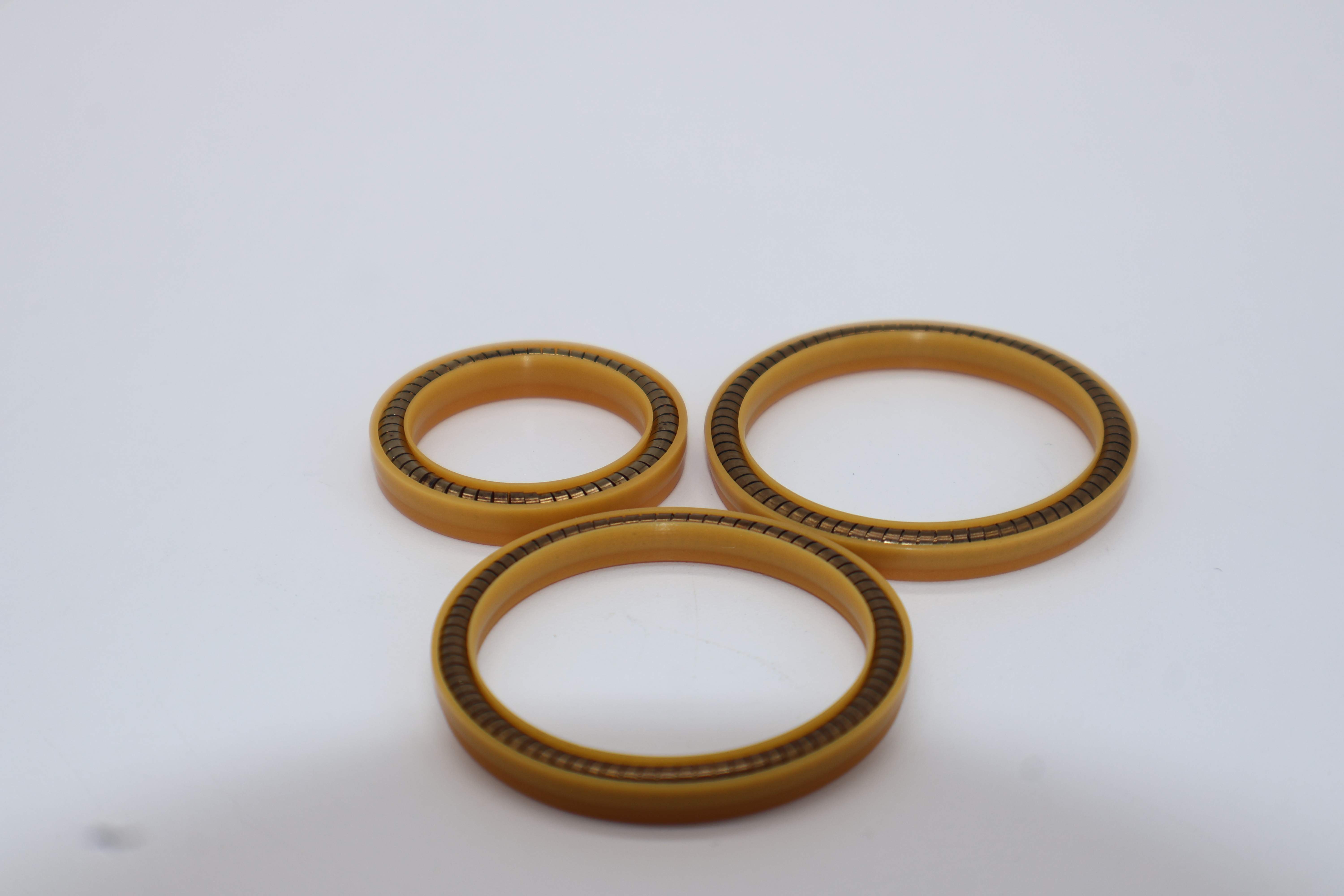
The reliability of any high performance seal depends fundamentally on selecting the correct rubber compound for its intended application. In industrial environments where seals face extreme temperatures, aggressive chemicals, and demanding pressure conditions, the choice of rubber material becomes a critical decision that directly influences operational success. A high performance seal must withstand conditions that standard elastomers cannot tolerate, which is why understanding rubber compound properties and their relationship to seal performance is essential for engineers, maintenance professionals, and procurement specialists.
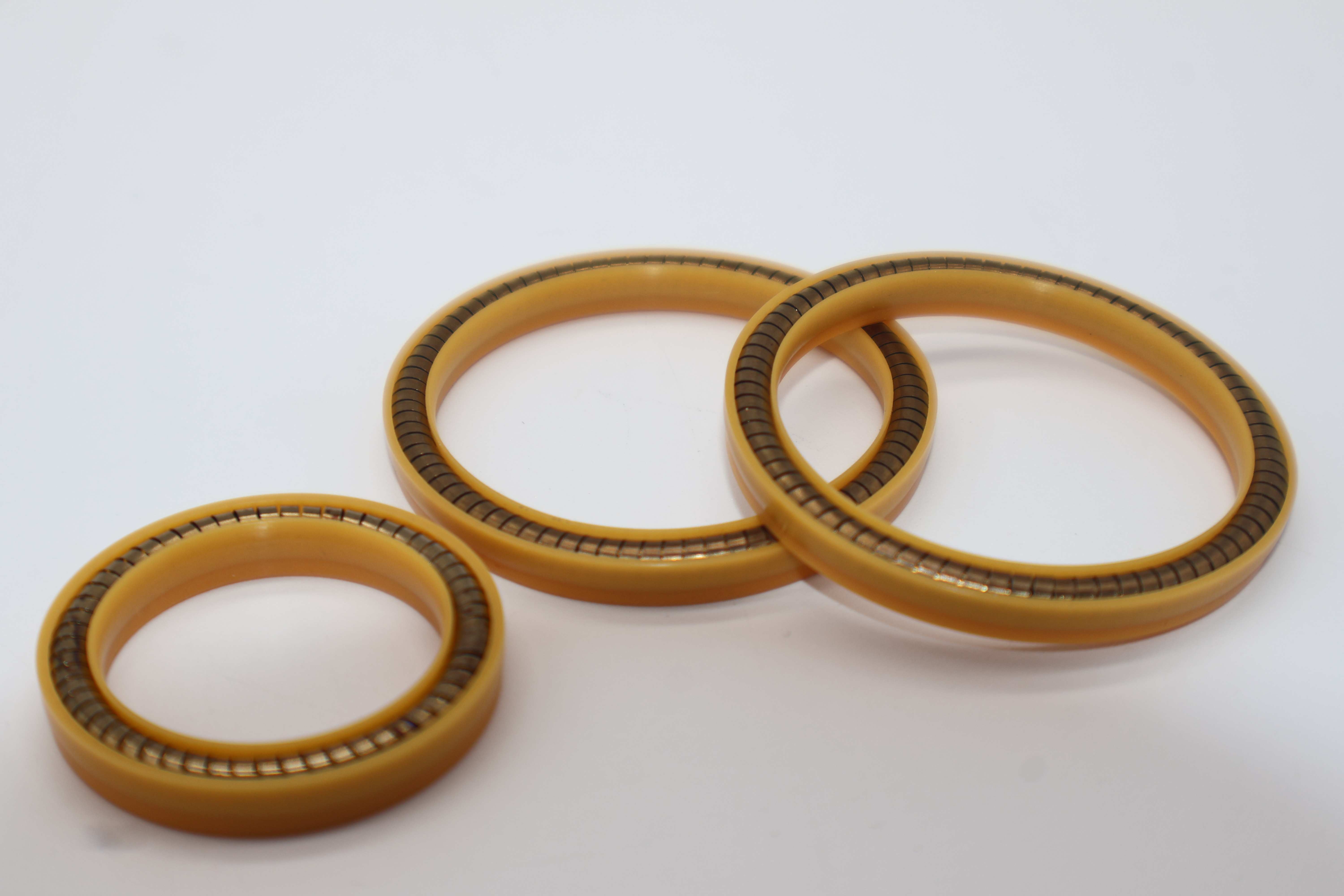
Every high performance seal application presents unique challenges that demand specific elastomer characteristics. Whether sealing pumps in chemical processing plants, protecting hydraulic systems in aerospace, or maintaining integrity in pharmaceutical manufacturing, the rubber compound must match the environment precisely. The consequence of poor compound selection is seal failure, which leads to leakage, contamination, equipment downtime, and significant financial loss. Understanding how different rubber compounds perform under specific conditions allows organizations to specify the right high performance seal for their operational needs and avoid costly failures.
Understanding Rubber Compound Composition and Its Role in High Performance Seal Behavior
Base Elastomer Selection for High Performance Seal Performance
The foundation of any high performance seal begins with selecting the appropriate base elastomer. Common options include fluorocarbon elastomers like FFKM, which provide exceptional chemical resistance and thermal stability for a high performance seal operating in hostile environments. EPDM compounds work well for steam and hot water applications, while nitrile elastomers serve general industrial purposes. Silicone rubber offers flexibility across temperature ranges, making it valuable for high performance seal applications requiring broad thermal performance. Each base elastomer family has distinct strengths and limitations that directly influence whether a high performance seal will perform reliably or fail prematurely.
Additive Chemistry and Its Impact on High Performance Seal Durability
Beyond the base elastomer, the additives incorporated into the compound dramatically affect how a high performance seal performs in real-world conditions. Vulcanizing agents create the cross-linked structure that gives elastomers their essential properties, while accelerators control the curing process to ensure consistent quality across every high performance seal manufactured. Fillers like carbon black or silica improve tensile strength and wear resistance, which are critical for a high performance seal enduring mechanical stress. Antioxidants and antiozonants protect the elastomer from degradation caused by oxygen exposure and environmental factors that would otherwise compromise high performance seal integrity over time.
Matching Rubber Compounds to Specific Operating Environments
Chemical Resistance Requirements for High Performance Seal Selection
In chemical processing, oil refining, and pharmaceutical manufacturing, a high performance seal must resist attack from the fluids it contacts. Fluorocarbon-based compounds excel in resisting a wide range of aggressive chemicals, solvents, and fuels, making them the preferred choice for high performance seal applications in these industries. Nitrile compounds handle mineral oils effectively but may swell when exposed to aromatic hydrocarbons or strong solvents, limiting their use in high performance seal roles requiring broad chemical compatibility. Understanding the specific chemical composition of fluids that a high performance seal will encounter is absolutely essential for making the right compound selection and ensuring long-term seal reliability.
Temperature Range Considerations for High Performance Seal Compounds
Temperature extremes present one of the most demanding challenges for any high performance seal. FFKM compounds maintain elasticity and sealing capability across temperatures from minus 20 degrees Celsius to 200 degrees Celsius or beyond, making them ideal for high performance seal applications in heat exchangers, reactors, and fire-resistant hydraulic systems. Silicone rubber provides excellent low-temperature flexibility, critical for high performance seal applications in refrigeration or arctic environments where other compounds become brittle and lose effectiveness. Nitrile compounds typically operate between minus 30 and 100 degrees Celsius, limiting their use to moderate-temperature high performance seal applications. Selecting a compound with appropriate temperature range prevents the seal from hardening, losing compression set, or becoming excessively soft in ways that compromise the integrity of a high performance seal.
Performance Characteristics That Drive High Performance Seal Success
Compression Set and Elasticity in High Performance Seal Design
Compression set measures how well an elastomer retains its ability to return to original dimensions after being compressed, a critical characteristic for maintaining high performance seal effectiveness over extended service periods. A high performance seal with poor compression set resistance gradually loses its sealing force as the elastomer permanently deforms under pressure. FFKM compounds engineered for high performance seal applications typically exhibit superior compression set retention even at elevated temperatures, ensuring reliable sealing over thousands of hours of operation. When evaluating different rubber compounds for a high performance seal project, compression set testing provides quantifiable data about which material will maintain sealing capability throughout the equipment's operational life.
Tensile Strength and Tear Resistance in High Performance Seal Applications
The mechanical properties of a high performance seal compound directly affect its ability to withstand installation stresses, pressure cycling, and dynamic motion without failure. Tensile strength indicates how much stress the elastomer can endure before rupturing, while tear resistance describes the material's ability to resist propagation of small cuts or stress concentrations. High-performance compounds incorporate reinforcing fillers and advanced cross-linking chemistry that deliver superior tensile strength compared to basic elastomers, making them essential for high performance seal applications where installation involves manipulation or where operational pressure varies significantly. A properly selected high performance seal compound maintains mechanical integrity throughout extended service, whereas an undersized or inappropriate compound fails through tearing or rupture under the same conditions.
FAQ
What rubber compound is best for a high performance seal in chemical applications?
Fluorocarbon elastomers, particularly FFKM, represent the optimal choice for most high performance seal applications in chemical environments due to their exceptional resistance to a broad spectrum of aggressive chemicals, strong solvents, and harsh fluids. FFKM-based high performance seal compounds maintain chemical compatibility across temperature ranges where other elastomers would swell, degrade, or lose sealing capability. Always verify that the specific high performance seal compound formulation has been validated against the exact chemical composition your equipment uses.
How does temperature affect high performance seal rubber compound selection?
Temperature profoundly influences which rubber compound creates an effective high performance seal because elastomers transition from flexible to brittle as temperatures drop and from elastic to soft and yielding as temperatures rise. A high performance seal must use a compound with a glass transition temperature well below the minimum operating temperature to maintain flexibility, and thermal stability sufficient to prevent degradation at peak temperatures. Selecting a high performance seal compound rated for a narrower temperature range than your equipment actually experiences guarantees premature failure through either embrittlement or thermal decomposition.
Why does compression set matter for high performance seal performance?
Compression set determines whether a high performance seal will gradually lose its sealing force over weeks and months of operation as the elastomer permanently deforms under pressure. A high performance seal that experiences excessive compression set initially seals effectively but progressively leaks as the elastomer fails to return to its original dimensions and sealing force diminishes. Specifying a high performance seal compound with low compression set ensures the seal maintains its sealing integrity throughout the expected service life without requiring frequent replacement or adjustment.