
 EN
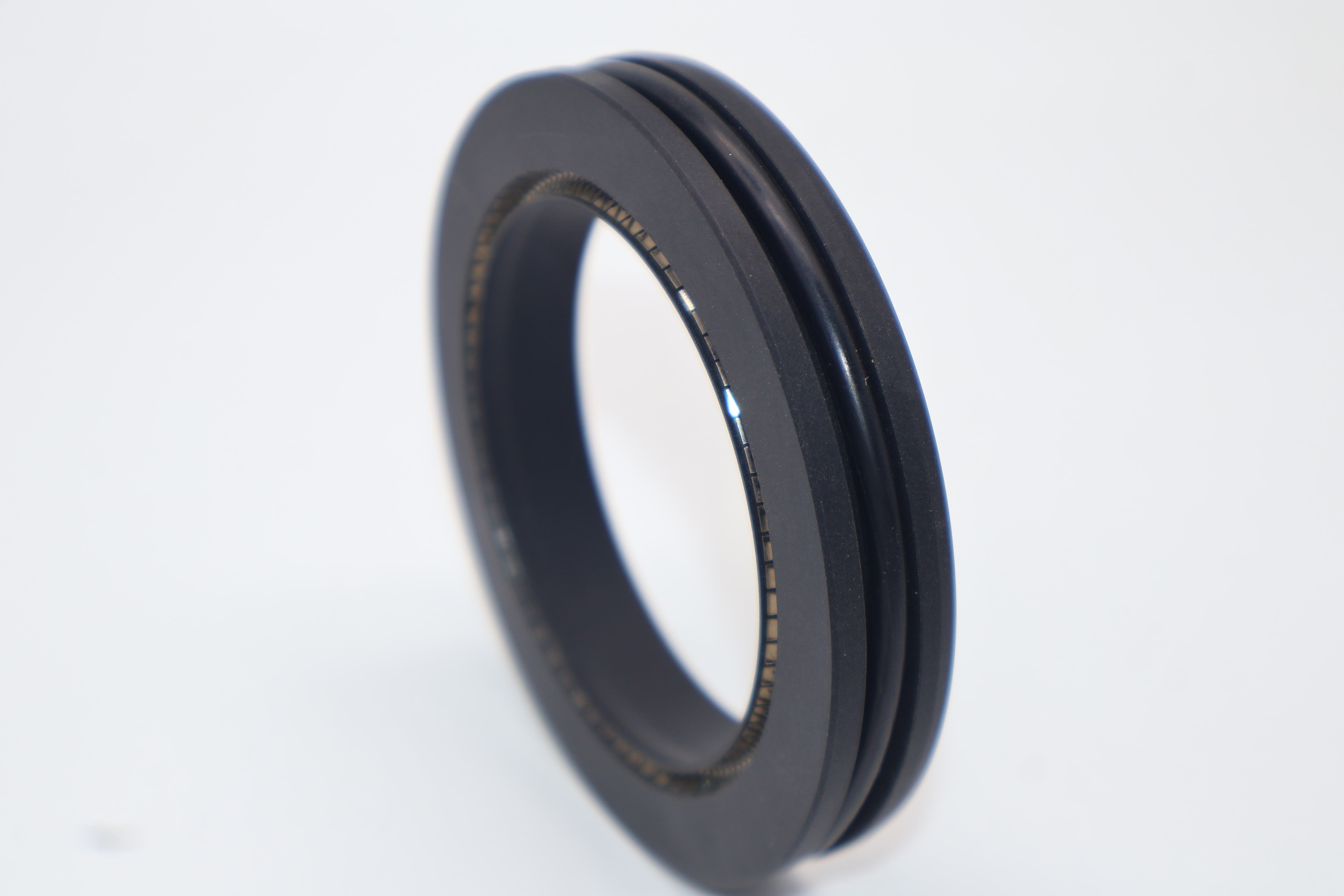
Extreme temperature environments demand engineering solutions that go beyond standard sealing applications. A high performance seal must withstand thermal stress, material degradation, and pressure fluctuations that would compromise conventional elastomers. Understanding the performance limits of high performance seal technology is essential for engineers, equipment manufacturers, and facility operators who must specify sealing solutions for challenging industrial conditions. Temperature extremes—whether cryogenic cold or high heat—introduce unique failure mechanisms that every high performance seal design must address.
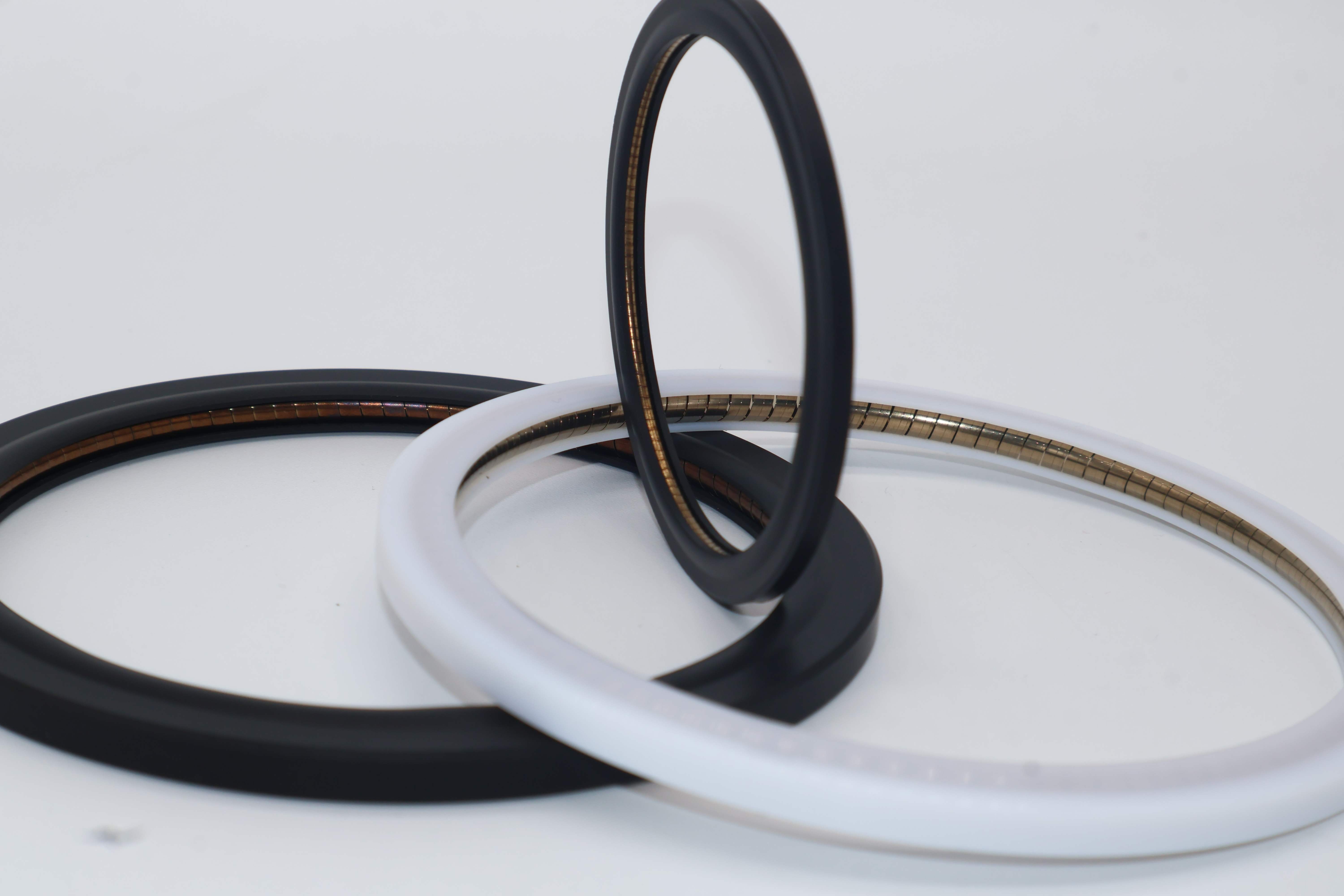
The science of high performance seal selection begins with recognizing that no single elastomer material excels across all temperature ranges. Thermal cycling, chemical compatibility, compression set, and elasticity retention all shift dramatically as temperatures move beyond the comfort zone of general-purpose seals. A high performance seal engineered for one temperature extreme may fail catastrophically in another. This article explores the realistic performance boundaries of high performance seal materials, the mechanisms of temperature-related failure, and the practical framework for selecting high performance seal solutions that will survive your most demanding applications.
Understanding High Performance Seal Temperature Thresholds
The Upper Temperature Limit for High Performance Seals
Every high performance seal material has a maximum continuous operating temperature, typically defined as the point at which the elastomer begins to lose its critical properties at an accelerated rate. For many fluorocarbon-based high performance seal formulations, continuous service limits range from 200°C to 250°C, though specialty high performance seal compounds can reach 300°C or beyond. The high performance seal material does not suddenly fail at this threshold; instead, the rate of degradation increases, compression set worsens, and tensile strength diminishes. Above the rated limit, a high performance seal transitions from steady-state aging into accelerated failure mode, where seal life drops from years or months into days or weeks.
The Lower Temperature Limit for High Performance Seals
Cryogenic and low-temperature performance represents the opposite extreme for high performance seal selection. Most elastomers become brittle and lose elasticity as temperature falls, but premium high performance seal materials like FFKM can maintain flexibility down to –20°C or –30°C under careful formulation. Some specialized high performance seal compounds extend this to –40°C or lower. The challenge is that a high performance seal's ability to recover after compression—its resilience—diminishes sharply in cold. A high performance seal that performs flawlessly at room temperature may become permanently deformed at –10°C, rendering it useless as a dynamic or static seal. Low-temperature limit failure in high performance seal applications typically manifests as seal hardening, loss of sealing force, and potential leakage of process fluids.
Material Science and High Performance Seal Degradation Mechanisms
Thermal Oxidation and High Performance Seal Breakdown
Thermal oxidation is the primary degradation pathway for most high performance seal materials at elevated temperatures. As a high performance seal operates in oxygen-rich environments, the heat accelerates molecular bond breaking and oxidative cross-linking, which hardens the elastomer and reduces its ductility. This process is not linear; it accelerates exponentially above the high performance seal material's recommended service temperature. A high performance seal rated for 220°C may degrade rapidly at 260°C, even if the application only requires occasional operation at that level. Thermal oxidation also produces volatile byproducts that migrate out of the high performance seal, further reducing its flexibility and sealing force over time. Specialized high performance seal formulations incorporate antioxidant packages, but even these have limits.
Compression Set and High Performance Seal Resilience Loss
Compression set—the permanent deformation that remains after a high performance seal is compressed and then released—becomes a critical limiting factor in high-temperature applications. A high performance seal must retain enough elasticity to maintain contact pressure against the mating surface, but as temperature rises, the elastomer network loses its ability to recover completely. ASTM standards quantify compression set as a percentage, and most high performance seal materials show compression set increasing exponentially with temperature. At 100°C, a high performance seal might show 10% compression set after 70 hours; at 150°C, the same high performance seal material might reach 15% to 20% compression set. This means that a high performance seal designed with tight tolerances for room-temperature service can become ineffective in thermal cycling because it loses preload faster than the application can tolerate.
Practical Application Boundaries and High Performance Seal Selection
Thermal Cycling Versus Continuous Temperature Service
A critical distinction in high performance seal performance limits is the difference between continuous operation and cyclic exposure. A high performance seal rated for 250°C continuous service typically cannot withstand repeated thermal cycling between –20°C and 300°C without premature failure. Each cycle introduces stress concentrations as the high performance seal material contracts and expands differently from the metal hardware surrounding it. The cumulative effect of thermal cycling can reduce a high performance seal's effective lifespan by 50% or more compared to continuous-temperature service. This is especially important in aerospace, cryogenic, and heat-exchanger applications where the high performance seal experiences dramatic temperature swings. Manufacturers must specify whether their high performance seal is rated for continuous operation, cyclic exposure, or both.
Chemical Environment and High Performance Seal Performance Limits
Temperature performance of a high performance seal cannot be evaluated in isolation from the chemical environment. Certain hydraulic fluids, solvents, and process chemicals become more aggressive at elevated temperatures, accelerating swelling or degradation of the high performance seal material. A high performance seal that remains stable in clean water at 200°C may degrade rapidly in mineral oil or synthetic hydrocarbon fluid at the same temperature. Conversely, some high performance seal materials tolerate aggressive chemicals at room temperature but fail catastrophically when those same chemicals are heated. This interaction between temperature and chemical compatibility means that high performance seal selection requires both thermal data sheets and compatibility matrices. A comprehensive high performance seal specification must define both the temperature range and the complete list of fluids and gases the high performance seal will contact.
FAQ
What is the typical maximum temperature for a high performance seal?
Most standard high performance seal materials operate continuously up to 200°C to 250°C, with some specialty formulations rated to 300°C or higher. The exact high performance seal temperature limit depends on the base elastomer, the specific additive package, and whether the application involves continuous operation or intermittent exposure. Always consult the manufacturer's data sheet for your specific high performance seal to confirm its rated maximum temperature.
Can a high performance seal designed for high temperature also work in cryogenic applications?
Rarely. A high performance seal optimized for elevated-temperature service typically sacrifices low-temperature flexibility to improve thermal stability. Conversely, a high performance seal engineered for cryogenic performance may lose thermal oxidation resistance at high temperatures. Some advanced FFKM formulations achieve broader temperature ranges, but most high performance seal materials perform best within a defined window. Specify a high performance seal matched to your actual temperature envelope rather than assuming one compound covers both extremes.
How does thermal cycling affect high performance seal lifespan compared to continuous temperature service?
Thermal cycling significantly reduces high performance seal lifespan because repeated expansion and contraction induces mechanical stress, stress concentration at edges, and accelerated fatigue of the elastomer network. A high performance seal rated for 250°C continuous operation may fail after hundreds or thousands of thermal cycles between –20°C and 300°C. If your application involves cyclic temperature exposure, verify that your high performance seal's data sheet specifically addresses thermal cycling performance, not just continuous-temperature ratings.