
 EN
EN
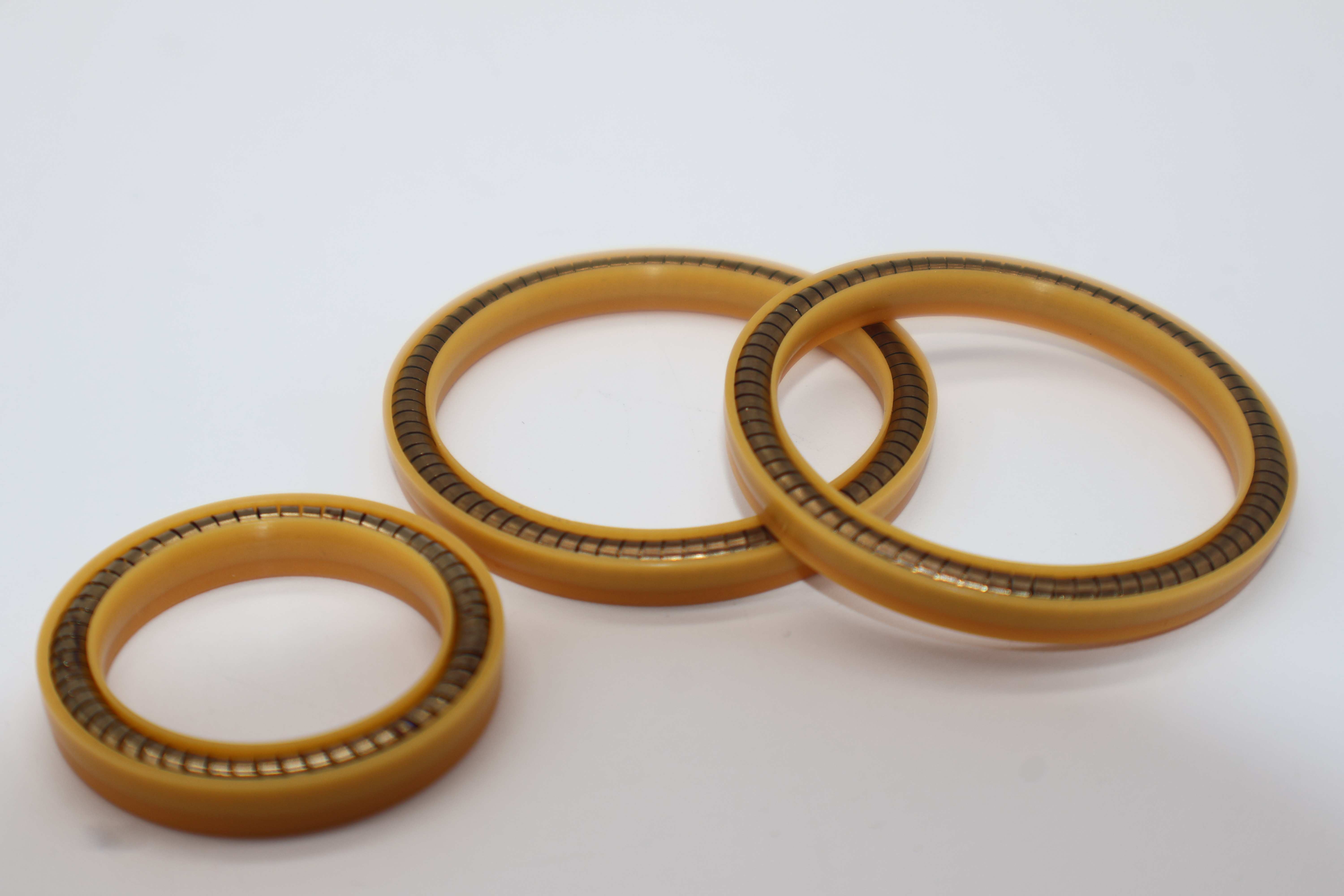
Spring energized seals represent a critical advancement in industrial sealing technology, engineered specifically to maintain performance in the most demanding operational environments. These specialized components combine elastomeric or polymeric materials with embedded springs to deliver consistent pressure and sealing force across wide temperature ranges and pressure fluctuations. Understanding how spring energized seals behave under extreme conditions is essential for engineers and procurement professionals responsible for equipment reliability and maintenance cost reduction. The material science behind spring energized seals determines whether they succeed or fail when exposed to corrosive chemicals, temperature swings, abrasive particles, and intense mechanical stress.
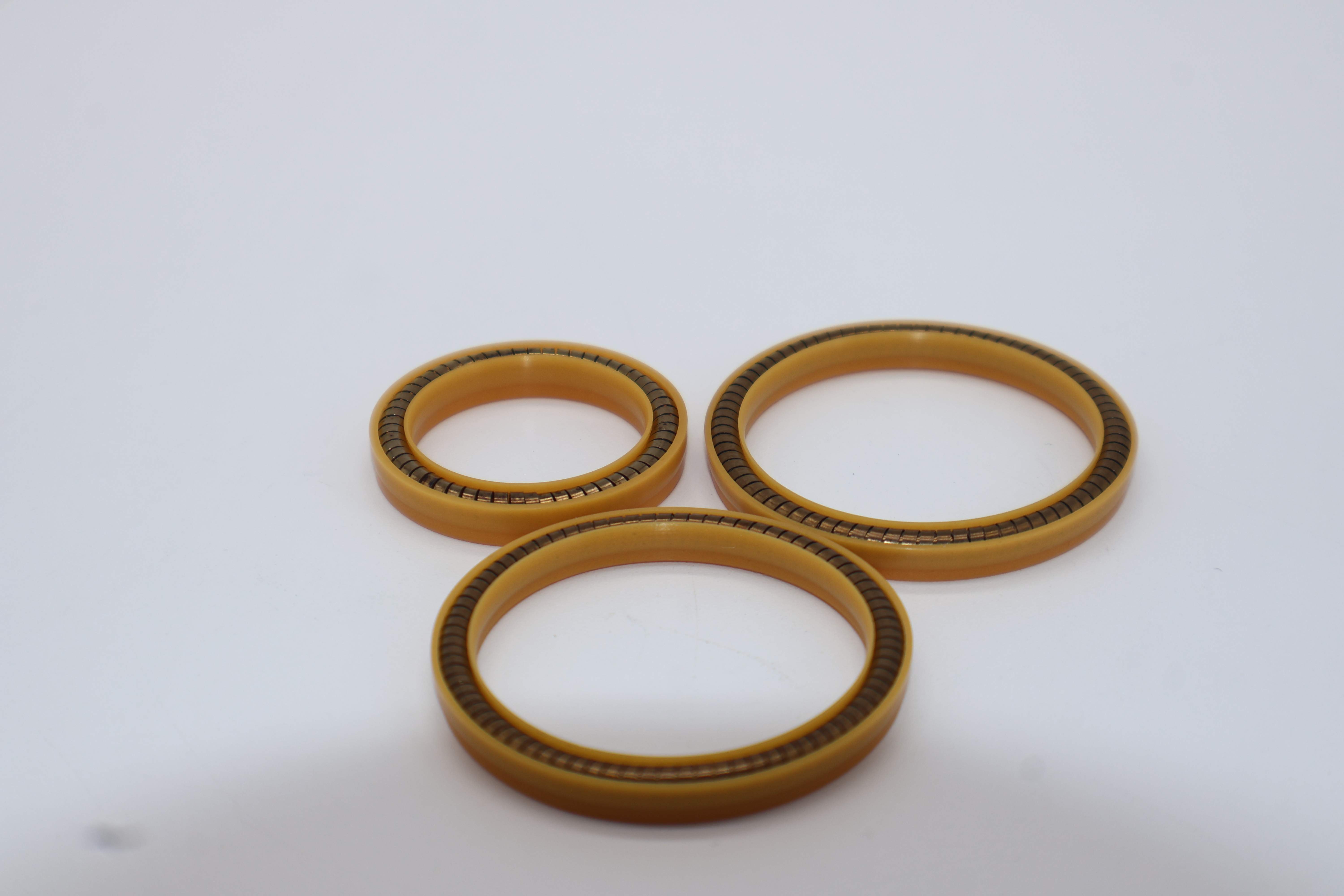
In harsh industrial environments, conventional fixed-ring seals often fail prematurely because they cannot adapt to equipment wear, thermal cycling, or dynamic pressure changes. Spring energized seals overcome this limitation by actively maintaining contact with opposing surfaces through spring force, compensating for dimensional changes and wear. This adaptive behavior makes spring energized seals particularly valuable in petrochemical, pharmaceutical, food processing, and semiconductor manufacturing applications where operational reliability directly impacts production continuity and safety compliance.
Material Composition and Performance Characteristics
Core Material Selection for Spring Energized Seals
The primary sealing element of spring energized seals typically consists of PTFE, polyetheretherketone (PEEK), or other high-performance polymers engineered for chemical resistance and thermal stability. PTFE-based spring energized seals excel in corrosive chemical environments because PTFE exhibits exceptional inertness to virtually all industrial solvents, acids, and bases. The spring component—usually made from stainless steel or specialized alloys—provides the pushing force that keeps spring energized seals engaged with the mating surface. This dual-material architecture creates a synergy where the spring delivers pressure while the polymer handles chemical compatibility, resulting in superior performance compared to monolithic seal designs.
Spring energized seals maintain their sealing integrity across temperature ranges that would quickly degrade conventional O-rings or elastomeric seals. While standard rubber compounds become brittle below 0°C or soften excessively above 100°C, spring energized seals with PTFE elements can function reliably from cryogenic temperatures down to minus 50°C through elevated temperatures above 200°C. This thermal resilience stems from PTFE's inherently stable molecular structure, which resists degradation across a vast operational window. Industrial operators working with cryogenic gases, hot process fluids, or rapidly cycling thermal environments depend on spring energized seals to eliminate thermal-induced leakage and component failure.
Pressure Adaptation and Wear Compensation
Spring energized seals automatically adjust their sealing force as components wear, a capability that standard seals cannot replicate. When equipment operates under pressure, the spring inside spring energized seals compresses and extends in response to seal face wear, surface roughness variations, and pressure pulses. This active compensation mechanism prevents the gradual leakage that typically accompanies conventional seal wear patterns. As equipment ages and seal faces lose their mirror-like finish, spring energized seals maintain consistent contact pressure, extending equipment service intervals and reducing unplanned maintenance events.
The spring force within spring energized seals also protects against sudden pressure spikes or transient pressure reversals common in batch processes, pump starts, or emergency shutdown scenarios. Rather than failing catastrophically when pressure suddenly reverses, spring energized seals flex and recover, maintaining their sealing envelope. This resilience makes spring energized seals especially suited to intermittent duty applications where pressure profiles are unpredictable or dynamic.
Failure Modes and Environmental Stress Factors
Chemical Attack and Material Degradation Pathways
Even premium spring energized seals can experience accelerated degradation when exposed to incompatible solvents, high-concentration oxidizing agents, or specialized industrial chemicals. While PTFE polymer in spring energized seals resists most aggressive media, certain fluorinated compounds, molten salts, and extremely reactive halogens can cause surface erosion or swelling over extended exposure. Identifying chemical compatibility before installing spring energized seals prevents costly failures and contamination of sensitive product streams. Industrial facilities must consult material compatibility charts and conduct compatibility testing with actual process fluids before committing spring energized seals to production systems.
The spring component within spring energized seals faces different environmental threats than the polymer seal element. Stainless steel springs resist general corrosion, but chloride-rich environments, sulfidic atmospheres, or crevice conditions can trigger localized pitting or stress corrosion cracking in standard stainless grades. Upgrading to higher-grade alloys or specialty stainless materials increases spring energized seals' environmental resilience but also increases material cost. Engineering teams must weigh durability requirements against procurement budgets when selecting spring material grades for offshore, coastal, or chemically aggressive applications.
Abrasive Contamination and Particle Ingestion
Particle ingestion represents a severe threat to spring energized seals, particularly in mining, grinding, or bulk material handling environments where dust and debris are unavoidable. When hard particles embed themselves into the PTFE sealing surface or become trapped between the seal and mating ring, they create micro-cutting action that rapidly deteriorates the seal face. Unlike soft elastomers that can sometimes accommodate small particles, spring energized seals rely on smooth surface contact to maintain sealing integrity, making them more vulnerable to contamination damage. Protecting spring energized seals through proper filtration, seal design configurations, and contamination exclusion strategies is essential in dusty industrial settings.
Thermal cycling combined with particle contamination accelerates seal degradation beyond what either stress would cause independently. As spring energized seals expand and contract with temperature changes, trapped particles shift position and create fresh cutting paths across the seal face. This synergistic wear mechanism can reduce seal life by 50% or more compared to stable-temperature operation with equivalent particle contamination. Process design engineers must implement multi-barrier contamination control strategies when deploying spring energized seals in cyclically heated environments with high particle loads.
Design Optimization and Material Selection Strategies
Spring Material Grades and Corrosion Protection
Selecting appropriate spring materials for spring energized seals requires understanding the chemical environment, temperature profile, and stress history of the application. Standard 300-series stainless steel springs serve general industrial duties effectively, but marine environments, petroleum production facilities, and pharmaceutical water systems demand superior corrosion resistance. Upgrading spring energized seals to include 6Mo super-duplex springs or Inconel components dramatically improves durability in offshore platforms, desalination plants, and chemical processing units. Material engineers should specify spring material grades explicitly in equipment procurement specifications to prevent supplier substitution and performance degradation.
Coating technologies applied to spring materials further enhance spring energized seals' environmental durability. Electropolished finishes remove surface irregularities that promote corrosion initiation, while specialized coatings like nickel-plating or tungsten-carbide provide additional barriers against aggressive media. Industrial applications in food processing or pharmaceutical manufacturing often mandate nickel-plated springs within spring energized seals to prevent metal contamination of products and compliance violations. Investment in premium spring material and protective finishes for spring energized seals typically delivers superior return on investment through extended equipment life and reduced emergency maintenance costs.
Seal Face Geometry and Contact Pressure Optimization
Spring energized seals achieve optimal performance when spring force and seal face geometry are carefully balanced to maintain consistent contact pressure throughout equipment service life. Undersized spring force results in gradual leakage as wear progresses, while excessive spring force accelerates frictional heating and polymer degradation. Mechanical engineers designing equipment must specify spring energized seals with force ratings matched to expected pressure profiles, temperature ranges, and equipment duty cycles. Dynamic simulation software can predict spring energized seals' behavior under complex loading conditions, enabling precise specification before prototype manufacture.
Seal face geometry influences both contact pressure distribution and heat generation during operation. Hydrodynamic pocket designs within spring energized seals' mating rings can generate beneficial fluid wedges that reduce friction and extend seal life under high-speed rotation. Conversely, flat face designs simplify manufacturing and reduce cost, making them preferable for static or low-speed applications. Material engineers and designers must evaluate spring energized seals' specific application requirements to select geometries that optimize the balance between sealing reliability, operational efficiency, and lifecycle cost.
FAQ
How do spring energized seals outperform conventional elastomeric seals in extreme temperature applications?
Spring energized seals maintain superior performance across extreme temperatures because their PTFE polymer elements exhibit dimensional stability and chemical inertness across unusually wide temperature ranges, from cryogenic conditions below minus 50°C to sustained operation above 200°C. Unlike conventional rubber O-rings that become brittle when cold or lose resilience when heated, spring energized seals' embedded spring mechanisms continuously adjust sealing force to compensate for thermal expansion and contraction. This active pressure adaptation prevents the thermal-induced leakage failures that plagued elastomeric seals in temperature-cycling applications, making spring energized seals essential for industries managing cryogenic gases, thermal processing, or rapid temperature fluctuations.
What environmental factors most commonly cause spring energized seals to fail prematurely?
The primary failure modes for spring energized seals involve chemical incompatibility between the polymer element and process fluids, corrosion of the spring component in chloride-rich or oxidizing atmospheres, and abrasive particle ingestion that damages the sealing surface. While PTFE materials resist most industrial chemicals, specialized solvents and exotic reactive media can cause material degradation, and hard particles embedded in seal faces create micro-cutting that rapidly deteriorates sealing performance. Thermal cycling combined with contamination accelerates degradation synergistically, reducing seal life significantly beyond what either stress factor would cause independently. Rigorous material compatibility testing, proper application design, and contamination exclusion strategies prevent the majority of premature spring energized seals failures.
Which industries benefit most from implementing spring energized seals in their equipment?
Industries managing harsh chemical processing, extreme temperatures, or cyclic operational stresses derive maximum value from spring energized seals because these applications exceed the capabilities of conventional sealing technology. Petrochemical refineries, pharmaceutical manufacturing facilities, food processing plants, semiconductor fabrication, and aerospace component assembly rely on spring energized seals to maintain equipment availability and prevent contamination-related production losses. Cryogenic gas distribution, desalination plant operations, and offshore petroleum production also depend extensively on spring energized seals because of their superior durability in corrosive marine environments and extreme thermal conditions. Industries prioritizing equipment reliability, regulatory compliance, and total lifecycle cost reduction consistently specify spring energized seals as standard components rather than treating them as premium upgrades.