
 EN
EN
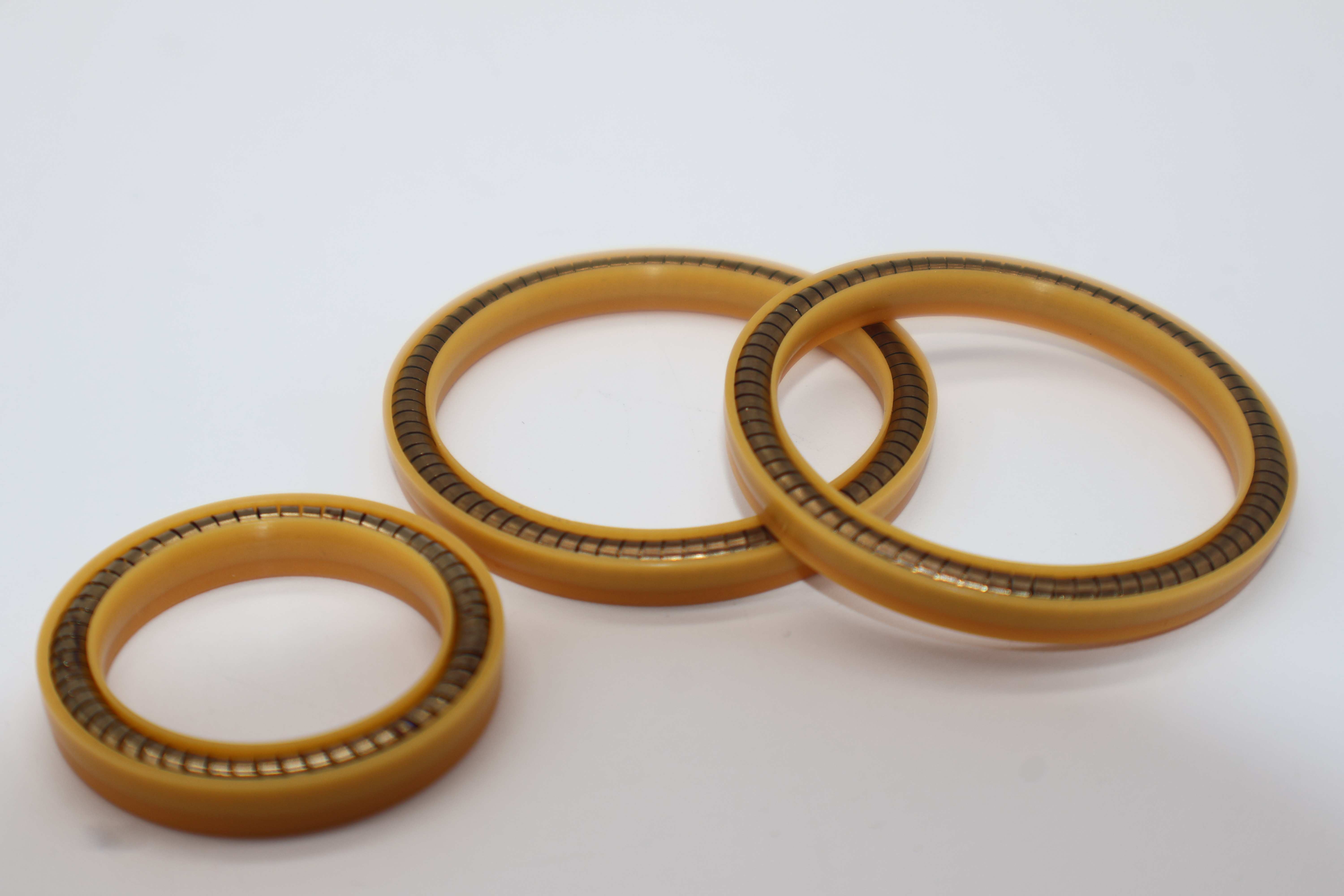
Spring energized seals represent a fundamental advancement in mechanical sealing technology for industries requiring maximum reliability and extended operational life. These precision components combine elastomer or PTFE materials with carefully calibrated spring mechanisms to maintain consistent pressure and prevent leakage across challenging process conditions. Understanding how spring energized seals function and why they outperform conventional static seals is essential for engineers and procurement specialists working in petrochemical, aerospace, pharmaceutical, and food processing sectors.
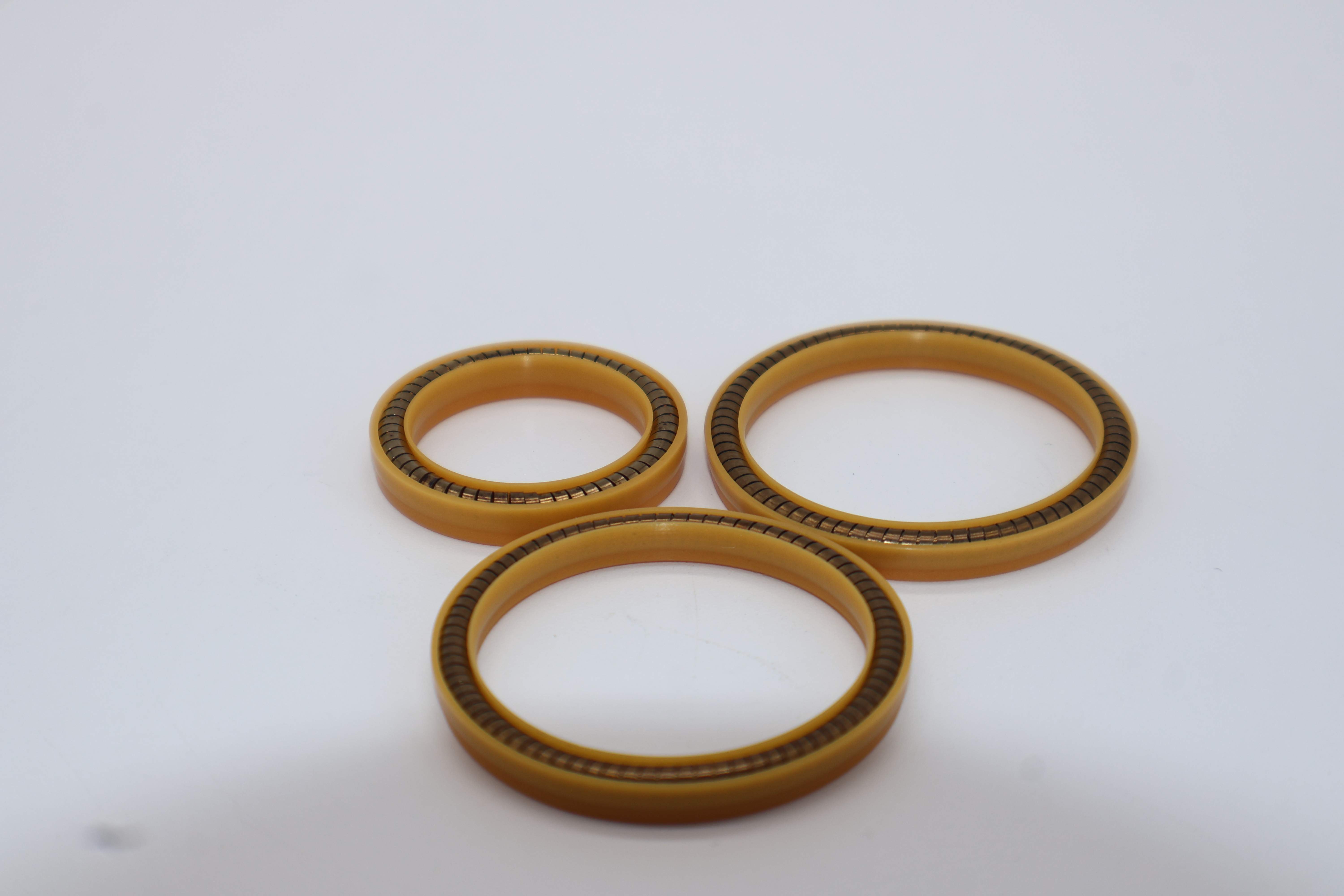
The superiority of spring energized seals lies in their dynamic pressure management and material resilience under extreme thermal and chemical exposure. Unlike traditional static seals that gradually lose sealing force due to relaxation and wear, spring energized seals maintain active contact through integrated spring components that compensate for surface degradation. This fundamental characteristic directly translates to measurably longer service intervals, reduced maintenance costs, and enhanced system safety in mission-critical applications where seal failure carries high operational and financial consequences.
How Spring Energized Seals Maintain Pressure Under Extreme Conditions
Dynamic Force Management in Spring Energized Seals
Spring energized seals operate on a principle of continuous pressure maintenance that distinguishes them from passive sealing solutions. The integrated spring component actively pushes the sealing element against mating surfaces, creating a persistent contact force that adapts to wear patterns and thermal expansion. As equipment operates across temperature fluctuations and pressure cycles, the spring mechanism automatically adjusts contact pressure, ensuring that spring energized seals maintain sealing integrity without manual intervention or frequent adjustment. This self-compensating behavior is particularly valuable in applications experiencing repeated thermal shock or significant pressure oscillations.
The spring design geometry directly influences the performance envelope of spring energized seals in demanding environments. Engineers select spring material composition, wire diameter, and coil spacing to achieve precise force characteristics that match specific application requirements. When configured correctly, spring energized seals can operate across temperature ranges exceeding 200 degrees Celsius, maintain zero leakage in high-vacuum applications, and withstand rapid pressure transients that would compromise conventional seals. The spring mechanism essentially transforms a static sealing interface into an actively managed system that responds intelligently to changing operating conditions.
Material Selection for Extended Service Life
The combination of advanced polymers with spring technology creates spring energized seals capable of surviving chemical exposures that quickly degrade conventional elastomers. PTFE formulations provide exceptional chemical resistance, low friction characteristics, and dimensional stability across extreme temperature variations. When PTFE is paired with appropriately selected spring materials such as stainless steel or Inconel alloys, the resulting spring energized seals achieve service lives that multiply operational intervals by factors of three to five compared to standard seals. This material synergy explains why spring energized seals command premium pricing while delivering superior total-cost-of-ownership metrics for critical applications.
The degradation mechanism of spring energized seals differs fundamentally from elastomer-based alternatives because PTFE experiences minimal stress relaxation even under prolonged thermal exposure. While conventional seals lose sealing force through permanent molecular deformation, spring energized seals maintain consistent pressure through their spring elements, which recover elastically after each compression cycle. This elastic recovery mechanism means that spring energized seals can operate for thousands of hours without requiring seal replacement, particularly in applications with stable operating envelopes and predictable pressure profiles.
Critical Application Scenarios Where Spring Energized Seals Deliver Maximum Value
Aerospace and High-Reliability Industries
Aerospace applications demand sealing solutions that eliminate maintenance emergencies and support extended flight intervals without seal replacement. Spring energized seals have become the standard specification for fuel system connections, hydraulic actuators, and environmental control systems in modern aircraft because their predictable degradation curves allow precise maintenance scheduling. The low leak rates achievable with properly designed spring energized seals reduce fuel consumption losses and environmental contamination risks, creating secondary operational benefits beyond basic containment. For aerospace engineers, the reliability profile of spring energized seals provides the margin of safety required in applications where seal failure could trigger emergency procedures.
Chemical processing plants and pharmaceutical manufacturing facilities rely heavily on spring energized seals to manage aggressive fluid streams without environmental release. The zero-leakage characteristics of spring energized seals prevent product contamination, eliminate regulatory compliance violations, and protect facility personnel from hazardous substance exposure. In pharmaceutical applications where product integrity directly impacts human health and safety, spring energized seals provide the sealing reliability that regulators expect and patients depend upon. These industries willingly invest in premium spring energized seals because seal failure consequences extend far beyond equipment repair into product liability and regulatory suspension scenarios.
High-Temperature and Corrosive Environment Protection
Petrochemical refinery operations subject seals to simultaneous exposure to extreme temperatures, corrosive chemical mixtures, and high system pressures that rapidly exhaust conventional sealing solutions. Spring energized seals engineered with specialized PTFE compounds and compatible spring alloys can maintain sealing performance in these hostile environments for service intervals that justify their higher initial cost. The chemical inertness of PTFE ensures that spring energized seals resist degradation from hydrogen sulfide, chlorine compounds, and organic solvents that attack elastomer-based alternatives within weeks or months. In offshore drilling applications where equipment replacement requires expensive platform downtime or specialized service vessels, the extended service life of spring energized seals translates into millions of dollars in avoided operational interruptions.
Vacuum chamber applications and cryogenic systems represent an extreme opposite of high-temperature environments where spring energized seals demonstrate remarkable versatility. The material properties of PTFE actually improve at cryogenic temperatures, becoming more rigid and maintaining tighter contact with mating surfaces. Spring energized seals maintain vacuum integrity in research facilities, semiconductor manufacturing clean rooms, and space simulation chambers where leakage rates must remain below measurable thresholds. The ability of spring energized seals to perform across such an enormous temperature spectrum—from cryogenic cold to elevated heat—explains their adoption in mission-critical applications where seal substitution with conventional alternatives would be technically impossible.
Installation, Maintenance, and Lifecycle Considerations for Spring Energized Seals
Proper Installation Procedures and Surface Preparation
The sealing performance ceiling of spring energized seals cannot be achieved without meticulous surface preparation and installation discipline that exceeds the requirements for standard seals. Mating surfaces must be cleaned to remove particulate contamination, machined to specified roughness parameters, and inspected for scratches or deformation that could compromise sealing contact. Installation techniques for spring energized seals demand careful attention to seal orientation, spring preload verification, and protection from mechanical damage during assembly. Technicians trained specifically in spring energized seals installation procedures achieve significantly higher first-time reliability and longer service intervals than personnel following generic seal installation protocols.
The spring preload force in spring energized seals must be verified and documented during installation to establish a baseline reference for future maintenance decisions. Measurement of spring force provides quantitative confirmation that the seal is performing within design parameters and alerts maintenance teams to degradation trends before leakage becomes visible. This proactive monitoring approach transforms spring energized seals maintenance from reactive emergency response into predictable scheduled interventions that maximize equipment availability. Many organizations establish seal replacement schedules based on spring force measurements rather than waiting for leakage symptoms, effectively preventing catastrophic seal failures in critical applications.
Lifecycle Economics and Total Cost of Ownership
The economic analysis of spring energized seals must compare installed cost, extended service interval, failure consequence severity, and reduced downtime risk rather than focusing solely on component purchase price. A spring energized seal costing three times more than a conventional alternative may deliver ten times the service life while preventing equipment damage and environmental release that would cost hundreds of thousands to remediate. Industries with high downtime costs, regulatory penalties for leakage, or product contamination liability typically discover that spring energized seals represent the most cost-effective long-term sealing solution despite initial acquisition cost premiums. Engineering teams should evaluate total cost of ownership over the full equipment lifecycle rather than minimizing first cost, ensuring that sealing technology selection aligns with operational priorities and risk tolerance.
Spring energized seals require periodic condition monitoring but eliminate many routine maintenance tasks associated with conventional seal replacement cycles. Predictive maintenance programs that track spring force degradation, measure leakage rates, and monitor system pressure profiles enable precise optimization of spring energized seals replacement timing. This data-driven approach prevents unnecessary premature replacements while detecting degradation before catastrophic failure occurs. Organizations implementing comprehensive spring energized seals monitoring programs report 30 to 50 percent reductions in maintenance labor costs and improved equipment availability that directly enhances operational profitability.
FAQ
What makes spring energized seals superior to standard elastomer seals in high-temperature applications?
Spring energized seals maintain consistent contact pressure through active spring mechanisms that compensate for thermal expansion and material relaxation, whereas elastomer seals lose sealing force through permanent deformation when exposed to sustained high temperatures. PTFE materials used in spring energized seals exhibit minimal thermal expansion and retain mechanical properties across temperature ranges that cause conventional elastomers to become sticky or brittle. The continuous pressure adjustment provided by spring energized seals prevents the leakage that typically develops in standard seals as thermal cycling progresses.
How do spring energized seals reduce total cost of ownership compared to conventional sealing solutions?
Spring energized seals extend service intervals by 3 to 10 times longer than conventional seals, directly reducing labor costs associated with frequent maintenance and replacement activities. The prevention of leakage-related equipment damage, environmental contamination, and regulatory compliance violations eliminates expensive consequences that conventional seals often trigger. When total lifecycle costs including maintenance labor, replacement frequency, failure consequences, and equipment downtime are calculated, spring energized seals typically demonstrate superior economic performance despite higher initial component costs.
Can spring energized seals be retrofitted into equipment originally designed for standard seals?
Retrofitting spring energized seals into existing equipment requires detailed engineering analysis to confirm that chamber dimensions, surface finish specifications, and material compatibility match the requirements of spring energized seals. In many cases, minor modifications to mating surfaces or gland configurations are necessary to properly accommodate spring energized seals. Consulting with experienced seal engineers is essential before retrofitting spring energized seals, as improper installation in an incompatible application can actually reduce sealing performance compared to the original conventional seal design.
Table of Contents
- How Spring Energized Seals Maintain Pressure Under Extreme Conditions
- Critical Application Scenarios Where Spring Energized Seals Deliver Maximum Value
- Installation, Maintenance, and Lifecycle Considerations for Spring Energized Seals
-
FAQ
- What makes spring energized seals superior to standard elastomer seals in high-temperature applications?
- How do spring energized seals reduce total cost of ownership compared to conventional sealing solutions?
- Can spring energized seals be retrofitted into equipment originally designed for standard seals?