
 EN
EN
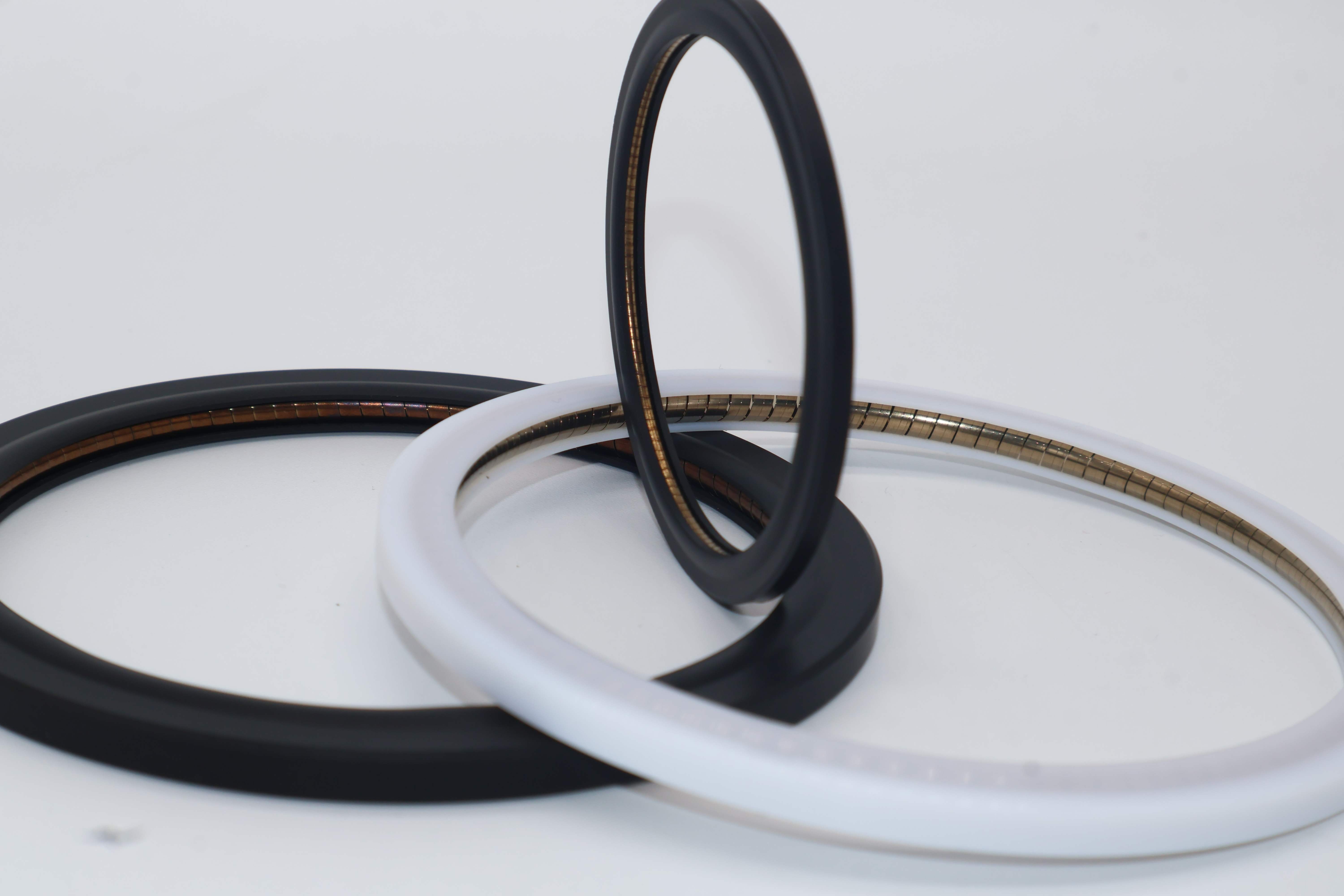
Spring energized seals represent a critical component in scientific and instrumentation systems where precision, reliability, and performance consistency are non-negotiable requirements. These specialized sealing solutions combine elastomeric materials with spring mechanisms to maintain consistent pressure and contact across operating ranges, making spring energized seals essential for applications demanding exceptional accuracy and minimal leakage. Understanding the precision requirements that govern spring energized seals ensures system designers and engineers select components that truly meet their operational demands.
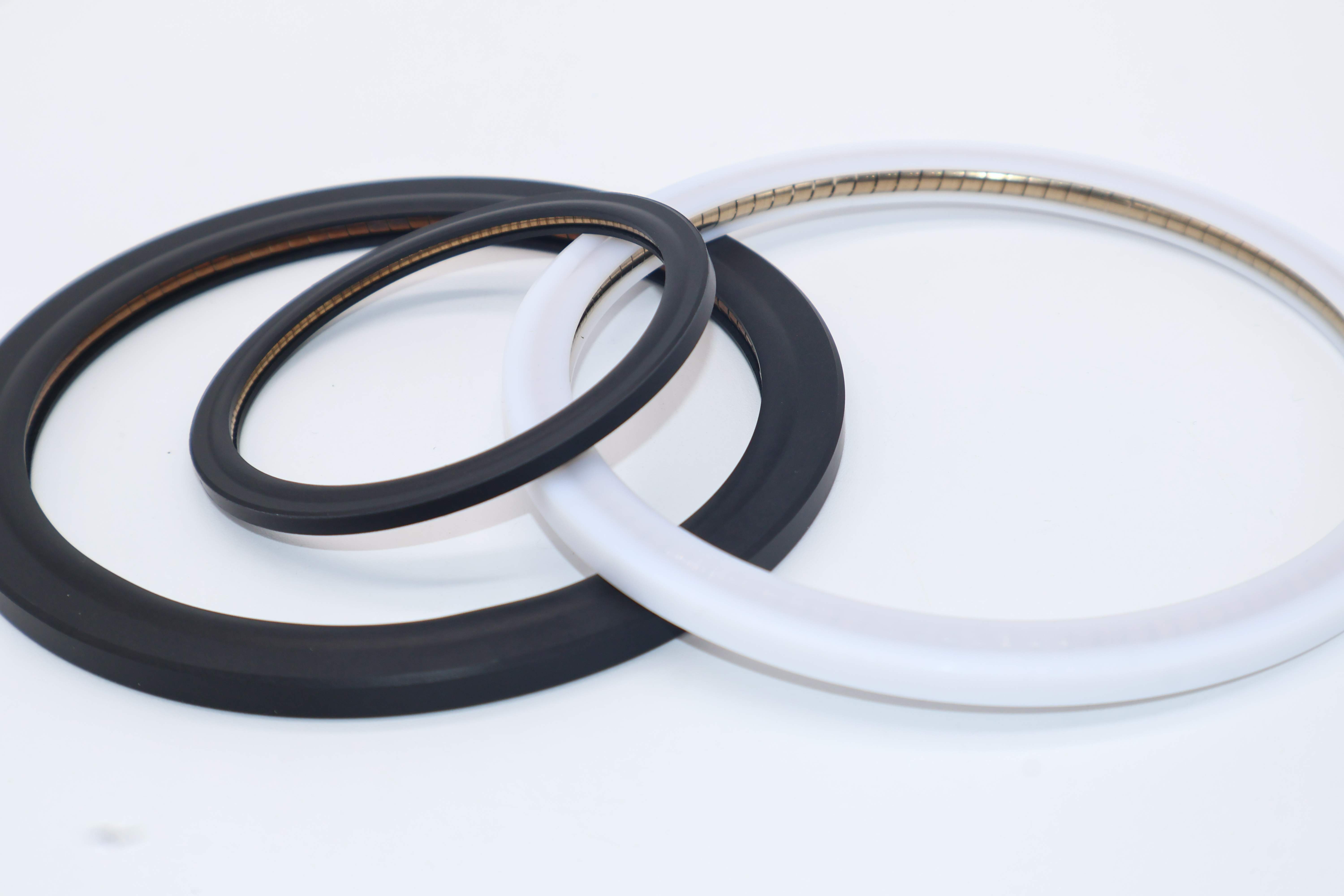
In scientific instrumentation, where measurement accuracy determines research validity and operational safety, spring energized seals must meet exacting dimensional tolerances and material specifications. The precision of spring energized seals directly impacts system performance, environmental containment, and overall equipment reliability. This article explores the dimensional, material, and operational precision requirements that make spring energized seals suitable for demanding laboratory and field instrumentation applications.
Dimensional Precision and Tolerances for Spring Energized Seals
Core Dimensional Requirements
Spring energized seals must adhere to strict dimensional specifications that ensure proper fit within mating interfaces and maintain consistent sealing performance. The outer diameter, inner diameter, thickness, and gland dimensions of spring energized seals require tolerances typically ranging from ±0.001 to ±0.005 inches, depending on application severity and system design. Precision manufacturing processes ensure that spring energized seals meet these tight tolerances consistently, preventing excessive clearances that lead to leakage or improper spring function. Engineers designing systems incorporating spring energized seals must specify tolerance classes aligned with ISO standards or custom specifications matching their instrumentation requirements.
Spring Mechanism Dimensional Control
The spring component within spring energized seals requires exceptional precision to maintain consistent radial force across the entire sealing surface. Spring free length, wire diameter, coil spacing, and force characteristics must be controlled within tight limits to ensure spring energized seals deliver uniform loading throughout operating cycles. Variations in spring geometry directly affect the consistency of sealing performance, particularly in scientific applications where measurement drift or leakage introduces unacceptable errors. Manufacturers of spring energized seals employ precision coiling equipment and rigorous inspection protocols to verify that each component meets force specifications and dimensional requirements.
Material Specifications and Performance Precision
PTFE and Elastomer Material Standards
Spring energized seals rely on material precision to deliver repeatable performance across temperature and pressure variations common in scientific instrumentation. PTFE backing materials used in spring energized seals must meet specific purity grades and dimensional consistency to ensure proper spring support and load distribution. Elastomer components within spring energized seals require chemical composition precision, Shore hardness certification, and fluid compatibility testing to guarantee performance in specific fluid environments. Material certs and test reports documenting the exact specifications of components used in spring energized seals provide traceability and assurance that replacement units perform identically to original installations.
Hardness and Compression Set Consistency
The Shore hardness of elastomeric materials in spring energized seals directly influences sealing effectiveness, extrusion resistance, and environmental compatibility. Spring energized seals must maintain consistent hardness within specified ranges, typically verified through ASTM D2240 testing, to ensure predictable performance across temperature extremes. Compression set characteristics of spring energized seals determine how elastomers maintain sealing force after extended pressurization, critical for scientific applications requiring stable long-term performance. Precision material selection and quality control testing ensure that spring energized seals maintain their sealing integrity throughout equipment service life.
Operational Precision and Performance Verification
Pressure and Temperature Operating Windows
Spring energized seals must function reliably across defined pressure and temperature ranges specified by system designers and equipment manufacturers. Precision performance of spring energized seals depends on maintaining spring force consistency as temperatures fluctuate, requiring materials and spring designs engineered specifically for target operating ranges. Scientific instrumentation systems often operate across extreme temperature spans where standard seals fail, making spring energized seals a precision solution that maintains sealing effectiveness despite environmental stress. Documentation of performance characteristics for spring energized seals under various operating conditions ensures engineers can confidently specify components for their applications.
Leakage Rate and Detection Standards
Precision requirements for spring energized seals include maximum acceptable leakage rates, often measured in standard cubic centimeters per minute or equivalent metrics. Scientific applications frequently demand leakage rates below 1 SCCM, requiring spring energized seals manufactured to exceptional standards and verified through helium mass spectrometry or other sensitive detection methods. Batch testing protocols for spring energized seals ensure that every production run meets leakage specifications before components reach end users. Precision leakage documentation provides engineers with confidence that spring energized seals will contain fluids or maintain vacuum integrity throughout system operation.
Installation Precision and Gland Design Optimization
Gland Surface Finish and Parallelism
The precision of installation surfaces directly affects the performance of spring energized seals, requiring gland surfaces to meet specific finish and geometric tolerances. Surface finish for glands receiving spring energized seals typically requires Ra values between 8 and 32 microinches, with parallelism tolerances ensuring uniform spring loading across the sealing surface. Spring energized seals perform optimally when mating surfaces meet precision specifications, preventing surface irregularities from compromising seal contact. Equipment designers incorporating spring energized seals must specify gland geometry and surface preparation requirements to ensure sealing components function as engineered.
Installation Procedures and Verification
Precision installation of spring energized seals requires careful attention to assembly procedures, orientation, and pressure application sequences. Engineers and technicians must follow installation specifications for spring energized seals to avoid damage during assembly and ensure components seat properly within gland cavities. Visual inspection, dimensional verification, and performance testing after spring energized seals installation confirm that components are properly positioned and ready for operation. Documented installation procedures for spring energized seals provide quality assurance that systems achieve designed performance levels.
FAQ
What tolerance class should spring energized seals meet for precision instrumentation?
Spring energized seals in scientific instrumentation typically require tolerance classes aligning with ISO 286 standards, with dimensional variations typically ±0.001 to ±0.003 inches depending on application severity. Precision requirements for spring energized seals should be specified based on system design, operating pressures, and performance criticality. Custom tolerance specifications ensure spring energized seals meet exact equipment requirements rather than relying on standard classes that may not align with specialized instrumentation needs.
How are leakage rates specified and verified for spring energized seals?
Leakage rates for spring energized seals are typically specified in standard cubic centimeters per minute and verified through helium mass spectrometry, pressure decay testing, or bubble point analysis depending on the fluid medium. Manufacturing facilities producing spring energized seals conduct batch testing following ASTM F1418 or equivalent protocols to ensure every production lot meets maximum acceptable leakage thresholds. Documentation of leakage test results for spring energized seals provides traceability and confidence in component performance before installation.
Why do spring energized seals require material certs and performance documentation?
Material certs and performance documentation for spring energized seals provide traceability, ensure batch consistency, and demonstrate compliance with specified standards for scientific and instrumentation applications. Engineers rely on documented specifications of spring energized seals to verify that replacement components perform identically to original units and maintain system calibration over equipment life. Comprehensive documentation for spring energized seals supports quality assurance processes, regulatory compliance, and long-term equipment reliability in critical instrumentation environments.