
 EN
EN
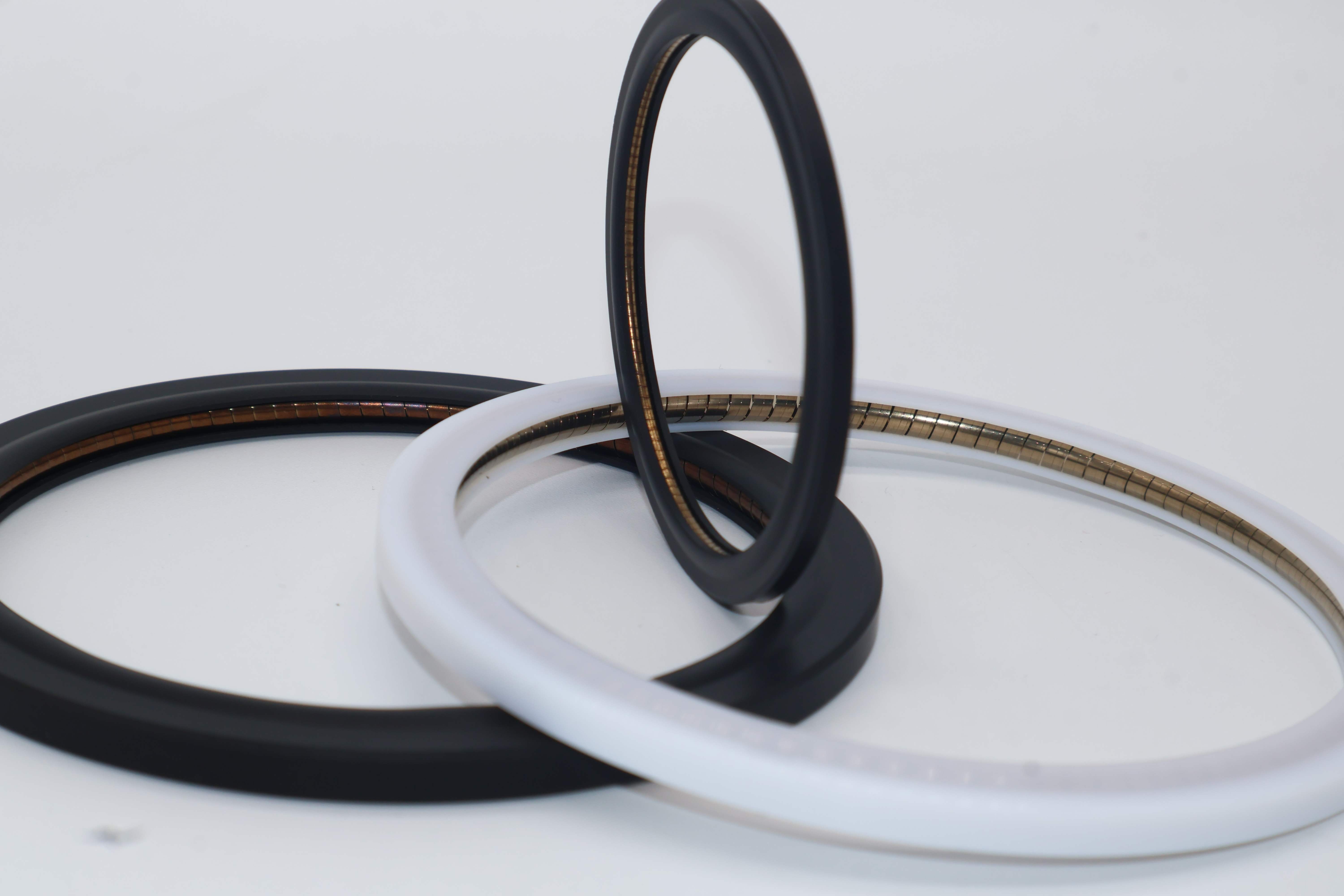
Spring energized seals have become essential components in modern automation systems, where precision, durability, and consistent performance directly impact operational efficiency. These specialized seals combine the low-friction properties of polytetrafluoroethylene (PTFE) with spring mechanisms that maintain consistent contact pressure, making spring energized seals particularly valuable in dynamic and high-tolerance applications. Whether you operate industrial machinery, pharmaceutical equipment, or precision automation systems, understanding how spring energized seals function and how to source them reliably is critical to minimizing downtime and extending equipment lifecycle.
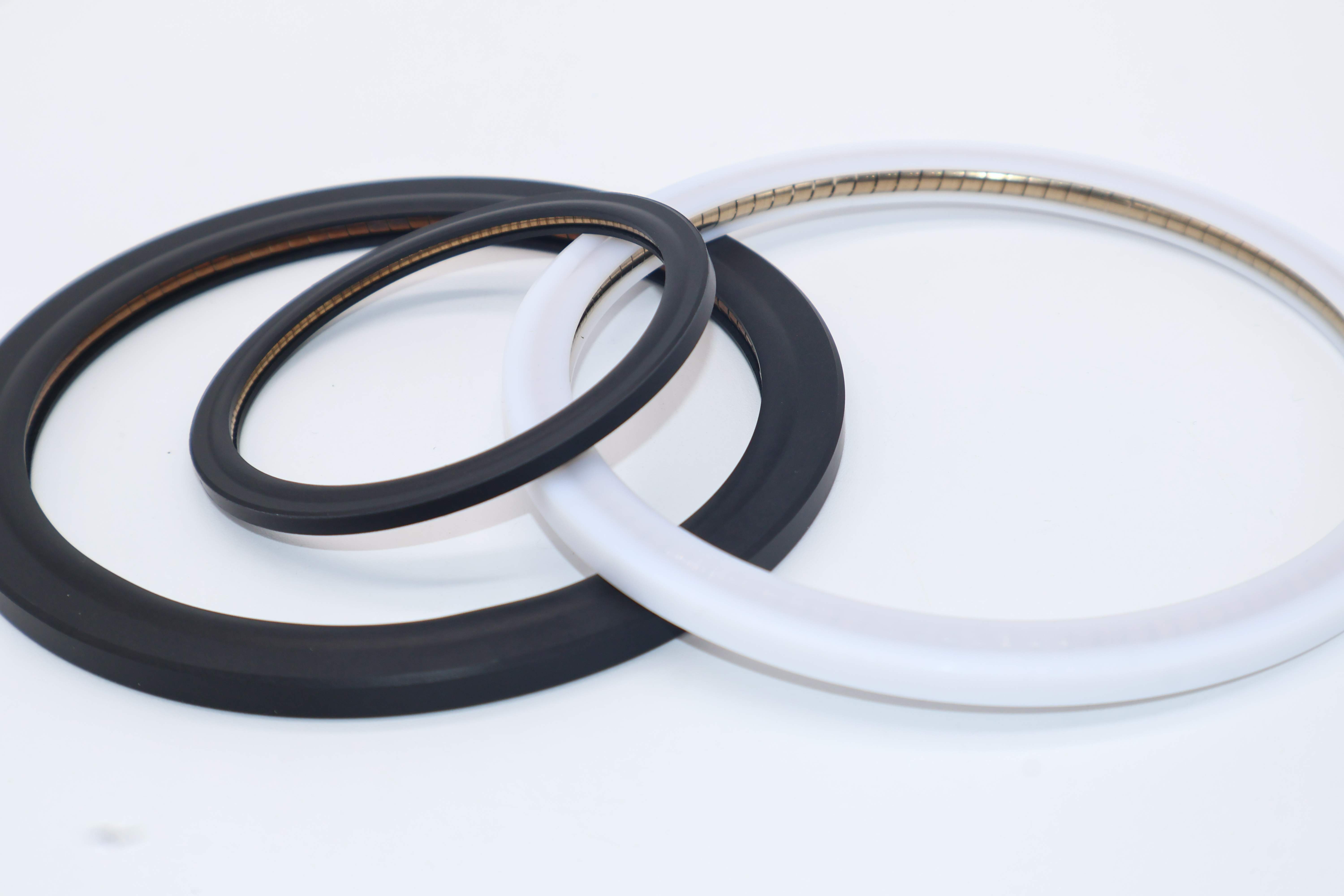
The demand for spring energized seals continues to grow as automation systems become more sophisticated and performance requirements become stricter. Organizations across manufacturing, chemical processing, and medical device sectors rely on spring energized seals to deliver leak-free performance under challenging conditions. This article explores the critical role of spring energized seals in automation environments, examines why these seals outperform traditional alternatives, and provides practical guidance for securing reliable supply of high-quality spring energized seals for your operations.
The Role of Spring Energized Seals in Modern Automation
How Spring Energized Seals Maintain Consistent Performance
Spring energized seals operate on a fundamentally different principle than conventional elastomer seals. Instead of relying solely on compression force during installation, spring energized seals use an internal spring mechanism to maintain constant contact pressure against sealing surfaces. This spring mechanism ensures that spring energized seals continue to seal effectively even as material wear occurs or shaft run-out varies. The PTFE component of spring energized seals provides exceptional chemical resistance and low friction characteristics, while the spring component compensates for dimensional changes and wear patterns that would compromise traditional seals.
In automation systems where precision is paramount, the reliability of spring energized seals translates directly into reduced maintenance intervals and lower total cost of ownership. Equipment operating with spring energized seals experiences fewer unexpected failures, which means less production interruption and more predictable operating costs. The self-adjusting nature of spring energized seals makes them ideal for applications where equipment experiences variable loading, temperature fluctuations, or shaft movement that would quickly degrade conventional seal materials.
Applications Where Spring Energized Seals Excel
Spring energized seals demonstrate exceptional performance in vacuum environments, where traditional elastomeric seals often fail due to material outgassing and loss of sealing force. Automation systems that operate in clean rooms, semiconductor manufacturing facilities, or space-grade applications frequently specify spring energized seals because these seals maintain integrity without contributing contamination. Chemical processing automation relies heavily on spring energized seals when handling aggressive solvents, strong acids, or reactive compounds that would degrade elastomer materials within weeks.
Pharmaceutical and medical device automation systems benefit from spring energized seals because the materials used in spring energized seals comply with strict purity and compatibility standards. Food processing automation equipment often incorporates spring energized seals to meet hygiene regulations while maintaining consistent performance across thousands of operating cycles. These diverse applications demonstrate why spring energized seals have become the engineering standard for demanding automation environments where failure is simply not acceptable.
Technical Advantages of PTFE Spring Energized Seals
Material Properties That Define Spring Energized Seals Performance
The PTFE component of spring energized seals provides an extremely low coefficient of friction, typically ranging from 0.05 to 0.10, compared to 0.15 to 0.25 for conventional elastomeric seals. This low-friction characteristic means that equipment using spring energized seals requires less driving force, generating less heat during operation and reducing energy consumption. PTFE also exhibits remarkable chemical stability across an exceptionally broad temperature and chemical exposure range, making spring energized seals suitable for applications where elastomers would simply dissolve or degrade.
The spring mechanism integrated within spring energized seals is typically manufactured from stainless steel or specialty alloy materials that resist corrosion and fatigue degradation. This combination of PTFE and spring materials means that spring energized seals can operate reliably in environments where moisture, salt spray, or chemical vapors would quickly corrode conventional seal hardware. The structural design of spring energized seals ensures that the spring mechanism never comes into direct contact with the sealed fluid, preventing spring corrosion while maintaining consistent sealing force throughout the component's service life.
Performance Metrics That Matter in Automation
Spring energized seals typically maintain consistent contact pressure across temperature ranges from -40°C to +200°C, with some specialized variants rated for even broader temperature extremes. This thermal stability means that automation systems using spring energized seals can operate reliably through temperature cycling without requiring seal replacement or adjustment. The dynamic sealing capability of spring energized seals allows these components to function effectively with rotating shafts, reciprocating pistons, or linear actuators experiencing high-frequency motion without material wear acceleration that occurs with static seals.
Leakage rates achieved with properly installed spring energized seals are typically in the range of 1 to 10 micrograms per second under standard test conditions, far below the 1000 to 10000 microgram per second range common with elastomeric seals. This exceptional leak control makes spring energized seals the preferred choice for applications where environmental contamination or product loss represents a significant business cost. The ability of spring energized seals to maintain these performance metrics over equipment operating lives of five to ten years directly justifies their higher initial acquisition cost compared to conventional seal alternatives.
Supply Chain Strategy and Sourcing Reliability
Evaluating Spring Energized Seals Suppliers
Securing consistent supply of high-quality spring energized seals requires identifying suppliers who maintain rigorous quality control processes and demonstrate deep technical expertise in seal design. Leading suppliers of spring energized seals maintain ISO 9001 certification and often pursue additional quality certifications specific to automotive, aerospace, or pharmaceutical industries depending on their market focus. When evaluating spring energized seals suppliers, request documentation of their material sourcing practices, heat-treating processes, and dimensional verification procedures, as these factors directly impact seal performance in demanding applications.
Experienced suppliers of spring energized seals provide detailed technical documentation describing how their specific seal designs address unique application challenges, such as aggressive chemical exposure, extreme temperature cycling, or difficult-to-seal geometry. Request samples and allow your engineering team to conduct pressure decay tests, chemical compatibility trials, and accelerated life testing before committing to large-volume procurement. Spring energized seals from suppliers who resist providing detailed technical support or testing data should be viewed with skepticism, as these suppliers may prioritize cost reduction over quality and consistency.
Managing Supply Continuity
Organizations that depend on spring energized seals for critical automation systems should establish relationships with multiple qualified suppliers to reduce the risk of supply disruption due to manufacturing issues, geopolitical factors, or unexpected demand spikes. Spring energized seals manufactured to international standards, such as ISO specifications, can typically be sourced from multiple providers without significant performance variation, making standardization a valuable supply chain strategy. Maintain strategic inventory levels of spring energized seals equivalent to three to six months of normal consumption, allowing your organization to continue operations smoothly if supplier delivery delays occur unexpectedly.
Collaborate closely with your spring energized seals suppliers to stay informed about material availability, pricing trends, and any potential changes to manufacturing processes. Spring energized seals suppliers who proactively communicate about supply conditions and provide advance notice of price adjustments demonstrate the reliability and transparency that supports long-term partnerships. Documentation of specification requirements for your spring energized seals applications ensures that emergency sourcing or supplier transitions can occur with minimal technical disruption, allowing you to implement alternative qualified suppliers without redesign delays.
FAQ
What Makes Spring Energized Seals Superior to Traditional Elastomer Seals?
Spring energized seals outperform traditional elastomer seals through several key mechanisms. The integrated spring mechanism ensures consistent sealing force that actually increases as wear occurs, whereas elastomer seals lose sealing force as material compresses over time. PTFE used in spring energized seals resists a broader range of chemicals and operates across wider temperature extremes than elastomeric materials. Spring energized seals maintain significantly lower leakage rates, typically one-tenth or less than elastomer alternatives, making these seals essential for environmental compliance and product quality requirements.
How Should Organizations Handle Spring Energized Seals Installation and Maintenance?
Proper installation of spring energized seals requires careful attention to surface cleanliness, shaft concentricity, and installation force specifications provided by manufacturers. Organizations should establish preventive maintenance protocols that include periodic visual inspection of spring energized seals, monitoring of equipment temperature and vibration patterns, and recording of any leakage or performance degradation. Spring energized seals typically require minimal maintenance once installed correctly, though some applications benefit from periodic lubrication using compatible lubricants recommended by seal manufacturers.
What Lead Times Should Organizations Expect When Ordering Spring Energized Seals?
Standard spring energized seals with common bore sizes and materials typically ship within two to four weeks from qualified suppliers. Custom spring energized seals engineered for specialized applications or unusual geometry may require six to twelve weeks for design confirmation, tooling, and initial manufacturing runs. Organizations should communicate lead time requirements during supplier evaluation and maintain adequate inventory buffers to prevent production delays caused by spring energized seals availability constraints.