
 EN
EN
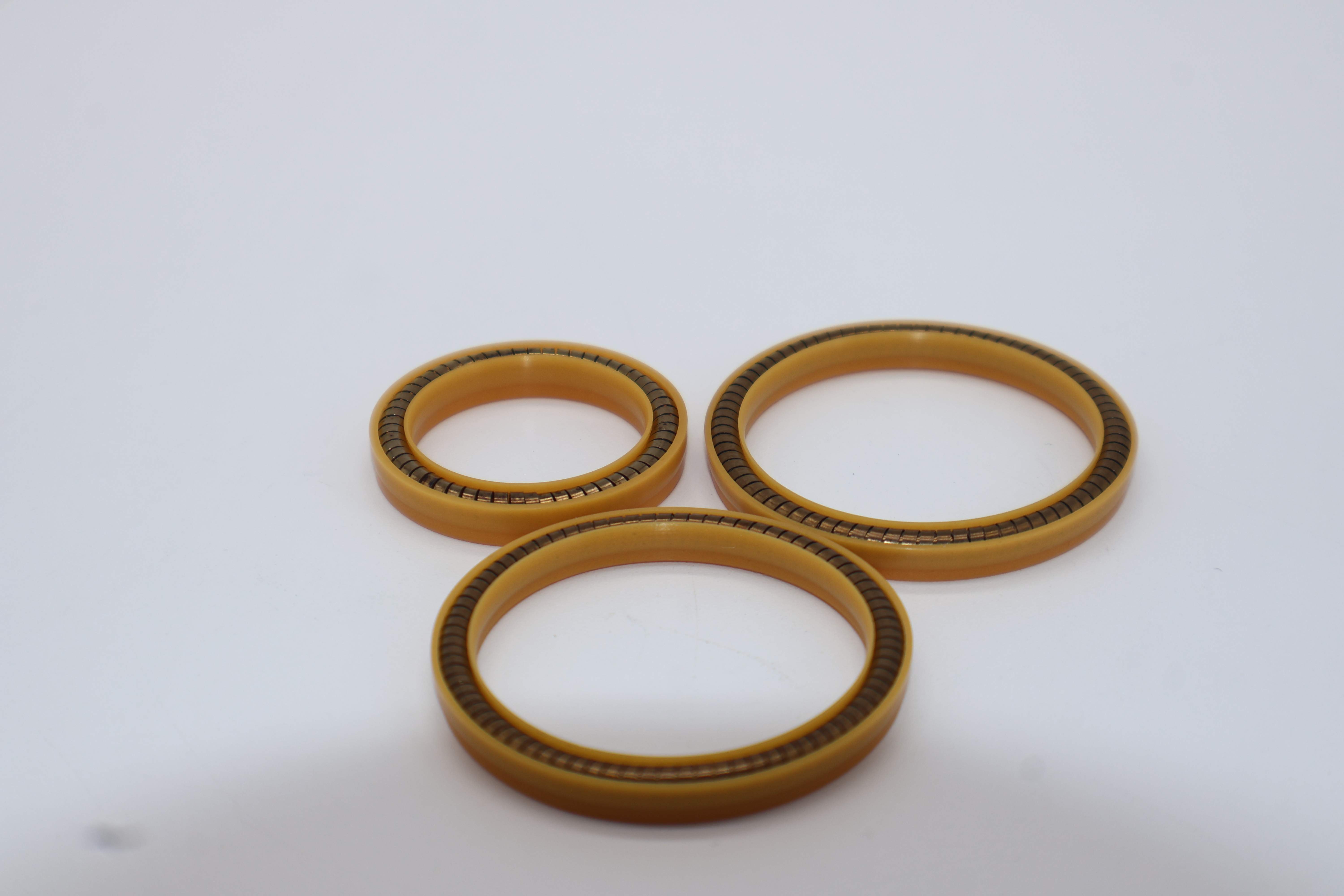
Subsea environments present some of the most demanding sealing challenges in industrial operations. Deepwater applications require equipment that can withstand extreme pressure, corrosive saltwater exposure, and temperature fluctuations simultaneously. Spring energized seals have emerged as a critical technology for maintaining reliable performance in these unforgiving conditions. Understanding how spring energized seals function and perform under subsea high pressure stress is essential for engineers, procurement specialists, and project managers tasked with ensuring operational safety and longevity in offshore installations.
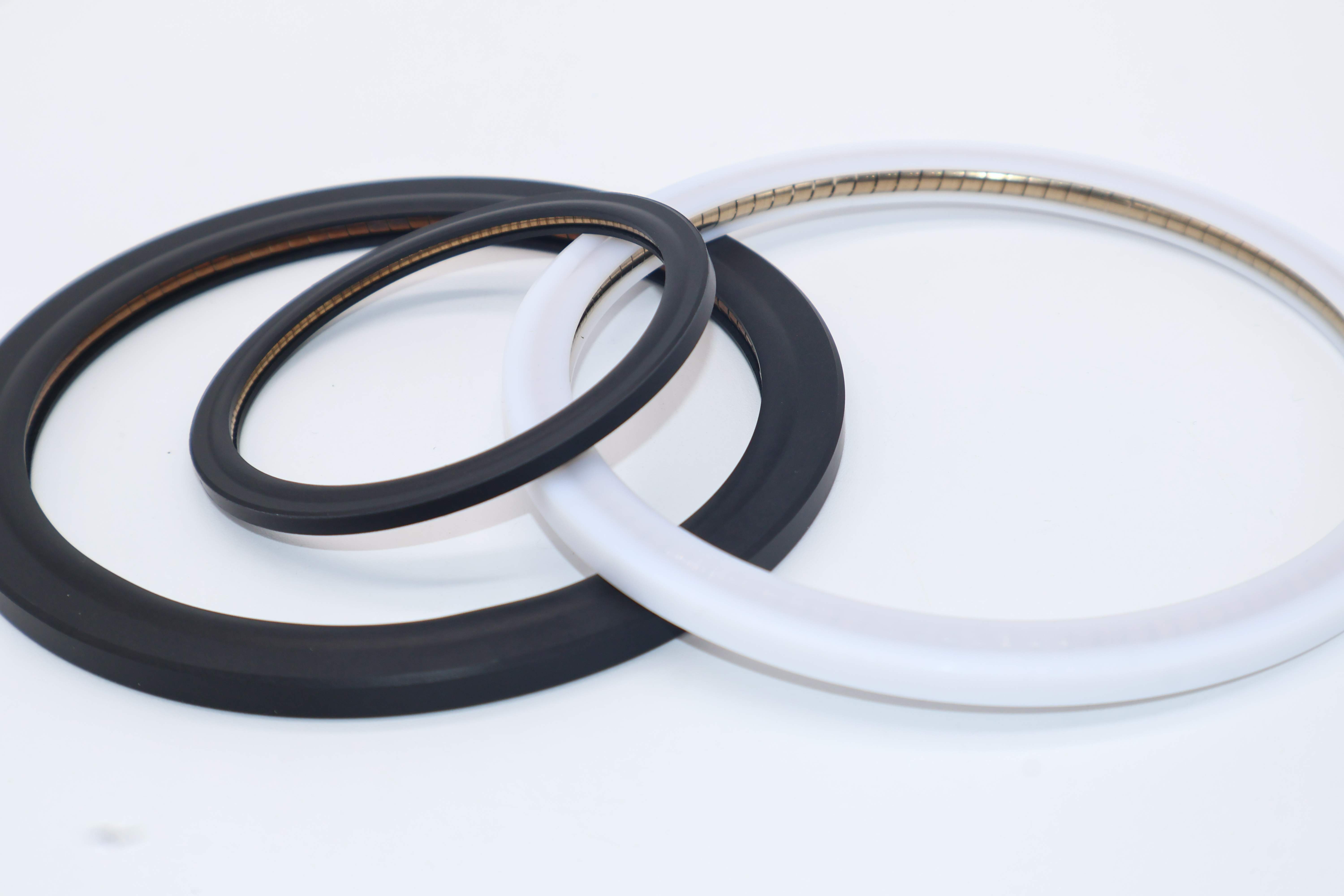
Spring energized seals deliver consistent sealing force across a wide range of pressure differentials, making them uniquely suited for subsea high pressure environments where conventional static seals might fail. The mechanical spring mechanism ensures that sealing contact remains stable even as external pressure fluctuates or components shift slightly during operation. This reliability translates directly into reduced maintenance interventions, extended service intervals, and improved overall system availability for deepwater operators working in remote locations where service access is costly and logistically complex.
How Spring Energized Seals Maintain Pressure Integrity
Spring-Driven Contact and Pressure Response
Spring energized seals function through a fundamental mechanical principle: a pre-compressed spring element continuously pushes an elastomer or composite sealing element against a mating surface. In subsea high pressure environments, external pressure acts on the spring energized seals from outside while internal pressure creates additional load from within. The spring mechanism automatically compensates by adjusting the sealing force to match pressure changes, preventing leakage that would otherwise occur with fixed-compression seals. This dynamic responsiveness is what makes spring energized seals distinctly effective for applications where pressure variations are frequent or extreme.
The design of spring energized seals incorporates advanced elastomer materials, typically PTFE or similar fluoropolymers, that resist saltwater corrosion and maintain flexibility across wide temperature ranges. As pressure increases in subsea high pressure zones, the spring energized seals respond by maintaining consistent contact without requiring manual adjustment or seal replacement. This self-adjusting capability eliminates the need for intermediate maintenance interventions and reduces the risk of pressure-related failures that compromise subsea infrastructure integrity.
Material Selection for Subsea Conditions
Spring energized seals designed for subsea applications must be constructed from materials capable of withstanding aggressive marine environments. PTFE (polytetrafluoroethylene) is the preferred material for the sealing element in spring energized seals used in subsea high pressure applications because of its superior chemical resistance and low friction characteristics. The spring component itself is typically stainless steel, selected for corrosion resistance in saltwater exposure. This material combination ensures that spring energized seals maintain their mechanical properties and sealing effectiveness throughout years of continuous subsea service without degradation.
Additional considerations for spring energized seals in subsea high pressure environments include resistance to hydrogen sulfide (H2S) in some deepwater fields and compatibility with system fluids such as synthetic hydrocarbons or water-based drilling mud. Manufacturers of spring energized seals conduct extensive material testing to verify performance across these challenging chemical exposures, ensuring that seals retain elasticity, tensile strength, and sealing capability even after prolonged exposure to subsea conditions.
Performance Advantages in Extreme Subsea Conditions
Wide Pressure Range Accommodation
One of the primary performance advantages of spring energized seals in subsea high pressure environments is their ability to function reliably across an exceptionally wide pressure range. Conventional static seals are designed for a specific pressure operating window and can fail if pressure exceeds or drops below that window. Spring energized seals, by contrast, maintain sealing integrity from near-zero differential pressure up to several thousand PSI, depending on design specifications. This broad operational envelope makes spring energized seals invaluable for applications such as subsea blowout preventers, subsea production trees, and deepwater wellheads where pressure conditions change frequently during drilling, production, and maintenance operations.
The pressure-adaptive nature of spring energized seals also reduces the need for multiple seal designs across different equipment sections, simplifying procurement, inventory management, and installation procedures. Engineers can specify spring energized seals across multiple subsea components without requiring custom seal engineering for each pressure tier, resulting in cost savings and improved standardization across subsea high pressure systems.
Reliability and Extended Service Life
Subsea installations are often remotely located and difficult to service, making seal reliability a paramount concern for project economics. Spring energized seals excel in this environment because their design minimizes the wear mechanisms that lead to seal degradation. The continuous spring force prevents extrusion and permanent deformation that commonly affects elastomer seals under high pressure stress. Over months and years of subsea service, spring energized seals maintain their sealing capability, reducing unplanned maintenance interventions and the associated costs of mobilizing service vessels and personnel to remote deepwater locations.
Testing programs demonstrate that spring energized seals consistently achieve service intervals of five years or longer in subsea high pressure applications, compared to significantly shorter intervals required for conventional seal types. This extended operational life directly improves the business case for deepwater projects by reducing total cost of ownership and minimizing production downtime related to seal maintenance or replacement activities.
Selection and Installation Considerations
Matching Seal Specifications to Subsea Requirements
Selecting appropriate spring energized seals for specific subsea high pressure applications requires detailed analysis of operating conditions including maximum pressure, minimum temperature, fluid compatibility, and clearance tolerances. Spring energized seals are available in multiple sizes and configurations designed to accommodate different equipment geometries and pressure ratings. The spring pre-load specification of the seal must be precisely matched to the intended pressure range to ensure adequate sealing force across the full operational envelope without over-compression that would cause premature wear.
Engineers responsible for subsea high pressure system design must consult with seal manufacturers to verify that candidate spring energized seals have been tested and certified for the specific chemicals and environmental conditions present in their application. This verification process ensures that elastomer compatibility, temperature performance, and corrosion resistance meet or exceed project requirements. Failure to properly match spring energized seals to actual subsea conditions can result in premature seal failure and costly production interruptions.
Installation Best Practices
Proper installation of spring energized seals is critical for achieving the intended performance benefits in subsea high pressure environments. The gland surfaces that house spring energized seals must be precisely machined to specified tolerances and kept free of burrs, scratches, or contamination that might compromise seal integrity. Installation technicians must follow detailed procedures to prevent damaging the delicate sealing element during assembly and must verify that the spring mechanism is free to move without obstruction. Even minor installation errors can significantly reduce the effective service life of spring energized seals and create leakage paths that compromise subsea system integrity.
After installation, spring energized seals benefit from pre-service testing and pressure cycling to verify seal integrity before the system operates at full subsea high pressure conditions. This validation step identifies potential installation issues and confirms that the selected spring energized seals will perform reliably throughout the intended service interval. Regular inspection during maintenance windows allows technicians to assess seal condition and identify any signs of wear or material degradation before they impact system performance.
FAQ
What pressure ratings are typical for spring energized seals in subsea applications?
Spring energized seals used in subsea high pressure environments are engineered to handle differential pressures ranging from near zero to 5,000 PSI or higher, depending on design and material selection. Many deepwater wellhead applications utilize spring energized seals rated for 3,000 to 5,000 PSI, while some ultra-deepwater systems incorporate specialty spring energized seals designed for even higher pressures. The specific pressure rating of spring energized seals must always be verified with the manufacturer to ensure compliance with project requirements.
How often do spring energized seals require replacement in subsea service?
Spring energized seals typically operate effectively for five to seven years or longer in subsea high pressure service, depending on pressure cycling frequency, fluid compatibility, and environmental exposure conditions. This extended service interval represents a significant advantage over conventional static seals, which often require replacement every two to three years in similar subsea conditions. Actual replacement intervals for spring energized seals should be determined through equipment monitoring and the specific recommendations of seal manufacturers based on your exact subsea application.
Are spring energized seals suitable for all types of deepwater fluids?
Spring energized seals are compatible with a broad range of deepwater system fluids, including crude oil, synthetic drilling mud, water-based mud, and various produced water compositions. However, certain specialty fluids or aggressive chemical environments may require specific elastomer selections within the spring energized seals family. For applications involving hydrogen sulfide, mercury, or other corrosive chemicals, spring energized seals must be specified with verified spring energized seals material certifications to guarantee long-term performance and safety in your unique deepwater environment.