
 EN
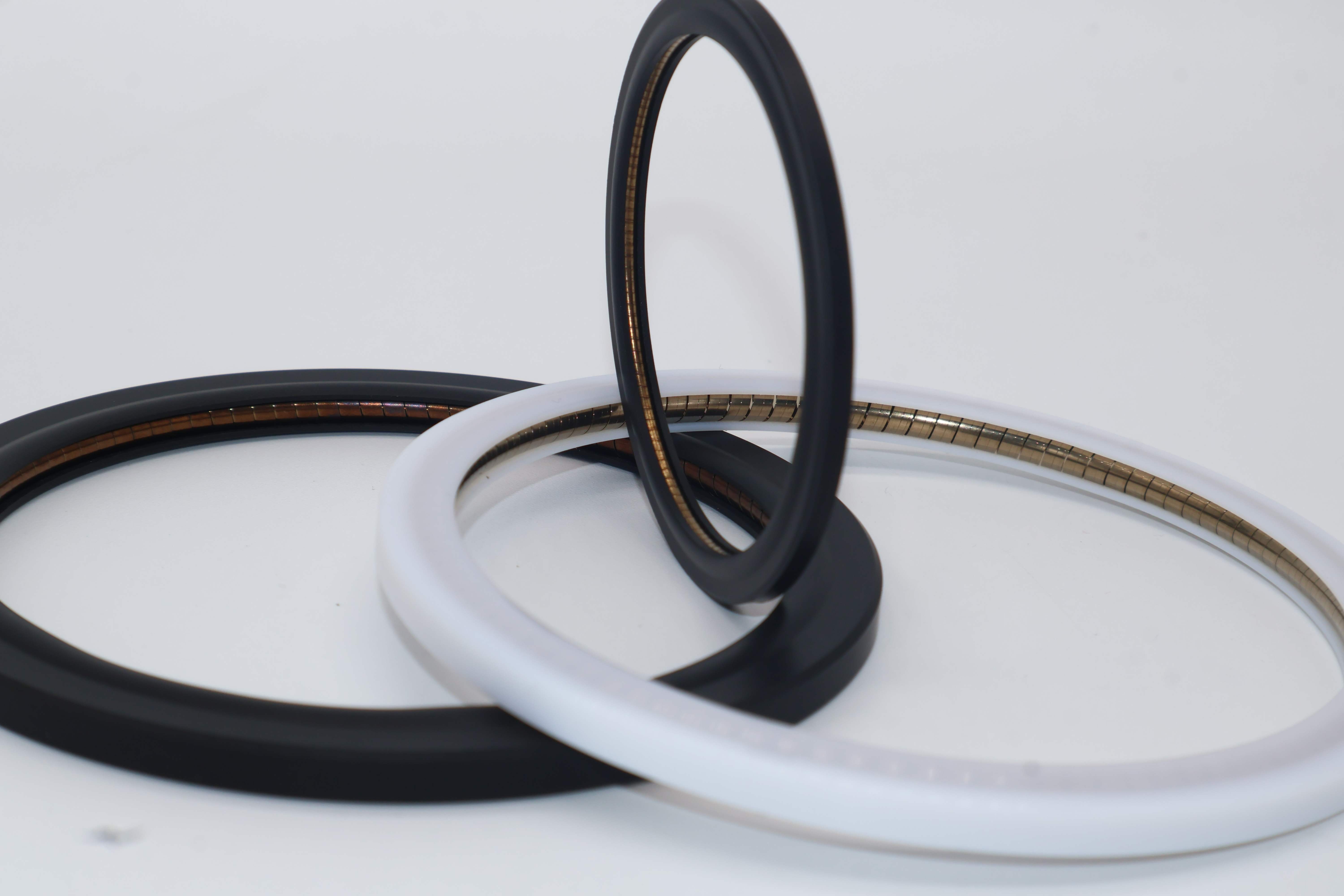
Spring energized seals represent a critical advancement in sealing technology for applications demanding exceptional reliability and precision. These specialized components combine elastomeric or polymeric seal elements with metal springs to deliver consistent pressure and superior leak prevention across extreme operating conditions. In medical and precision equipment, spring energized seals must meet rigorous performance standards to ensure patient safety, operational integrity, and compliance with regulatory requirements. Understanding the specific performance requirements for spring energized seals enables engineers and procurement specialists to select components that truly match application demands rather than settling for generic alternatives.
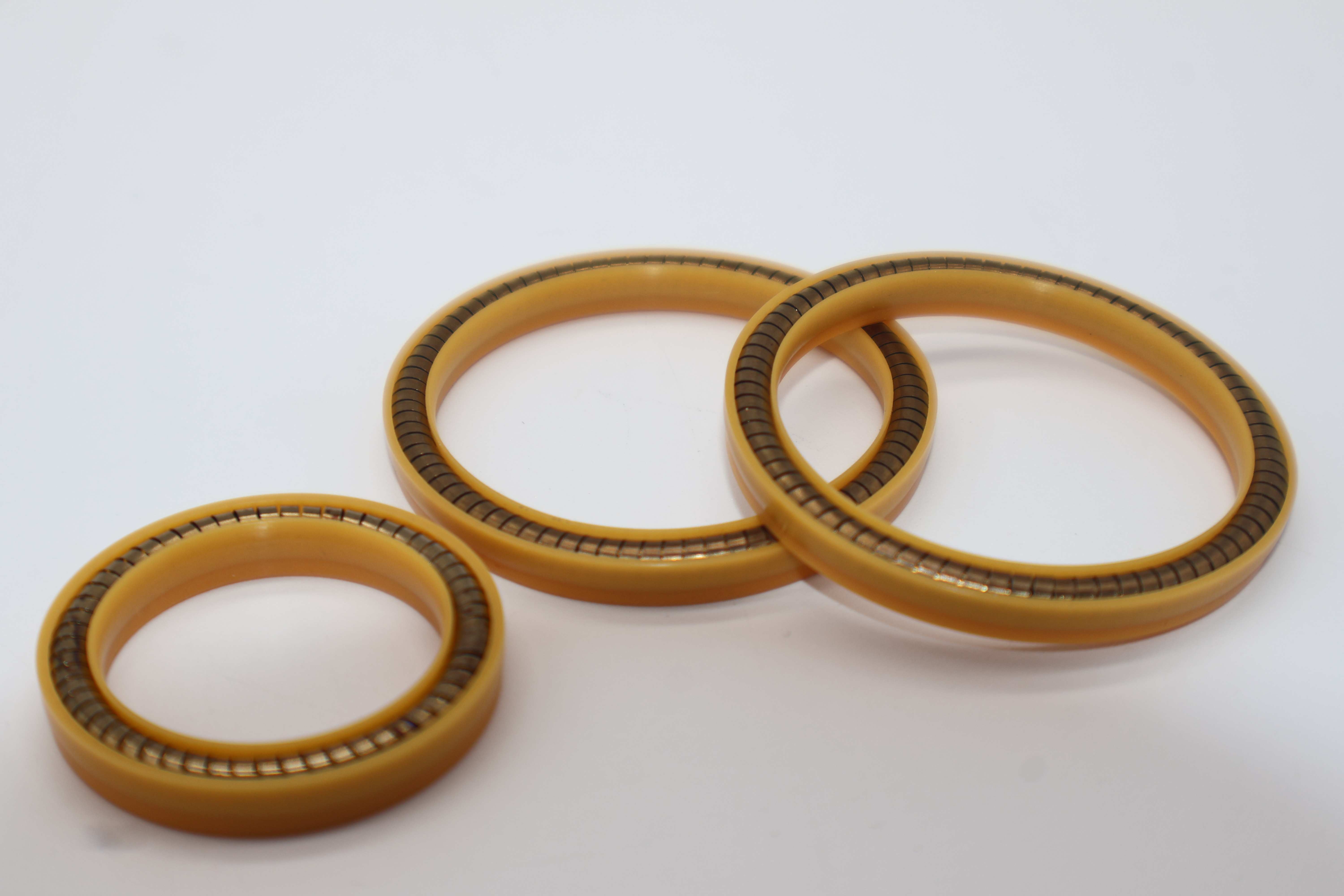
Medical device manufacturers and precision equipment builders face unique challenges when specifying spring energized seals. These applications often involve sterilization cycles, biocompatible material contact, ultra-low leakage rates, and exposure to aggressive cleaning agents or bodily fluids. Spring energized seals perform exceptionally well in such environments because the spring mechanism maintains consistent contact pressure regardless of temperature fluctuations or surface wear, preventing the common failure modes that plague traditional static seals. This article explores the critical performance requirements that spring energized seals must satisfy in medical and precision equipment contexts, covering material specifications, pressure ratings, temperature ranges, and validation methodologies.
Critical Material and Design Specifications for Spring Energized Seals
Material Selection for Medical Applications
Spring energized seals intended for medical equipment demand materials that satisfy biocompatibility standards while maintaining mechanical performance. PTFE serves as the primary sealing material in many spring energized seals due to its chemical inertness, low friction coefficient, and resistance to sterilization processes. The PTFE component must meet FDA biocompatibility requirements under 21 CFR Part 1020, including cytotoxicity, sensitization, and irritation testing protocols. Spring energized seals combining PTFE with austenitic stainless steel springs offer optimal corrosion resistance when exposed to saline solutions, hydrogen peroxide sterilants, or ethylene oxide gas. Material certifications and traceability documentation become non-negotiable requirements for spring energized seals used in regulated medical environments.
Spring Mechanism and Load Requirements
The spring mechanism embedded within spring energized seals must deliver consistent radial or axial load across the entire temperature operating range. Spring energized seals typically require load ratings between 0.5 and 3.0 pounds-force per linear inch, depending on application demands and seal diameter. The spring force must remain stable throughout the seal's operational life, maintaining contact pressure even as the PTFE element experiences minimal wear or compression set. Engineers specifying spring energized seals must verify that spring materials resist stress relaxation under sustained load, particularly in high-temperature or chemically aggressive environments. Precise spring pre-load calculations ensure that spring energized seals achieve optimal leak rates without imposing excessive friction or accelerated wear on mating surfaces.
Pressure and Temperature Performance Boundaries
Operating Pressure Specifications
Spring energized seals excel in applications with moderate pressure differentials, typically ranging from vacuum to 3,000 psi depending on seal geometry and material composition. Medical devices and precision equipment often operate in the 100 to 500 psi range, where spring energized seals deliver superior performance compared to conventional lip seals or O-rings. The pressure rating for spring energized seals depends on the seal's radial cross-section, the spring constant, and the contact pressure distribution between the seal element and the mating shaft or bore. Exceeding design pressure specifications for spring energized seals can cause permanent spring relaxation or seal element extrusion, leading to rapid failure. Manufacturers must clearly document pressure limitations for spring energized seals and include safety margins appropriate to the criticality of the application.
Temperature Range and Stability Requirements
Medical sterilization cycles and precision equipment environments impose extreme temperature swings that challenge conventional sealing solutions. Spring energized seals must maintain performance across temperature ranges from minus 40 degrees Fahrenheit to plus 400 degrees Fahrenheit, depending on specific material selections. PTFE exhibits superior thermal stability compared to elastomeric alternatives, retaining mechanical properties across wider temperature bands. However, spring energized seals require careful spring material selection to prevent load loss at elevated temperatures or brittleness at cryogenic conditions. The thermal cycling inherent in repeated sterilization processes demands that spring energized seals exhibit minimal relaxation rates after multiple temperature excursions. Performance validation for spring energized seals must include thermal cycling testing that simulates actual service conditions, typically 50 to 100 complete cycles through the intended operating range.
Leakage Rate and Sealing Effectiveness Criteria
Bubble Point and Helium Leak Testing Standards
Medical applications and precision instrumentation demand near-zero leakage rates that spring energized seals are engineered to achieve. Leakage specifications for spring energized seals are typically expressed in terms of standard cubic centimeters per minute or sccm, with acceptable limits often set below 0.01 sccm for critical medical devices. Helium leak testing provides the sensitivity required to detect leakage rates in this ultra-low range, making helium testing the industry standard for validating spring energized seals used in cardiac implants, drug delivery systems, and analytical equipment. Bubble point testing during manufacturing ensures that spring energized seals meet baseline leakage criteria before leaving the fabrication facility. The relationship between pressure differential, temperature, and achieved leakage rates for spring energized seals must be thoroughly characterized during product qualification testing.
Long-Term Sealing Stability and Wear Characteristics
Spring energized seals demonstrate exceptional long-term performance because the spring mechanism automatically compensates for PTFE creep or minor material degradation. Unlike static O-rings or gaskets that lose sealing effectiveness as the material relaxes, spring energized seals maintain consistent contact pressure throughout their operational life. The wear rate of PTFE in spring energized seals is extremely low under proper operating conditions, typically resulting in wear depths below 0.001 inches per year. Medical device manufacturers specify spring energized seals specifically for applications where device longevity spans multiple years or where maintenance intervals must be extended. Qualification protocols for spring energized seals should include extended pressure hold tests at operating temperature to verify that leakage rates remain stable after thousands of operating hours.
Regulatory Compliance and Validation Requirements
FDA and International Biocompatibility Standards
Spring energized seals used in medical applications must satisfy stringent regulatory frameworks established by the FDA, European Medicines Agency, and other international authorities. Biocompatibility testing for spring energized seals includes assessment of both the PTFE seal element and any elastomeric backing materials, ensuring compatibility with human tissue and bodily fluids. Spring energized seals must comply with ISO 10993 biocompatibility standards, which define testing protocols for cytotoxicity, sensitization, irritation, acute systemic toxicity, and subacute/subchronic toxicity. The spring material in spring energized seals, typically austenitic stainless steel, must also undergo biocompatibility assessment if it contacts biologic systems. Manufacturers must maintain comprehensive documentation proving that spring energized seals have been tested and approved for the specific application context before commercial launch.
Quality Assurance and Traceability Documentation
Spring energized seals require quality assurance protocols that exceed standard component manufacturing because failures can directly compromise patient safety or equipment function. Every production lot of spring energized seals must include material certifications confirming PTFE source, spring steel composition, and biocompatibility compliance. Documentation for spring energized seals should track manufacturing date, pressure test results, helium leak test outcomes, and batch-specific performance data. Traceability systems enable rapid identification and recall of spring energized seals if quality issues emerge post-shipment. Medical device manufacturers relying on spring energized seals must audit supplier quality systems regularly and maintain independent verification of critical performance parameters such as leakage rate and pressure rating.
FAQ
What makes spring energized seals superior to standard O-rings for medical applications?
Spring energized seals maintain consistent contact pressure throughout their operational life, whereas O-rings lose sealing effectiveness as elastomeric material relaxes under compression. In medical devices undergoing repeated sterilization cycles, spring energized seals preserve performance because the embedded spring automatically compensates for PTFE creep. O-rings experience rapid stress relaxation at elevated sterilization temperatures, often requiring larger gland volumes or frequent replacement. Spring energized seals deliver lower leakage rates, longer service life, and superior performance across wider temperature ranges, making them the preferred choice for critical medical applications where reliability and extended service intervals are essential.
How are spring energized seals tested to ensure they meet medical device standards?
Spring energized seals undergo comprehensive validation including helium leak testing, pressure hold tests, thermal cycling analysis, and biocompatibility assessment. Manufacturers perform helium leak testing to verify that spring energized seals meet ultra-low leakage specifications, typically below 0.01 sccm. Thermal cycling tests expose spring energized seals to repeated temperature excursions simulating sterilization processes, ensuring that sealing performance remains stable after 50 to 100 cycles. Biocompatibility testing confirms that both the PTFE seal element and spring material in spring energized seals satisfy ISO 10993 requirements for medical device components. Documentation of test results provides regulatory approval evidence that spring energized seals are suitable for their intended medical application.
What pressure and temperature limits should be specified when selecting spring energized seals?
Spring energized seals typically function across 0 to 3,000 psi pressure ranges and minus 40 to plus 400 degrees Fahrenheit temperature ranges, though specific limits depend on seal geometry and material composition. Most medical devices and precision equipment operate within 100 to 500 psi, where spring energized seals deliver optimal performance and extended service life. Temperature specifications for spring energized seals should include sterilization process temperatures, operating temperatures, and storage conditions to ensure the spring mechanism maintains load stability throughout the seal's lifecycle. Engineers should specify spring energized seals with pressure and temperature ratings that exceed anticipated service demands by at least 20 percent to account for system variations and ensure reliable long-term performance in critical applications.