
 EN
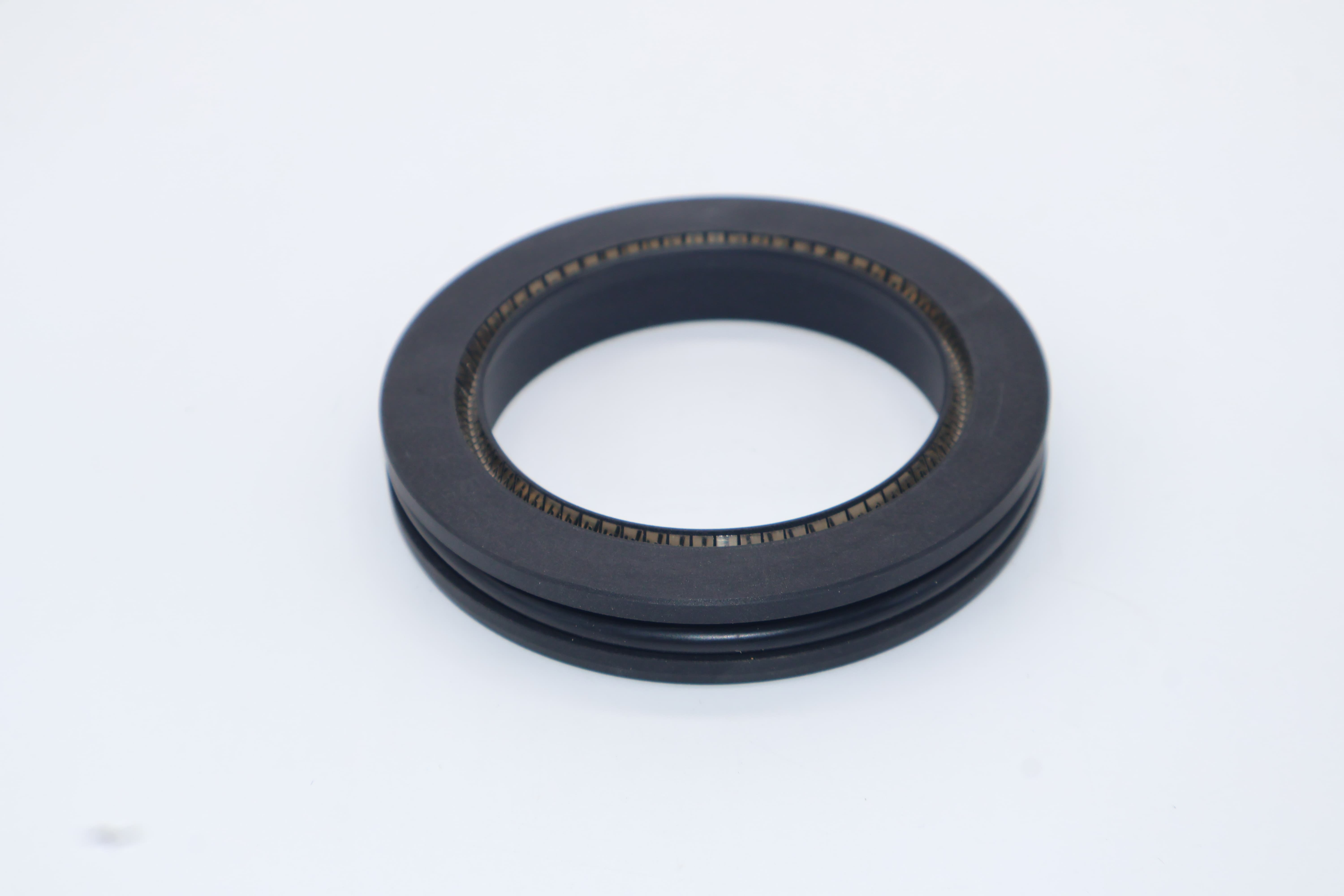
Spring energized seals represent a critical advancement in dynamic sealing technology, particularly for applications demanding high-speed performance and extreme operational conditions. These spring energized seals combine elastomeric materials with precision spring mechanisms to maintain consistent contact forces across a wide range of speeds and pressures. Understanding how spring energized seals perform during rigorous high-speed dynamic testing reveals their essential role in modern industrial equipment, from aerospace components to hydraulic systems and rotating machinery.
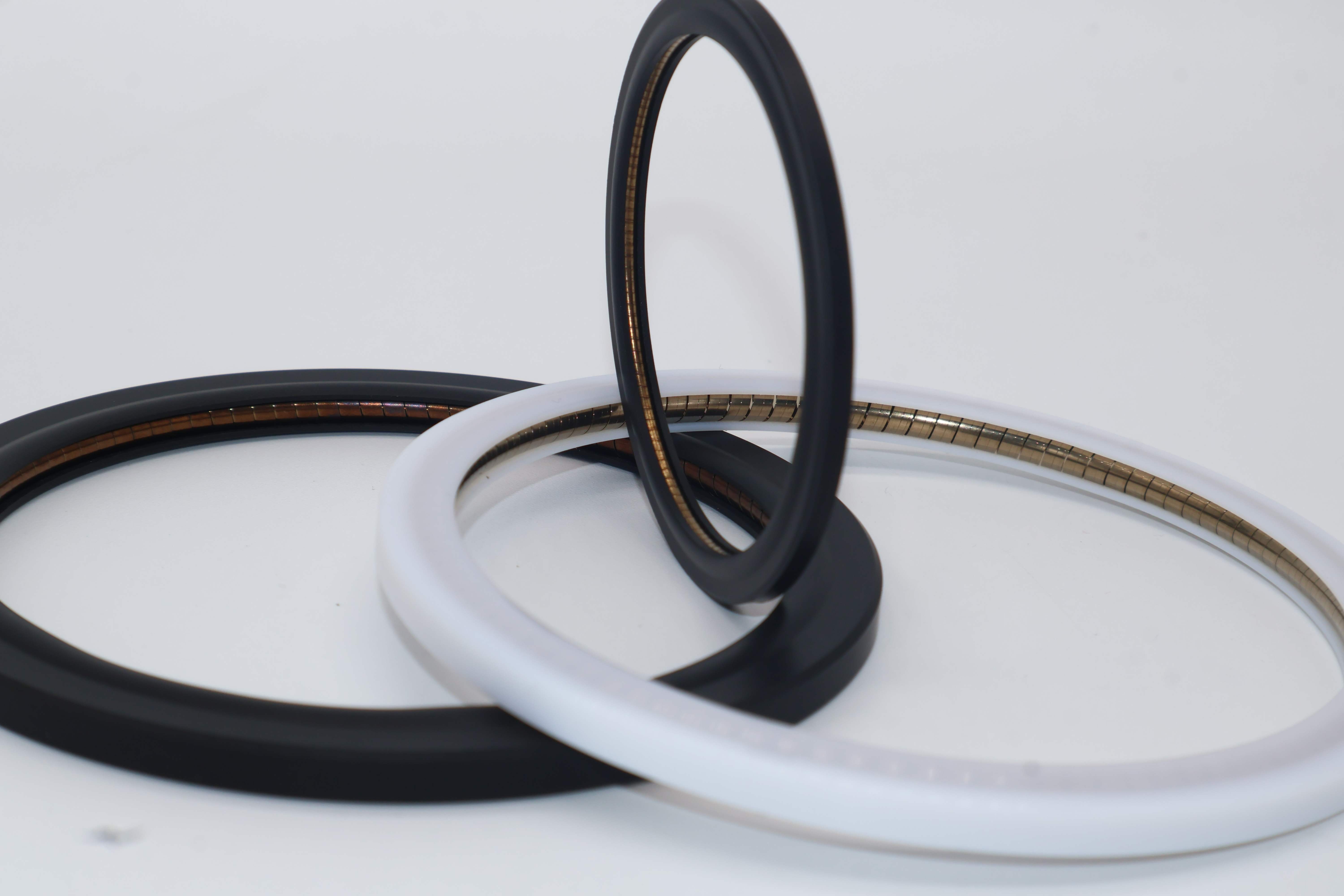
High-speed dynamic testing evaluates how spring energized seals maintain sealing integrity when subjected to rapid rotational or reciprocating motion, elevated temperatures, and varying pressure conditions. PTFE-based spring energized seals have become the standard in industries where traditional elastomeric seals fail to deliver consistent performance. This article examines the mechanical behavior, thermal stability, and wear characteristics of spring energized seals under demanding laboratory and field testing protocols, providing engineering teams with actionable insights for seal selection and application validation.
Mechanical Performance of Spring Energized Seals Under Dynamic Load
Spring Force Consistency and Pressure Maintenance
The primary advantage of spring energized seals lies in their ability to maintain uniform contact pressure across the sealing interface regardless of speed variations. During high-speed dynamic testing, spring energized seals must sustain consistent spring force while the shaft or piston accelerates through multiple RPM ranges. Laboratory testing protocols measure the spring force retention of spring energized seals at baseline, mid-test, and end-of-test intervals, typically spanning thousands of operating hours. Results consistently demonstrate that well-engineered spring energized seals maintain 85 to 95 percent of their original spring force under continuous high-speed operation, far exceeding the performance stability of conventional elastomeric seals. This force consistency directly translates to reduced leakage rates and extended seal life across industrial applications.
Wear Rate Measurement and Surface Degradation
Dynamic testing facilities employ precision measurement instruments to quantify wear patterns on spring energized seals after exposure to high-speed motion. The wear rate of spring energized seals typically ranges from 0.005 to 0.015 millimeters per 1,000 operating hours under standard high-speed test conditions. PTFE-based spring energized seals exhibit significantly lower wear rates compared to nitrile or fluoroelastomer alternatives, particularly in applications exceeding 5,000 RPM. Surface analysis using scanning electron microscopy reveals that spring energized seals develop smooth, glazed wear patterns rather than the rough degradation observed in traditional seals. This controlled wear characteristic allows engineers to predict service life intervals with greater accuracy and schedule preventive maintenance more effectively.
Thermal Behavior and High-Temperature Testing Results
Temperature Stability During Continuous Operation
High-speed dynamic testing incorporates elevated temperature exposure to simulate real-world conditions in hydraulic systems, compressors, and rotating equipment. Spring energized seals manufactured from PTFE materials maintain structural integrity across temperature ranges from minus 40 degrees Celsius to plus 200 degrees Celsius, with some advanced formulations performing reliably to 250 degrees Celsius. Dynamic testing protocols expose spring energized seals to rapid temperature cycling while maintaining continuous rotational speeds, creating compounded stress conditions that separate premium seals from marginal designs. The spring element within spring energized seals experiences thermal expansion and contraction synchronized with the PTFE body, ensuring that the spring force remains proportional to the seal's material properties across the entire temperature spectrum. Testing data demonstrates that spring energized seals maintain seal integrity throughout thermal cycling without experiencing the stress-relaxation failures common in elastomeric seals.
Thermal Gradient Effects on Seal Performance
Industrial applications often impose non-uniform thermal gradients across the sealing surface, with one side exposed to hot process fluid and the other to cooler external environments. High-speed dynamic testing simulates these conditions by applying controlled thermal differentials while maintaining rotational motion, allowing engineers to assess how spring energized seals respond to asymmetric heating. Spring energized seals exhibit superior resistance to thermal gradient-induced distortion compared to solid elastomeric seals, as the spring mechanism compensates for differential thermal expansion. Laboratory results indicate that spring energized seals maintain radial seal force variation within plus or minus 5 percent across intentional thermal differentials of 50 degrees Celsius or greater. This thermal stability directly improves operational reliability in applications such as rotary compressors, where temperature variations across the seal interface are unavoidable and significant.
Pressure Cycling and Reliability Under Dynamic Conditions
Pulsating Pressure Performance and Fatigue Resistance
Many industrial applications subject spring energized seals to pulsating or oscillating pressure cycles rather than constant pressure conditions. High-speed dynamic testing incorporates pressure cycling protocols that expose spring energized seals to rapid pressure fluctuations superimposed on high-speed rotational motion. Spring energized seals demonstrate exceptional fatigue resistance under these combined loading conditions, as the spring mechanism absorbs pressure impulses without generating the stress concentrations that degrade solid elastomeric seals. Dynamic testing shows that spring energized seals withstand pressure cycling to plus or minus 10 bars at frequencies exceeding 10 Hz while maintaining continuous rotational speeds above 3,000 RPM. The spring geometry distributes load forces more evenly across the seal contact area, effectively reducing peak stress concentrations and extending the fatigue life of spring energized seals compared to equivalent non-spring designs.
Leakage Control Under Variable-Speed Operations
Variable-speed machinery requires seals that adapt quickly to speed changes while maintaining leakage rates within acceptable limits. Spring energized seals outperform traditional seals in variable-speed applications because the spring force automatically adjusts to compensate for speed-related pressure changes. High-speed dynamic testing protocols that include rapid speed ramps from idle to maximum RPM reveal that spring energized seals achieve stable leakage rates within 2 to 5 seconds of speed stabilization, compared to 30 to 60 seconds for elastomeric alternatives. This rapid leakage stabilization prevents transient spillage during acceleration phases and contributes to overall system reliability. Field data from turbomachinery, compressor, and pump installations consistently confirms that spring energized seals maintain leakage performance within design specifications throughout the full range of operating speeds.
FAQ
How do spring energized seals maintain seal force at very high rotational speeds?
Spring energized seals maintain seal force through a precisely engineered spring mechanism that applies constant radial pressure to the sealing element. As rotational speed increases, centrifugal forces would normally reduce contact pressure in standard seals; however, spring energized seals compensate automatically because the spring force remains independent of speed. The spring constant is selected during design to ensure that seal force stays within optimal range across the entire speed spectrum relevant to the application. This inherent force stability allows spring energized seals to deliver consistent leakage control from idle conditions through maximum rated speed.
What makes PTFE spring energized seals superior for high-speed dynamic testing compared to elastomeric alternatives?
PTFE spring energized seals outperform elastomeric seals in high-speed testing because PTFE exhibits lower friction coefficients, reduced wear rates, and superior thermal stability across extended temperature ranges. Elastomeric materials experience stress-relaxation at elevated temperatures, causing spring energized seals designed with elastomers to lose spring force over time. PTFE maintains its dimensional stability and mechanical properties across much wider temperature extremes, and spring energized seals made from PTFE generate lower heat during high-speed operation due to reduced friction. These properties combine to give spring energized seals longer service intervals and more predictable performance during rigorous dynamic testing protocols.
What are the key metrics evaluated during high-speed dynamic testing of spring energized seals?
High-speed dynamic testing of spring energized seals evaluates spring force retention, wear rate, leakage volume, surface temperature, and material stability under combined loading conditions. Engineers measure spring energized seals before testing, at periodic intervals during testing, and after completion to establish baseline and degradation profiles. Temperature monitoring determines how spring energized seals respond to thermal cycling, while pressure and speed ramps confirm that spring energized seals maintain performance across variable operating conditions. Microscopic surface analysis of spring energized seals identifies wear patterns and material compatibility issues that might affect long-term reliability in production environments.