
 EN
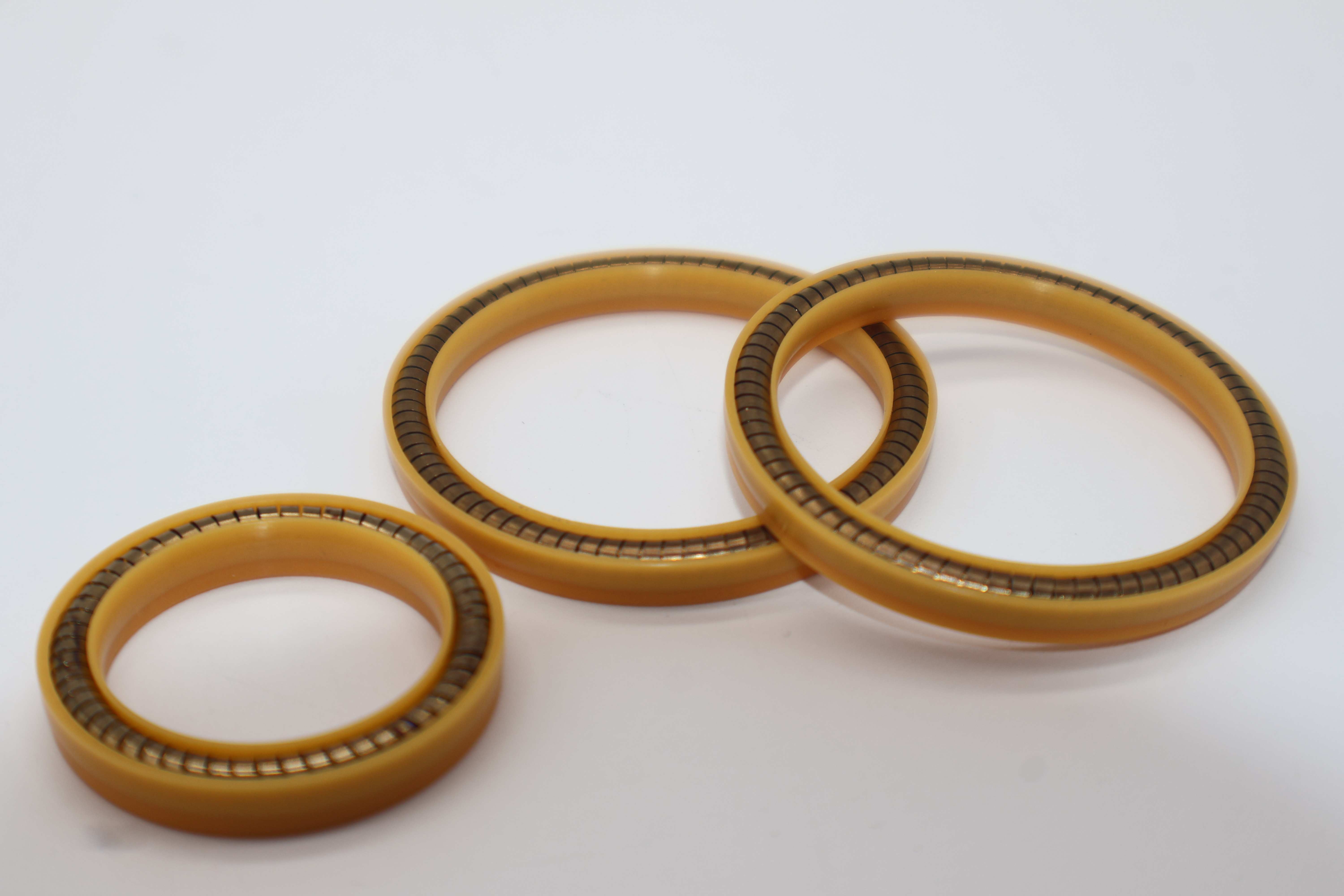
Spring energized seals are engineered components that maintain critical pressure containment in harsh oil and gas environments. These advanced spring energized seals combine elastomeric or PTFE materials with precision-engineered springs to deliver consistent sealing performance across demanding operational conditions. Understanding the pressure and temperature limits of spring energized seals is essential for preventing leakage, ensuring equipment longevity, and maintaining regulatory compliance in upstream and downstream applications.
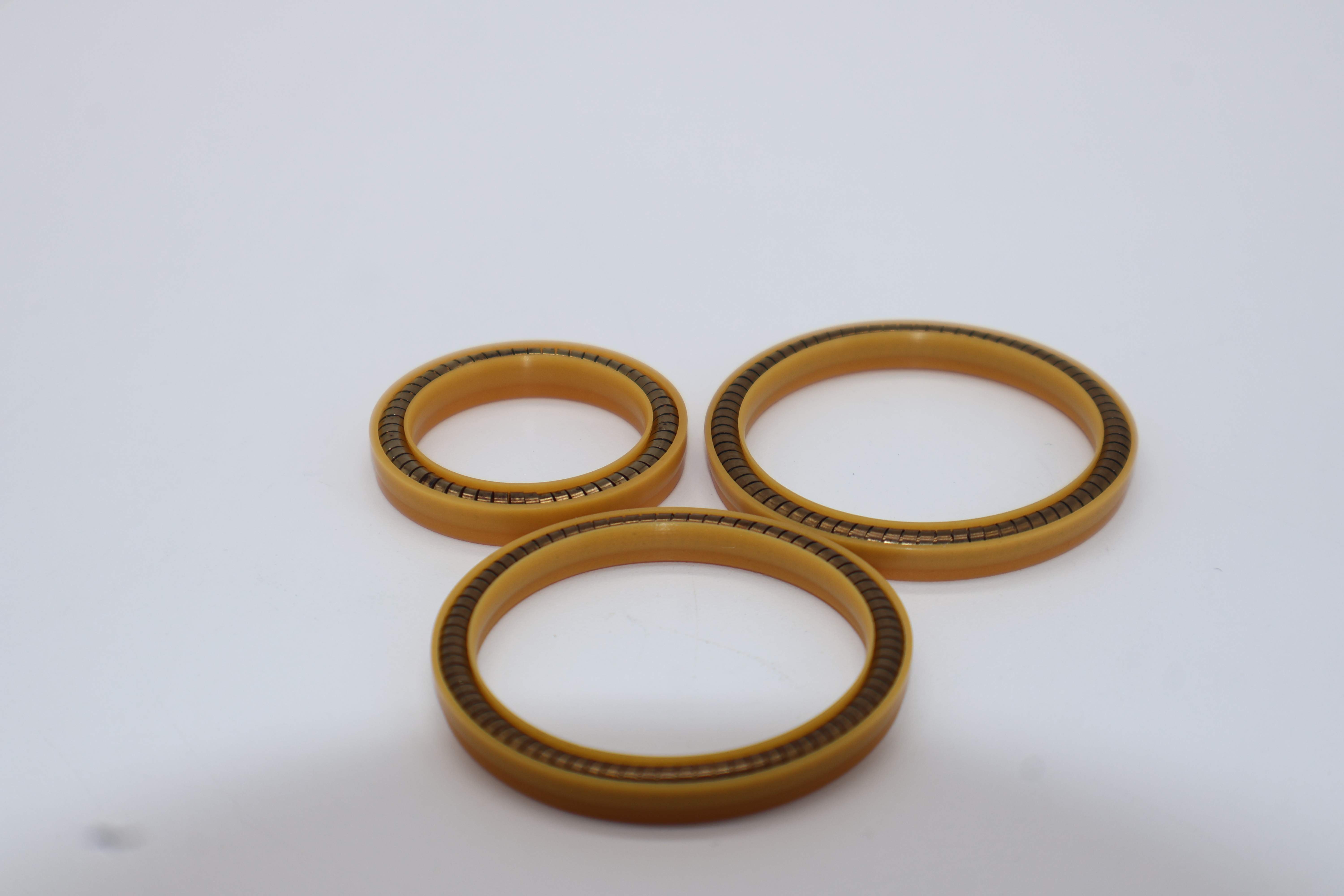
Spring energized seals represent a proven technology that addresses the unique challenges of oil and gas operations, where traditional static seals often fail under cyclic pressure variations and thermal stress. By integrating spring mechanics with material science, spring energized seals maintain contact force even as pressure fluctuates, preventing blow-out conditions and unwanted fugitive emissions. This article explores the operational limits, material specifications, and practical selection criteria for spring energized seals in high-pressure and high-temperature environments.
Pressure Performance Characteristics of Spring Energized Seals
Maximum Pressure Ratings and Design Considerations
Spring energized seals operate effectively across a wide pressure spectrum, typically ranging from 500 psi to over 5,000 psi depending on material composition and geometric design. The pressure rating of spring energized seals is determined by the spring force, the seal material's compression modulus, and the backup ring configuration. In oil and gas applications, spring energized seals must withstand not only steady-state pressures but also pressure spikes during well starts, emergency shutdowns, and transient surge events that can exceed nominal working pressure by 20 to 30 percent.
The design of spring energized seals incorporates redundancy through double-spring configurations or dual backup rings to ensure fail-safe performance. Manufacturers optimize the spring constant to balance contact pressure maintenance with minimal friction generation. Spring energized seals engineered for ultra-high-pressure applications, such as subsea completions or downhole tools, frequently employ titanium springs and specialized PTFE compounds to withstand pressures exceeding 10,000 psi while maintaining dimensional stability and sealing integrity over extended service life.
Pressure-Related Failure Modes and Prevention
Pressure-induced failures in spring energized seals typically manifest as extrusion, where material flows into gaps between components, or spring relaxation, where spring force diminishes under sustained load. Spring energized seals are vulnerable to extrusion when backup ring clearances exceed design tolerance or when pressure cycling causes material creep. Modern spring energized seals incorporate antiextrusion rings and precision-machined backup grooves to contain material flow and maintain seal geometry under maximum pressure conditions. Prevention strategies focus on maintaining tight geometric control, selecting backup materials with appropriate rigidity, and validating spring energized seals through industry-standard pressure cycling tests before field deployment.
Temperature Limits and Thermal Stability of Spring Energized Seals
Operating Temperature Ranges for Different Materials
Temperature capability varies significantly across spring energized seal designs, with PTFE-based spring energized seals operating reliably from minus 40 degrees Fahrenheit to plus 400 degrees Fahrenheit, while advanced polymer formulations extend service to 450 degrees Fahrenheit or higher. The elastomeric component of spring energized seals determines the lower temperature limit, as material stiffness increases and flexibility decreases below critical transition temperatures. Spring energized seals deployed in deep-water applications often operate near ambient seabed temperatures of 35 to 40 degrees Fahrenheit, requiring elastomers with superior low-temperature flexibility and spring materials resistant to brittle fracture. Conversely, production wells with high geothermal gradients or enhanced oil recovery operations demand spring energized seals engineered from high-temperature polymers such as perfluoroelastomers or specialty nitriles that maintain elasticity and sealing performance at sustained temperatures exceeding 350 degrees Fahrenheit.
Thermal Cycling Effects and Material Degradation
Thermal cycling imposes repeated stress on spring energized seals as differential expansion between the seal material, backup ring, and gland surfaces induces micro-motion and accelerates wear. Spring energized seals experience most rapid degradation when temperature swings exceed 100 degrees Fahrenheit between operational cycles, as this thermal differential stresses the interface between the PTFE primary element and the elastomeric secondary element. Extended thermal cycling can cause the spring constant of spring energized seals to decrease, reducing contact pressure and allowing fluid bypass. Selection of spring energized seals for thermally cyclic applications requires materials with matched thermal expansion coefficients, springs manufactured from superalloys resistant to relaxation at elevated temperatures, and validated design validation through accelerated thermal cycle testing that simulates real-world well conditions over thousands of operational cycles.
Material Selection and Performance Optimization for Oil and Gas Duty
PTFE Compounds and Performance Enhancement
PTFE-based spring energized seals offer superior chemical resistance to hydrocarbons, hydrogen sulfide, carbon dioxide, and produced water constituents, making them the preferred choice across upstream and downstream sectors. Enhanced PTFE formulations incorporating glass fiber, carbon, or bronze particle reinforcement improve modulus and compression set resistance, enabling spring energized seals to maintain sealing force across extended pressure exposure. Spring energized seals manufactured from virgin PTFE deliver baseline performance, while filled PTFE compounds provide enhanced load-bearing capacity and reduced cold flow, critical for subsea applications where pressure retention must persist for years without intervention. Material selection for spring energized seals must account for fluid compatibility, as certain solvents and aromatic hydrocarbons can cause PTFE swelling or permeation over prolonged contact.
Spring Material and Longevity
Spring energized seals employ Inconel, Elgiloy, or titanium springs to withstand corrosion from hydrogen sulfide, carbon dioxide, and chloride-bearing production fluids. Spring material selection for spring energized seals directly impacts longevity, as inadequate corrosion resistance leads to spring degradation, loss of contact force, and eventual seal failure. Advanced spring energized seals integrate surface coatings such as nickel-PTFE or PVD layers to enhance corrosion resistance and reduce galling in assemblies with rapid pressure cycling. Testing of spring energized seals under actual produced fluid chemistry ensures that material pairs remain compatible and that spring relaxation remains within acceptable limits over the design service life, typically ranging from one to five years depending on well complexity and operational intensity.
Selection Criteria and Application-Specific Requirements
Matching Seal Specifications to Well Conditions
Effective selection of spring energized seals requires detailed knowledge of well static pressure, shut-in pressures, flowing pressures, geothermal gradient, produced fluid chemistry, and pump-down procedures. Spring energized seals suited for vertical wells with stable pressures may be inadequate for deviated wells experiencing higher bypass potential or for applications subject to rapid pressure cycling. Service life prediction for spring energized seals improves dramatically when operators provide comprehensive pressure and temperature data, fluid analysis results, and historical performance records from nearby wells. Specifying spring energized seals without this critical information frequently results in premature failures, emergency workover expenses, and production losses that far exceed the initial seal component cost.
Validation and Quality Assurance Practices
Reputable manufacturers validate spring energized seals through ISO-certified pressure cycling tests, temperature exposure studies, and chemical compatibility assessments that simulate actual field duty cycles. Spring energized seals should carry traceability documentation, material certifications, and performance test reports before installation in critical oil and gas systems. Third-party inspection and factory acceptance testing of spring energized seals provides additional confidence, particularly for subsea applications where remediation costs justify rigorous quality control. Installation personnel must follow manufacturer guidelines for gland preparation, spring pre-compression, and backup ring orientation to realize the designed performance envelope of spring energized seals and avoid premature failures caused by improper assembly.
FAQ
What pressure range can typical spring energized seals withstand in oil and gas applications?
Most industrial-grade spring energized seals function reliably between 500 psi and 5,000 psi, with specialized designs rated for pressures exceeding 10,000 psi in subsea and downhole completions. Spring energized seals must accommodate pressure transients and spike conditions that may temporarily exceed steady-state ratings by 20 to 30 percent. The specific rating depends on material composition, backup ring design, and spring preload configuration.
How do temperature changes affect the performance of spring energized seals?
Temperature cycling affects spring energized seals through material expansion mismatch, spring relaxation at elevated temperatures, and reduced elasticity at cryogenic temperatures. PTFE-based spring energized seals typically operate from minus 40 degrees Fahrenheit to 400 degrees Fahrenheit, while advanced formulations extend upper limits to 450 degrees Fahrenheit or higher. Rapid temperature swings accelerate wear and compression set in spring energized seals, necessitating material pairs with matched thermal expansion and superior thermal stability.
What factors should be considered when selecting spring energized seals for a specific oil and gas well?
Selection of spring energized seals requires accurate well static pressure, shut-in pressure, flowing pressure, wellbore temperature profile, produced fluid chemistry, and pressure cycling frequency. Spring energized seals must also align with gland geometry, backup ring dimensions, and installation clearances specified in the wellhead or completion design. Consultation with manufacturers and review of offset well performance history significantly improve selection accuracy and reduce the risk of premature spring energized seals failure.