
 EN
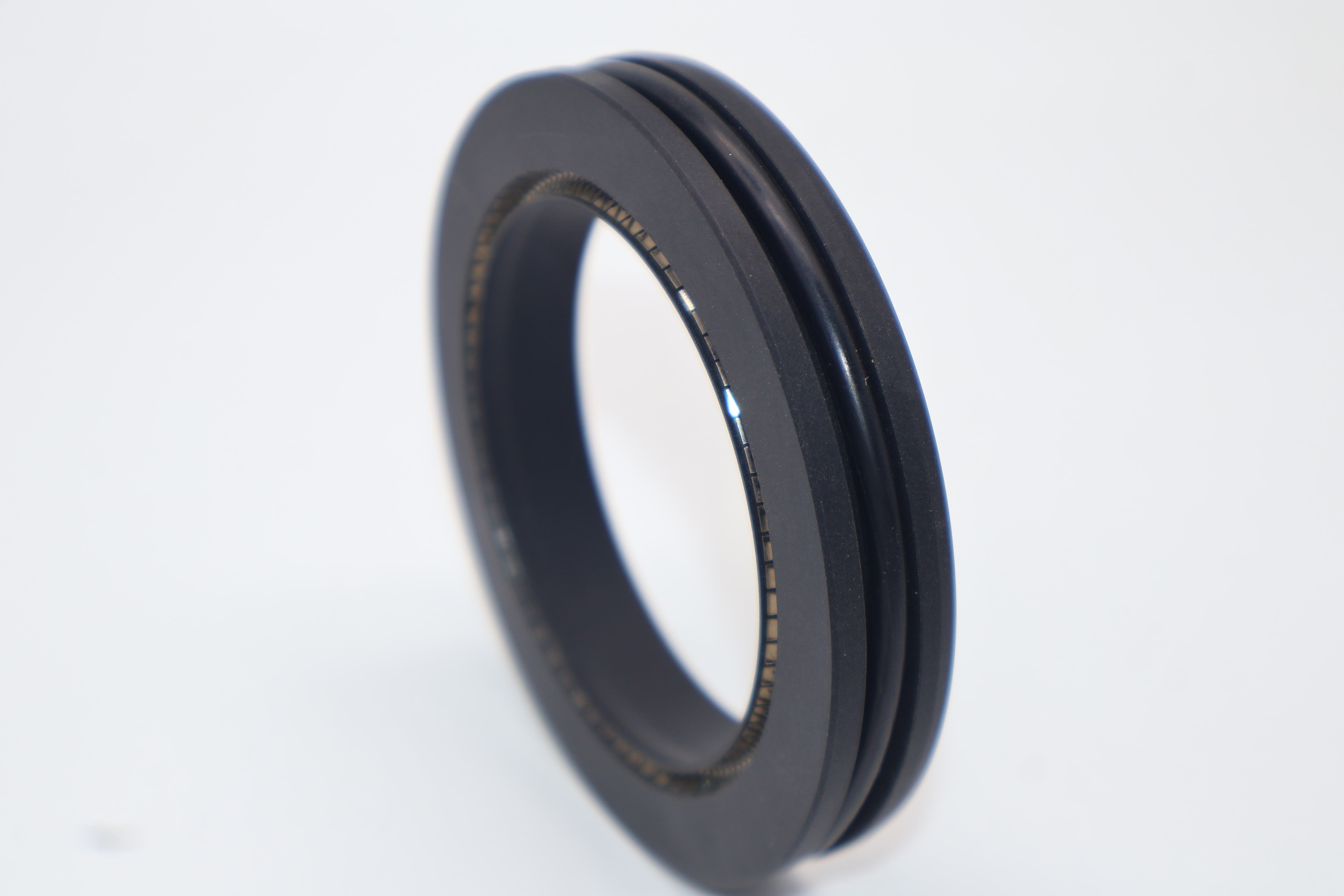
In aggressive processing environments where chemical exposure, temperature fluctuations, and high pressures converge, equipment failure becomes costly and dangerous. Spring energized seals emerge as a critical solution for industries handling corrosive fluids, reactive gases, and abrasive slurries. Unlike conventional seals that rely on elastomer compression alone, spring energized seals combine mechanical spring force with advanced polymer materials to maintain dynamic sealing under extreme chemical stress. Understanding their chemical resistance capabilities helps engineers and procurement professionals select the right seal technology for demanding applications.
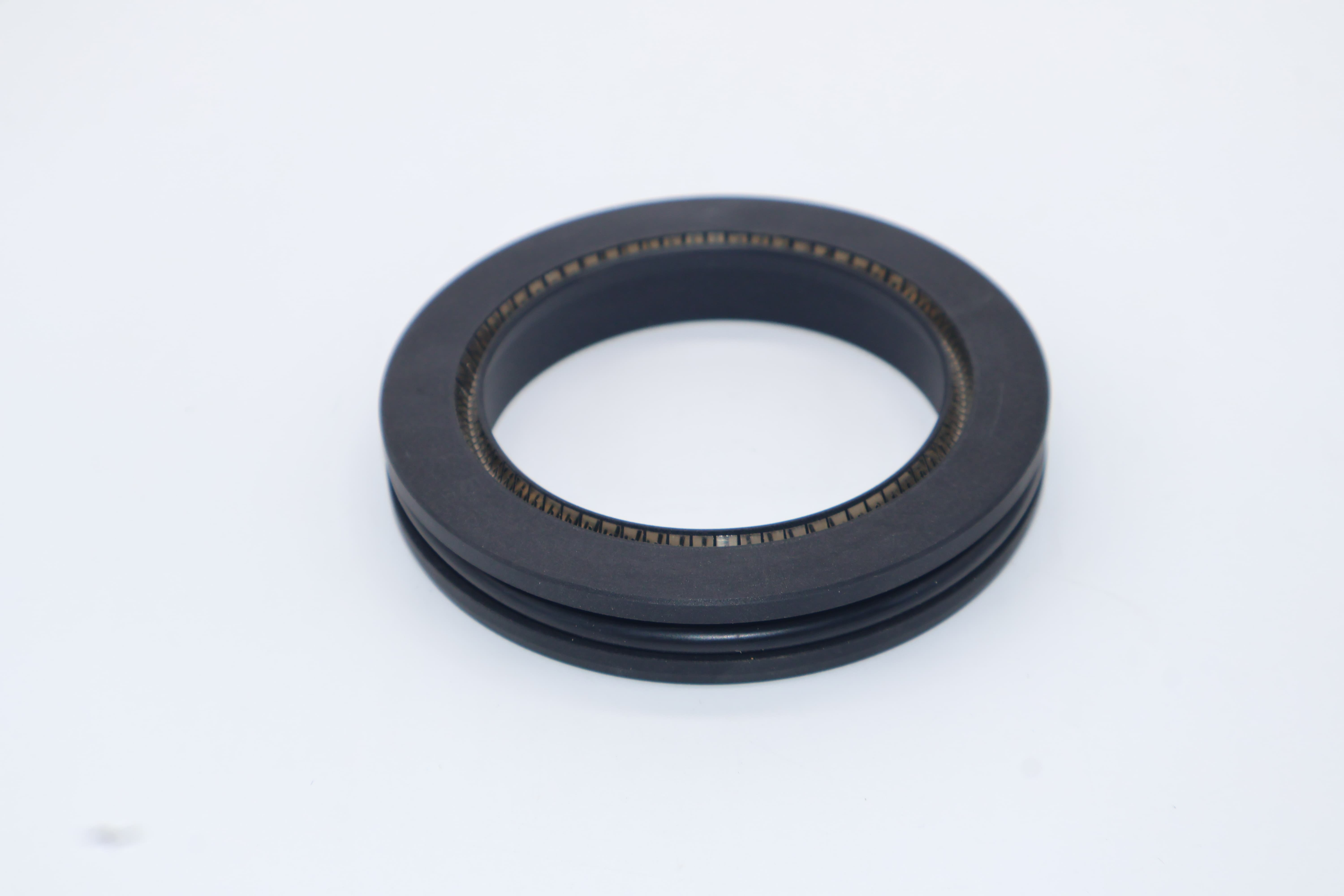
Spring energized seals deliver superior performance in processing plants, refineries, chemical manufacturing facilities, and pharmaceutical production lines where fluid compatibility and pressure retention are non-negotiable. The dual design of spring energized seals—combining a resilient spring mechanism with engineered sealing surfaces—allows these seals to withstand chemical attack while maintaining consistent contact pressure. This article explores the chemical resistance properties of spring energized seals, examining material composition, performance advantages, and practical selection criteria for aggressive processing environments.
Understanding Spring Energized Seals in Harsh Chemical Applications
Core Design Principles of Spring Energized Seals
Spring energized seals operate on a fundamentally different principle than traditional elastomer seals. The spring mechanism inside spring energized seals applies consistent radial or axial force, maintaining contact pressure regardless of wear, pressure fluctuations, or temperature changes. This design eliminates reliance on interference fits or elastic compression alone, making spring energized seals particularly effective in corrosive environments. When processing chemicals that would swell or degrade standard rubber seals, spring energized seals maintain their structural integrity because the sealing surface material can be selected independently from the spring force generator. Many industrial operators choose spring energized seals specifically because their dual-component design separates mechanical function from chemical resistance.
Chemical Resistance Advantages of Spring Energized Seals
The primary advantage of spring energized seals lies in material flexibility. While the spring provides mechanical function, the sealing surface—often PTFE or specialized polymer composites—handles direct chemical contact. This separation means spring energized seals can resist virtually any fluid that the face material can tolerate, without compromise to spring performance. In aggressive processing environments containing concentrated sulfuric acid, caustic alkaline solutions, or chlorinated hydrocarbons, spring energized seals remain stable and effective. The inert properties of PTFE-based spring energized seals make them ideal for pharmaceutical, food processing, and specialty chemical applications where contamination and material degradation threaten product quality and equipment reliability.
Material Selection and Chemical Compatibility for Spring Energized Seals
PTFE and Advanced Polymer Sealing Surfaces in Spring Energized Seals
Polytetrafluoroethylene (PTFE) represents the gold standard for sealing surfaces in spring energized seals used in aggressive processing. PTFE's molecular structure—a carbon backbone surrounded by fluorine atoms—creates exceptional chemical inertness. Spring energized seals with PTFE faces resist oxidative attack, hydrocarbon swelling, and corrosive degradation across an exceptionally broad chemical spectrum. From petroleum distillates to cryogenic liquids, halogenated solvents to concentrated acids, PTFE-based spring energized seals maintain dimensional stability and sealing effectiveness. Many processors specify spring energized seals with PTFE components specifically to eliminate seal-related production shutdowns in chemically aggressive applications.
Elastomer Backup and Spring Materials in Spring Energized Seals
Behind the PTFE sealing surface, spring energized seals utilize elastomer backup rings and stainless steel springs engineered for chemical resistance. The backup material in spring energized seals typically consists of EPDM, FKM, or perfluoroelastomer (FFKM) compounds selected to withstand exposure to specific process chemicals. The spring itself—usually stainless steel 316L or Inconel alloys—provides decades of reliable service even in corrosive atmospheres. This three-layer composition of spring energized seals ensures that every component resists the aggressive processing environment. When selecting spring energized seals for a specific application, specifying both the sealing surface material and elastomer backup material creates a seal system precisely matched to chemical exposure conditions.
Performance in Aggressive Processing Environments and Operational Benefits
Thermal and Pressure Stability of Spring Energized Seals
Aggressive processing environments rarely involve stable conditions. Temperature swings, pressure spikes, and thermal cycling stress conventional seals rapidly. Spring energized seals excel under these combined stresses because the spring force self-compensates for wear and thermal expansion. As temperature rises, the spring-energized seal mechanism maintains contact pressure while materials experience dimensional change. This dynamic compensation prevents leakage during thermal cycling, a common failure mode in aggressive processing plants. Industrial users report that spring energized seals consistently outlast traditional elastomer seals by factors of three to five in high-temperature aggressive processing applications involving corrosive chemicals and pressure fluctuations.
Long Service Life and Reduced Maintenance in Spring Energized Seals
Extended service intervals represent a major operational advantage of spring energized seals in aggressive environments. Because spring energized seals maintain consistent contact force throughout their service life, they continue sealing effectively long after conventional seals would lose contact and begin leaking. Processors in refineries and chemical plants report equipment uptimes exceeding 18 months between planned seal replacements when using spring energized seals, compared to 3-6 month intervals for elastomer seals in identical aggressive processing conditions. This extended reliability reduces scheduled downtime, lowers spare parts inventory requirements, and decreases labor costs associated with frequent seal replacement. For operations where process interruptions incur significant financial penalties, spring energized seals justify premium pricing through superior availability.
Cross-Contamination Prevention and Product Integrity
In pharmaceutical manufacturing and food processing, chemical compatibility of seals directly impacts product safety and regulatory compliance. Spring energized seals composed of inert PTFE eliminate concerns about elastomer decomposition products contaminating process fluids. Unlike swellable rubber seals that shed degradation particles into sensitive processes, spring energized seals maintain integrity and prevent cross-contamination. Regulatory agencies increasingly recognize PTFE-based spring energized seals as preferred technology for sterile processing and high-purity chemical applications. Pharmaceutical companies and food producers specify spring energized seals to assure FDA inspectors and quality auditors that sealing components cannot compromise product safety or integrity during aggressive chemical processing.
Selection Criteria and Implementation Strategy for Spring Energized Seals
Matching Spring Energized Seals to Specific Chemical Environments
Successful implementation of spring energized seals begins with comprehensive chemical compatibility analysis. Engineers must evaluate the sealing fluid composition, operating temperature range, pressure profile, and any additives or contaminants present. Spring energized seals offer material options accommodating virtually any mainstream industrial chemical; however, precise matching ensures optimal performance. For hydrofluoric acid applications, spring energized seals require specialized elastomer backup materials resistant to HF attack. For cryogenic processing, spring energized seals benefit from FFKM backup compounds that remain flexible at extremely low temperatures. This material specificity means spring energized seals must be intentionally specified for each application rather than selected generically.
Installation and Maintenance Best Practices for Spring Energized Seals
Proper installation determines whether spring energized seals achieve their promised performance life. During assembly, avoiding mechanical damage to the PTFE sealing surface prevents premature wear and leakage initiation. Spring energized seals require minimal ongoing maintenance because the spring self-adjusts for wear; however, periodic inspection for extrusion or equipment damage remains prudent. In aggressive processing environments, monitoring seal performance through leak detection systems or pressure gauges provides early warning of potential failure. Operators trained in spring energized seal technology recognize that these seals rarely require adjustment—consistent leakage indicates seal wear, not adjustment necessity. This simplified maintenance profile appeals to processors managing complex chemical systems with limited maintenance resources.
FAQ
What makes spring energized seals superior to standard elastomer seals in aggressive chemical environments?
Spring energized seals combine independent spring-force generation with inert PTFE sealing surfaces, eliminating the material compromise inherent in conventional elastomer seals. Standard seals require elastomers that provide both mechanical resilience and chemical resistance—an inherently difficult balance. Spring energized seals separate these functions: the spring delivers mechanical force while PTFE or specialized polymers handle chemical exposure. This design independence allows spring energized seals to resist virtually any mainstream industrial chemical without sacrificing pressure retention or durability.
How do spring energized seals maintain pressure in fluctuating temperature conditions?
The spring mechanism inside spring energized seals automatically compensates for thermal expansion, dimensional changes, and wear-related pressure loss. Unlike rigid seals dependent on initial compression force, spring energized seals apply dynamic pressure that remains constant throughout temperature swings and operational cycling. This self-adjusting capability means spring energized seals continue sealing effectively across temperature ranges where conventional seals would lose contact and begin leaking. The spring force essentially guarantees consistent sealing regardless of thermal cycling severity or chemical-induced dimensional changes.
Are spring energized seals suitable for pharmaceutical and food processing applications?
Yes, PTFE-based spring energized seals are specifically preferred in pharmaceutical and food industries because they eliminate elastomer decomposition contamination risks. Spring energized seals maintain chemical inertness throughout extended service life, preventing degradation particles or extractables from contaminating sensitive process fluids. Regulatory agencies recognize spring energized seals as appropriate technology for sterile processing and high-purity manufacturing environments. When selected with appropriate backup elastomers and properly installed, spring energized seals provide superior contamination prevention compared to conventional elastomer alternatives.