
 EN
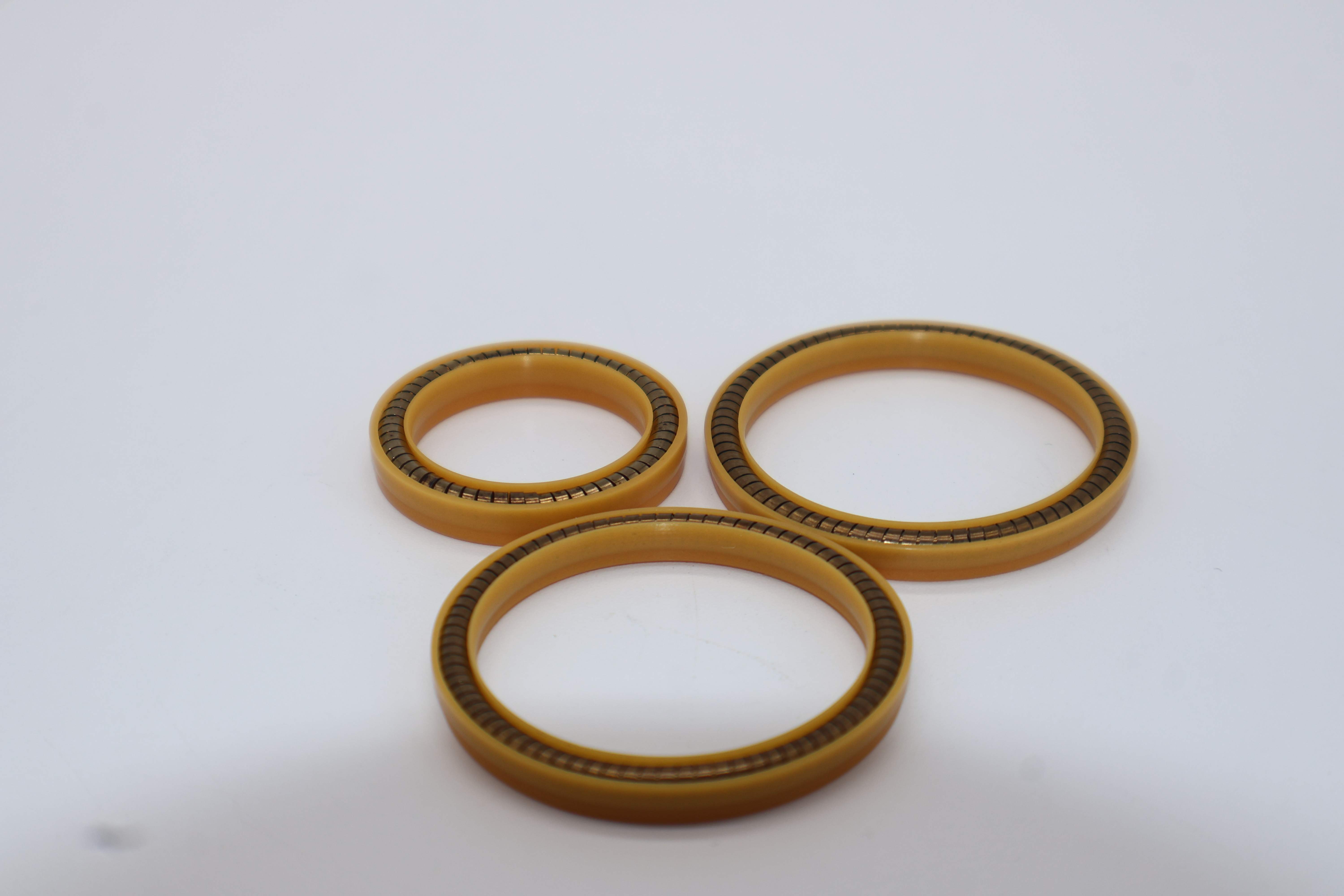
Aerospace high-pressure systems demand sealing solutions that can withstand extreme temperatures, pressures, and dynamic loads while maintaining absolute reliability. Spring energized seals have emerged as the preferred choice for these demanding applications, offering superior performance characteristics that traditional elastomer seals cannot match. These specialized components combine innovative design with advanced materials to ensure mission-critical reliability in environments where failure is not an option.
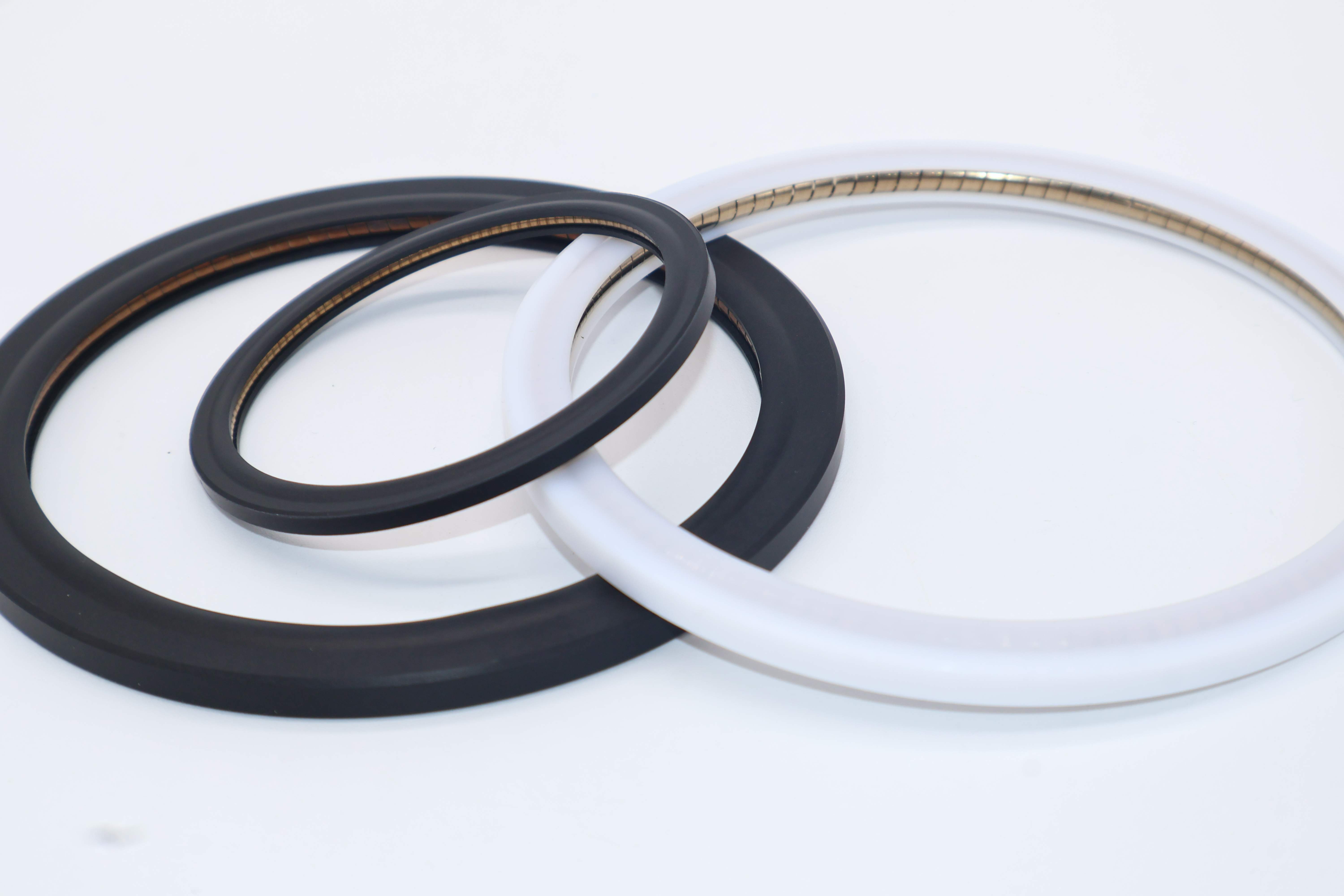
Spring energized seals represent a fundamental advancement in seal engineering for aerospace applications. By combining PTFE material properties with precision spring technology, these seals deliver consistent contact pressure and maintain sealing integrity across extreme operating conditions. Understanding how spring energized seals perform under high-pressure scenarios is essential for engineers designing systems where downtime, leakage, or catastrophic failure could compromise safety and mission success.
Design Innovation in Spring Energized Seals
Core Components and Material Selection
Spring energized seals consist of three primary components working in harmony to achieve superior sealing performance. The PTFE primary sealing element provides low-friction, low-extrusion properties essential for high-pressure applications. A precision spring mechanism maintains consistent radial force on the sealing surface, ensuring spring energized seals adapt automatically to wear and maintain contact pressure throughout the component's operational life. The backup ring prevents extrusion of the PTFE element, critical when working with high-pressure differentials in aerospace systems.
Material selection for spring energized seals in aerospace applications requires careful engineering consideration. PTFE offers exceptional chemical resistance, thermal stability across wide temperature ranges, and inherent low-friction characteristics that reduce system drag and heat generation. Spring energized seals engineered from these materials withstand the extreme pressure cycles experienced in aircraft hydraulic systems, landing gear applications, and fuel delivery mechanisms. The combination of PTFE and precision spring technology creates sealing solutions capable of maintaining performance where conventional elastomer seals would fail or degrade rapidly.
Pressure Response Characteristics
Spring energized seals respond uniquely to pressure changes in aerospace high-pressure systems. Unlike traditional static seals, spring energized seals maintain dynamic contact with sealing surfaces as pressure fluctuates. The spring mechanism automatically adjusts radial force to compensate for wear, pressure cycling, and thermal expansion. This adaptive behavior ensures spring energized seals deliver consistent sealing performance even during rapid pressure transients common in aerospace operations. Engineers rely on this pressure-responsive design to maintain system integrity across thousands of pressure cycles without requiring seal replacement or system intervention.
High-Pressure Performance Dynamics
Extreme Pressure Capability and Extrusion Resistance
Aerospace high-pressure systems operate at differentials that would overwhelm conventional sealing solutions. Spring energized seals excel in these environments because they combine PTFE's superior extrusion resistance with mechanical pressure management through the spring element. When working at pressures exceeding 5,000 psi, spring energized seals maintain structural integrity while preventing catastrophic extrusion that could damage equipment or cause dangerous leakage. The backup ring configuration in modern spring energized seals distributes pressure forces across a controlled contact area, preventing stress concentration that leads to premature failure.
High-pressure testing demonstrates that spring energized seals outperform elastomer alternatives in extended pressure cycling scenarios. Aerospace applications subject seals to rapid pressure swings from ambient to maximum operating pressure thousands of times per flight hour. Spring energized seals absorb these pressure transients without permanent deformation or loss of sealing contact. The mechanical spring maintains pressure on the PTFE element even when system pressure approaches zero, preventing the seal from losing contact with the mating surface. This characteristic makes spring energized seals particularly valuable in landing gear systems where pressure cycles from 0 to 3,000+ psi occur repeatedly during each flight.
Temperature Performance Across Operating Envelopes
Aerospace high-pressure systems operate across temperature ranges that challenge material performance and seal reliability. Spring energized seals maintain exceptional performance from cryogenic temperatures during high-altitude flight to elevated temperatures generated by system friction and external environment. PTFE's low thermal expansion coefficient combined with spring elements designed for consistent force across temperature variations ensures spring energized seals deliver predictable performance throughout the operational envelope. Modern aerospace hydraulic systems rely on spring energized seals to maintain pressure containment from -65°F during high-altitude cruise to +200°F in system hot spots near engine installations.
The spring mechanism in spring energized seals compensates for thermal effects that would compromise sealing integrity in static designs. As temperature increases, the spring adjusts its force delivery to maintain seal contact pressure despite material expansion. Conversely, as temperature decreases, the spring element prevents excessive compression that could damage the PTFE sealing surface or create leak paths. This thermally adaptive behavior is critical for aerospace landing gear seals, fuel system components, and environmental control system applications where temperature swings of 200°F+ occur during normal operations.
Reliability and Lifecycle Performance
Extended Operational Lifespan in Demanding Environments
Spring energized seals deliver extended service life in aerospace applications, reducing maintenance requirements and improving system availability. The PTFE primary element's low-friction characteristics minimize wear rates compared to conventional elastomer seals, extending the interval between maintenance actions. Many aerospace platforms report that spring energized seals deliver service life spanning multiple aircraft service periods without requiring replacement. The predictable degradation characteristics of spring energized seals also enable condition monitoring programs that optimize maintenance scheduling and reduce unplanned downtime.
Lifecycle analysis of spring energized seals in aerospace high-pressure systems consistently demonstrates cost-effectiveness over extended operational periods. While initial acquisition cost for spring energized seals exceeds conventional seals, the extended service life, reduced failure rates, and decreased maintenance labor offset this premium within the first operational year. Aerospace maintenance programs recognize that investing in quality spring energized seals prevents expensive platform downtime and reduces the risk of mission failures caused by seal degradation. The reliability advantages of spring energized seals make them the standard choice for critical aerospace hydraulic and pneumatic systems.
Failure Mode Prevention and System Protection
Spring energized seals protect aerospace high-pressure systems from catastrophic failure modes that threaten mission success and safety. The mechanical redundancy built into spring energized seals means the component maintains pressure containment even if partial damage occurs to the PTFE sealing surface. Unlike elastomer seals that may experience sudden, complete failure allowing pressure loss, spring energized seals typically exhibit gradual degradation providing early warning signs detectable through fluid analysis or pressure monitoring. This failure mode distinction makes spring energized seals essential for aerospace applications where seal failure could cascade into system damage or safety hazards.
Modern aerospace systems integrate spring energized seals into critical redundancy architectures that depend on predictable seal performance. Pressure vessels, hydraulic accumulators, and fuel system components rely on spring energized seals to maintain system separation and prevent cross-contamination. The consistent performance characteristics of spring energized seals enable designers to confidently specify these components in applications where seal failure would violate safety requirements or system architecture principles. Aerospace certification authorities recognize the superior reliability of spring energized seals and often streamline approval processes for platforms incorporating these proven sealing solutions.
FAQ
What pressures can spring energized seals handle in aerospace systems?
Spring energized seals are engineered for sustained operation at pressures ranging from 0 to 5,000+ psi in aerospace applications. The specific pressure rating depends on the spring energized seals design, backup ring configuration, and PTFE material grade selected for the application. Many aircraft hydraulic systems operate spring energized seals continuously at 4,000+ psi, while landing gear systems experience rapid cycling between atmospheric pressure and 3,000 psi. Engineers select spring energized seals with pressure ratings that provide margin above maximum system pressure while maintaining acceptable friction and heat generation.
How do spring energized seals perform compared to elastomer alternatives?
Spring energized seals outperform elastomer alternatives across multiple critical dimensions in aerospace high-pressure applications. Unlike elastomer seals that may harden at temperature extremes or soften at elevated temperatures, spring energized seals maintain consistent performance across the full operating envelope. Spring energized seals deliver lower friction, extending component life and reducing heat generation in systems sensitive to thermal effects. The mechanical spring mechanism in spring energized seals automatically compensates for wear and pressure variations, whereas elastomer seals may lose contact pressure as they wear. Aerospace platforms consistently achieve longer maintenance intervals and higher reliability with spring energized seals compared to elastomer seal alternatives.
Can spring energized seals withstand rapid pressure cycling?
Spring energized seals excel under rapid pressure cycling conditions that challenge conventional sealing solutions. The mechanical spring mechanism automatically maintains contact pressure during pressure transients, preventing seal separation or loss of sealing integrity. Aerospace landing gear systems subject seals to thousands of rapid pressure cycles per aircraft per day, and spring energized seals demonstrate superior performance in these demanding scenarios. The PTFE primary element resists fatigue degradation that accumulates during pressure cycling, extending the operational lifespan of spring energized seals far beyond conventional seal designs. Modern aerospace platforms rely on spring energized seals for all critical components experiencing significant pressure cycling.