
 EN
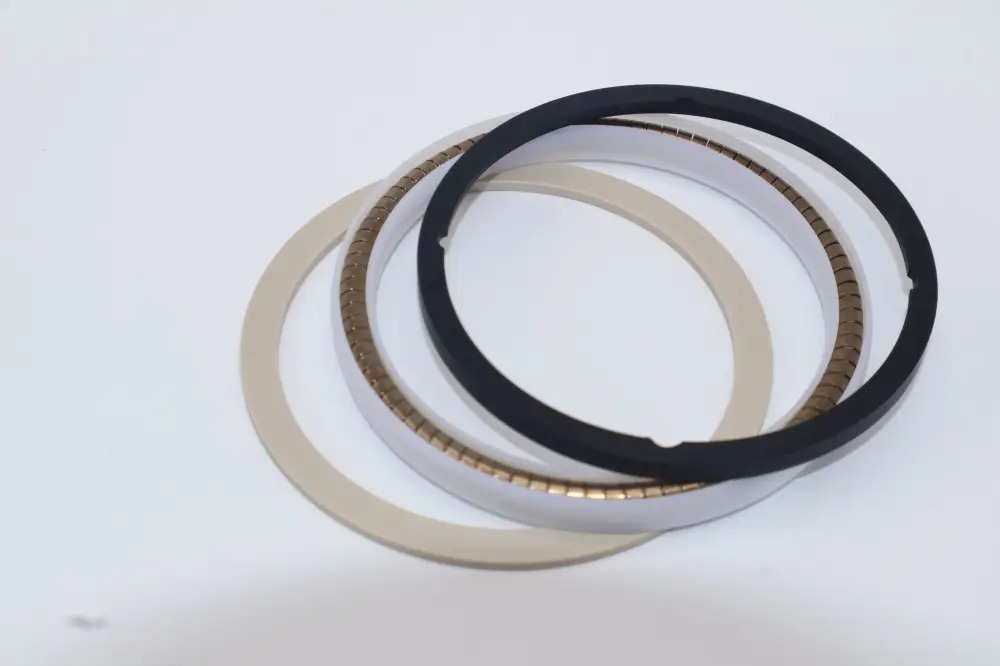
Spring energized seals represent a critical innovation in cryogenic engineering, delivering reliable performance in extreme cold environments where conventional sealing solutions fail completely. At temperatures plunging to negative 196 degrees Celsius, standard elastomeric seals become brittle, lose elasticity, and fracture under minimal stress. Spring energized seals overcome these fundamental material challenges by combining PTFE backing with energizing springs that maintain consistent contact pressure across the widest possible temperature range, making them indispensable for liquefied natural gas operations, aerospace applications, and industrial cryogenic systems where failure is never an option. Understanding why spring energized seals perform so exceptionally well in these extreme conditions is essential for engineers, procurement specialists, and equipment designers who must specify sealing solutions for cryogenic applications.
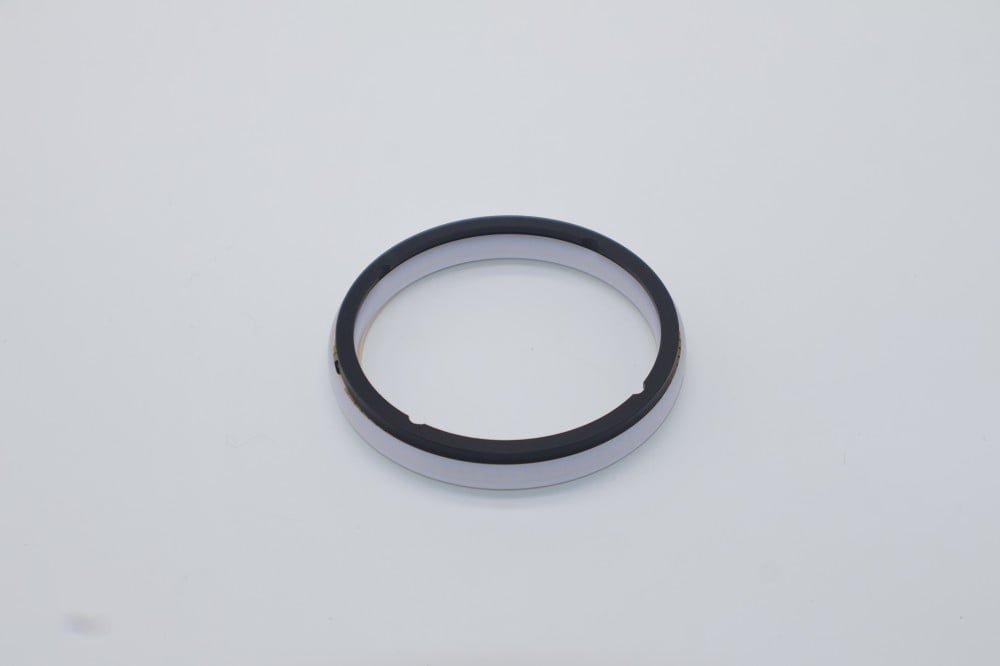
The fundamental advantage of spring energized seals lies in their dual-component architecture, which separates the low-friction sealing surface from the pressure-generating mechanism. PTFE provides exceptional chemical inertness and maintains dimensional stability even when exposed to cryogenic extremes, while the energizing spring system maintains radial or axial force regardless of temperature fluctuation or pressure cycling. This combination ensures that spring energized seals deliver predictable performance throughout the operational envelope, preventing both internal and external leakage in applications where asset failure creates catastrophic consequences and safety liabilities.
How Spring Energized Seals Function in Extreme Cold
Material Performance at Cryogenic Temperatures
Spring energized seals maintain sealing integrity at cryogenic temperatures because PTFE exhibits minimal thermal contraction compared to elastomers. When rubber compounds cool from ambient conditions to negative 196 degrees Celsius, they shrink dramatically, lose flexibility, and become prone to cracking. Spring energized seals solve this challenge by using PTFE as the primary sealing material, which contracts far less and retains its low-friction properties even at extreme cold. The energizing spring—typically fabricated from stainless steel or specialized alloys—remains functional throughout cryogenic cycles because metals retain their spring characteristics even when cooled to near absolute zero temperatures. This combination ensures spring energized seals continue sealing effectively where conventional seals would fail completely.
Pressure and Temperature Load Distribution
Spring energized seals distribute mechanical loads more efficiently than monolithic elastomer seals, which is especially critical in cryogenic service. The spring mechanism inside spring energized seals maintains consistent radial or axial contact force as temperature varies, preventing the seal from losing compression and allowing leakage pathways to open. In piston applications, spring energized seals conform to groove geometry while the spring continuously adjusts to maintain sealing force despite thermal cycling, pressure spikes, and dynamic motion. This load distribution capability makes spring energized seals the preferred choice for API 6D cryogenic ball valves, pump shafts, and other critical equipment where pressure vessels operate at multiple temperature ranges within a single duty cycle.
Why Spring Energized Seals Outperform Traditional Solutions
Superior Reliability in Recurring Thermal Shock
Cryogenic systems experience thermal shock when warm equipment is suddenly cooled or when ambient temperature swings occur during operational transients. Spring energized seals handle thermal shock far better than conventional seals because the PTFE backing is designed to flex and accommodate rapid dimensional changes without cracking or delaminating. Traditional elastomer seals, conversely, become rock-hard and brittle when exposed to cryogenic temperatures, making them prone to tearing when thermal stresses develop. Spring energized seals minimize thermal stress concentration because the spring mechanism absorbs and redistributes mechanical loads, preventing localized stress concentration that would otherwise cause seal failure. This reliability advantage is why LNG facilities, cryogenic storage systems, and aerospace applications specify spring energized seals as the standard for critical equipment.
Extended Service Life and Operational Availability
Spring energized seals deliver extended operational life compared to elastomer seals in cryogenic service because they resist degradation mechanisms that destroy rubber compounds. PTFE is chemically inert to virtually all cryogenic process fluids, including liquid nitrogen, liquid oxygen, methane, and hydrogen. The spring mechanism does not fatigue or lose tension under normal service conditions because it operates within the elastic strain limits of the material, avoiding plastic deformation. Many industrial operators report that spring energized seals exceed five-year service intervals in continuous cryogenic duty, while elastomer seals require replacement every 12 to 24 months. This extended service life reduces unplanned downtime, minimizes maintenance costs, and improves overall equipment availability in mission-critical cryogenic applications.
Critical Applications Where Spring Energized Seals Prove Essential
Liquefied Natural Gas Production and Distribution
LNG operations depend on spring energized seals to maintain reliable performance in equipment operating at negative 162 degrees Celsius or colder. Cryogenic ball valves, pump seals, compressor rod seals, and equipment connections all rely on spring energized seals to prevent methane leakage and maintain operational safety. The cryogenic environment at LNG facilities is so extreme that any seal failure creates immediate safety risks, environmental liability, and operational shutdowns. Spring energized seals meet these demanding requirements because they maintain consistent sealing force and resist the thermal cycling inherent in LNG production, liquefaction, storage, regasification, and transport operations. Equipment manufacturers and operators specify spring energized seals as the only acceptable sealing solution for LNG cryogenic service.
Aerospace and Industrial Cryogenic Systems
Aerospace propulsion systems use liquid hydrogen and liquid oxygen as rocket propellants, requiring spring energized seals that function flawlessly at negative 253 degrees Celsius and colder. Industrial laboratories, semiconductor manufacturing facilities, and medical equipment manufacturers also depend on spring energized seals for cryogenic cooling systems that operate near absolute zero. Spring energized seals excel in these specialized applications because they deliver consistent performance without maintenance interventions and maintain sealing integrity across thousands of duty cycles. The combination of extreme temperature resistance, low leakage rates, and extended service life makes spring energized seals the critical enabling technology for advanced aerospace propulsion, advanced cooling systems, and scientific research applications that operate at the limits of cryogenic temperature capability.
FAQ
What makes spring energized seals different from standard O-rings in cryogenic service?
Spring energized seals differ fundamentally from O-rings because they maintain sealing force across extreme temperature ranges through their spring mechanism and PTFE backing material. Standard O-rings, which are monolithic elastomer components, lose elasticity and become brittle at cryogenic temperatures, causing them to crack and leak. Spring energized seals actively maintain radial contact pressure regardless of temperature change, preventing the loss of sealing force that causes elastomer seals to fail. Additionally, spring energized seals use PTFE as the sealing surface, which maintains its low-friction properties and dimensional stability at negative 196 degrees Celsius and beyond, making spring energized seals the only practical choice for reliable cryogenic sealing.
How do spring energized seals handle repeated thermal cycling in cryogenic applications?
Spring energized seals handle thermal cycling because their dual-component design distributes mechanical stress and absorbs thermal expansion and contraction without exceeding material elastic limits. The PTFE backing contracts predictably with temperature change, while the spring mechanism adjusts to maintain consistent sealing force throughout the thermal cycle. This load-sharing architecture prevents the stress concentration that destroys monolithic elastomer seals during thermal shock. Spring energized seals can withstand thousands of thermal cycles between cryogenic temperatures and ambient conditions without degradation, making them ideal for LNG equipment that undergoes recurring warm-up and cool-down cycles during maintenance and operational transients.
Why are spring energized seals specified for API 6D cryogenic ball valves?
Spring energized seals are specified for API 6D cryogenic ball valves because these critical equipment components demand absolute leakage prevention and extended operational life in the harshest service conditions. API 6D standards require sealing solutions that maintain integrity at negative 196 degrees Celsius and below, survive thousands of operating cycles without maintenance, and meet stringent fugitive emission regulations. Spring energized seals meet and exceed these requirements through their temperature-independent sealing force, superior resistance to thermal shock, and exceptional chemical compatibility with cryogenic fluids. Equipment manufacturers and end-users specify spring energized seals for API 6D cryogenic ball valves to ensure compliance with industry standards, regulatory requirements, and operational reliability expectations in LNG production facilities and cryogenic distribution systems.