
 EN
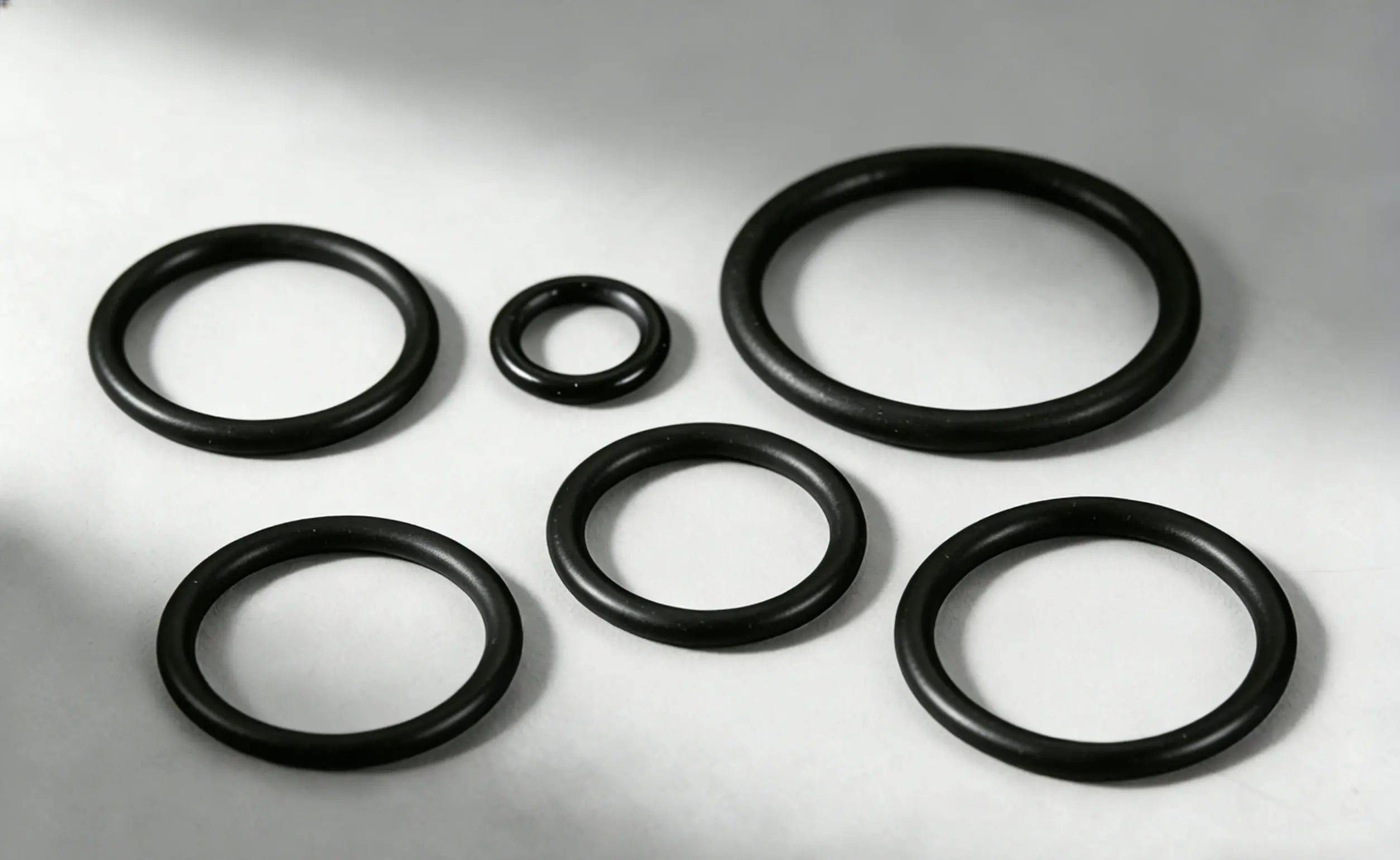
A high performance seal must endure extreme chemical exposure while maintaining structural integrity and operational reliability. In demanding industrial environments, the choice of seal material directly determines whether equipment operates safely or fails catastrophically. Rubber seals designed as high performance seal solutions represent a critical investment in process reliability, equipment longevity, and workplace safety across chemical processing plants, refineries, pharmaceutical manufacturing, and food production facilities.
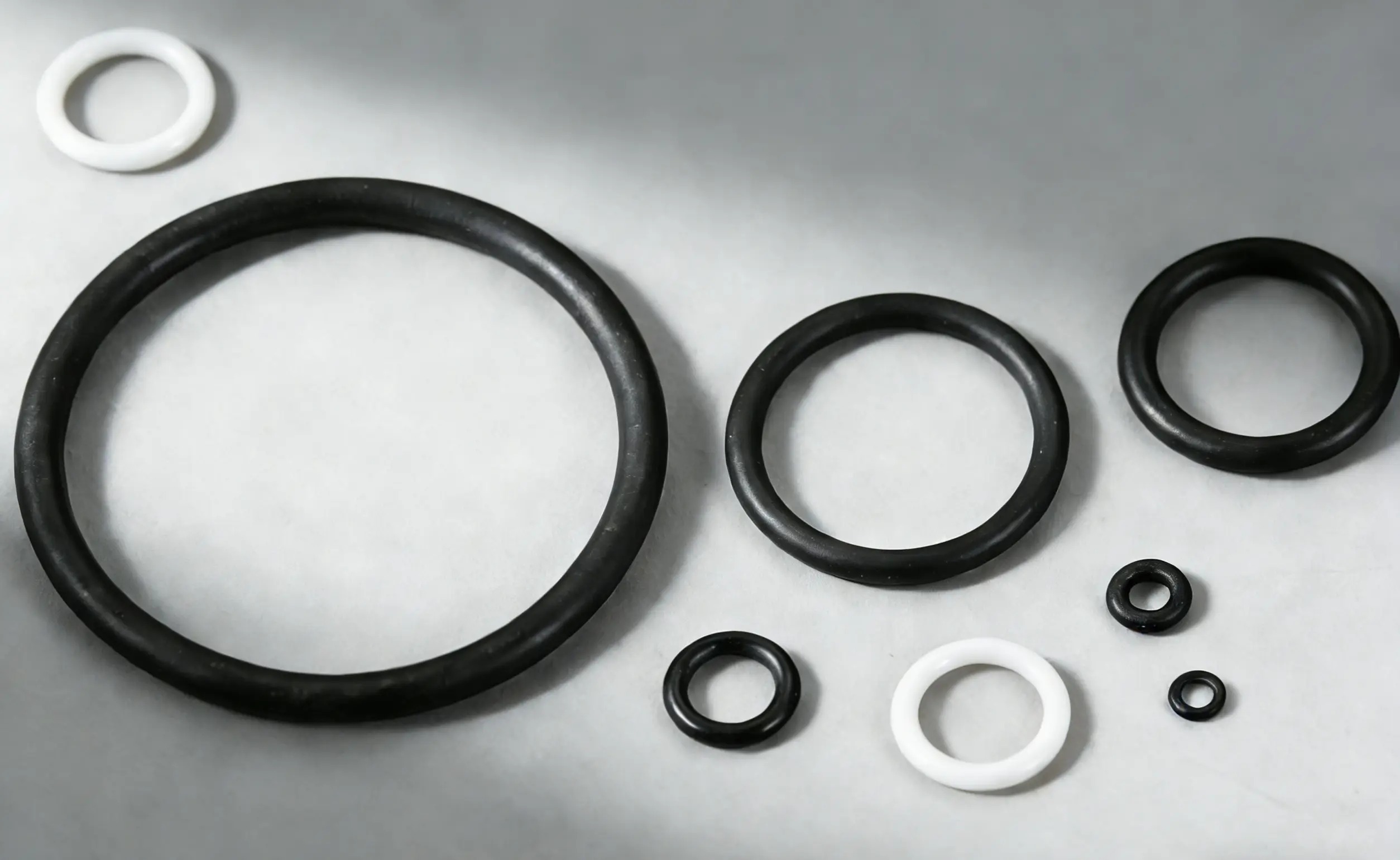
Understanding how rubber seal materials behave under chemical stress allows engineers and procurement specialists to select seals that genuinely perform rather than fail prematurely. A high performance seal exhibits predictable degradation patterns, maintains elasticity across temperature ranges, and resists swelling, hardening, or embrittlement when exposed to corrosive fluids. This article explores the material science behind high performance seal selection, the behavioral characteristics that distinguish premium seals from commodity alternatives, and practical decision-making frameworks for chemical resistance applications.
Chemical Resistance Mechanisms in High Performance Seal Materials
Polymer Network Stability and Fluid Interaction
A high performance seal functions through a carefully engineered polymer network that resists molecular interaction with aggressive chemicals. When rubber absorbs solvents, the polymer chains swell, losing their mechanical properties and creating leakage paths around equipment. A high performance seal designed for chemical service uses fluorocarbon polymers, perfluoroelastomers, or specialized hydrocarbon compounds that minimize absorption of common industrial solvents including hydrocarbons, esters, ketones, and chlorinated compounds.
The chemical resistance of a high performance seal derives from atomic-level design. Fluorine atoms within FFKM polymer chains create stronger bonds with the polymer backbone, making it harder for aggressive molecules to penetrate the material. A high performance seal employing fluorocarbon chemistry maintains dimensional stability even when exposed to methyl ethyl ketone, toluene, or aggressive cleaning compounds. This dimensional stability directly translates to consistent sealing performance and extended service life between maintenance intervals.
Temperature-Dependent Behavior Patterns
Chemical resistance in a high performance seal varies significantly with temperature. At elevated temperatures, polymer chains gain molecular mobility, accelerating both chemical absorption and material degradation. A high performance seal rated for chemical resistance must specify temperature limits because the same material that resists a solvent at 70°F may fail rapidly at 140°F. Premium elastomer formulations include heat stabilizers, cross-linking agents, and reinforcing fillers that maintain polymer structure even as thermal energy increases molecular motion.
Conversely, at low temperatures, a high performance seal's elasticity decreases and the rubber becomes brittle, potentially cracking under compression. The glass transition temperature represents the threshold where a high performance seal material transitions from flexible to rigid. Understanding this temperature boundary helps prevent seal failure during seasonal operations, startup conditions, or emergency cooling scenarios common in chemical plants.
Performance Evaluation and Material Selection Criteria
Compatibility Testing and Service Life Prediction
Selecting the correct a high performance seal requires methodical compatibility evaluation rather than assumptions about material performance. Industry standards including ASTM D471 define how a high performance seal should be tested when exposed to specific chemicals at designated temperatures and time intervals. During these tests, engineers measure volume swell, hardness change, tensile strength retention, and elongation loss to predict real-world performance.
A high performance seal that swells less than 10% in a specific fluid over 70 hours at 100°C typically demonstrates acceptable compatibility for that application. Material suppliers provide compatibility matrices showing how different seal elastomers perform across dozens of common industrial chemicals. When a high performance seal candidate shows marginal results in compatibility testing, engineers may need to upgrade to premium formulations or recommend more frequent seal replacement intervals to maintain safety margins.
Mechanical Property Retention Under Stress
Beyond chemical compatibility, a high performance seal must maintain mechanical strength when subjected to real-world pressures and installation forces. When engineers compress a high performance seal into a gland, the material experiences permanent deformation. If the rubber loses elasticity rapidly, the seal no longer pushes against equipment surfaces, resulting in leakage. Premium elastomer formulations include reinforcing carbon black particles and specialized curing systems that enable a high performance seal to bounce back after compression, maintaining contact pressure for years rather than months.
The durometer rating describes material hardness and directly correlates with chemical resistance and mechanical recovery. A high performance seal with higher durometer provides better chemical resistance but may become brittle during cold startups. Conversely, a softer high performance seal compresses more effectively but may absorb chemicals more readily. Proper material selection balances these trade-offs based on specific application conditions, temperature ranges, and chemical exposure profiles.
Application Scenarios and Material Selection Strategy
Hydrocarbon-Rich Environments
A high performance seal in petroleum refining, fuel processing, or lubrication systems encounters hydrocarbons continuously. Hydrocarbon-based fluids penetrate traditional nitrile rubber seals, causing them to swell and fail within months. A high performance seal designed for hydrocarbon service typically uses FFKM formulation, which maintains dimensional stability and mechanical properties even when saturated with crude oil, diesel fuel, gasoline, or high-viscosity lubricants. This chemical resistance translates directly to longer maintenance intervals and reduced unplanned downtime in critical refining operations.
Aggressive Solvent Exposure
Pharmaceutical manufacturing, chemical synthesis, and specialty chemical production expose seals to aggressive solvents including methanol, acetone, toluene, and xylene. These polar and non-polar solvents rapidly degrade conventional rubber seals. A high performance seal specified for solvent service typically incorporates perfluoroelastomer chemistry or specialized fluorocarbon compounds that resist both polar and non-polar solvent penetration. When equipment reliability depends on maintaining sealed connections through weeks of solvent circulation, investing in a high performance seal pays immediate dividends through extended service intervals and predictable performance.
Mixed Chemical Exposure
Industrial water treatment, food processing, and chemical blending operations expose seals simultaneously to water, organic compounds, oxidizing agents, and surfactants. A high performance seal must tolerate this complex chemical environment without degrading. Selecting the correct a high performance seal formulation requires understanding all potential fluid contacts rather than assuming compatibility with individual chemicals. Suppliers provide detailed chemical compatibility data allowing engineers to model real-world performance before installation, reducing the risk of catastrophic failure during production runs.
FAQ
What distinguishes a high performance seal from standard rubber seals?
A high performance seal uses premium elastomer formulations like FFKM or specialized fluorocarbon compounds that provide superior chemical resistance, thermal stability, and mechanical recovery compared to standard nitrile or neoprene seals. The key distinction is that a high performance seal maintains consistent sealing performance across wider temperature ranges and maintains elasticity even after prolonged exposure to aggressive chemicals, while standard seals degrade rapidly in harsh chemical environments.
How does temperature affect high performance seal material behavior?
Temperature directly impacts how a high performance seal resists chemical penetration and maintains mechanical properties. As temperature increases, the high performance seal's polymer chains gain molecular mobility, accelerating both chemical absorption and material degradation. Conversely, at very low temperatures, a high performance seal becomes brittle and loses elasticity. Every high performance seal formulation has an optimal operating temperature window; exceeding these limits reduces chemical resistance and service life significantly.
How should engineers select between different high performance seal materials?
Engineers should identify all chemicals the high performance seal will contact, review ASTM D471 compatibility test data for candidate materials, verify temperature operating ranges, and confirm mechanical property retention requirements for the specific application. A high performance seal selected through compatibility matrix review and validated through supplier testing delivers predictable performance and longer service life than assumptions based on generic material descriptions.