
 EN
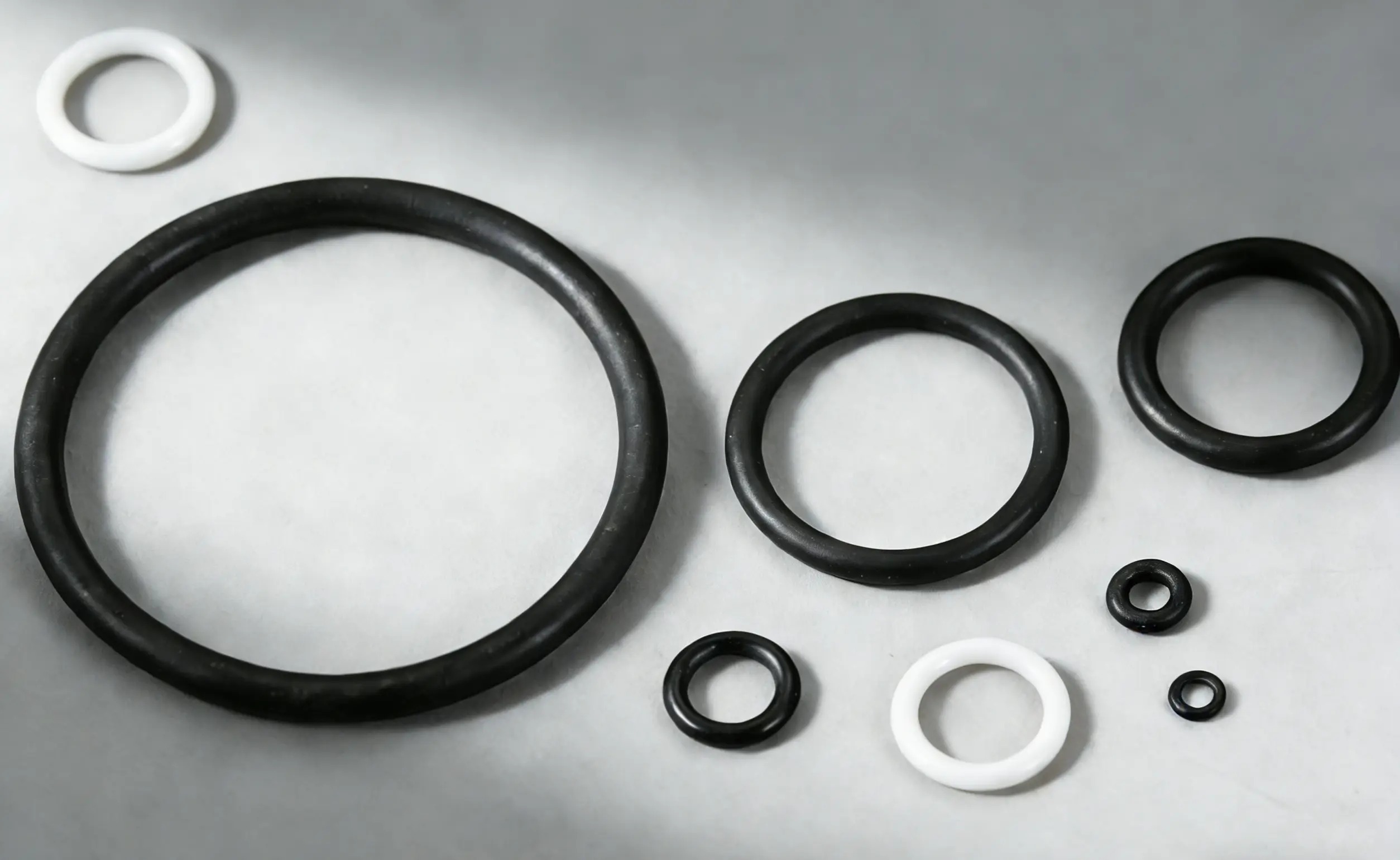
Leakage prevention stands as one of the most critical performance factors in industrial applications where a high performance seal directly impacts operational efficiency, safety, and cost control. When a high performance seal fails to prevent leakage, the consequences extend beyond simple fluid loss—they encompass equipment damage, environmental contamination, and production downtime that can cost organizations thousands of dollars daily. Understanding how a high performance seal achieves effective leakage prevention requires examining the sophisticated mechanisms built into modern seal designs.
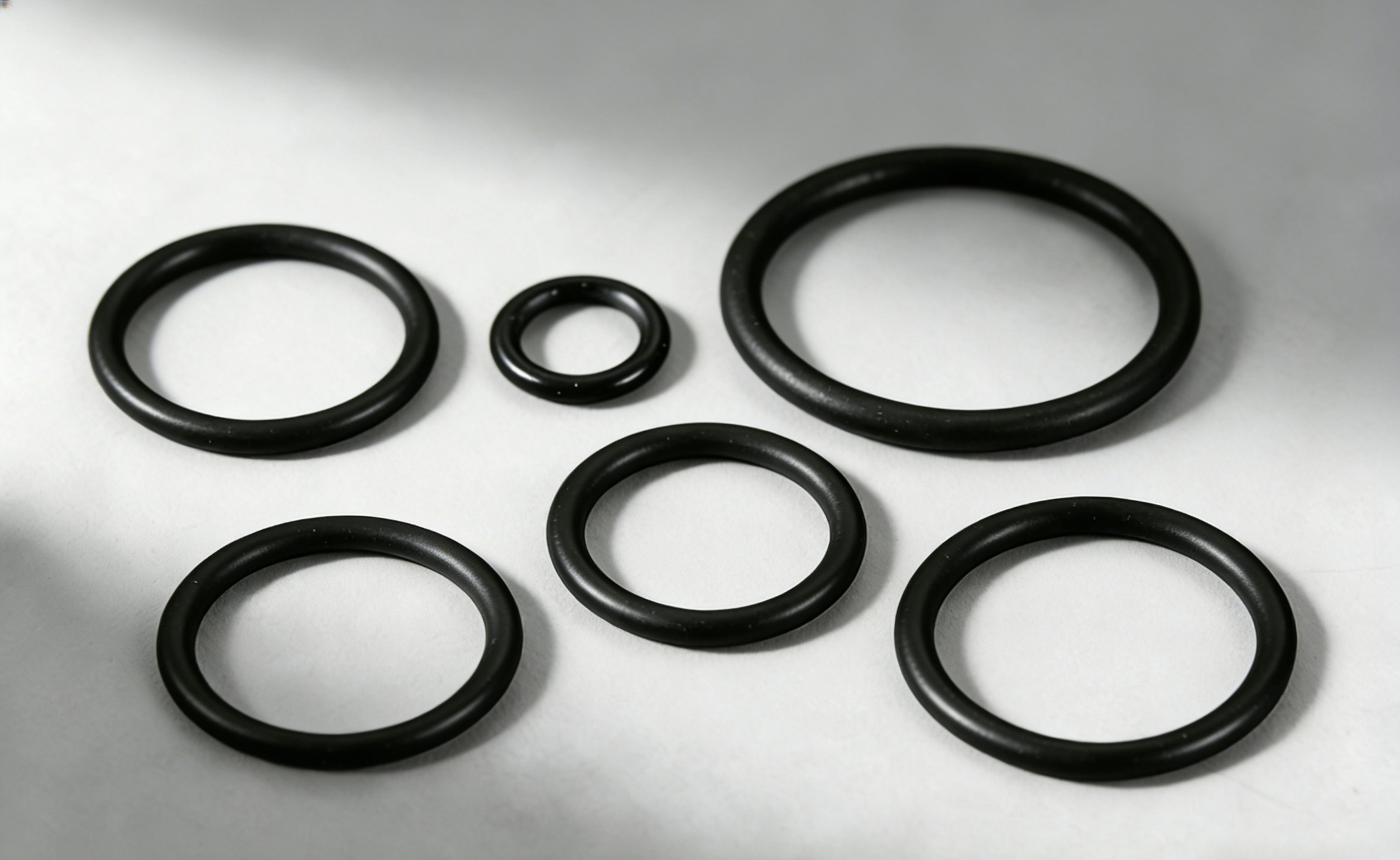
A high performance seal operates within demanding environments where standard sealing solutions fail quickly. Whether exposed to extreme temperatures, aggressive chemicals, or high-pressure systems, a high performance seal must maintain its structural integrity while creating an impermeable barrier between fluid chambers. The engineering approach behind effective high performance seal design combines material science, precision manufacturing, and thoughtful geometry to create a barrier that adapts to system conditions while preventing fluid migration across sealed surfaces.
Material Science and Fluid Barrier Design
Elastomer Selection for High Performance Seals
The foundation of any high performance seal lies in selecting elastomer materials that resist degradation under extreme conditions. Traditional rubber compounds swell, harden, or crack when exposed to harsh chemical environments or temperature extremes, but specialized elastomers used in a high performance seal maintain dimensional stability and flexibility across a wide operating range. Perfluoroelastomers, fluorosilicones, and other advanced polymers used in a high performance seal absorb minimal fluid, preventing the swelling that creates micro-gaps and initiates leakage pathways. This material resilience ensures that a high performance seal preserves its sealing properties throughout its service life, even as operating conditions fluctuate.
Surface Treatment and Adhesion Properties
Surface engineering enhances leakage prevention by improving how a high performance seal adheres to mating surfaces. Specialized coatings and surface treatments applied to a high performance seal reduce friction, prevent particulate embedding, and maintain consistent contact pressure across the sealing interface. When a high performance seal achieves optimal surface contact through controlled roughness and adhesion chemistry, fluid molecules cannot find pathways around the seal edge. The interaction between seal surface properties and mating substrate geometry directly determines whether a high performance seal will perform reliably or develop leakage over time.
Geometric Design and Pressure Containment
Cross-Sectional Profile Optimization
The geometry of a high performance seal directly influences its ability to prevent leakage under varying pressure conditions. Precision cross-sectional profiles in a high performance seal are engineered to distribute pressure evenly across the sealing surface, preventing stress concentrations that create failure points. Modern high performance seal designs incorporate undercuts, contact zones, and stress-relief geometry that together create multiple containment barriers. When pressure increases within a system, a properly designed high performance seal compresses and expands in controlled ways that actually enhance sealing rather than cause leakage. This adaptive behavior distinguishes true high performance seal engineering from basic sealing solutions that degrade under pressure fluctuations.
Dynamic and Static Sealing Interfaces
Static applications and dynamic applications require different design considerations in a high performance seal. A high performance seal used in static applications must maintain dimensional stability and perfect contact pressure over extended periods, while a high performance seal in dynamic applications must accommodate rotational or linear motion without wearing through the sealing surface. The most advanced high performance seal designs incorporate multiple contact zones—primary lips for fluid containment, secondary backup rings for pressure distribution, and relief channels for pressure equalization. This multi-zone approach ensures that a high performance seal maintains leakage-free performance whether the application demands stationary installation or continuous motion.
Operational Factors and Performance Sustainability
Temperature Stability and Thermal Cycling
Temperature extremes represent a primary challenge for seal reliability, yet a properly engineered high performance seal maintains leakage prevention across wide temperature ranges. Materials selected for a high performance seal retain elasticity at sub-zero temperatures while resisting hardening and cracking at elevated temperatures that would destroy standard seals. The thermal expansion characteristics of a high performance seal are carefully matched to the expansion behavior of mating components, preventing the differential expansion that creates leakage paths. When thermal cycling occurs repeatedly, a high performance seal preserves its cross-sectional geometry and contact pressure through resilient material properties rather than rigid brittleness.
Chemical Compatibility and Degradation Prevention
Industrial fluids contain corrosive agents, solvents, and reactive compounds that attack standard seal materials, but a high performance seal formulated for the specific fluid environment resists chemical attack and maintains barrier function. Elastomers used in a high performance seal are selected not just for pressure resistance but for compatibility with the exact chemical composition of sealed fluids. When a high performance seal encounters incompatible chemicals, swelling occurs that compromises the seal's geometry and creates leakage pathways. Conversely, a properly specified high performance seal exposes only resistant compounds to the sealed fluid, ensuring the seal remains dimensionally stable throughout its service life. This chemical compatibility factor often determines whether equipment operates reliably for years or requires frequent seal replacement.
Installation and Maintenance Practices
Proper Installation Techniques
Even the best-engineered high performance seal fails if installation practices introduce damage or misalignment. Proper installation of a high performance seal requires smooth insertion surfaces, correct squeeze ratios, and precise positioning within grooves designed for optimal contact pressure. Technicians must understand that a high performance seal tolerates minimal installation abuse—scratches, twisting, or improper compression during installation can initiate leakage that develops gradually or manifests immediately. Training personnel on correct high performance seal installation procedures protects the investment in premium seal technology and ensures leakage prevention performance is realized from the first operating hour.
Condition Monitoring and Predictive Maintenance
Monitoring system conditions allows maintenance teams to identify failing high performance seals before catastrophic leakage occurs. Pressure monitoring, temperature tracking, and fluid analysis detect early degradation indicators that signal a high performance seal is approaching end-of-life. By replacing a high performance seal during scheduled maintenance rather than after emergency failure, organizations avoid the costs and safety risks associated with unplanned downtime. Regular inspection routines combined with understanding the specific operating conditions and fluid compatibility of each high performance seal installation enables predictive maintenance that maximizes equipment reliability.
FAQ
How does a high performance seal prevent leakage at extreme pressures?
A high performance seal prevents high-pressure leakage through precisely engineered geometry that distributes pressure across multiple contact zones and specialized elastomer materials that compress and conform to mating surfaces without losing structural integrity. The cross-sectional design of a high performance seal incorporates pressure-responsive features that actually enhance sealing as pressure increases, preventing fluid from bypassing the seal interface even at system pressures that would overwhelm standard sealing solutions.
What materials are used in high performance seal construction?
High performance seal materials include perfluoroelastomers, fluorosilicones, and other advanced polymers selected for resistance to extreme temperatures, aggressive chemicals, and mechanical stress. A high performance seal formulation depends entirely on the specific application environment—a high performance seal designed for cryogenic service uses different elastomer chemistry than a high performance seal engineered for high-temperature aerospace applications, ensuring each variant provides optimal leakage prevention in its intended environment.
How often should high performance seals be replaced?
Replacement intervals for a high performance seal depend on operating conditions, fluid compatibility, pressure cycles, and temperature extremes the seal experiences. A properly maintained high performance seal can function reliably for years in stable conditions, while the same high performance seal design might require replacement within months under severe thermal cycling or chemical exposure. Monitoring fluid condition, pressure stability, and temperature ranges guides maintenance decisions and ensures a high performance seal remains effective before degradation causes equipment failure.