
 EN
EN
High vacuum chambers demand sealing solutions that combine absolute reliability with exceptional performance under extreme conditions. Spring energized seals represent the gold standard for these demanding applications, offering consistent pressure retention and minimal leakage across thermal cycles and operational variations. Understanding how spring energized seals function in high vacuum environments is essential for engineers and procurement specialists seeking dependable chamber integrity and extended equipment lifespan.
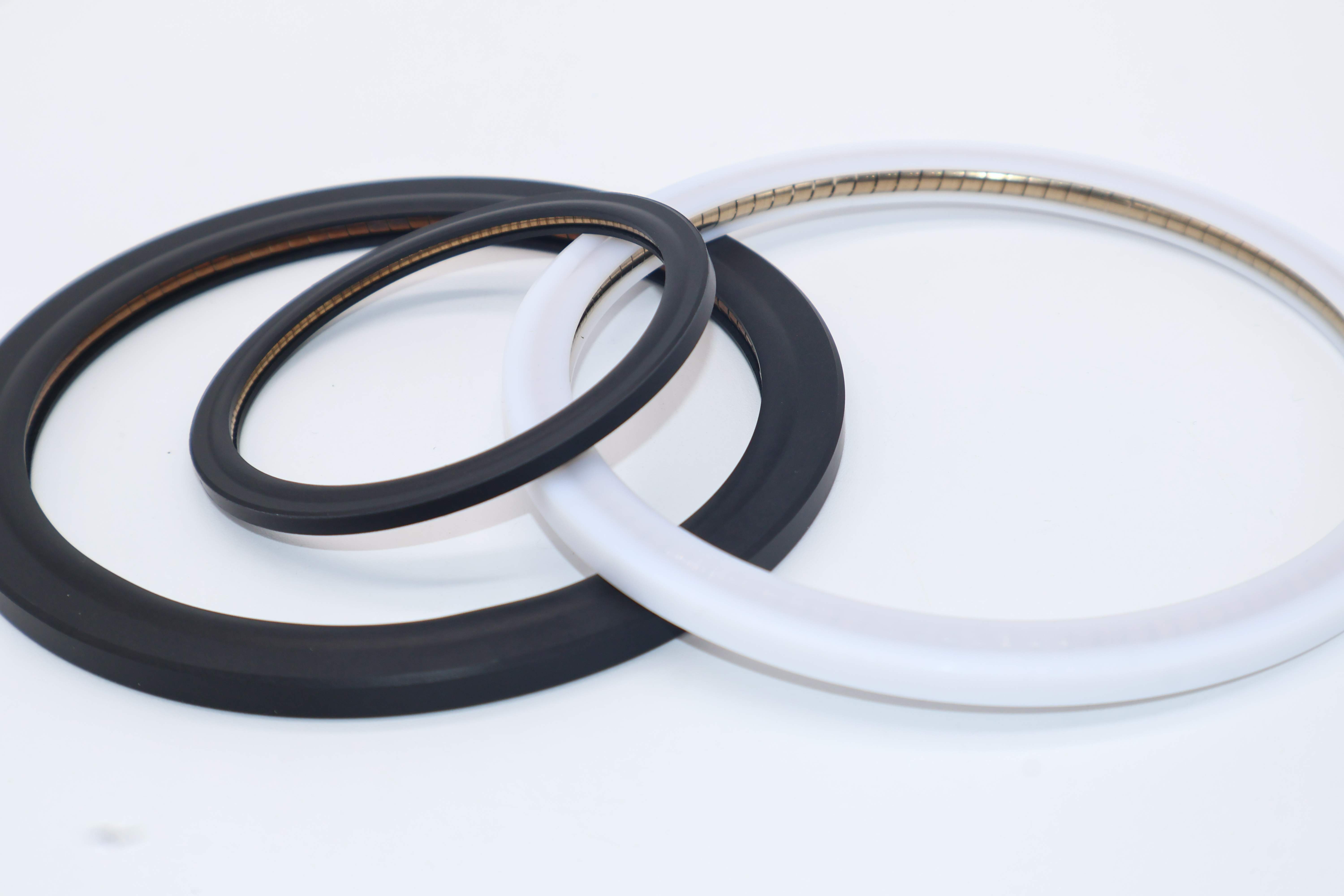
Spring energized seals employ a mechanically driven spring component that maintains consistent contact force against the sealing surface, independent of pressure fluctuations or thermal expansion. This active engagement mechanism makes spring energized seals particularly suited to high vacuum applications where passive lip contact becomes inadequate. The PTFE material composition combined with spring mechanism engineering delivers a sealing solution that outperforms conventional static gaskets in vacuum chamber environments.
Mechanical Design and Sealing Mechanism
Active Spring Force in Vacuum Environments
The fundamental advantage of spring energized seals lies in their active mechanical force delivery. Unlike static seals that rely solely on compression, spring energized seals maintain constant pressure through the spring element regardless of external pressure conditions. In high vacuum chambers where internal pressure approaches zero, this active force becomes critical because atmospheric pressure no longer assists the seal. Spring energized seals overcome this challenge through their engineered spring component, which applies continuous radial or axial force against the sealing surface.
This mechanical advantage translates directly to superior leakage control in vacuum environments. The spring energized seal design ensures that the PTFE sealing element remains in firm contact with the chamber interface throughout equipment operation. Engineers specify spring energized seals for vacuum applications because they eliminate the performance degradation that occurs with conventional seals as internal pressure drops. The spring mechanism compensates automatically for wear, thermal contraction, and surface irregularities.
Material Compatibility and Thermal Performance
PTFE spring energized seals excel in high vacuum chambers due to PTFE's exceptional chemical resistance and thermal stability. PTFE maintains its sealing properties across wide temperature ranges, from cryogenic conditions to elevated operational temperatures found in industrial vacuum systems. Spring energized seals constructed from PTFE resist outgassing in vacuum environments, a critical requirement because outgassed particles can contaminate chamber contents and degrade system performance. The combination of PTFE material properties with spring energized seal geometry creates a solution specifically engineered for vacuum chamber applications.
Spring energized seals also adapt effectively to surface variations within vacuum chambers. Metal vacuum chamber flanges and connection points frequently exhibit micro-surface irregularities that would compromise static seal performance. Spring energized seals accommodate these variations through their flexible spring component, which adjusts contact force to maintain consistent sealing pressure across the interface. This adaptive capability significantly reduces installation complexity and improves long-term reliability of high vacuum systems.
Performance Advantages in Vacuum Chamber Applications
Leakage Control and System Integrity
Vacuum chamber integrity depends fundamentally on leakage elimination, making spring energized seals the preferred specification for critical applications. Spring energized seals deliver helium leak rates that satisfy ISO 6954 and other stringent vacuum standards, ensuring chamber pressures remain stable throughout operational cycles. The active sealing mechanism of spring energized seals prevents the micro-leakage that develops with conventional seals over time. High vacuum applications ranging from semiconductor processing to research environments consistently specify spring energized seals because they maintain system performance across thousands of operational hours.
The reliability of spring energized seals in vacuum environments extends equipment operational windows and reduces maintenance frequency. Facility operators avoid the costly downtime associated with emergency chamber re-evacuation or contamination events. Spring energized seals perform predictably in vacuum chambers, allowing operators to schedule preventive maintenance on planned timelines rather than responding to failure. This operational consistency provides measurable cost savings in high-throughput manufacturing and research environments where chamber availability directly impacts productivity.
Thermal Cycling and Long-Term Durability
Vacuum chambers experience significant thermal cycling as systems are operated, cooled, and returned to ambient conditions. Spring energized seals maintain sealing effectiveness through these thermal transitions because the spring component compensates for differential thermal expansion between the PTFE element and the chamber structure. Materials undergo different rates of contraction and expansion during thermal cycles, creating internal stresses that degrade static seal performance. Spring energized seals absorb these stresses through their mechanical compliance, preserving sealing contact force throughout the thermal cycle.
Long-term durability testing of spring energized seals in simulated high vacuum chamber environments demonstrates performance retention over extended service intervals. The PTFE material resists creep and cold flow, phenomena that cause conventional seals to lose compression and develop leakage pathways. Spring energized seals engineered for vacuum applications typically achieve service intervals measured in years rather than months, reducing total cost of ownership for chamber operators. Industries deploying spring energized seals report substantial improvements in equipment uptime and reduced unplanned maintenance events.
Industrial Implementation and Selection Criteria
Vacuum Chamber Design Integration
Successful deployment of spring energized seals requires proper chamber design consideration and installation specifications. Chamber flanges must meet dimensional requirements that accommodate the spring energized seal geometry, including bore diameter, groove depth, and surface finish specifications. Engineers designing high vacuum systems specify spring energized seals during the initial chamber design phase, enabling proper groove construction and fastening architecture. Retrofit applications of spring energized seals may require chamber modification, making early design specification the most cost-effective approach.
Installation quality directly impacts spring energized seal performance in vacuum environments. Chamber assembly teams must follow torque specifications for flange fasteners to ensure proper compression without overstressing the seal. Contamination prevention during installation becomes critical because even small particles trapped beneath spring energized seals can compromise vacuum integrity. Professional chamber fabrication shops implement documented assembly protocols that ensure spring energized seals achieve their design performance specifications.
Application-Specific Performance Factors
Different vacuum chamber applications demand specific consideration when selecting spring energized seals. Semiconductor processing chambers operating at ultra-high vacuum require spring energized seals specified for minimal outgassing and compatible with reactive process chemistry. Research and analytical applications prioritize leak rate performance and thermal cycling capability. Industrial heat-treating and coating applications emphasize durability and resistance to thermal shock. Experienced seal engineers evaluate application requirements including vacuum level, temperature range, thermal cycling frequency, and chemical environment to specify the optimal spring energized seal configuration.
Cost analysis for spring energized seals in high vacuum applications must include total economic impact beyond initial material cost. The reliability premium, reduced maintenance frequency, and extended operational intervals justify the higher material cost of spring energized seals compared to conventional static gaskets. Facility managers consistently find that spring energized seal specifications reduce lifetime equipment costs through improved uptime and reduced emergency repairs.
FAQ
How do spring energized seals maintain performance in zero-pressure vacuum environments?
Spring energized seals function in vacuum through mechanical force rather than pressure-assisted sealing. The internal spring component applies constant radial or axial force against the sealing surface, independent of pressure differential. This active engagement mechanism ensures the PTFE sealing element maintains firm contact with the chamber interface even when internal pressure approaches zero. Conventional static seals lose effectiveness as pressure drops because atmospheric forces no longer assist compression, but spring energized seals overcome this limitation through their engineered spring mechanism.
What makes PTFE the preferred material for spring energized seals in high vacuum applications?
PTFE demonstrates exceptional suitability for vacuum chamber sealing through multiple critical properties. PTFE resists outgassing, a phenomenon where materials release trapped gases in vacuum that contaminate chamber contents, and it maintains stable sealing properties across extreme temperature ranges without degradation. PTFE also exhibits excellent chemical resistance to reactive process environments found in semiconductor and industrial vacuum systems. The combination of PTFE's material advantages with spring energized seal geometry creates a solution specifically engineered for high vacuum performance.
How do thermal cycles affect spring energized seal reliability in vacuum chambers?
Thermal cycling in vacuum chambers creates stress through differential thermal expansion of materials with different expansion coefficients. Spring energized seals handle these stresses effectively because the spring component provides mechanical compliance that absorbs expansion and contraction movements. The PTFE material resists creep and cold flow, phenomena that cause conventional seals to lose compression over time. This combination enables spring energized seals to maintain sealing effectiveness through hundreds or thousands of thermal cycles, delivering consistent performance throughout extended service intervals in high vacuum environments.