
 EN
EN
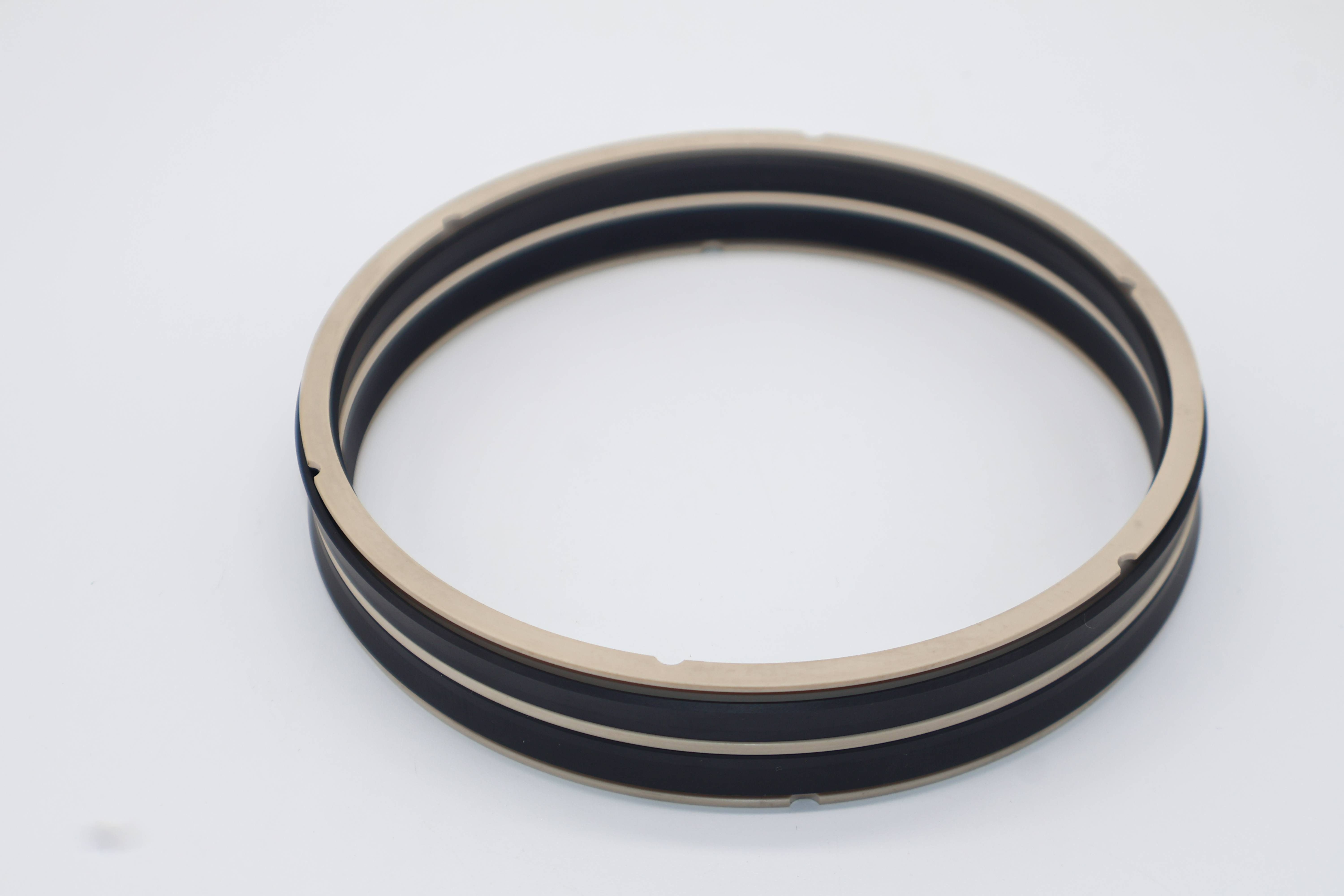
When engineers design equipment that operates without liquid lubrication at the shaft interface, selecting the right sealing element becomes critical. A PTFE rotary lip seal is one of the few sealing solutions engineered to function reliably in dry-running conditions, where conventional elastomeric seals typically fail within a short service window. Understanding why this seal type is chosen for dry environments — and precisely where its boundaries lie — helps engineers make confident, long-term sealing decisions.
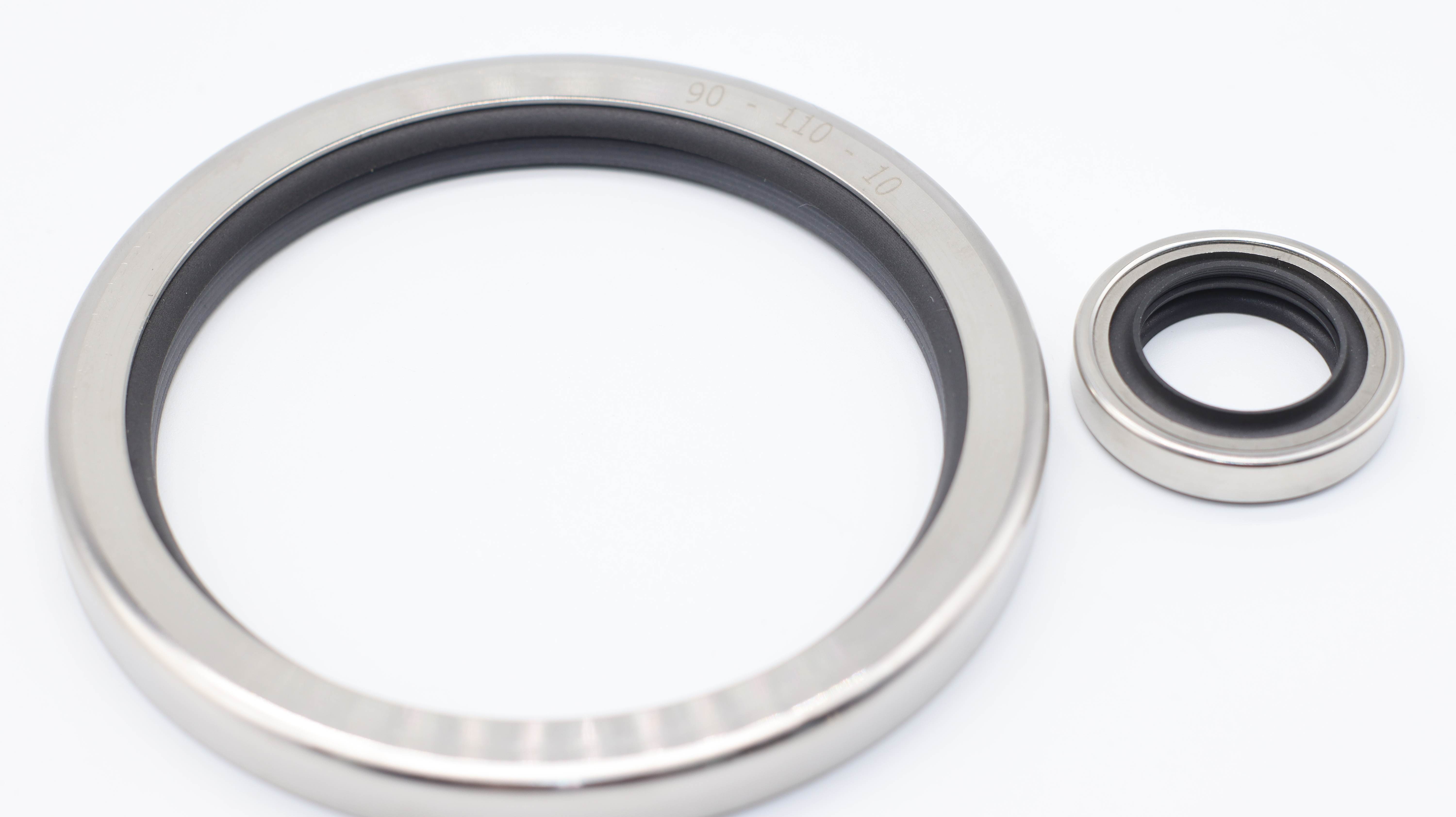
The PTFE rotary lip seal has become a standard specification in food processing equipment, pharmaceutical machinery, semiconductor tools, and other applications where introducing oil or grease to the seal zone is either prohibited or impractical. Its adoption is driven by a combination of material science advantages that no rubber-based seal can fully replicate in a dry interface environment. This article explores those advantages in depth and then examines the operating limits that every design engineer must account for when specifying a PTFE rotary lip seal.
Why PTFE Material Properties Enable Dry-Running Performance
Inherently Low Coefficient of Friction
The defining advantage of a PTFE rotary lip seal in dry-running service is the extremely low coefficient of friction that PTFE exhibits even without any external lubricant. PTFE has a coefficient of friction typically between 0.04 and 0.10 against a steel counterface, which is lower than most lubricated elastomers. This means the PTFE rotary lip seal generates far less frictional heat at the contact zone, reducing the risk of thermal degradation during extended dry operation. The seal lip essentially becomes its own lubricating surface, making the PTFE rotary lip seal uniquely self-sufficient in oil-free environments.
Chemical Inertness and Surface Transfer Film
Another reason the PTFE rotary lip seal performs so well in dry applications is the material's ability to form a thin transfer film on the shaft surface during initial run-in. As the PTFE rotary lip seal breaks in, microscopic PTFE particles deposit onto the shaft, creating a low-friction polymer layer that further reduces wear on both the seal lip and the shaft counterface. This self-conditioning behavior is a property unique to PTFE and is central to why the PTFE rotary lip seal can sustain operation where rubber seals would wear rapidly. The chemical inertness of PTFE also means the PTFE rotary lip seal resists degradation from aggressive media, cleaning agents, and sterilization cycles that are common in hygienic industries.
Design Characteristics That Support Dry-Running Suitability
Lip Geometry and Contact Pressure
The PTFE rotary lip seal is designed with a precisely defined lip geometry that controls radial contact force against the shaft. In dry-running applications, this contact pressure must be carefully balanced: too high a force increases friction and heat generation, while too low a force compromises sealing effectiveness. A well-engineered PTFE rotary lip seal uses a hydrodynamic or angled lip profile to minimize the contact footprint while maintaining the sealing function. This geometry is what separates a purpose-built PTFE rotary lip seal for dry service from a standard PTFE seal that was not optimized for the same conditions. Correct lip geometry ensures that the PTFE rotary lip seal remains effective even as the lip material slightly relaxes over time due to PTFE creep.
Shaft Surface Finish Requirements
The performance of a PTFE rotary lip seal in dry-running service is directly dependent on shaft surface finish quality. A counterface roughness in the range of Ra 0.2 to Ra 0.8 micrometers is generally recommended for a PTFE rotary lip seal operating dry. A surface that is too smooth can prevent the PTFE transfer film from adhering properly, while a surface that is too rough accelerates abrasive wear of the PTFE rotary lip seal lip. Hardened shafts with appropriate surface treatments extend the service life of the PTFE rotary lip seal and support the formation of a stable transfer film at startup. This is a specification detail that is easy to overlook but has a direct impact on how long the PTFE rotary lip seal performs reliably.
Operating Limits of the PTFE Rotary Lip Seal in Dry Service
Speed and Temperature Boundaries
While the PTFE rotary lip seal excels in dry-running environments, it does have defined operating limits that must be respected. In dry service, the PTFE rotary lip seal is generally rated for shaft speeds up to approximately 4 to 6 meters per second surface velocity, depending on the specific design and lip preload. Exceeding this speed range without lubrication causes the lip contact zone to heat beyond the material's sustainable threshold, leading to accelerated PTFE creep and seal failure. Temperature limits for the PTFE rotary lip seal in continuous dry operation typically fall between minus 60 degrees Celsius and plus 200 degrees Celsius, though sustained operation near the upper boundary in dry conditions demands careful thermal management. Any application that generates concentrated frictional heat must be evaluated to confirm that the PTFE rotary lip seal's temperature rating is not compromised at the contact interface.
Pressure and Contamination Constraints
The PTFE rotary lip seal is primarily designed as a low-pressure sealing element and is not suited for sealing significant pressure differentials in dry service. Most standard PTFE rotary lip seal designs are rated for differential pressures below 0.05 MPa in dry-running configurations. Attempting to use the PTFE rotary lip seal against higher pressures without lubrication increases lip contact force disproportionately, accelerating wear and shortening service life. Additionally, abrasive contamination entering the seal interface in a dry environment poses a serious threat to the PTFE rotary lip seal, since there is no fluid film to flush particles away from the contact zone. Selecting appropriate exclusion features, such as a dust lip or labyrinth guard, alongside the PTFE rotary lip seal helps protect the sealing interface in contaminated dry environments.
FAQ
Can a PTFE rotary lip seal replace an oil-lubricated seal in all cases?
Not in all cases. The PTFE rotary lip seal is an excellent choice for dry-running and food-grade applications where lubrication is not permitted, but it has lower pressure capacity and speed limits than many lubricated seal designs. Applications with high shaft speeds, elevated pressures, or heavy contamination should be carefully evaluated before substituting a PTFE rotary lip seal for a lubricated alternative.
How long does a PTFE rotary lip seal typically last in dry service?
Service life of a PTFE rotary lip seal in dry running depends on shaft speed, surface finish, temperature, and contamination levels. Under optimal conditions — correct shaft finish, moderate speed, and clean environment — a PTFE rotary lip seal can deliver thousands of operating hours. Harsh or borderline conditions significantly reduce service intervals, so regular inspection is advisable.
What shaft material works best with a PTFE rotary lip seal in dry applications?
Hardened stainless steel or case-hardened carbon steel with a surface hardness above 55 HRC is generally recommended as the counterface for a PTFE rotary lip seal in dry service. The hardened surface resists scoring from PTFE transfer film formation and maintains the dimensional consistency the PTFE rotary lip seal needs to perform reliably over its intended service life.