
 EN
EN
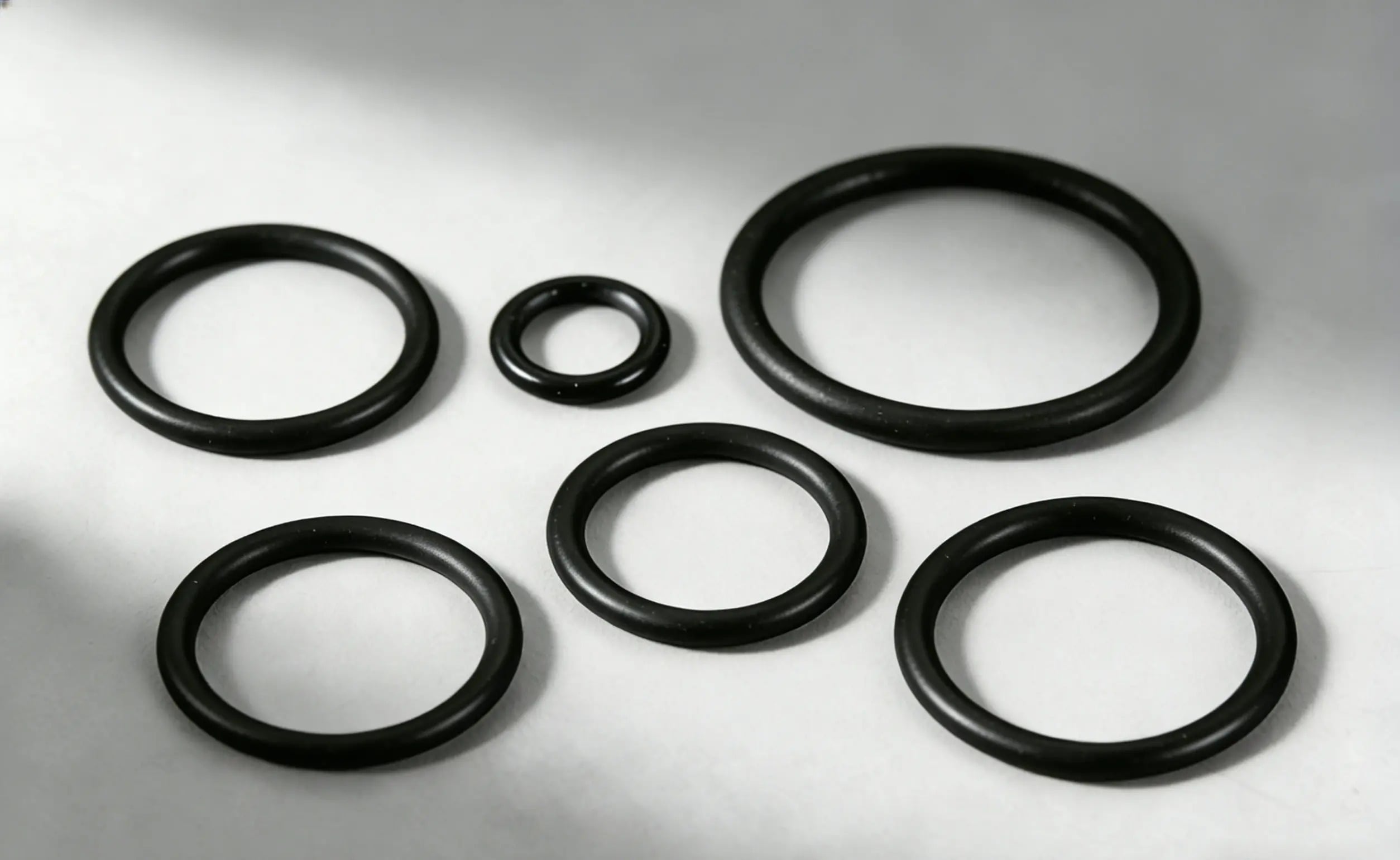
Selecting the correct lip seal for your industrial system is one of the most critical procurement decisions in manufacturing and process applications. A properly chosen lip seal prevents fluid leakage, extends equipment lifespan, and reduces maintenance costs significantly. In industrial environments where downtime translates directly to lost revenue, understanding how to evaluate and select a lip seal becomes a strategic procurement competency rather than a routine purchasing task.
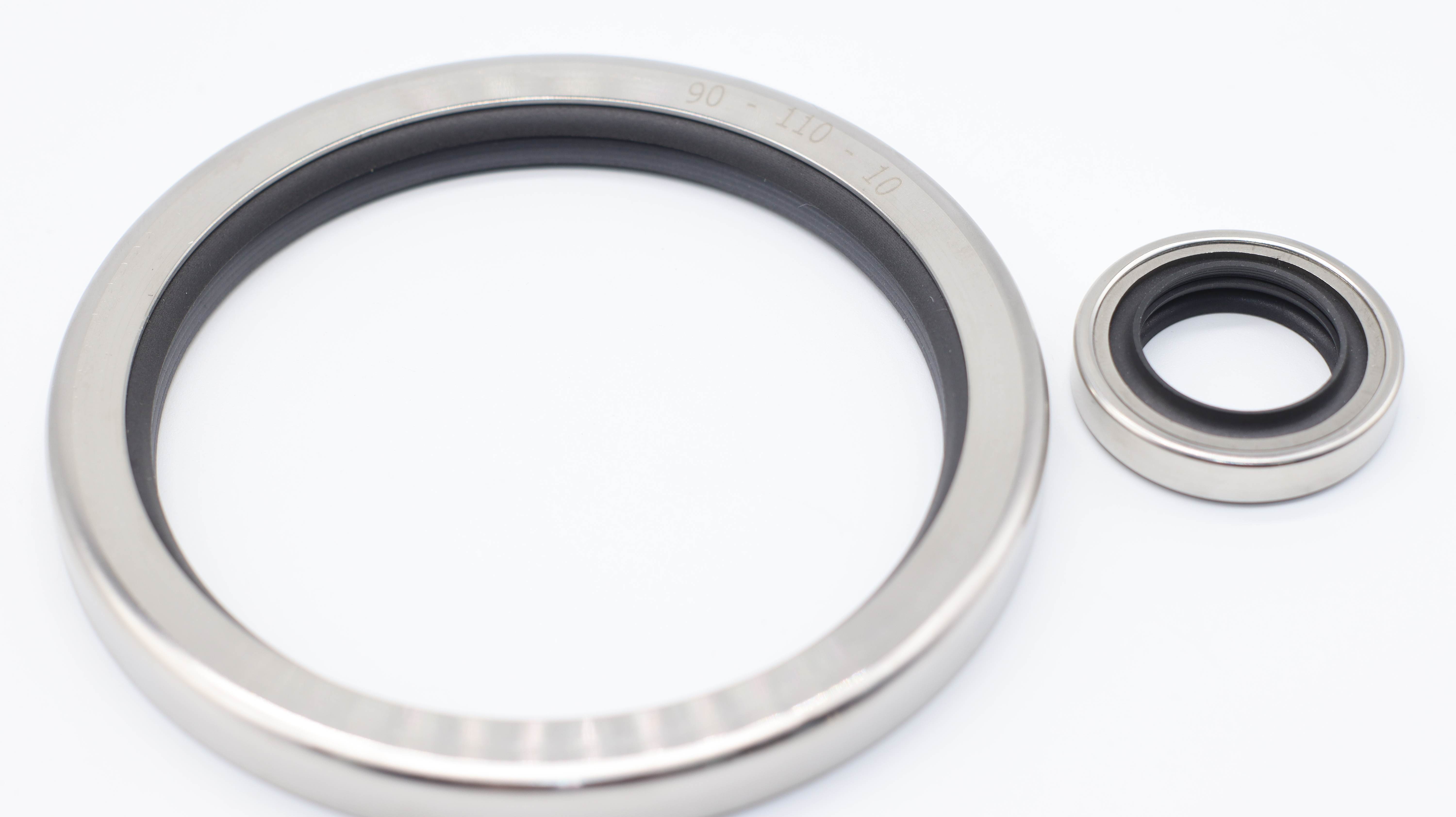
This selection guide focuses specifically on PTFE rotary lip seal applications in B2B industrial systems. PTFE rotary lip seals offer superior chemical resistance, thermal stability, and durability compared to conventional elastomer seals, making them the preferred choice for demanding applications. Whether you operate in chemical processing, food production, pharmaceutical manufacturing, or heavy equipment maintenance, this guide provides the framework for making informed lip seal procurement decisions.
Understanding PTFE Rotary Lip Seal Design and Function
Core Design Principles of a Rotary Lip Seal
A rotary lip seal operates by maintaining dynamic contact between a flexible lip element and a rotating shaft surface. The lip seal creates a hydrodynamic wedge that pumps fluid back into the reservoir while preventing external contaminants from entering the bearing or lubricated chamber. PTFE rotary lip seal technology enhances this fundamental principle by replacing traditional elastomer materials with polytetrafluoroethylene, which withstands extreme temperatures, aggressive chemical environments, and prolonged exposure to oxidizing agents that would degrade standard rubber lip seals.
The structural composition of a modern lip seal includes the primary sealing lip, a backup ring for pressure distribution, a garter spring to maintain contact force, and a reinforced body that anchors the lip seal into the housing bore. Each component in a rotary lip seal must work in precise coordination to achieve consistent sealing performance. PTFE lip seal designs often incorporate dual-lip configurations or spring-energized variants to provide enhanced protection in bidirectional or high-pressure applications, making material selection and design complexity central to procurement success.
Material Performance Characteristics
PTFE rotary lip seal materials deliver exceptional chemical inertness, making them suitable for contact with petroleum, synthetic oils, coolants, and aggressive solvents that would swell or degrade conventional rubber seals. The lip seal material also exhibits low friction coefficients, which reduces heat generation during shaft rotation and extends seal life in high-speed applications. Temperature performance of a PTFE lip seal ranges typically from minus 20 degrees Celsius to plus 200 degrees Celsius, depending on specific formulation and reinforcement materials used in the lip seal construction.
Beyond chemical and thermal stability, PTFE lip seal materials maintain consistent physical properties even after extended service periods. Unlike elastomer lip seals that harden or degrade over time, PTFE rotary lip seal materials resist permanent set and maintain their original sealing geometry. This material consistency reduces unexpected seal failures and enables procurement teams to establish predictable replacement intervals, critical for industrial maintenance planning and budget forecasting.
Critical Selection Criteria for Industrial Applications
Shaft Speed and Temperature Compatibility
Shaft speed represents one of the most fundamental parameters in lip seal selection. Standard PTFE rotary lip seal designs operate effectively at shaft speeds up to 3000 RPM in standard configurations, though specialized high-speed lip seal variants can function reliably at speeds exceeding 5000 RPM. Each increase in rotational speed generates additional friction and heat within the lip seal contact zone, necessitating consideration of ambient temperature plus frictional heating when evaluating total operating temperature of your sealing application.
Temperature compatibility extends beyond the seal material itself; the lip seal housing and reinforcement materials must also withstand operational extremes. When selecting a rotary lip seal for high-temperature applications, verify that the garter spring material and backup rings maintain their properties throughout the full thermal operating range. PTFE lip seal assemblies designed for elevated temperatures often incorporate specialized stainless steel springs and reinforced backup rings to prevent seal failure due to material degradation in high-temperature zones.
Pressure Conditions and Sealing Direction
Operating pressure conditions determine whether a standard single-lip seal configuration will suffice or whether a dual-lip rotary lip seal becomes necessary. The primary lip within a lip seal design typically withstands pressure differentials up to approximately 0.3 megapascals under normal conditions, though specialized high-pressure lip seal variants can handle substantially higher differentials. When procurement specifications require sealing in pressurized environments, dual-lip configurations or spring-energized lip seal designs become the appropriate selection.
Sealing direction—whether the application requires unidirectional or bidirectional sealing—significantly impacts lip seal geometry and performance. A rotary lip seal designed for pumping fluid in one direction cannot reliably seal when pressure reverses without a corresponding lip seal redesign. Bidirectional applications require either dual-lip seal configurations or advanced lip seal spring geometries that maintain sealing contact regardless of pressure direction, adding complexity and cost to procurement specifications.
Fluid Compatibility and Chemical Environment
While PTFE rotary lip seal materials resist most common industrial fluids, confirming fluid compatibility remains essential before purchase. Some aggressive solvents, halogenated compounds, or specialized process fluids may interact unpredictably with PTFE lip seal components, particularly reinforcement materials or springs. Procurement teams must verify that the specific lip seal formulation matches the chemical composition of fluids in the sealing application, requesting compatibility testing or documentation from seal manufacturers when applications involve non-standard or proprietary process fluids.
The presence of abrasive particles or suspended solids in the sealed fluid significantly impacts lip seal service life. Even robust PTFE rotary lip seal designs eventually wear when exposed to continuous abrasive particle ingestion through inadequate system filtration. When specifying a lip seal for applications with high contamination risk, evaluate whether pre-seal filtration upgrades or contamination control measures will more effectively protect seal life than attempting to specify a more robust lip seal that cannot overcome fundamentally poor system cleanliness.
Implementation Best Practices and Maintenance Integration
Installation and Housing Design Considerations
Proper installation represents a critical factor in lip seal performance that extends far beyond simply purchasing the correct component. The housing bore must maintain tight tolerances and proper surface finish to accommodate the lip seal body without excessive clearance or surface damage during installation. A rotary lip seal installed in an oversized bore will spin rather than maintain positive sealing contact, causing immediate failure regardless of material quality or design sophistication. Procurement specifications should therefore include housing bore tolerances and surface finish requirements alongside lip seal component specifications.
The shaft surface finishing characteristics prove equally important as housing bore preparation. When specifying a lip seal for critical applications, include shaft surface finish requirements in procurement documentation. A properly finished shaft surface, typically between Ra 0.4 and Ra 0.8 micrometers, provides optimal contact conditions for lip seal lip elements and dramatically extends seal life compared to rough or damaged shaft surfaces.
Preventive Maintenance and Replacement Strategy
Integration of lip seal maintenance into equipment preventive maintenance schedules represents sound procurement strategy for industrial operations. Rather than waiting for seal failure and experiencing emergency downtime, scheduled lip seal replacement at predetermined intervals minimizes unexpected equipment interruptions. PTFE rotary lip seal performance data and expected service life calculations enable procurement teams to establish replacement intervals aligned with equipment maintenance cycles, reducing total cost of ownership and improving operational reliability.
Condition monitoring systems can detect lip seal degradation before catastrophic failure occurs. Temperature sensors monitoring bearing temperatures, vibration analysis detecting changes in seal friction characteristics, and fluid analysis detecting seal material wear debris all provide early warning that lip seal replacement should be scheduled. When selecting a rotary lip seal for mission-critical applications, specify seal designs compatible with condition monitoring technologies rather than purely reactive failure-based replacement strategies.
FAQ
What factors distinguish PTFE rotary lip seals from standard elastomer lip seal alternatives?
PTFE rotary lip seal materials offer superior chemical resistance, broader temperature operating ranges from minus 20 to plus 200 degrees Celsius, lower friction coefficients, and exceptional resistance to permanent set compared to conventional elastomer lip seals. While standard rubber lip seals typically operate safely only with mineral oils and water-based fluids, PTFE lip seal materials remain stable in contact with aggressive solvents, aggressive coolants, and synthetic fluids. The trade-off is that PTFE rotary lip seal designs typically cost more initially, but this investment recovers quickly through extended service intervals and reduced emergency maintenance in demanding applications.
How do you determine the correct shaft speed rating when selecting an industrial rotary lip seal?
Most standard PTFE rotary lip seal designs carry maximum shaft speed ratings between 2500 and 3000 RPM under typical operating conditions. You must verify the specific speed rating from manufacturer documentation, as specialized high-speed lip seal variants exist for applications exceeding 5000 RPM. The lip seal speed rating assumes normal ambient temperatures; when your application combines high shaft speed with elevated operating temperatures, the effective speed capability of the lip seal may decrease. Always consult with manufacturers about speed derating factors when operating conditions approach published limits.
Can a single-lip seal configuration handle pressurized sealing applications in industrial equipment?
Standard single-lip seal designs typically handle pressure differentials up to approximately 0.3 megapascals reliably. Beyond this threshold, pressure forces may overcome the lip contact force maintained by the garter spring, causing loss of sealing contact and fluid leakage. For pressurized applications exceeding 0.3 megapascals, procurement should specify dual-lip rotary lip seal configurations or advanced spring-energized lip seal variants specifically designed for high-pressure service. The backup lip in a dual-lip rotary lip seal assembly protects the primary sealing lip from excessive pressure loading while maintaining hydrodynamic pumping action.