
 EN
EN
In cleanroom and contamination-controlled systems, the performance of a lip seal directly determines product quality, equipment reliability, and operational efficiency. A lip seal serves as the critical barrier between the external environment and sensitive internal components, preventing particulates, moisture, and contaminants from compromising precision manufacturing processes. The selection and maintenance of the right lip seal technology can mean the difference between consistent production and costly failures in pharmaceutical, semiconductor, and biotechnology applications.
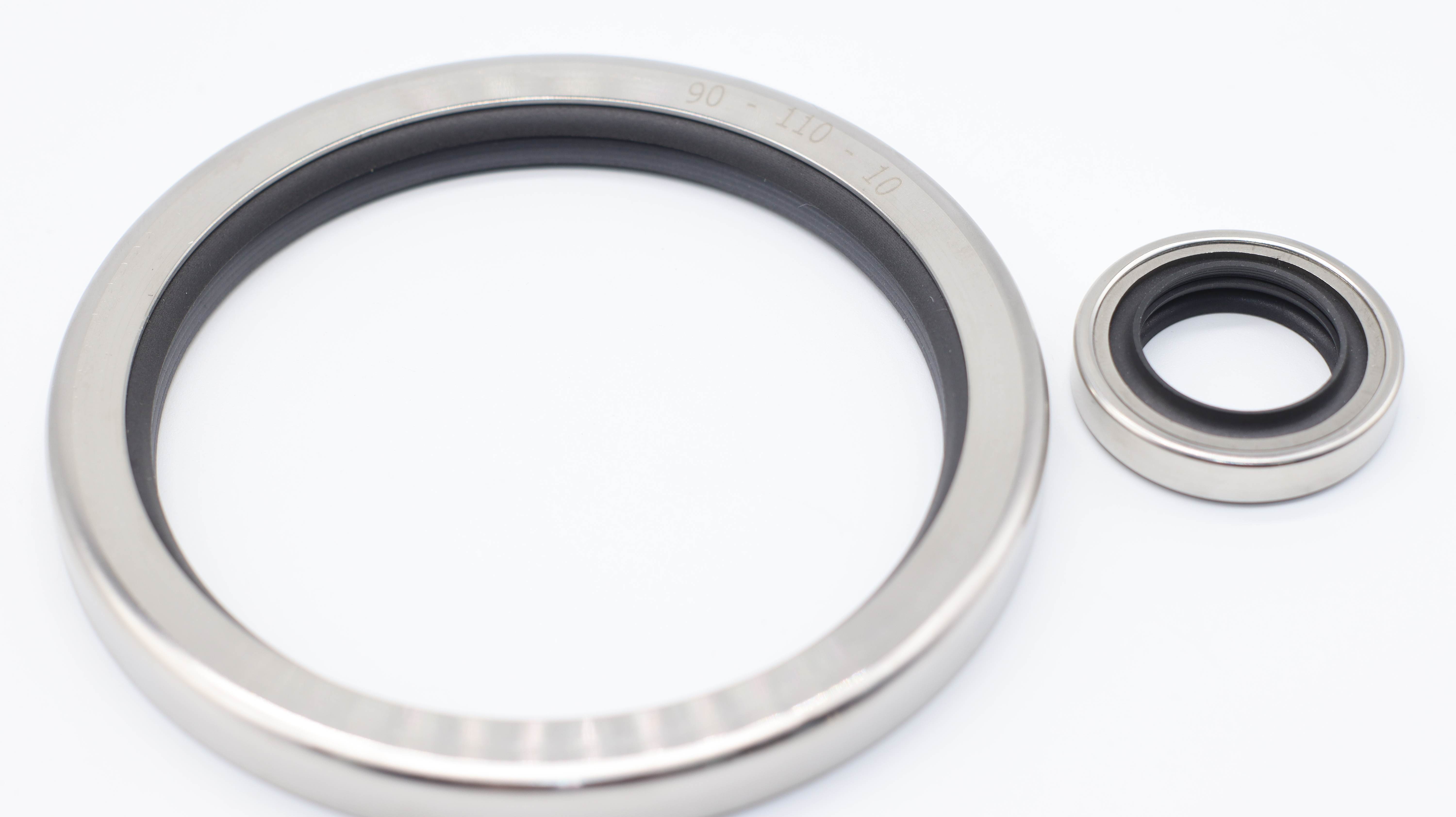
PTFE rotary lip seal technology has become the industry standard for demanding cleanroom applications because of its exceptional chemical resistance, low friction characteristics, and minimal particulate generation. Unlike traditional elastomer seals, a PTFE lip seal maintains dimensional stability across extreme temperature ranges while delivering superior contamination control. Understanding how a lip seal performs under real-world cleanroom conditions enables manufacturers to optimize equipment design, reduce maintenance downtime, and protect product integrity throughout the production cycle.
The Role of Lip Seal Design in Cleanroom Contamination Control
How Lip Seal Geometry Prevents Particle Ingress
A lip seal's effectiveness in cleanroom environments depends fundamentally on its geometric design and the precision of its contact surface. The lip seal geometry must create a consistent, low-pressure contact line that removes contaminants without generating heat or wear debris. The dual-lip configuration commonly used in advanced lip seal designs allows one surface to actively wipe away particles while the second lip maintains a secondary seal, creating redundancy that is essential for contamination-critical applications. When a lip seal is properly engineered, it operates at micro-level contact pressures that prevent particle breakthrough while minimizing friction and heat generation that could otherwise introduce secondary contamination.
Material Selection and Lip Seal Performance Standards
PTFE-based formulations represent the optimal material choice for a lip seal intended for cleanroom duty because PTFE exhibits inherently low surface energy and minimal outgassing. A PTFE lip seal generates virtually no organic volatiles or particulates that could contaminate sensitive processes, making it the preferred option in ISO Class 5 and ISO Class 6 cleanroom environments. The material composition of a lip seal directly influences its ability to maintain sealing integrity over extended operating windows, resist degradation from common cleanroom sterilization protocols, and accommodate the rapid thermal cycling typical of pharmaceutical and biotechnology manufacturing. Selecting a lip seal with the appropriate PTFE blend ensures long-term performance reliability and reduces the risk of unplanned seal failures that disrupt production schedules.
Performance Characteristics of PTFE Rotary Lip Seal Systems
Friction Reduction and Operating Efficiency
One of the defining advantages of a PTFE lip seal in cleanroom applications is its inherently low coefficient of friction, which translates directly into reduced torque requirements and lower operating temperatures. When a lip seal operates with minimal friction, the equipment motor experiences reduced load, energy consumption decreases, and waste heat generation is minimized. This low-friction characteristic is particularly valuable in applications where the rotating shaft or component must maintain precise speed control, such as in pharmaceutical filling equipment or semiconductor processing tools. A properly designed PTFE lip seal can reduce friction by 40 to 60 percent compared to traditional rubber seals, enabling equipment operators to extend maintenance intervals and improve overall system reliability. The thermal stability of a lip seal directly correlates with its ability to maintain dimensional accuracy and preserve the critical contact geometry that prevents contamination ingress.
Chemical Compatibility and Cleanroom Environment Exposure
Cleanroom environments frequently employ aggressive sterilization agents, disinfectants, and process chemicals that can degrade conventional sealing materials. A PTFE lip seal demonstrates exceptional chemical inertness, resisting attack from alcohols, hydrogen peroxide vapor, glutaraldehyde, and other common cleanroom sterilants that would compromise elastomer-based seals. The chemical compatibility profile of a lip seal must encompass not only direct contact with cleaning agents but also resistance to airborne chemical residues and the cumulative effects of repeated sanitization cycles. PTFE's resistance to both oxidative and reductive chemical environments ensures that a lip seal maintains its performance characteristics across the full range of sterilization protocols used in regulated manufacturing facilities. This chemical stability means that a lip seal can complete thousands of operational cycles without degradation, swelling, or loss of sealing integrity that would otherwise necessitate frequent replacement and production interruptions.
Implementation and Maintenance Strategies for Lip Seal Optimization
Installation Best Practices to Maximize Lip Seal Longevity
Proper installation of a lip seal is essential to achieving the performance benefits that PTFE technology offers in cleanroom applications. The lip seal must be installed with precision to ensure that the sealing surface maintains consistent contact with the rotating shaft or component, with improper installation introducing edge loading or misalignment that dramatically reduces seal life. Cleanroom equipment operators should verify that the lip seal gland dimensions meet or exceed the original equipment manufacturer specifications, and that installation tooling does not damage the critical sealing lip during assembly. The shaft surface finish where the lip seal makes contact must be smooth and free from defects, as roughness or scoring will accelerate wear and compromise the contamination barrier. Following these installation protocols ensures that a lip seal delivers its designed operating life, typically ranging from 12 to 36 months depending on rotational speed, operating temperature, and environmental conditions.
Predictive Maintenance and Performance Monitoring
Modern cleanroom facilities increasingly employ predictive maintenance strategies that monitor lip seal performance before failure occurs, preventing unexpected downtime and contamination events. Temperature monitoring at the lip seal location provides early warning of friction increases or improper sealing geometry that precedes catastrophic failure. Airborne particle counts measured downstream of the sealed component can reveal early-stage lip seal degradation before particles reach sensitive manufacturing areas. Equipment operators should establish baseline performance metrics for lip seal temperature, torque requirements, and particle shedding rates, then track deviations that indicate the seal is approaching end-of-life. Scheduled lip seal replacement during planned maintenance windows, rather than reactive replacement after failure, protects product quality and maintains production schedules. Regular visual inspection of the lip seal housing for signs of extrusion, scoring, or leakage provides additional confirmation that seal performance remains within acceptable parameters for cleanroom duty.
FAQ
What distinguishes a PTFE rotary lip seal from conventional elastomer seals in cleanroom applications?
A PTFE rotary lip seal offers superior chemical resistance, minimal particulate generation, lower friction, and exceptional thermal stability compared to elastomer alternatives. Unlike rubber seals that can outgas, swell, or degrade in response to sterilization chemicals, a lip seal maintains consistent dimensional stability and sealing performance throughout extended service life in contamination-controlled environments. The PTFE material composition ensures that a lip seal does not introduce organic volatiles or secondary particles that would compromise cleanroom air quality or product integrity.
How often should a lip seal be replaced in a typical cleanroom manufacturing facility?
The replacement interval for a lip seal depends on rotational speed, operating temperature, shaft surface condition, and the specific cleanroom application. In pharmaceutical and semiconductor equipment operating at moderate speeds and temperatures, a lip seal typically remains effective for 12 to 36 months before replacement is recommended. Predictive maintenance monitoring can extend this interval by identifying optimal replacement timing before seal degradation compromises contamination control, whereas reactive replacement after failure introduces unplanned downtime and potential product contamination.
Can a lip seal be retrofitted into existing cleanroom equipment that currently uses traditional seals?
Retrofitting a PTFE rotary lip seal into existing equipment is generally feasible if the gland design and shaft dimensions are compatible with modern lip seal specifications. Before retrofitting, verify that the original equipment design can accommodate the lower friction and heat generation characteristics of a PTFE lip seal, as some equipment may require minor adjustments to motor load settings or cooling systems. Consulting with the equipment manufacturer or a qualified lip seal supplier ensures that retrofitted seals meet cleanroom performance requirements and maintain compliance with regulatory and quality standards.