
 EN
EN
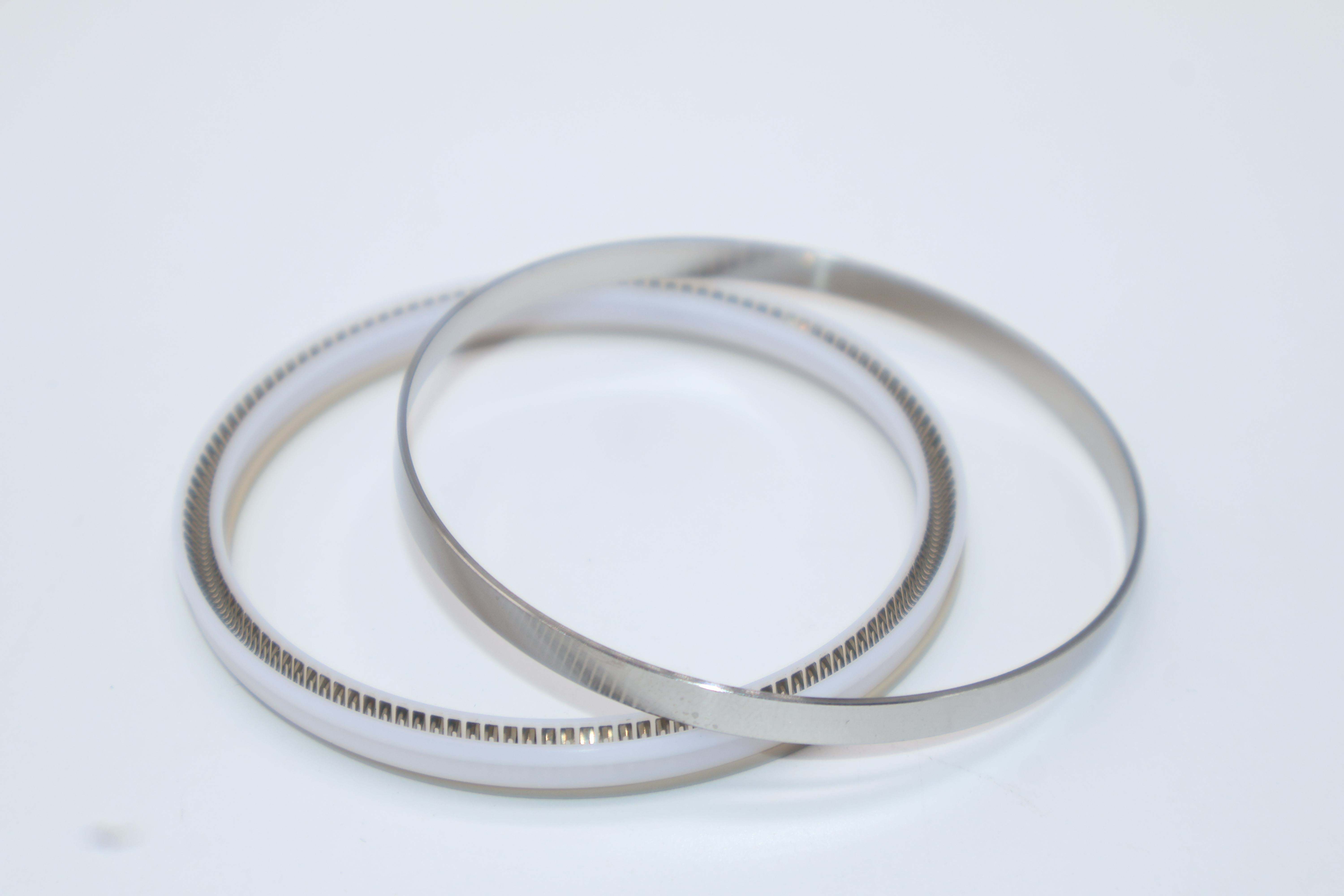
In any dynamic system where shafts rotate continuously, the performance of a PTFE rotary lip seal depends directly on its ability to maintain low friction at the sealing interface. A PTFE rotary lip seal that generates excessive friction will degrade rapidly, transfer heat into surrounding components, and ultimately fail before its rated service life. Understanding why low friction is not simply a desirable feature but a functional necessity helps engineers and procurement teams make better decisions when specifying seals for demanding applications.
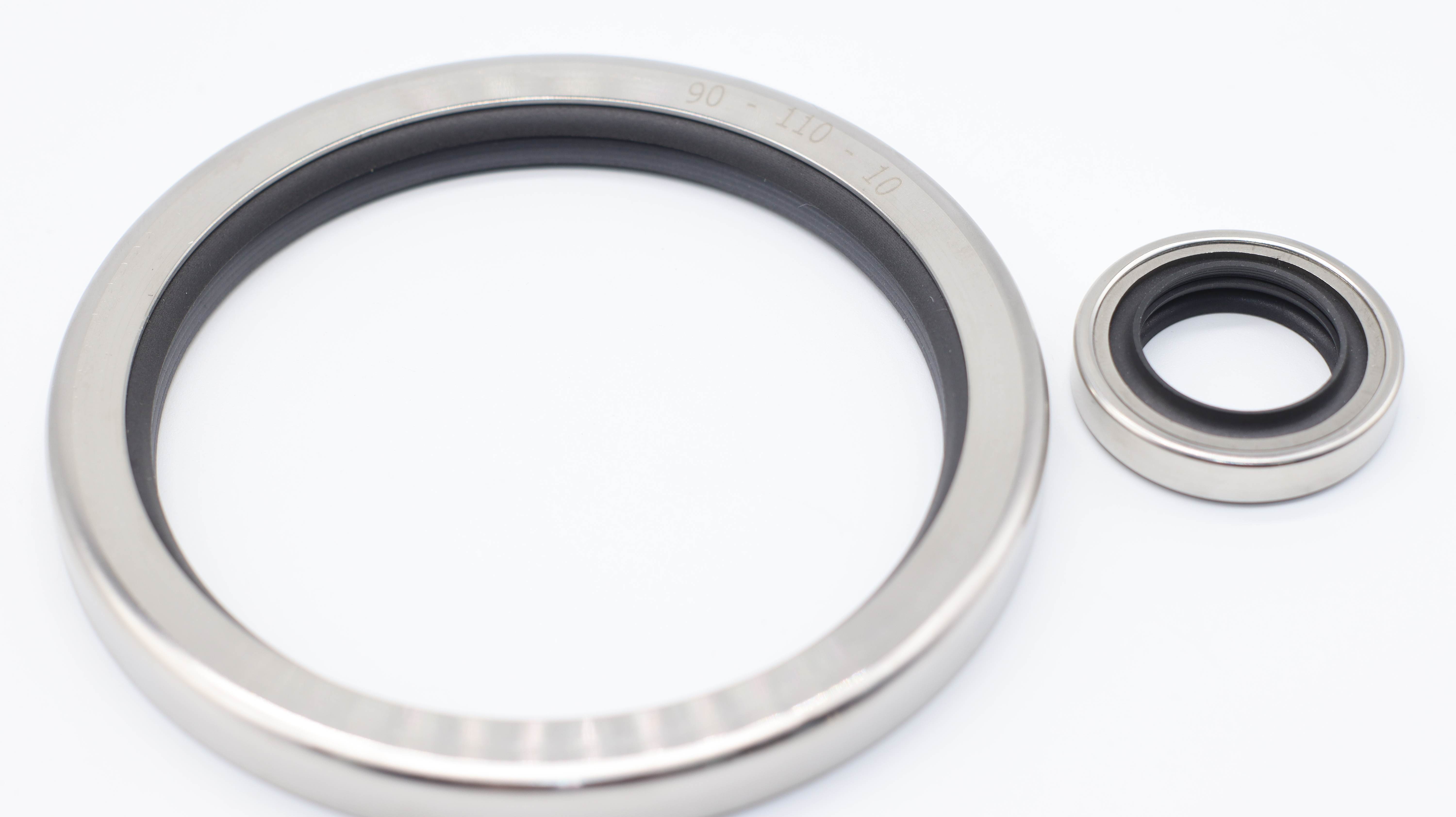
The PTFE rotary lip seal is designed to create a controlled contact zone between the seal lip and the rotating shaft. Because PTFE — polytetrafluoroethylene — has one of the lowest coefficients of friction among engineering materials, a PTFE rotary lip seal is uniquely suited to sustaining reliable sealing contact without generating destructive heat or torque. This material advantage is central to every performance benefit that makes the PTFE rotary lip seal a preferred choice in dynamic sealing systems across industrial, automotive, and fluid-handling sectors.
The Role of Friction in Dynamic Sealing Systems
How Friction Affects PTFE Rotary Lip Seal Integrity
Every PTFE rotary lip seal operates under continuous mechanical stress as the shaft rotates beneath the seal lip. Even marginal increases in friction at this contact point can initiate a cycle of thermal buildup, material fatigue, and dimensional distortion. A well-engineered PTFE rotary lip seal manages this contact precisely, distributing pressure evenly along the lip profile so that friction remains consistently low. When friction rises beyond acceptable levels, the PTFE rotary lip seal begins to lose its geometry, and the sealing function deteriorates as a result. This makes friction management the single most important variable in extending the service life of any PTFE rotary lip seal used in rotary applications.
Shaft Speed and Its Impact on the PTFE Rotary Lip Seal
As shaft rotational speed increases, the frictional demand placed on a PTFE rotary lip seal intensifies proportionally. Higher peripheral velocity means more heat generated per unit time, and without the natural low-friction properties of PTFE, a conventional elastomeric seal would fail within a short operating period. The PTFE rotary lip seal handles elevated shaft speeds more effectively because the material itself resists adhesion to metal surfaces, reducing the energy consumed at the sealing interface. In systems operating at speeds above 3,000 RPM, specifying a PTFE rotary lip seal rather than a standard rubber lip seal is not a preference — it is a technical requirement driven by friction physics.
Why PTFE Material Properties Enable Low-Friction Sealing
Surface Characteristics That Reduce Seal Friction
The performance of a PTFE rotary lip seal stems from the molecular structure of PTFE itself. The fluorine atoms surrounding the carbon backbone of PTFE create a surface that resists bonding with virtually all other materials, including hardened steel shafts. This non-stick characteristic means that a PTFE rotary lip seal does not 'grab' the shaft surface during rotation, keeping friction values remarkably low even under sustained load. Compared to nitrile or silicone lip seals, a PTFE rotary lip seal produces a fraction of the frictional torque, which directly reduces power consumption in motor-driven systems and protects shaft surface finishes over long operational cycles.
Thermal Stability and Its Contribution to PTFE Rotary Lip Seal Performance
Low friction and thermal stability are deeply connected in the context of PTFE rotary lip seal design. Because the PTFE rotary lip seal generates minimal heat at the contact zone, the operating temperature of the seal and the adjacent shaft remains within safe limits. PTFE retains its mechanical properties across a wide temperature range, which means a PTFE rotary lip seal does not soften, harden, or swell under thermal cycling the way elastomeric seals do. This dimensional stability reinforces the low-friction characteristic over time, allowing the PTFE rotary lip seal to sustain its designed contact pressure without requiring frequent adjustment or replacement. Systems that operate across broad temperature ranges — from cryogenic to elevated industrial temperatures — benefit greatly from this behavior of the PTFE rotary lip seal.
Practical Implications for System Design and Maintenance
Selecting the Right PTFE Rotary Lip Seal for Your System
Choosing the correct PTFE rotary lip seal geometry and lip design is critical when integrating this component into a dynamic system. The lip contact angle of a PTFE rotary lip seal determines how much radial force presses against the shaft, which in turn controls both sealing effectiveness and friction generation. An overly aggressive lip profile on a PTFE rotary lip seal will increase friction unnecessarily and reduce service life. A well-balanced PTFE rotary lip seal design maintains the minimum contact pressure needed to prevent fluid leakage while keeping frictional torque as low as possible. Engineers should also evaluate shaft surface finish carefully, since a PTFE rotary lip seal performs best when the mating shaft surface meets the recommended roughness specification.
Maintenance and Inspection Considerations for PTFE Rotary Lip Seals
Because the PTFE rotary lip seal generates low friction by nature, it often operates invisibly without causing the warning signs — heat, vibration, or noise — that typically signal seal distress in other seal types. This silent performance can make it easy to overlook inspection intervals. Maintenance teams should still monitor the PTFE rotary lip seal periodically for lip wear, shaft scoring, or evidence of fluid leakage, since even a low-friction PTFE rotary lip seal will eventually reach the end of its service life. Replacing a PTFE rotary lip seal at the correct interval prevents contamination ingress and preserves system efficiency. Proactive maintenance of the PTFE rotary lip seal also avoids the secondary damage to bearings and shaft surfaces that a failed seal can cause.
FAQ
What makes a PTFE rotary lip seal better than a rubber lip seal in high-speed applications?
A PTFE rotary lip seal produces significantly lower friction than a rubber lip seal at high rotational speeds. The low-friction surface of the PTFE rotary lip seal reduces heat generation, protects the shaft surface, and extends seal life in applications where a rubber seal would overheat and fail prematurely.
Can a PTFE rotary lip seal handle both dry and lubricated running conditions?
Yes, a PTFE rotary lip seal is one of the few seal types capable of running dry without rapid deterioration. The natural non-stick and low-friction properties of the PTFE rotary lip seal allow it to function against a shaft surface with minimal lubrication, making it highly versatile for systems where consistent lubrication cannot be guaranteed.
How does lip contact pressure influence PTFE rotary lip seal performance?
Lip contact pressure is a critical design variable for any PTFE rotary lip seal. Too much radial force increases friction and accelerates wear on both the PTFE rotary lip seal and the shaft. Too little contact pressure allows fluid to bypass the PTFE rotary lip seal, compromising the system seal. The correct balance ensures the PTFE rotary lip seal achieves its intended low-friction, long-life performance.