
 EN
EN
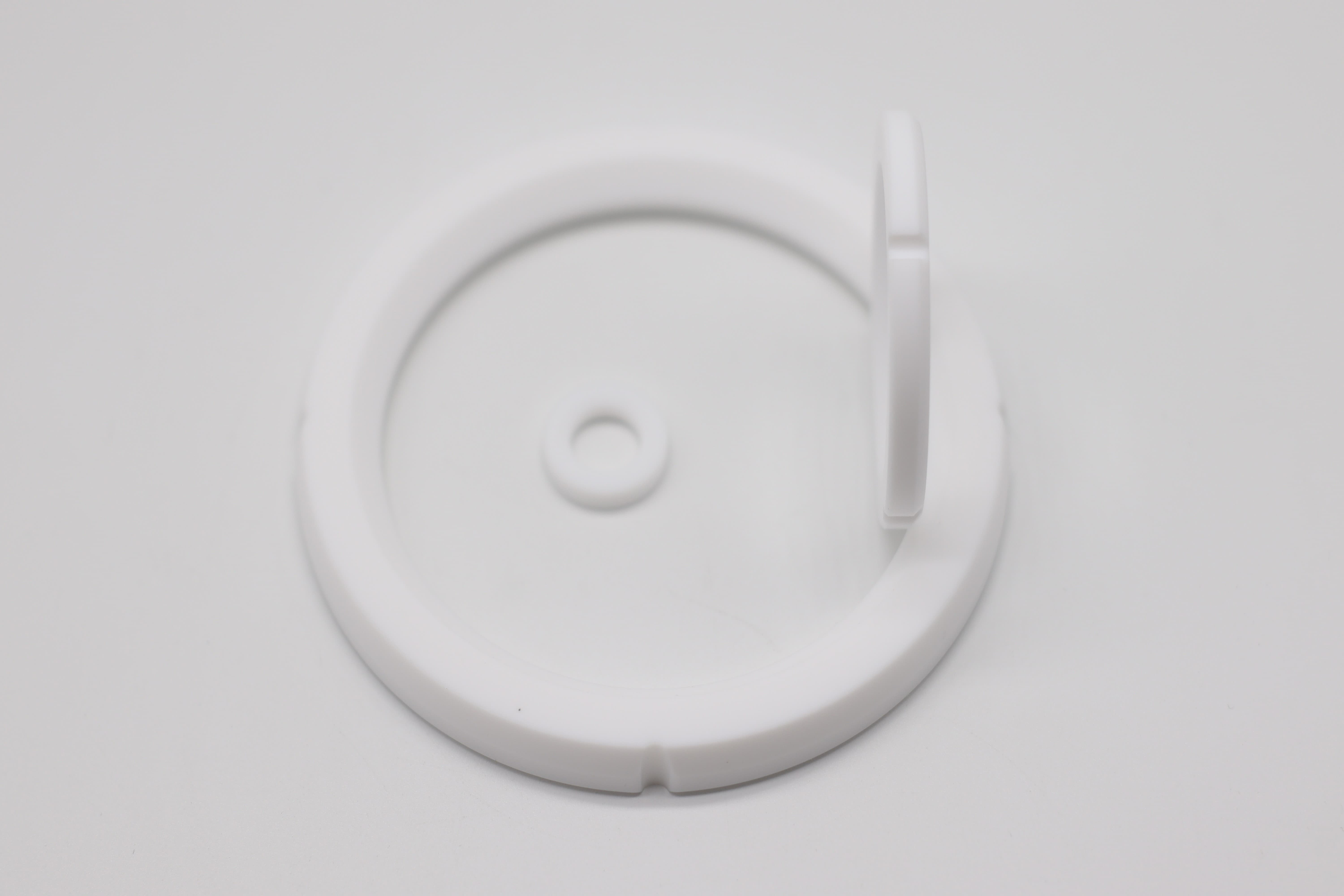
In demanding industrial environments, the integrity of mechanical systems depends heavily on the quality of sealing solutions deployed across equipment and infrastructure. Whether managing fluid containment, pressure retention, or vibration resistance, sealing solutions play a foundational role in keeping operations running safely and efficiently. Without reliable sealing solutions, even well-engineered systems can suffer costly failures, unplanned downtime, and safety hazards that affect both workers and assets.
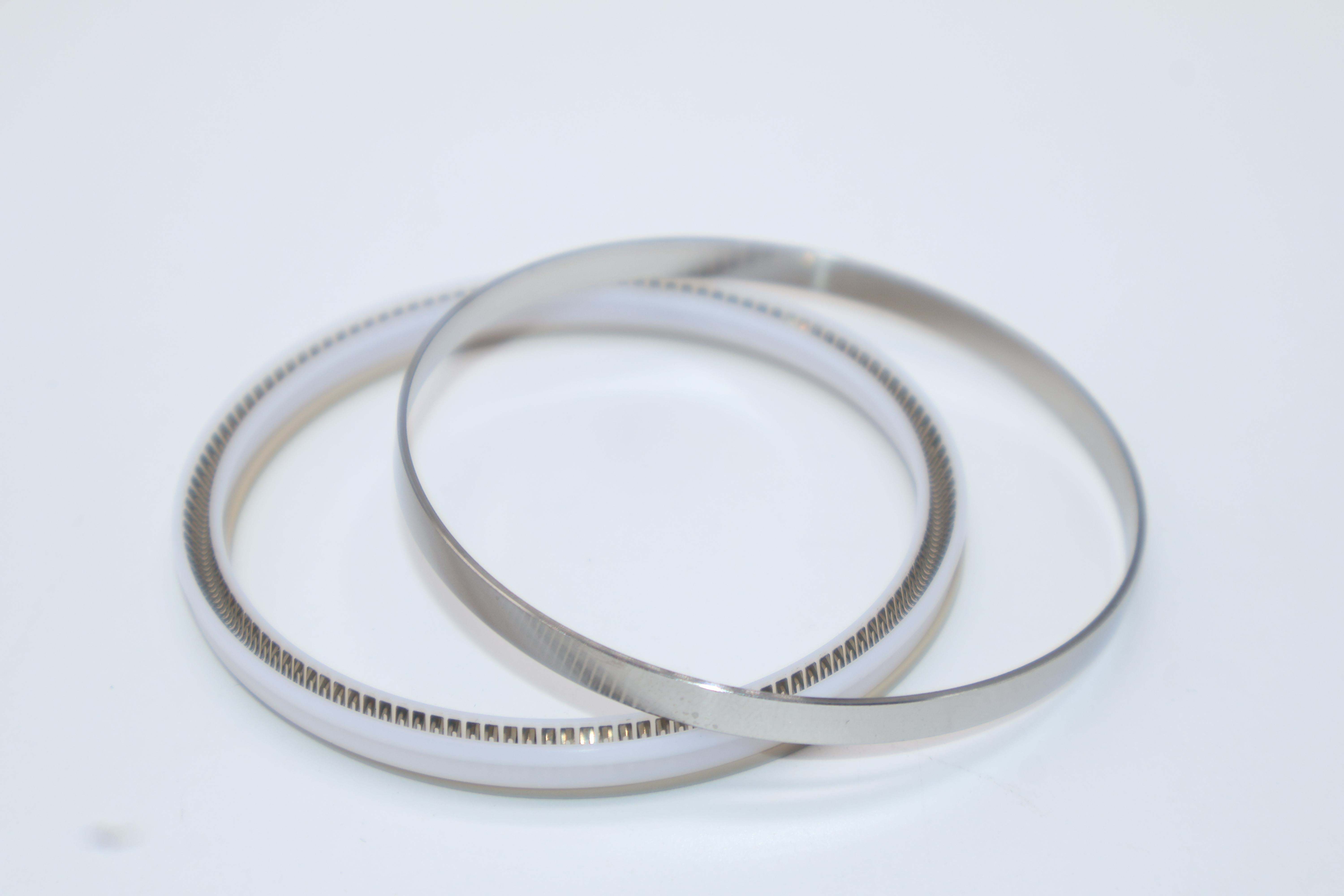
Selecting and applying the right sealing solutions requires a clear understanding of operating conditions, material compatibility, and long-term performance expectations. Industrial buyers and engineers must evaluate sealing solutions not just by initial cost, but by their ability to maintain performance under thermal stress, chemical exposure, and mechanical movement. This article explores the key dimensions of sealing solutions that matter most in real industrial contexts, helping decision-makers choose and implement them with confidence.
Core Functions of Sealing Solutions in Industry
Fluid and Gas Containment
The most fundamental purpose of sealing solutions is to prevent unwanted fluid or gas migration between connected components. In pipelines, hydraulic systems, and process equipment, sealing solutions must maintain a reliable barrier under both static and dynamic conditions. When sealing solutions fail in fluid containment roles, leaks can cause environmental damage, product loss, and dangerous pressure buildups that compromise entire systems.
High-performance sealing solutions for fluid containment are typically engineered from elastomers, PTFE composites, or metallic materials depending on the medium being sealed. Choosing sealing solutions suited to the specific fluid chemistry is critical, as incompatible materials degrade quickly, leading to seal failure at unpredictable intervals. Proper sealing solutions in this role reduce maintenance frequency and extend equipment service life significantly.
Vibration and Movement Compensation
Industrial machinery generates constant vibration and mechanical movement that can loosen connections and create gaps over time. Sealing solutions designed for dynamic environments must accommodate this movement without losing their sealing integrity. Flexible sealing solutions, such as lip seals and rotary shaft seals, are specifically engineered to maintain contact pressure while allowing controlled motion between mating surfaces.
Without sealing solutions that can absorb and compensate for mechanical movement, equipment joints and bearing housings become vulnerable entry points for contamination. Effective sealing solutions in these applications protect lubrication systems, reduce abrasive wear, and extend the operational lifespan of rotating components. The right sealing solutions here directly translate into lower maintenance costs and improved machine reliability.
Material Selection for Effective Sealing Solutions
Elastomeric and Polymer-Based Sealing Solutions
Elastomeric sealing solutions remain among the most widely used in industrial settings due to their flexibility, cost efficiency, and broad chemical resistance range. Materials such as nitrile rubber, EPDM, silicone, and fluoroelastomer each offer distinct advantages for sealing solutions applied in specific temperature and chemical exposure conditions. Selecting the right elastomeric sealing solutions requires careful matching between the compound properties and the actual service environment.
Polymer-based sealing solutions, particularly those using PTFE or UHMWPE, extend the application range of sealing solutions into aggressive chemical environments where standard elastomers would rapidly deteriorate. These sealing solutions are favored in chemical processing, pharmaceutical manufacturing, and food production industries where both chemical resistance and hygiene standards are paramount. Investing in advanced polymer sealing solutions reduces replacement cycles and minimizes contamination risks over the long term.
Metallic and Composite Sealing Solutions
For extreme pressure and temperature applications, metallic sealing solutions provide the durability and rigidity that polymer-based sealing solutions cannot match. Spiral wound gaskets, ring joint gaskets, and metal O-rings are examples of sealing solutions engineered for high-integrity flange connections in oil and gas, power generation, and heavy process industries. These sealing solutions offer a high level of reliability even when exposed to hydrogen sulfide, steam, or extreme thermal cycling.
Composite sealing solutions combine metallic cores with soft-face materials to deliver both sealing conformability and structural strength. These sealing solutions are especially valuable in bolted flange assemblies where surface finish irregularities must be accommodated. When specified correctly, composite sealing solutions outperform both purely metallic and purely soft-material alternatives by balancing resilience with durability under fluctuating load conditions.
Implementation and Maintenance of Sealing Solutions
Correct Installation Practices
Even the highest-quality sealing solutions will underperform if installation practices are not followed precisely. Common installation errors include improper surface preparation, uneven bolt torquing, and the use of incompatible lubricants that degrade sealing solutions over time. Industrial teams responsible for installing sealing solutions must follow manufacturer specifications carefully and use calibrated torque tools to achieve consistent compression across the sealing interface.
Training maintenance personnel on the proper handling and installation of sealing solutions is a worthwhile investment that directly reduces failure rates. Sealing solutions that are twisted, stretched, or contaminated during installation lose their dimensional integrity and cannot perform to specification. A disciplined installation protocol for sealing solutions prevents premature failure and ensures that performance guarantees remain valid throughout the intended service period.
Inspection and Replacement Cycles
Proactive inspection programs help organizations identify sealing solutions that are approaching the end of their service life before failure occurs. Visual inspection, leak detection testing, and compression set measurements are practical methods for assessing whether sealing solutions still meet performance requirements. Establishing clear replacement intervals for sealing solutions based on operating conditions, rather than calendar time alone, leads to more cost-effective and reliable maintenance outcomes.
Maintaining an inventory of critical sealing solutions ensures that replacements are available when inspections reveal degradation. Delays in replacing worn sealing solutions can escalate into major equipment failures that are far more costly than the sealing solutions themselves. Organizations that treat sealing solutions as a strategic maintenance priority consistently achieve better uptime, lower repair costs, and improved overall equipment effectiveness.
FAQ
What industries rely most heavily on sealing solutions?
Sealing solutions are critical across oil and gas, chemical processing, food and beverage, pharmaceutical manufacturing, power generation, and heavy machinery industries. Each of these sectors depends on sealing solutions to maintain process integrity, prevent contamination, and ensure worker safety under demanding operating conditions.
How often should industrial sealing solutions be replaced?
Replacement intervals for sealing solutions depend on the specific application, operating temperature, chemical exposure, and mechanical load. Rather than following fixed calendar-based schedules, organizations should base sealing solutions replacement decisions on inspection results, performance data, and manufacturer guidance tailored to the actual service environment.
Can sealing solutions be customized for non-standard applications?
Yes, sealing solutions can be engineered and manufactured to meet non-standard dimensions, material requirements, and performance specifications. Custom sealing solutions are commonly developed for specialized industrial equipment where off-the-shelf options do not provide adequate performance, ensuring that unique application requirements are met with precision and reliability.