
 EN
EN
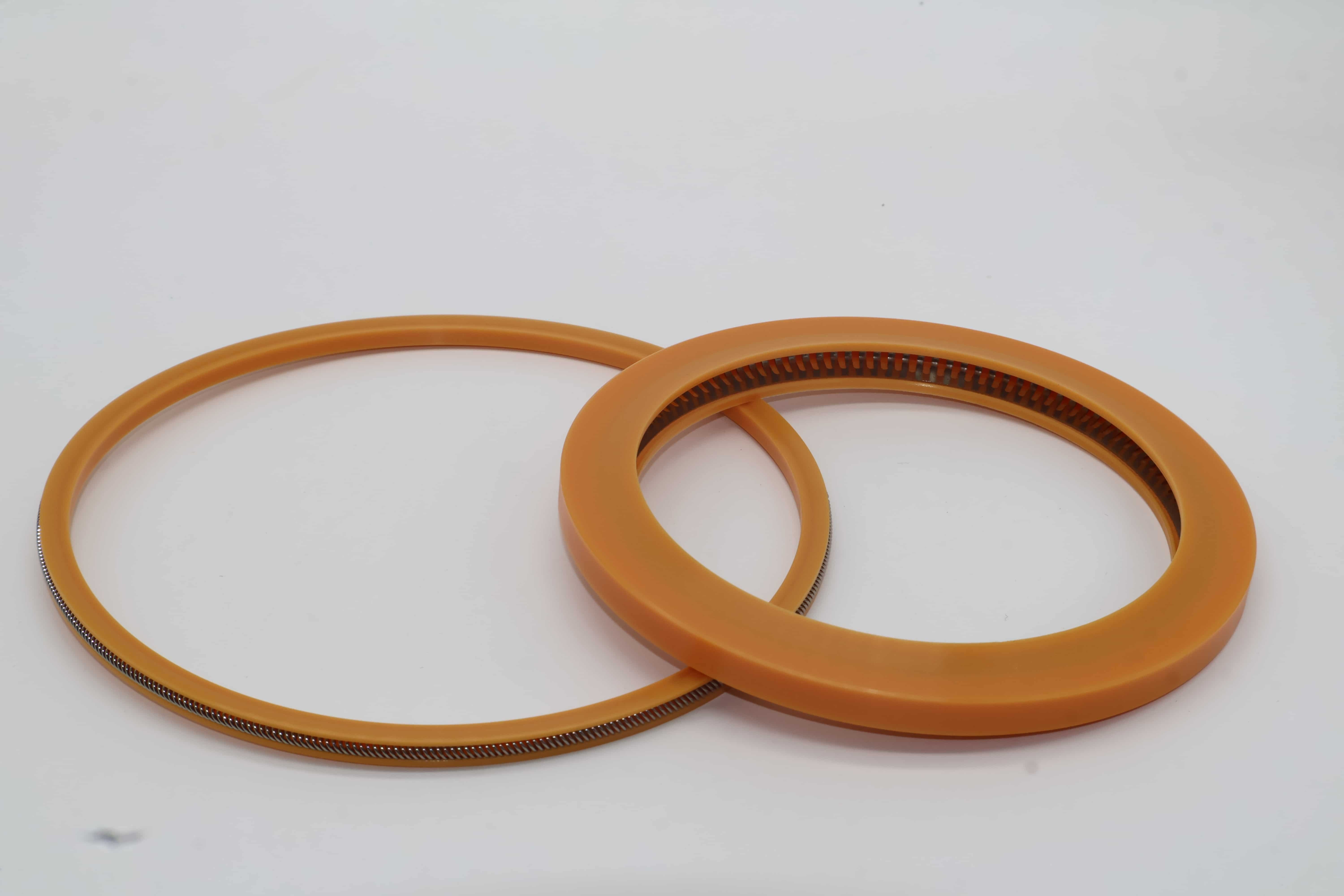
In the demanding world of oil and gas operations, equipment reliability is not optional — it is a core operational requirement. Among the many components that determine whether a system runs safely and efficiently, valve stem seals play a role that is often underestimated until something goes wrong. These seals are responsible for containing pressure, preventing fluid escape, and maintaining the mechanical integrity of gate valves and other critical flow-control equipment. Understanding how valve stem seals function and why they matter is essential for any engineer or procurement professional operating in upstream, midstream, or downstream environments.
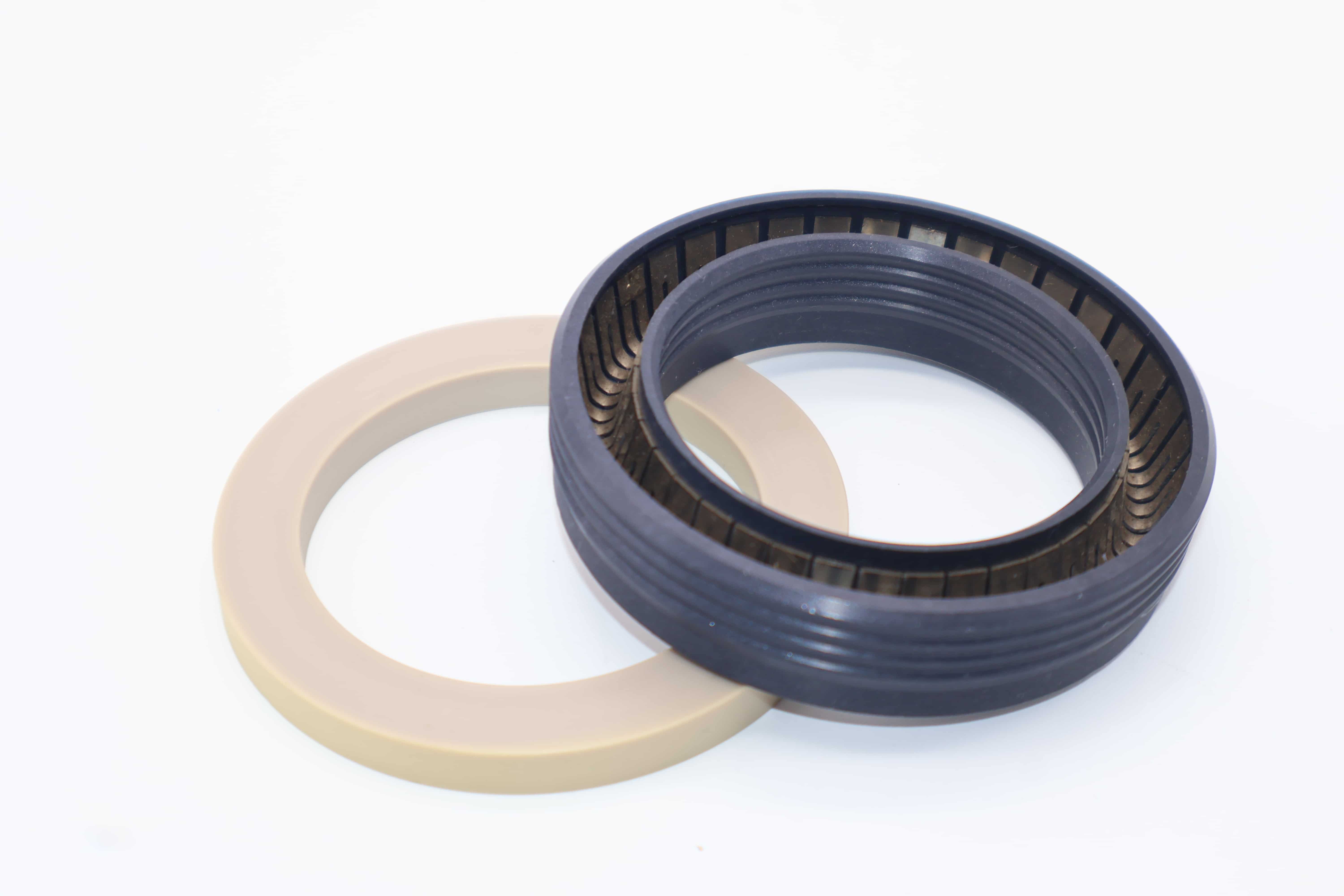
Valve stem seals are precision-engineered components installed around the valve stem to prevent process media — whether gas, crude oil, or chemical fluids — from leaking past the stem into the atmosphere or surrounding environment. In oil and gas applications, where pressures are extreme and fluids are often hazardous, valve stem seals must perform consistently across wide temperature ranges, corrosive conditions, and high-cycle operations. When valve stem seals are properly selected and maintained, they directly contribute to system uptime, safety compliance, and long-term cost control. This article explores exactly how valve stem seals improve reliability across oil and gas applications.
The Reliability Role of Valve Stem Seals in Harsh Environments
How Valve Stem Seals Prevent Fugitive Emissions
One of the most significant ways valve stem seals improve reliability is by controlling fugitive emissions. In oil and gas facilities, any uncontrolled release of hydrocarbons or process gases is both a safety hazard and a regulatory violation. Valve stem seals form a dynamic barrier around the rotating or reciprocating stem, maintaining tight contact even as the valve is cycled repeatedly under load. High-performance valve stem seals made from materials such as PTFE, graphite, or elastomeric composites are specifically engineered to sustain this barrier under fluctuating pressure and thermal cycling. When valve stem seals lose integrity, fugitive emissions increase rapidly, triggering inspections, fines, and unplanned shutdowns.
Valve stem seals that meet API 6A or API 622 standards are particularly well-suited for oil and gas environments because they are tested for leak tightness under conditions that replicate actual field operation. Reliable valve stem seals reduce the frequency of emissions-related events, which translates directly into fewer compliance incidents and more predictable plant performance. Operators who invest in high-specification valve stem seals from the outset spend significantly less on reactive maintenance over the service life of their valve assets.
Stem Seal Performance Under High Pressure and Temperature
Oil and gas systems regularly expose valve stem seals to pressures exceeding 10,000 psi and temperatures that swing between cryogenic lows and process highs. Valve stem seals must accommodate this range without losing their sealing force or deforming in ways that create bypass paths for the process fluid. Engineered valve stem seals use material formulations and geometric profiles specifically optimized for these conditions. For example, PTFE-based valve stem seals offer chemical resistance and low friction, while graphite-based valve stem seals provide thermal stability at elevated temperatures where polymer seals would degrade. Choosing the right valve stem seals for the specific pressure-temperature profile of each application is a foundational reliability decision.
How Valve Stem Seals Reduce Maintenance Costs and Downtime
Extending Valve Service Life with Quality Stem Seals
Valve stem seals that perform reliably over long service intervals protect the valve body, stem surface, and packing chamber from wear and contamination. When valve stem seals degrade prematurely, the stem can experience scoring, corrosion, or dimensional changes that make future sealing even more difficult. This progressive damage often leads to full valve replacement rather than simple seal maintenance. In contrast, durable valve stem seals with proper material selection and installation technique maintain stem surface condition over thousands of operating cycles. Operators who track valve stem seals as a planned maintenance item — replacing them on schedule rather than after failure — report measurably longer intervals between major valve overhauls.
Valve stem seals also protect actuator systems and gearboxes by keeping stem friction within predictable limits. When valve stem seals become over-compressed, worn, or chemically degraded, stem breakout torque increases unpredictably. This excess torque transfers mechanical stress to actuators, often causing premature actuator failures that compound the original sealing problem. Well-maintained valve stem seals therefore protect not only the valve itself but also the broader automation and control infrastructure that depends on smooth, consistent valve movement.
Valve Stem Seals and Unplanned Shutdown Prevention
Unplanned shutdowns in oil and gas operations carry enormous costs — from lost production to emergency labor and regulatory reporting. Valve stem seals are one of the most common root causes of unplanned valve-related shutdowns, particularly in high-cycle or high-pressure service. Specifying valve stem seals with validated performance data, appropriate material grades, and traceable manufacturing quality reduces the probability of unexpected seal failure. When valve stem seals are sourced from suppliers who provide API-compliant testing documentation, maintenance teams can build realistic replacement intervals into their reliability programs, avoiding the surprises that lead to emergency interventions.
Selecting the Right Valve Stem Seals for Oil and Gas Reliability
Material and Geometry Considerations for Stem Seals
The reliability benefit of valve stem seals depends heavily on matching material and geometry to the application. Valve stem seals for sour gas service, for example, must resist hydrogen sulfide attack, which eliminates many standard elastomer options and requires the use of NACE-compliant materials. Valve stem seals in cryogenic LNG service require materials that remain flexible at very low temperatures without losing sealing contact force. Profile geometry also matters: valve stem seals with energized lips or spring-loaded designs maintain consistent contact pressure as the stem moves, compensating for minor wear over time. Engineers who specify valve stem seals based on a complete application profile — including fluid chemistry, pressure, temperature, and cycle frequency — consistently achieve better long-term reliability outcomes than those who select seals based on cost alone.
API 6A Compliance and Valve Stem Seal Quality Assurance
For oil and gas wellhead and Christmas tree applications, valve stem seals used in API 6A gate valves are subject to strict qualification requirements. API 6A valve stem seals must pass pressure testing, temperature cycling, and dimensional verification as part of the valve assembly qualification. Sourcing valve stem seals that carry full API 6A traceability ensures that the sealing performance of the valve assembly meets the standard's reliability requirements from day one. Valve stem seals with documented test records also simplify compliance audits and support the documentation requirements of ISO and safety management systems commonly used in oil and gas facilities.
FAQ
What materials are most commonly used in valve stem seals for oil and gas service?
Valve stem seals for oil and gas applications are most frequently made from PTFE, flexible graphite, HNBR, FKM, or PEEK-based composites. The selection depends on the specific fluid, pressure, temperature, and chemical environment of the application. Sour gas and high-temperature services often use graphite or PEEK-reinforced valve stem seals for maximum chemical and thermal resistance.
How often should valve stem seals be replaced in oil and gas valves?
Replacement intervals for valve stem seals vary by service severity, cycle frequency, and seal material. In high-cycle or high-pressure applications, valve stem seals may require inspection every one to three years. Many reliability programs use condition-based monitoring — such as fugitive emission testing or torque trending — to determine when valve stem seals need replacement rather than relying solely on fixed time intervals.
Do valve stem seals affect valve actuation performance?
Yes, valve stem seals directly influence valve actuation performance. Correctly installed valve stem seals contribute to predictable breakout and running torque values, which allows actuators to operate within their design parameters. Degraded or incorrectly fitted valve stem seals can increase stem friction significantly, leading to actuator overload, slow response, or incomplete valve travel. Keeping valve stem seals in good condition is therefore important for both sealing integrity and reliable automated valve operation.