
 EN
EN
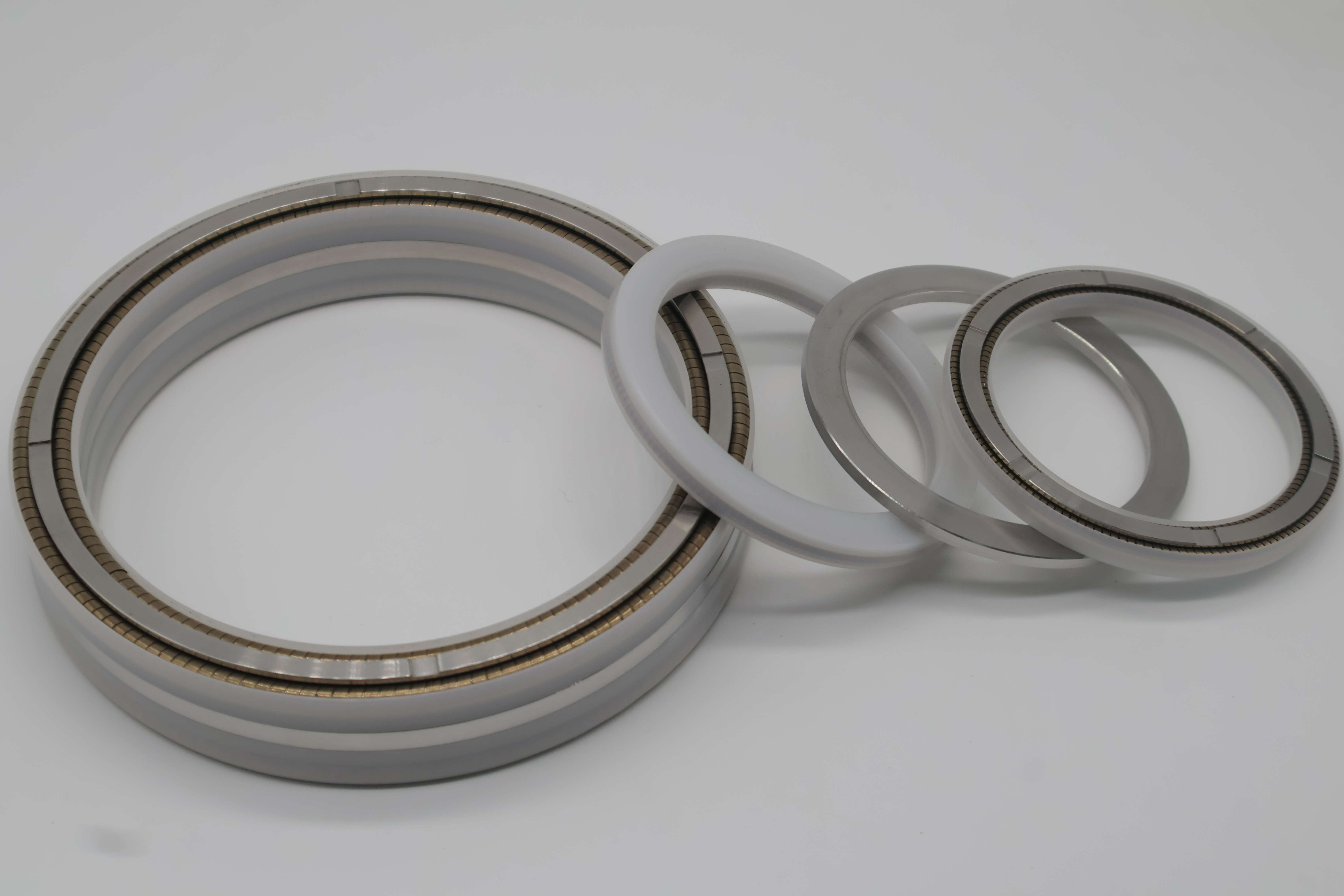
Selecting the right API 6A valve sealing solution is one of the most consequential decisions in upstream oil and gas equipment design. API 6A governs wellhead and Christmas tree equipment, where pressure ratings reach 20,000 psi and service fluids include sour gas, crude oil, and completion chemicals. In this environment, a poorly chosen seal does not simply leak — it creates safety hazards, production shutdowns, and costly remediation. Understanding the core selection criteria for API 6A valve sealing is therefore not optional; it is fundamental to reliable field performance.
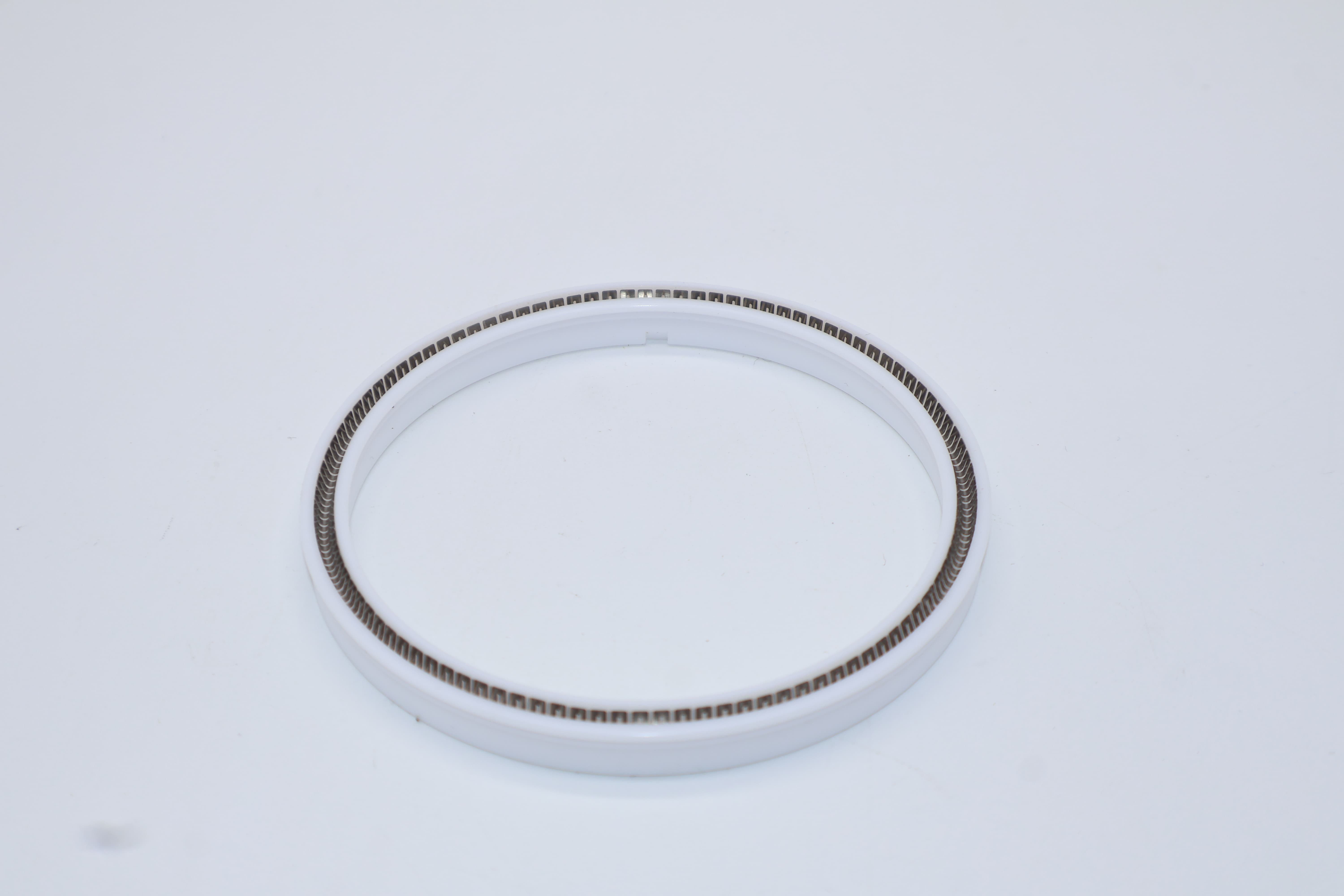
Effective API 6A valve sealing requires matching material properties, geometric design, and pressure-temperature ratings to the exact demands of the valve type and service conditions. Gate valves, ball valves, and check valves each impose distinct mechanical loads and fluid exposure profiles on their sealing elements. This guide walks through the critical selection factors — from material compatibility to standard compliance — so engineers and procurement professionals can make informed, defensible choices for every API 6A valve sealing requirement.
Understanding API 6A Service Conditions and Seal Demands
Pressure, Temperature, and Fluid Exposure in API 6A Valve Sealing
API 6A valve sealing must withstand the most aggressive combinations of pressure and temperature found anywhere in the oilfield. Working pressures under API 6A range from 2,000 psi to 20,000 psi across defined pressure classes, while temperature designations span from -75°F to 350°F depending on the rated temperature class. An API 6A valve sealing element that performs flawlessly at 5,000 psi and ambient temperature may fail rapidly under high-pressure, high-temperature sour gas conditions. Engineers must therefore document both the rated and the maximum transient conditions before specifying any API 6A valve sealing component.
Fluid compatibility is equally critical in API 6A valve sealing. Sour service — defined by H2S partial pressure thresholds under NACE MR0175 — demands elastomers and polymers with verified resistance to sulfide stress cracking and explosive decompression. CO2-rich streams introduce acid gas attack on conventional seal materials. Completion fluids containing zinc bromide or high-density brines impose chemical compatibility requirements that many standard API 6A valve sealing elastomers cannot meet without accelerated degradation. Confirming fluid exposure across the full production lifecycle prevents premature seal failure in the field.
Mechanical Load Profiles Specific to Gate Valve Seats
Gate valves are the dominant valve type in API 6A valve sealing applications, and their seat seals experience a unique combination of sliding contact stress and static pressure energization. When the gate travels across the seat, the API 6A valve sealing element at the seat face absorbs abrasive wear from debris in the process stream. Radial PTFE seals designed specifically for gate valve seats address this by offering a low-friction interface that maintains consistent sealing force without galling or excessive wear. Understanding the mechanical stroke loads, cycling frequency, and debris content of the service stream helps narrow the API 6A valve sealing geometry to the most suitable design for gate valve seat applications.
Material Selection for API 6A Valve Sealing
PTFE-Based Seals and Their Advantages in API 6A Service
PTFE remains one of the most widely specified materials for API 6A valve sealing due to its exceptional chemical inertness, low coefficient of friction, and broad temperature capability. A radial PTFE seal for a gate valve seat provides reliable API 6A valve sealing across a wide range of process fluids without absorbing moisture or swelling from hydrocarbon exposure. Filled PTFE compounds — incorporating glass fiber, carbon, or bronze fillers — extend the mechanical strength and creep resistance needed to sustain API 6A valve sealing integrity under long-term compressive loading. When specifying PTFE-based API 6A valve sealing elements, engineers should confirm that the filler system is compatible with the specific service fluid, as some fillers react unfavorably with certain completion chemicals or sour media.
Elastomeric seals such as Nitrile, HNBR, FKM, and FFKM are also used in API 6A valve sealing, particularly in dynamic or energized seal configurations. Each elastomer grade offers a different balance of temperature resistance, chemical compatibility, and explosive decompression resistance for API 6A valve sealing. FFKM — perfluoroelastomer — delivers near-universal chemical resistance and is suitable for the most aggressive API 6A valve sealing environments, though at a significant cost premium. Selecting the right elastomer for API 6A valve sealing requires balancing performance requirements against total lifecycle cost.
Metal and Composite Options for High-Pressure API 6A Valve Sealing
In the highest pressure classes of API 6A valve sealing, metal-to-metal seat seals or metal-backed composite seal assemblies are often preferred over soft-seat designs. Inconel, Stellite, and stainless overlays on gate valve seats provide API 6A valve sealing capability that withstands erosive flow and high differential pressure without relying on polymer compression. Composite designs that combine a metal spring energizer with a PTFE or polymer sealing lip extend the functional range of API 6A valve sealing by maintaining contact load over thermal cycling and pressure fluctuations. Choosing between soft-seat and metal-seat API 6A valve sealing configurations depends on the acceptable leakage class, the erosion risk, and the required service interval between maintenance cycles.
Compliance and Qualification in API 6A Valve Sealing Selection
Meeting API 6A and PR2 Test Requirements
API 6A valve sealing components must satisfy qualification testing defined within the standard, including hydrostatic shell tests, seat leak tests, and operational cycle tests. The PR2 product specification level imposes the most rigorous qualification requirements, including full qualification testing at rated temperature extremes and documented material traceability for every API 6A valve sealing element. Procurement of API 6A valve sealing parts without verified PR2 test data introduces unacceptable risk in wellhead service. Suppliers should provide full material test reports, dimensional inspection records, and functional test certificates traceable to the specific API 6A valve sealing lot being purchased.
NACE MR0175 / ISO 15156 compliance is mandatory for any API 6A valve sealing application involving sour service. This standard specifies acceptable materials, hardness limits, and heat treatment requirements that directly govern which seal compounds qualify for H2S-containing API 6A valve sealing environments. Engineering teams should verify that every API 6A valve sealing element used in sour service carries explicit NACE compliance documentation rather than relying on general material specifications alone.
Dimensional and Interface Compatibility for API 6A Gate Valve Seats
Even a correctly specified API 6A valve sealing material will underperform if the seal geometry does not match the valve bore, housing groove, and surface finish requirements of the gate valve seat. Radial PTFE seal designs for API 6A valve sealing must be dimensionally controlled to tight tolerances to ensure proper compression, sealing contact width, and resistance to extrusion under pressure. Suppliers with dedicated API 6A valve sealing product lines maintain application-specific seal dimensions validated against actual valve OEM drawings, reducing the risk of assembly errors. Confirming interface compatibility between the seal and the valve housing is the final and often overlooked step in a successful API 6A valve sealing selection process.
FAQ
What makes PTFE a preferred material for API 6A valve sealing?
PTFE offers chemical inertness, low friction, and broad temperature tolerance that make it well-suited for API 6A valve sealing in gate valve seat applications. Its resistance to hydrocarbon swelling and compatibility with sour and acid gas service environments gives it a strong advantage over many elastomers for static and low-cycle dynamic API 6A valve sealing demands.
How does PR2 qualification affect API 6A valve sealing component selection?
PR2 is the highest product specification level under API 6A and requires full qualification testing at rated temperature extremes, documented material traceability, and functional verification for every API 6A valve sealing lot. Specifying PR2-qualified API 6A valve sealing components ensures that the seal has been validated under conditions representative of real wellhead service, providing a defensible engineering basis for the selection.
Can one seal design cover all API 6A valve sealing applications?
No single seal design covers all API 6A valve sealing requirements. Pressure class, temperature rating, fluid chemistry, valve type, and cycling frequency each influence which API 6A valve sealing geometry and material combination is most suitable. A radial PTFE seal may be optimal for a gate valve seat in moderate sour service, while a metal-backed composite or FFKM elastomeric design may be necessary for the most aggressive high-pressure API 6A valve sealing environments.