
 EN
EN
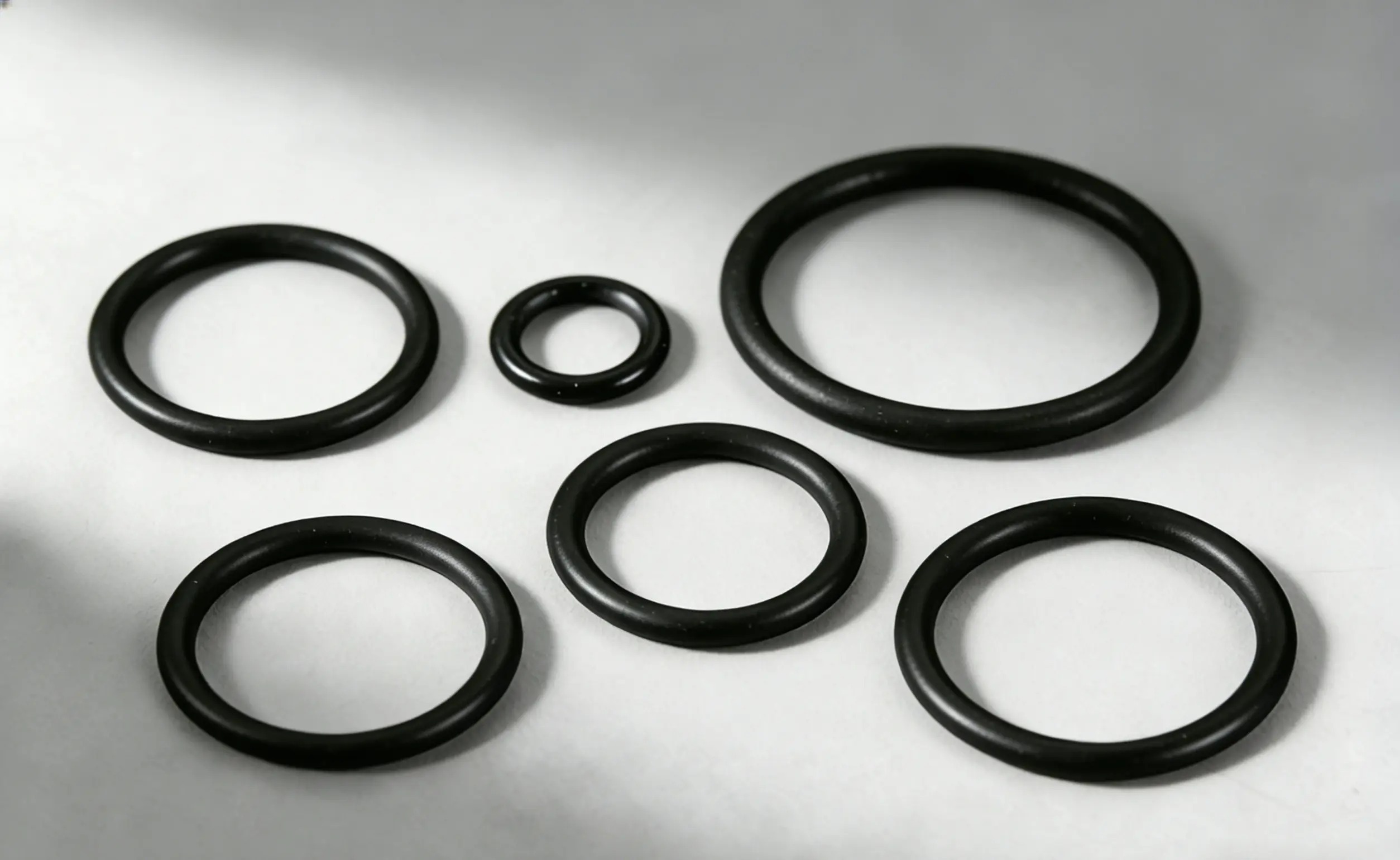
Wellhead sealing is one of the most demanding engineering challenges in oil and gas production. Every wellhead assembly must maintain pressure integrity under extreme temperatures, aggressive media, and continuous mechanical stress. When wellhead sealing fails, the consequences range from costly unplanned shutdowns to serious safety incidents. Understanding what drives these failures and how to prevent them is essential for any operator managing production assets.
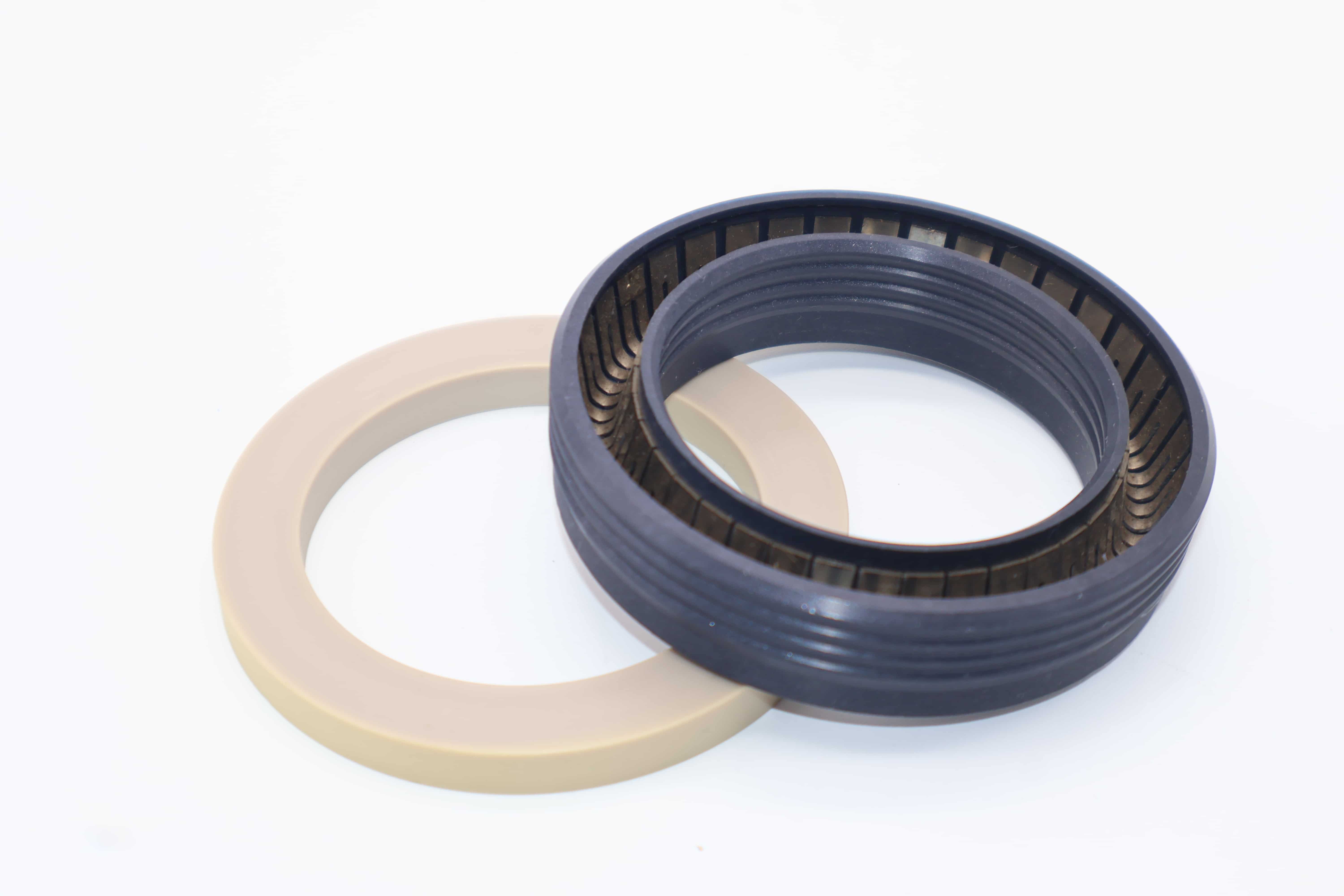
Christmas tree equipment sits at the top of the wellhead stack and controls the flow of hydrocarbons from the well. The seals within this equipment face a uniquely hostile combination of high-pressure gas, sour fluids, thermal cycling, and stem movement. Effective wellhead sealing in this context requires careful material selection, correct installation practice, and ongoing monitoring. This article examines the core sealing challenges encountered in wellhead and Christmas tree equipment and offers practical guidance for addressing them.
Why Wellhead Sealing Is Uniquely Demanding
Extreme Operating Conditions
Wellhead sealing must perform reliably across a wide range of pressures, often reaching 10,000 psi or higher in deep or high-pressure wells. At the same time, temperature variation across the wellhead can be severe, shifting from sub-zero conditions during startup to elevated process temperatures during full production. These thermal swings cause metal components to expand and contract, placing constant stress on any sealing element. A seal that performs well under stable conditions may fail rapidly when exposed to repeated thermal cycling over weeks and months of service.
The presence of hydrogen sulfide and carbon dioxide in sour gas wells adds another layer of complexity to wellhead sealing. These gases attack elastomers and certain metals, causing swelling, cracking, or rapid degradation of seal surfaces. Wellhead sealing materials must therefore meet sour service requirements, typically aligned with NACE MR0175 or ISO 15156 standards. Selecting elastomers like hydrogenated nitrile butadiene rubber or fluorocarbon compounds becomes critical in such environments.
High-Cycle Mechanical Stress
Gate valves in Christmas tree assemblies are operated repeatedly throughout their service life, and each cycle of the valve stem creates friction and wear on the sealing element. Wellhead sealing around the valve stem must accommodate this lateral and axial movement without losing contact pressure or developing leakage paths. API 6A specifies performance criteria for valve stem sealing rings precisely because this area is so prone to degradation under operational cycling. Choosing the right profile and material for stem seals directly determines how long the valve maintains leak-free performance.
Common Failure Modes in Christmas Tree Sealing
Extrusion and Blow-Out
One of the most frequent wellhead sealing failures is elastomer extrusion. When system pressure exceeds the containment capacity of a seal groove, softer elastomer materials can flow into the gap between mating components and eventually blow out entirely. This failure mode is particularly common in high-pressure wellhead sealing applications where backup rings or anti-extrusion components are not used. Engineers must account for the extrusion gap in their seal design and select materials with sufficient hardness to resist cold flow under sustained pressure loading.
Proper groove geometry is just as important as material choice in preventing extrusion. Even a correctly specified elastomer will fail if the groove depth or width does not match the seal cross-section. Wellhead sealing designs must follow the tolerances laid out in API 6A and manufacturer specifications to ensure that compression levels remain within the intended range throughout the seal's operating life.
Surface Damage and Contamination
Wellhead sealing relies on intimate contact between the seal element and the seating surfaces. Any surface damage, such as scratches from abrasive particles, corrosion pitting, or tool marks introduced during assembly, creates a potential leak path that no elastomer can fully compensate for. Contamination from pipe scale, sand, or iron oxide is a persistent problem at wellheads, particularly during well interventions. Cleanliness protocols during installation are not optional in wellhead sealing work; they are a direct determinant of seal reliability and longevity.
Seal Selection and Standards for Wellhead Applications
API 6A Compliance in Valve Stem Sealing
API 6A is the governing standard for wellhead and Christmas tree equipment, and it sets out specific qualification requirements for every sealing element within the assembly. For gate valves, the standard addresses valve stem sealing rings in terms of material qualification, dimensional tolerances, and pressure and temperature class ratings. A wellhead sealing solution that meets API 6A requirements gives operators confidence that the seal has been tested to defined performance benchmarks rather than relying solely on supplier claims. Specifying compliant valve stem sealing rings is a baseline requirement for any safety-critical wellhead or Christmas tree application.
Beyond material qualifications, API 6A also guides the selection of pressure-temperature ratings for the entire valve and seal assembly. Wellhead sealing components must be matched to the rated class of the valve body they are installed in. Mixing components from different pressure classes or using seals not rated for the operating temperature range is a common source of preventable failures in the field.
Matching Seal Materials to Fluid Chemistry
Effective wellhead sealing depends on selecting elastomer compounds that are chemically compatible with the produced fluids. For dry gas wells, nitrile rubber may provide adequate service life. However, in wells producing condensate, methanol injection, or water with elevated chloride content, more chemically resistant materials such as HNBR or FFKM compounds are necessary. Testing seal materials against the actual fluid chemistry of the well, rather than using generic specifications, leads to significantly better wellhead sealing performance and longer mean time between replacements.
FAQ
What materials are best for wellhead sealing in sour gas environments?
In sour gas environments, wellhead sealing materials must resist attack from hydrogen sulfide and carbon dioxide. HNBR and fluorocarbon elastomers are commonly used because they maintain mechanical integrity in sour service conditions while meeting NACE MR0175 requirements. The specific choice depends on temperature range and fluid composition.
How does API 6A affect wellhead sealing component selection?
API 6A defines pressure-temperature classes, material qualifications, and dimensional standards for wellhead sealing elements including valve stem sealing rings. Components that meet API 6A have passed defined qualification tests, giving operators a verified performance baseline for safety-critical applications in wellhead and Christmas tree assemblies.
What causes wellhead sealing to fail prematurely in gate valves?
Premature wellhead sealing failure in gate valves is typically caused by elastomer extrusion from oversized gaps, surface contamination during installation, incompatible fluid chemistry, or repeated mechanical cycling that wears down the stem seal contact surface. Addressing all of these factors through proper design, material selection, and installation practice significantly extends seal service life.