
 EN
EN
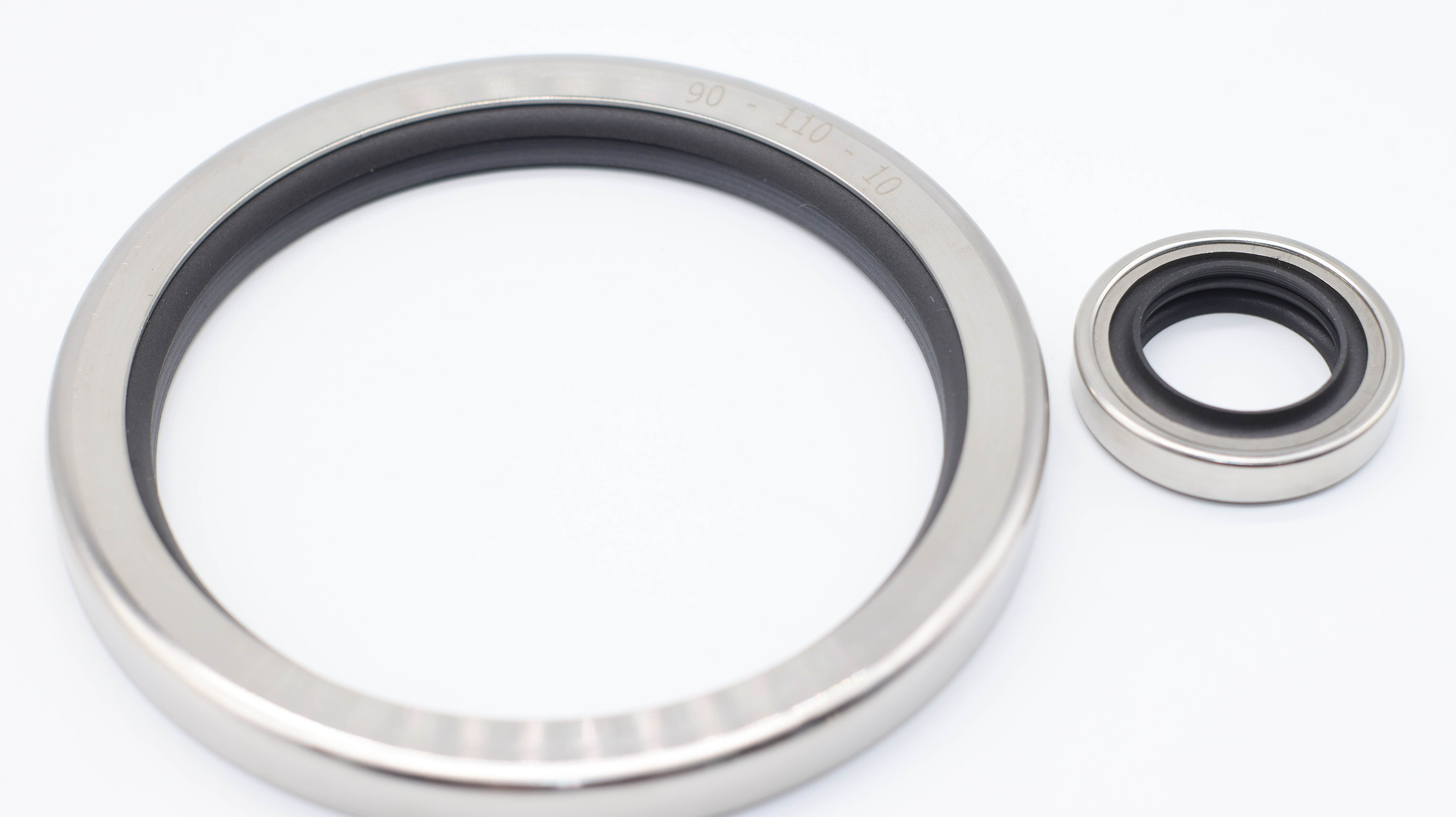
In the demanding world of oil and gas production, material selection for sealing components is never trivial. A PEEK seal has emerged as one of the most reliable choices for engineers who need consistent performance under extreme pressure, elevated temperature, and aggressive chemical exposure. PEEK, or polyether ether ketone, is a high-performance thermoplastic that combines mechanical toughness with outstanding chemical resistance, making the PEEK seal an ideal solution across many stages of oil and gas production.
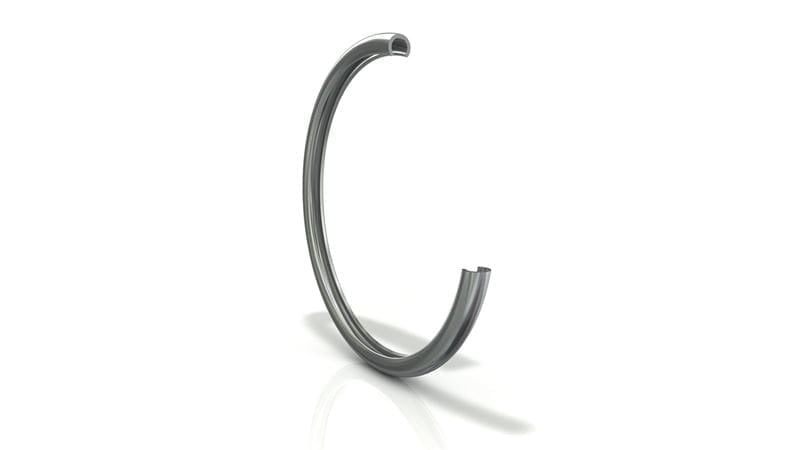
From wellhead assemblies and downhole tools to surface processing units and pipeline control valves, the PEEK seal is deployed wherever standard elastomeric or metallic seals fall short. The growing adoption of PEEK seal technology in oilfield equipment reflects a broader industry shift toward materials that extend service intervals, reduce unplanned downtime, and withstand conditions that would degrade conventional sealing materials within weeks. Understanding where and why the PEEK seal excels helps procurement engineers, maintenance teams, and equipment designers make better-informed decisions.
Core Properties That Make PEEK Seal Suitable for Oil and Gas
Thermal and Chemical Resistance of PEEK Seal
The PEEK seal is rated for continuous service temperatures up to approximately 260 degrees Celsius, with short-term excursions even beyond that range. In oil and gas production environments, process fluids such as crude oil, sour gas containing hydrogen sulfide, carbon dioxide, drilling muds, and hydraulic fluids all create chemically hostile conditions. The PEEK seal resists degradation when exposed to hydrocarbons, steam, most acids, and a wide range of industrial solvents. This chemical inertness means the PEEK seal retains its dimensional integrity and sealing force over extended service periods, unlike nitrile or EPDM elastomers that can swell, crack, or harden under similar exposure.
Mechanical Strength and Pressure Performance
A PEEK seal is not simply a chemically resistant component. It also exhibits exceptionally high tensile strength and low creep under sustained mechanical load. In downhole applications, pressure differentials can exceed several thousand PSI, and a PEEK seal must maintain its shape and sealing contact under these forces without extruding into clearance gaps. The semi-crystalline structure of PEEK gives the PEEK seal a rigidity that supports tight tolerances in precision-machined housings. When reinforced with carbon fiber or glass fiber, the PEEK seal achieves even greater hardness and dimensional stability, making it suitable for the most mechanically demanding oil and gas production equipment configurations.
Key Application Areas for PEEK Seal in Production Equipment
Downhole Tool and Wellhead Applications
The PEEK seal is widely used in downhole drilling tools, measurement-while-drilling instruments, and completion equipment. These tools operate under high borehole pressures and temperatures that cycle repeatedly during operation. The PEEK seal provides consistent isolation between fluid pathways in multi-port valve bodies, packer assemblies, and logging instruments. At the wellhead, the PEEK seal is applied in gate valves, choke valves, and Christmas tree assemblies where both process fluid containment and pressure integrity are critical. Because a PEEK seal does not absorb moisture or swell when in contact with brine or formation water, it maintains its designed contact pressure far longer than elastomeric alternatives in these applications.
Surface Processing and Pipeline Equipment
Above the wellhead, the PEEK seal continues to play a vital role in surface production equipment. Separation vessels, heat exchangers, gas compression trains, and chemical injection pumps all rely on sealing components that can tolerate process variability. The PEEK seal is used in pump shaft seals, valve stem packing rings, and rotating equipment backup rings where wear resistance is as important as chemical compatibility. In pipeline applications, the PEEK seal serves as a backup or primary seal in ball valves and pigging equipment, where abrasion from solid particulates in the flow stream would quickly damage softer polymer seals. The combination of low friction coefficient and high hardness makes the PEEK seal especially well-suited for dynamic sealing applications in surface equipment.
PEEK Seal Selection Guidance for Oil and Gas Equipment Designers
Choosing Between Unfilled and Filled PEEK Seal Grades
When specifying a PEEK seal for oil and gas service, the first decision involves whether to use an unfilled or filled grade. Unfilled PEEK seal material offers the broadest chemical compatibility and is the preferred choice when the sealing environment includes aggressive chemicals that may react with fiber reinforcements. Carbon-filled PEEK seal grades provide significantly improved wear resistance and thermal conductivity, which benefits applications where the seal face generates frictional heat during dynamic operation. Glass-filled PEEK seal grades offer a balance of stiffness and toughness suitable for static sealing in high-pressure valve assemblies. Understanding the specific fluid composition, operating pressure, temperature profile, and whether the seal is static or dynamic will determine which PEEK seal grade delivers the longest reliable service life.
Dimensional and Installation Considerations for PEEK Seal
The PEEK seal is typically machined from rod or tube stock to precise tolerances. Because PEEK is stiffer than elastomers, groove geometry and housing fit must be carefully designed to achieve the correct compression or interference needed for effective sealing. A PEEK seal that is undercompressed will leak; one that is overcompressed may crack or generate excessive stress on the mating hardware. Engineers should also account for the relatively low thermal expansion coefficient of PEEK when designing for applications where temperature swings are significant. Proper installation torque, surface finish on mating components, and lubrication of the PEEK seal contact face all contribute to achieving the expected performance and service life in oil and gas production equipment.
FAQ
What temperature range can a PEEK seal handle in oil and gas service?
A PEEK seal can handle continuous operating temperatures up to approximately 260 degrees Celsius. In short-term excursion conditions common in downhole environments, the PEEK seal can tolerate brief exposures beyond this range without permanent structural failure, though sustained operation at extreme temperatures should always be verified with the seal manufacturer based on the specific grade and application profile.
Is a PEEK seal compatible with sour gas environments containing hydrogen sulfide?
Yes, the PEEK seal demonstrates good resistance to hydrogen sulfide and carbon dioxide environments commonly encountered in sour gas production. Unlike certain elastomers that suffer explosive decompression or chemical attack in high-concentration H2S service, the PEEK seal maintains its structural integrity. For highly concentrated sour gas applications, selecting the appropriate PEEK seal grade and confirming compatibility through immersion testing is recommended before full deployment.
How does a PEEK seal compare to an elastomeric seal in high-pressure downhole applications?
A PEEK seal offers superior dimensional stability, lower creep, and better resistance to extrusion under high pressure compared to standard elastomeric seals. While elastomeric seals rely on elasticity to conform to mating surfaces, a PEEK seal relies on precision machining and controlled interference fit. In high-pressure downhole tools where pressure may exceed several thousand PSI, the PEEK seal is less susceptible to extrusion failure, making it the preferred choice for long-duration well operations where intervention is costly and difficult.