
 EN
EN
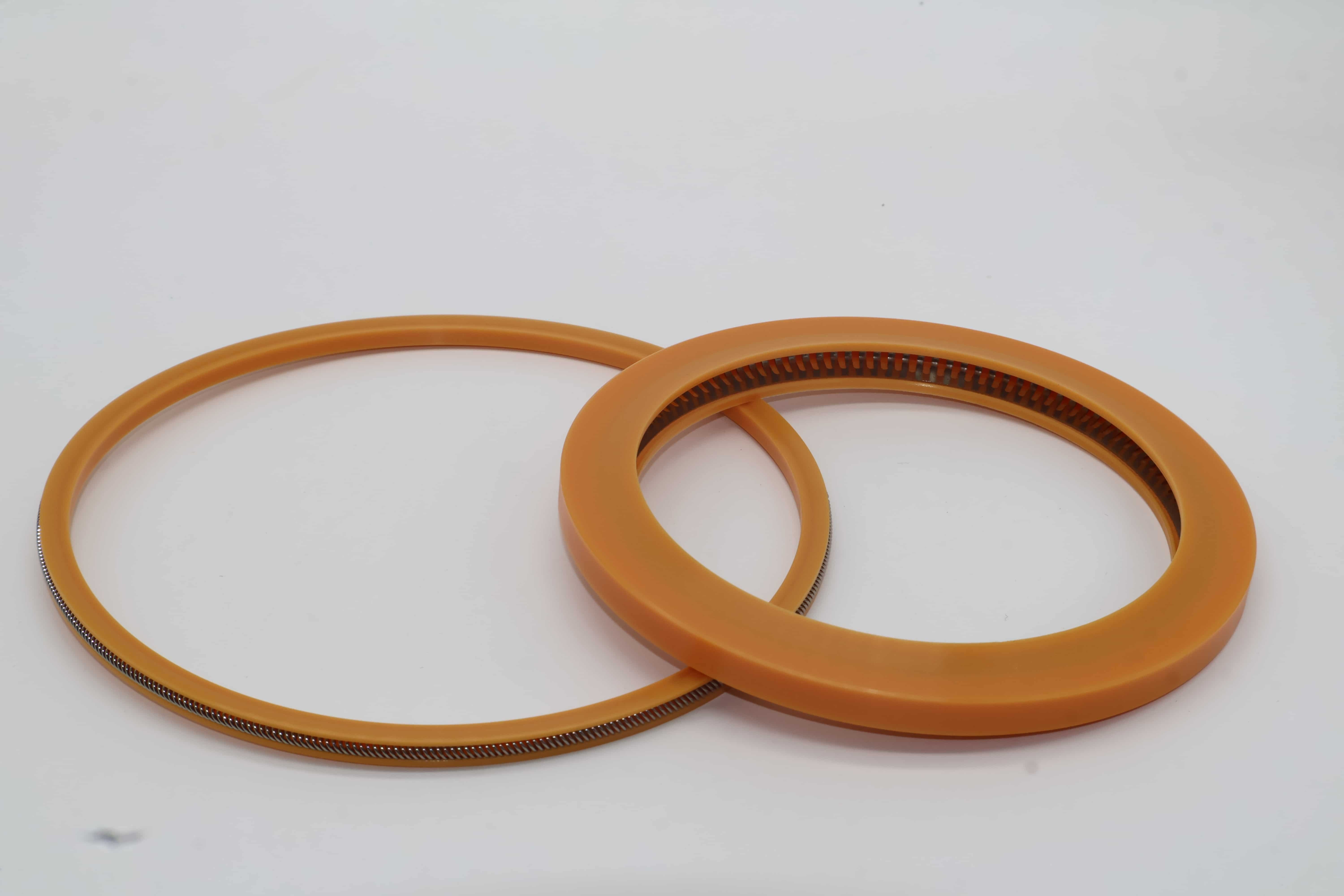
In high-pressure industrial environments, the integrity of sealing systems determines operational safety, equipment longevity, and process reliability. When pressures exceed the capabilities of conventional elastomeric seals, metal-to-metal sealing becomes not just preferable but absolutely necessary. This sealing method relies on precisely engineered metal surfaces that create leak-tight barriers through controlled deformation and intimate contact, making metal-to-metal sealing the only viable solution in applications where pressures, temperatures, and chemical exposures push beyond the limits of polymer-based alternatives.
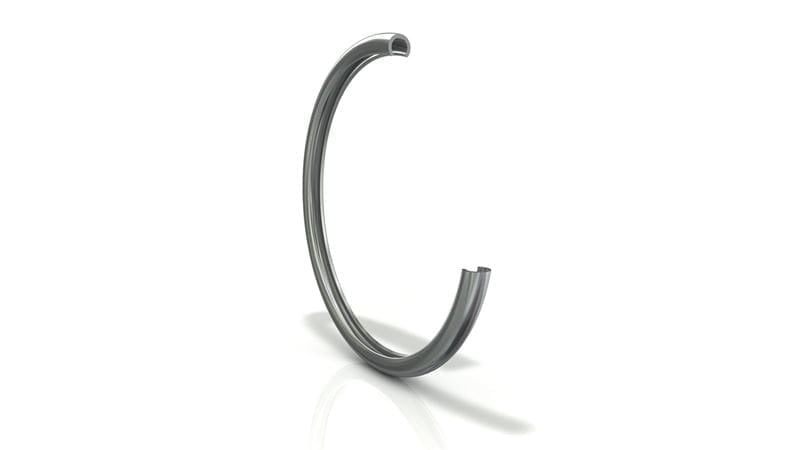
Extreme pressure applications in oil and gas production, subsea systems, high-pressure vessels, and chemical processing demand sealing technologies capable of maintaining integrity under forces that would instantly extrude, crack, or dissolve rubber seals. Metal-to-metal sealing addresses these challenges through material science, precise surface finishing, and controlled installation procedures that generate hermetic seals without relying on elastomer compliance. Understanding why metal-to-metal sealing is required in extreme pressure applications involves examining the fundamental limitations of elastomers, the physics of metal seal engagement, and the specific operating conditions that make metallic sealing irreplaceable.
The Fundamental Limitations of Elastomeric Seals Under Extreme Pressure
Extrusion and Material Degradation
Elastomeric seals function through compression and elastic recovery, but extreme pressure creates forces that overcome the structural integrity of polymer chains. When system pressure exceeds the hardness limit of rubber compounds, extrusion occurs as the seal material flows into clearance gaps between mating surfaces. This extrusion process accelerates seal failure through nibbling, tearing, and progressive loss of cross-sectional area. Metal-to-metal sealing eliminates extrusion risk because metal surfaces resist deformation at pressures far exceeding elastomer capabilities, maintaining seal geometry and contact integrity throughout pressure cycling.
Chemical degradation compounds the pressure-related challenges facing elastomeric seals in extreme environments. Hydrocarbon fluids, acids, solvents, and process chemicals attack polymer molecular structures, causing swelling, hardening, cracking, and loss of mechanical properties. Metal-to-metal sealing provides inherent chemical resistance because seal materials like stainless steel, Inconel, and Hastelloy maintain structural stability across broad chemical exposure ranges. The combination of pressure-induced mechanical stress and chemical attack creates failure modes that elastomers cannot withstand, making metal-to-metal sealing essential for long-term reliability.
Temperature Extremes and Thermal Cycling
Extreme pressure applications frequently involve temperature conditions that exceed elastomer service limits. High-temperature exposure accelerates polymer degradation through oxidation, chain scission, and loss of plasticizers, while cryogenic conditions cause embrittlement and loss of sealing force. Metal-to-metal sealing maintains performance across temperature ranges from cryogenic to over 650 degrees Celsius because metallic materials retain mechanical properties and dimensional stability throughout these extremes. Thermal cycling creates additional stress as differential expansion between seal and housing materials generates fatigue loading that progressively damages elastomeric seals.
The relationship between pressure and temperature in extreme applications creates compound stress conditions where elastomers experience simultaneous mechanical loading, thermal degradation, and chemical exposure. Metal-to-metal sealing systems accommodate thermal expansion through engineered clearances and controlled interference fits that maintain seal contact pressure across temperature variations. Applications like steam systems, fired heaters, and downhole oil production require metal-to-metal sealing because the combined thermal and pressure stresses exceed any elastomer's capability envelope, regardless of compound formulation or protective measures.
The Physics and Engineering of Metal-to-Metal Sealing Performance
Surface Contact and Seal Energization
Metal-to-metal sealing achieves leak-tight performance through precisely controlled surface contact that creates intimate metal-to-metal interface pressure exceeding system fluid pressure. Unlike elastomeric seals that rely on bulk compression, metal-to-metal sealing depends on surface finish quality, flatness tolerances, and controlled deformation during installation. The seal energizes through bolt loading or spring mechanisms that generate contact stress at the sealing interface, plastically deforming surface asperities to create continuous contact paths that block fluid migration. This energization mechanism makes metal-to-metal sealing effective even when system pressures reach thousands of bar.
The effectiveness of metal-to-metal sealing correlates directly with surface preparation and mating surface quality. Machining processes create surface finishes measured in microinches, with typical specifications requiring 8 to 32 microinch Ra values for effective metal-to-metal sealing. Surface waviness, flatness deviation, and parallelism errors reduce seal contact area and create leak paths that compromise performance. Proper metal-to-metal sealing installation includes surface inspection, controlled torque sequences, and verification procedures that ensure uniform contact pressure distribution across the entire seal perimeter, establishing the hermetic barrier required for extreme pressure containment.
Material Selection and Compatibility
Material selection determines metal-to-metal sealing performance under specific pressure, temperature, and chemical conditions. Soft metal seals using materials like aluminum, copper, or soft iron provide excellent conformability and low installation loads but limit reusability and maximum pressure capability. Hard metal-to-metal sealing systems employ stainless steels, nickel alloys, and specialty materials that withstand higher pressures and temperatures while maintaining seal integrity through multiple pressure cycles. The hardness differential between seal material and flange surfaces influences seal behavior, with softer seals conforming more readily to surface imperfections while harder seals require superior surface preparation.
Corrosion resistance and material compatibility with process fluids constitute critical factors in metal-to-metal sealing material selection. Sour gas applications containing hydrogen sulfide require materials resistant to sulfide stress cracking, while oxidizing chemical environments demand alloys with stable passive oxide layers. Metal-to-metal sealing in nuclear applications uses materials with controlled cobalt content and radiation resistance, while aerospace applications specify lightweight alloys with high strength-to-weight ratios. The ability to engineer metal-to-metal sealing solutions using application-specific materials provides flexibility impossible with elastomeric seal compounds, which offer limited material property ranges.
Critical Applications Requiring Metal-to-Metal Sealing Technology
Oil and Gas Production and Processing
Subsea wellheads, Christmas trees, and pressure control equipment operate at depths creating ambient pressures exceeding 400 bar before considering internal well pressures that may reach 1400 bar or higher. Metal-to-metal sealing provides the only reliable technology for these applications where seal failure risks environmental catastrophe, equipment loss, and personnel safety. Downhole completion equipment encounters combined challenges of extreme pressure, elevated temperature, corrosive fluids, and mechanical vibration that make metal-to-metal sealing mandatory for valve seats, tubing connections, and pressure barriers throughout the well architecture.
High-pressure processing equipment in refineries and petrochemical plants relies on metal-to-metal sealing for reactor vessels, separators, heat exchangers, and piping systems handling fluids at pressures routinely exceeding 200 bar. Hydrocracking reactors, ammonia synthesis loops, and polyethylene production systems represent applications where metal-to-metal sealing maintains process containment under conditions combining extreme pressure with hydrogen exposure, thermal cycling, and corrosive process streams. The economic consequences of unplanned shutdowns and safety risks associated with pressure system failures justify the engineering precision and material costs inherent in metal-to-metal sealing systems.
Aerospace, Power Generation, and Industrial Gas Systems
Rocket propulsion systems and spacecraft fluid systems use metal-to-metal sealing to contain cryogenic propellants and pressurants at extreme pressures while maintaining functionality through launch vibration, thermal shock, and vacuum exposure. Liquid hydrogen and liquid oxygen systems require metal-to-metal sealing solutions that prevent both external leakage and internal cross-contamination while accommodating thermal contraction from ambient to cryogenic temperatures. Turbine engines employ metal-to-metal sealing in high-pressure compressor sections and combustion chambers where temperatures and pressures exceed elastomer survival limits by orders of magnitude.
Industrial gas production and distribution systems for hydrogen, nitrogen, oxygen, and specialty gases utilize metal-to-metal sealing in compression equipment, storage vessels, and distribution manifolds. Hydrogen embrittlement concerns, permeation requirements, and pressure levels reaching 900 bar in tube trailer systems make metal-to-metal sealing the only acceptable technology. Carbon dioxide capture and sequestration systems, supercritical fluid processing equipment, and high-pressure research apparatus similarly depend on metal-to-metal sealing to contain fluids under conditions where elastomeric alternatives simply cannot function. The breadth of industries relying on metal-to-metal sealing reflects the fundamental physical limitations of organic seal materials under extreme conditions.
FAQ
What pressure levels require metal-to-metal sealing instead of elastomeric seals?
Metal-to-metal sealing becomes necessary when system pressures exceed approximately 400 bar for most elastomeric seal designs, though this threshold varies based on temperature, chemical exposure, and seal geometry. Applications combining pressures above 200 bar with elevated temperatures, corrosive fluids, or radiation exposure typically require metal-to-metal sealing regardless of absolute pressure level. The decision to specify metal-to-metal sealing considers not just peak pressure but also pressure cycling frequency, temperature variations, maintenance intervals, and consequence of seal failure. Many industries adopt metal-to-metal sealing at lower pressures when operational reliability and safety requirements justify the technology.
Can metal-to-metal sealing be reused after disassembly?
Reusability of metal-to-metal sealing systems depends on seal design, material selection, and installation quality. Soft metal seals using copper, aluminum, or low-hardness alloys typically qualify as single-use components because plastic deformation during initial installation prevents effective resealing. Hard metal-to-metal sealing designs using spring-energized configurations or precisely machined profile seals may allow limited reuse when surfaces remain undamaged and within specified tolerances. Manufacturers provide specific guidance on reuse limits, inspection requirements, and refurbishment procedures for metal-to-metal sealing systems. Critical applications generally treat metal-to-metal sealing components as consumables, replacing seals at every maintenance intervention to ensure maximum reliability.
How does surface finish affect metal-to-metal sealing performance?
Surface finish quality directly determines metal-to-metal sealing effectiveness because leak-tight performance requires intimate contact between mating surfaces that eliminates microscopic flow paths. Rough surfaces with deep scratches, tool marks, or corrosion pitting prevent complete metal-to-metal sealing contact, creating leak channels that compromise seal integrity. Specifications for metal-to-metal sealing typically require surface finishes between 8 and 32 microinch Ra, with tighter tolerances needed for higher pressures and more demanding applications. Beyond surface roughness, flatness, parallelism, and surface cleanliness affect metal-to-metal sealing performance. Proper surface preparation includes machining to specified finishes, cleaning to remove contaminants, and inspection to verify surface quality before seal installation.