
 EN
EN
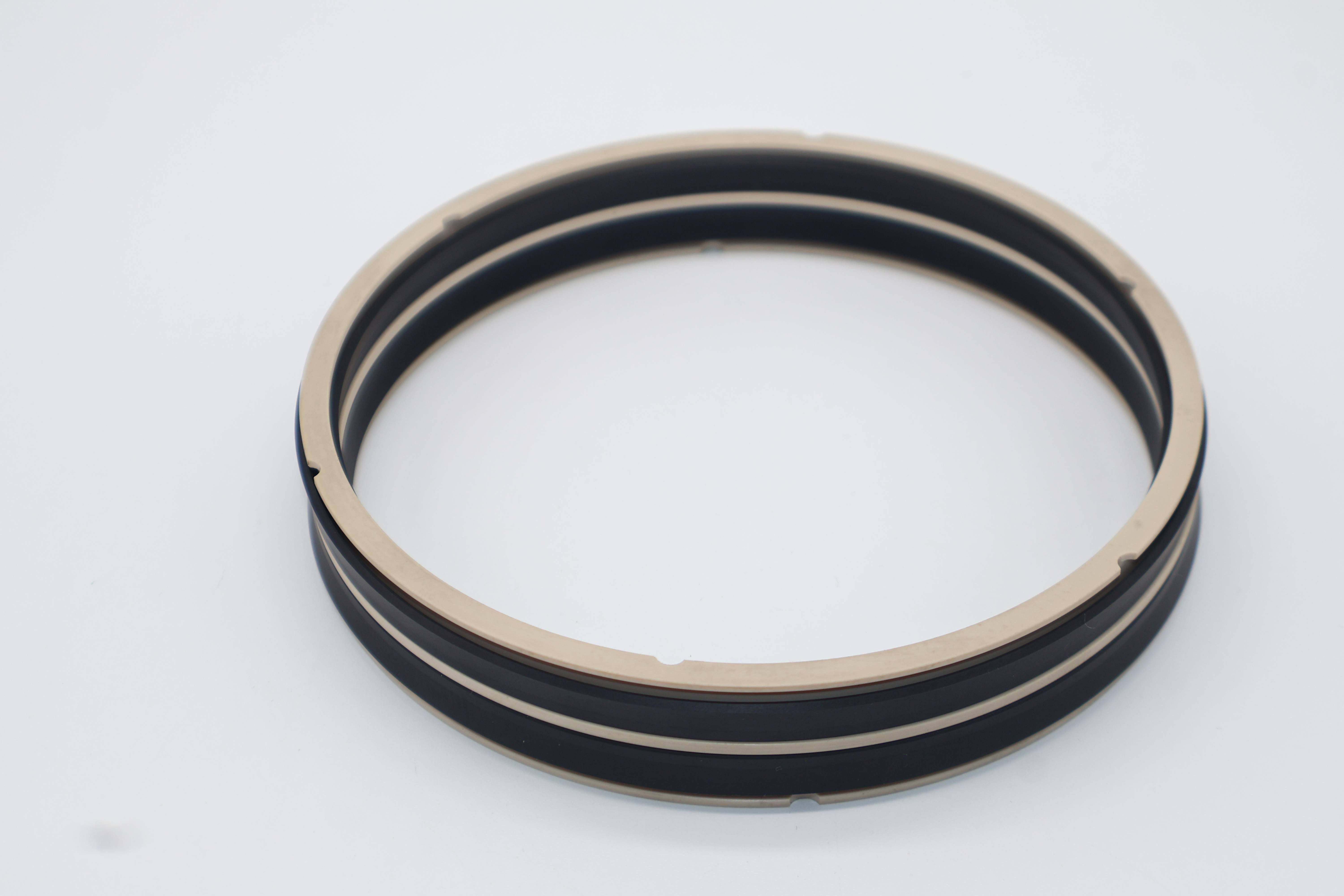
Selecting the right metal seal material is one of the most consequential decisions in industrial system design. When operating conditions combine high pressure with aggressive chemical exposure, the stakes become even higher. A poorly chosen metal seal can lead to catastrophic leakage, accelerated corrosion, costly downtime, and serious safety risks. Engineers and procurement teams must understand what material properties matter most before specifying any metal seal solution for demanding service environments.
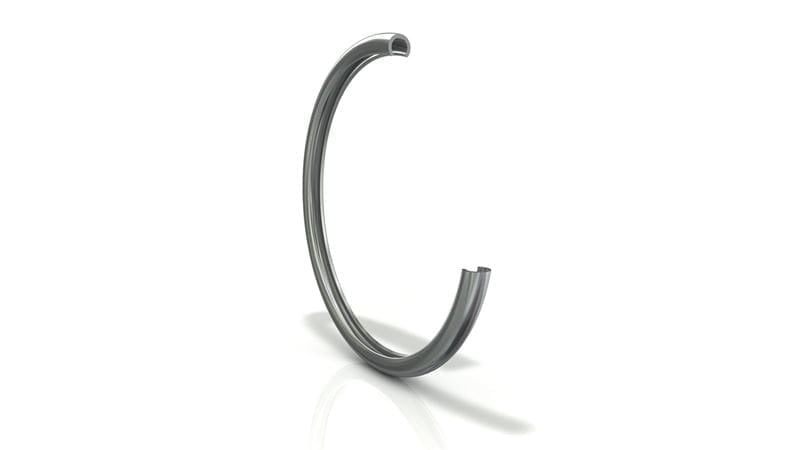
Industrial sectors including oil and gas, petrochemical processing, power generation, and subsea engineering routinely expose sealing components to extreme combinations of temperature, pressure, and corrosive media. In these applications, a standard elastomeric seal simply cannot perform reliably. A precision-engineered metal seal becomes the only viable option. However, the effectiveness of any metal seal depends entirely on whether its base material is properly matched to the specific environmental and operational demands of the system. This guide breaks down the critical material selection criteria every engineer should apply.
Why Material Compatibility Determines Metal Seal Performance
The Role of Corrosion Resistance in Metal Seal Longevity
Corrosion is the primary enemy of any metal seal installed in aggressive industrial environments. When a metal seal is exposed to hydrogen sulfide, carbon dioxide, chloride-rich fluids, or acidic process media, even minor material incompatibility can trigger rapid degradation. Pitting corrosion, stress corrosion cracking, and crevice corrosion are common failure modes that compromise the sealing integrity of a metal seal over time. Choosing a material with demonstrated resistance to the specific corrosive agents present in the system is therefore the first and most important selection criterion.
Nickel-based alloys such as Inconel and Hastelloy are frequently specified for a metal seal in environments where both high temperature and aggressive chemical media are present simultaneously. These alloys offer outstanding resistance to oxidizing and reducing acids, chloride-induced stress corrosion, and sulfur-bearing compounds. Stainless steel grades like 316L and 317L provide adequate corrosion resistance in moderate service conditions, making them a practical and cost-effective choice for a metal seal used in less severe applications. The key is always to match the alloy chemistry directly to the corrosive species present.
Pressure Ratings and Mechanical Strength Considerations
A metal seal must maintain its sealing geometry under sustained mechanical loading. In high pressure systems, internal fluid forces act continuously to deform or displace sealing components. The yield strength and elastic recovery characteristics of the chosen metal seal material determine whether the seal maintains contact stress at the sealing interface over the intended service life. Materials that are too soft will plastically deform and lose contact force. Materials that are too hard may fail to conform to minor surface imperfections on the flange or groove, resulting in leakage paths.
For a metal seal operating above 10,000 psi, material selection must account for both tensile strength and fatigue resistance. Titanium alloys are attractive in certain subsea and aerospace applications because they offer a high strength-to-weight ratio combined with excellent serosion resistance. However, the specific pressure class, cyclic loading profile, and mating hardware finish must all be evaluated before a final metal seal material is confirmed. A metal seal that is correctly specified for pressure and material will deliver reliable, long-term sealing performance even under demanding cyclic conditions.
Key Material Options for Corrosive High Pressure Applications
Nickel Alloys and Their Advantages in Severe Service
Nickel alloys represent the premium tier of metal seal materials for corrosive high pressure environments. Inconel 625 and 718 are widely used for a metal seal in oil and gas wellhead assemblies, subsea connectors, and chemical injection systems. These alloys maintain mechanical strength at elevated temperatures while resisting both localized and general corrosion caused by chloride-rich produced water or sour gas. The relatively high material cost of nickel alloys is justified by their extended service life and reduced maintenance burden in critical applications.
Hastelloy C-276 is another common choice for a metal seal used in chemical processing environments where oxidizing acids and mixed acid services are encountered. This alloy provides exceptional resistance to pitting and crevice corrosion and performs reliably across a wide pH range. When specifying a metal seal for any severe service application, engineers should request material certifications and review corrosion test data specific to the process media before finalizing the material selection.
Stainless Steel Grades for Moderate Corrosive Environments
For applications where corrosion exposure is moderate and temperatures remain below 400 degrees Celsius, austenitic stainless steel grades offer a practical and well-understood metal seal material solution. Grade 316L is commonly used for a metal seal in water injection systems, steam service, and mild acid processing lines. Its low carbon content reduces sensitization risk during welding or thermal cycling, preserving the corrosion resistance of the metal seal throughout its service life.
Duplex and super-duplex stainless steels bridge the performance gap between standard austenitic grades and full nickel alloys. A metal seal made from super-duplex stainless steel such as 2507 offers chloride resistance and mechanical strength that far exceeds standard 316L while remaining more affordable than high-nickel alloys. This makes super-duplex an increasingly popular choice for a metal seal in offshore processing, desalination, and high-pressure gas compression systems where chloride stress cracking is a known risk.
Practical Evaluation Criteria for Metal Seal Material Selection
Matching Metal Seal Material to Operating Conditions
Effective metal seal material selection begins with a thorough analysis of the operating envelope. Engineers must document the maximum and minimum operating temperatures, peak pressure cycles, media composition, and any potential for contamination by external corrosive agents. This environmental profile forms the foundation of the metal seal material selection process. Shortcuts in this phase invariably lead to premature metal seal failures and costly remediation.
Surface finish on the mating flange or gland groove is another factor that interacts directly with metal seal material choice. Harder metal seal materials require tighter surface finish tolerances to achieve reliable sealing, while softer alloys or plated surfaces can conform to slightly rougher finishes. Specifying a metal seal without considering the surface finish of the mating hardware is a common source of field leakage problems that could be prevented at the design stage.
Coating and Plating Options to Extend Metal Seal Life
Surface coatings and electroplated layers can significantly extend the service life of a metal seal in particularly aggressive environments. Silver, gold, and nickel plating are commonly applied to the sealing contact faces of a metal seal to improve conformability, reduce galling risk during installation, and enhance corrosion protection at the critical sealing interface. These coatings do not replace base material selection but complement it by addressing surface-level vulnerabilities that the substrate alloy alone may not fully resolve.
When evaluating coating options for a metal seal, the compatibility between the coating material and the process media must be verified. Certain plating materials may dissolve or blister when exposed to specific chemicals, undermining the performance benefit they were intended to provide. A properly specified and coated metal seal combines a corrosion-resistant substrate with a surface treatment optimized for the actual installation conditions, delivering reliable sealing performance over an extended service interval.
FAQ
What is the best metal seal material for sour gas applications?
For sour gas environments containing hydrogen sulfide, nickel alloys such as Inconel 625 or Hastelloy C-276 are typically the most reliable choice for a metal seal. These materials resist sulfide stress cracking and maintain mechanical integrity under the combined effects of pressure and corrosive gas. The specific alloy selected should comply with NACE MR0175 or equivalent standards for sour service qualification.
How does temperature affect metal seal material selection?
Temperature significantly influences the mechanical properties and corrosion behavior of any metal seal material. At elevated temperatures, yield strength decreases, and corrosion rates often accelerate. A metal seal rated for ambient conditions may not retain adequate contact stress at 300 or 400 degrees Celsius. High-temperature applications require alloys specifically qualified for retained strength and oxidation resistance at the target service temperature.
Can a metal seal be reused after disassembly?
In most high pressure applications, a metal seal should not be reused after disassembly unless the manufacturer explicitly permits it and inspection confirms that the sealing surfaces remain undamaged. Many metal seal designs rely on controlled plastic deformation at the sealing contact zone to achieve leak-tight performance. Once that deformation has occurred, reinstalling the same metal seal may not reproduce the original contact stress, increasing the risk of leakage in service.