
 EN
EN
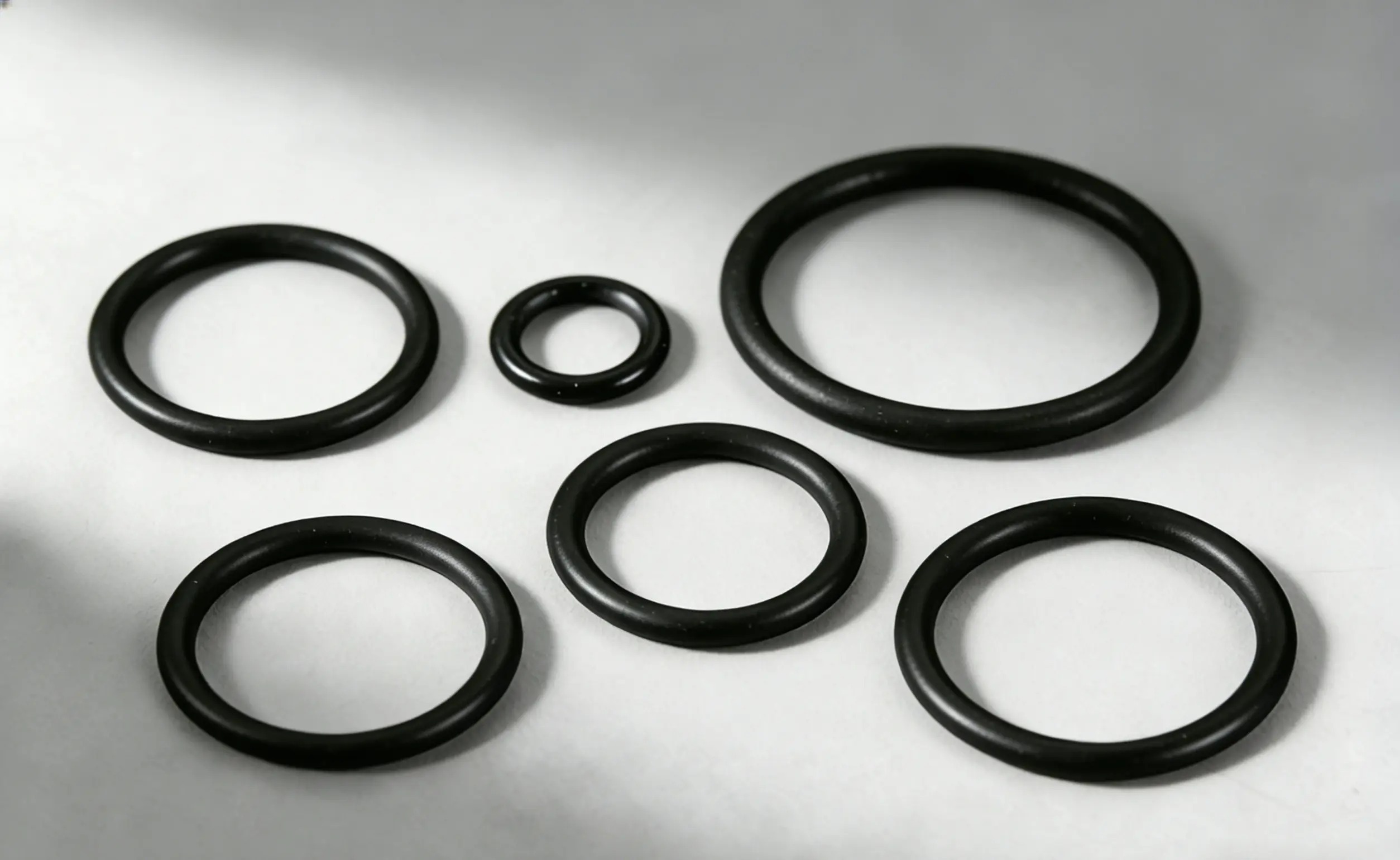
In high temperature energy and power systems, component reliability is not optional — it is the foundation of safe and continuous operation. A metal seal is one of the most critical elements in maintaining pressure integrity, preventing leakage, and ensuring long service life under thermal extremes. As energy infrastructure grows more demanding, the performance expectations placed on every metal seal have risen sharply across turbines, reactors, heat exchangers, and high-pressure pipelines.
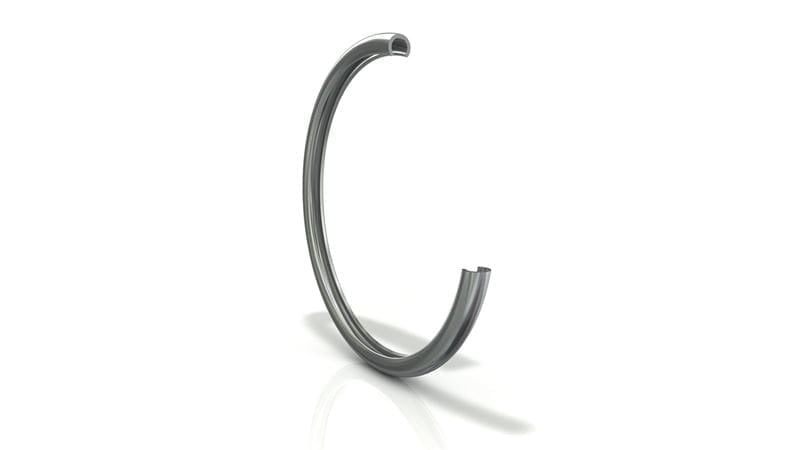
Unlike elastomeric seals that degrade rapidly above certain temperature thresholds, a metal seal is engineered to maintain its sealing function across wide thermal cycles. Engineers working in the energy and power sector rely on the metal seal not just as a passive gasket, but as an active sealing mechanism capable of responding to pressure fluctuations, thermal expansion, and mechanical stress simultaneously. Understanding how a metal seal performs in these environments is essential for any procurement or engineering decision in this field.
Thermal Challenges That Define Metal Seal Performance
Operating Temperature Ranges and Material Behavior
A metal seal used in high temperature applications must retain its mechanical properties at temperatures that would destroy conventional sealing materials. In steam turbines and gas turbine systems, operating temperatures can exceed 600°C, placing extreme demands on every metal seal installed within the assembly. The base material of each metal seal — commonly stainless steel, Inconel, or other nickel-based alloys — determines whether it will creep, deform permanently, or maintain sealing contact under sustained thermal load.
Thermal cycling is a particularly destructive phenomenon for a metal seal that is not designed with sufficient elasticity. Each startup and shutdown cycle creates dimensional changes in the housing and mating flanges. A well-designed metal seal accommodates this movement through its geometry, applying consistent radial or axial load even as surrounding components expand and contract. This ability to recover and re-energize is what distinguishes a high-performance metal seal from a rigid gasket that fails after a few thermal cycles.
Pressure-Temperature Interaction in Power Systems
In supercritical and ultra-supercritical power generation units, a metal seal must perform under the simultaneous combination of extreme pressure and extreme temperature. These conditions interact in ways that amplify stress on every metal seal joint. For example, at high temperatures, material yield strength decreases, which means each metal seal must be manufactured with tighter tolerances to ensure sufficient contact stress is maintained without over-compression or plastic deformation of the sealing surfaces.
Engineers must calculate the minimum seating stress required for each metal seal to prevent leakage at operating conditions while also ensuring the metal seal will not cause galling or surface damage to the flange faces. This precise engineering balance is why a metal seal designed for energy and power systems requires comprehensive material testing, finite element analysis, and real-world validation before deployment.
Metal Seal Design Factors for High-Temperature Energy Applications
Geometry and Contact Mechanics
The geometry of a metal seal directly controls how sealing load is distributed across the contact interface. A C-type or C-ring metal seal, for instance, uses its open-channel cross-section to generate a spring-like response when compressed. When system pressure increases, it also acts to energize the metal seal further, pushing the sealing lips outward and increasing contact stress. This self-energizing behavior makes the C-type metal seal particularly well-suited for high temperature and high pressure environments where conventional metal seal designs may lose preload.
For split-ring configurations, a metal seal can be installed in locations where a continuous ring would be impractical, such as around shafts or in assemblies that cannot be fully disassembled. A split metal seal retains the same sealing performance as a continuous metal seal while offering significant installation flexibility. In turbine casings and reactor flanges, this split metal seal design reduces maintenance downtime without compromising the sealing integrity expected from a full metal seal solution.
Surface Finish and Coating Requirements
The effectiveness of a metal seal depends heavily on the quality of its contact surfaces and those of the mating hardware. A metal seal requires a specific surface roughness range on both the seal itself and the groove or flange face to form a reliable seal. Too rough, and the metal seal cannot bridge the surface irregularities. Too smooth, and there may be insufficient mechanical engagement to prevent micro-leakage at high pressures.
Coatings are frequently applied to a metal seal to reduce friction during installation, prevent galling, and improve corrosion resistance in chemically aggressive environments. Silver, gold, and PTFE coatings are all used on a metal seal depending on temperature limits and chemical compatibility. In hydrogen and steam service, selecting the correct coating for a metal seal is as important as selecting the correct base material.
Selecting the Right Metal Seal for Energy and Power Systems
Application-Specific Selection Criteria
Choosing the right metal seal for a high temperature power system requires a thorough understanding of operating parameters, including temperature range, pressure class, media type, and cycle frequency. A metal seal specified for static flange joints differs from one designed for dynamic rotating equipment, even if both systems operate at similar temperatures. The metal seal must match not only the thermal and pressure demands but also the mechanical movement and vibration profile of the specific system.
In oil and gas applications where energy and power overlap, a metal seal must also resist hydrocarbon permeation, acid gases, and sour service conditions. A metal seal selected for sour service must conform to material standards that address sulfide stress cracking resistance. This means the procurement team must work closely with engineering to ensure every metal seal specification covers both functional sealing performance and material safety under process conditions.
Lifecycle Considerations and Maintenance Planning
A metal seal typically offers a longer service life than elastomeric alternatives in high temperature service, but it must still be inspected and replaced according to a defined maintenance schedule. The lifespan of a metal seal depends on the number of thermal cycles, the degree of compressive load applied during installation, and the corrosivity of the sealed media. Tracking these variables allows maintenance engineers to predict when a metal seal is approaching the end of its reliable service window.
Some facilities build a metal seal replacement into every planned shutdown, treating the metal seal as a consumable component rather than a permanent part. This approach eliminates uncertainty and ensures each metal seal is performing at its optimal condition. Other operations extend metal seal service intervals based on inspection data and operational history, particularly when the metal seal has been installed in low-cycle, stable-temperature environments.
FAQ
What makes a metal seal suitable for high temperature energy systems?
A metal seal is suitable for high temperature energy systems because it is made from thermally stable alloys that retain strength and elasticity at extreme temperatures. Its geometry allows it to accommodate thermal expansion while maintaining consistent contact stress, preventing leakage even under dynamic operating conditions.
How does a split metal seal differ from a standard continuous metal seal?
A split metal seal is divided into two or more segments to allow installation around shafts or in assemblies that cannot be fully disassembled. It delivers the same sealing performance as a continuous metal seal but provides greater installation flexibility, which is especially valuable during maintenance in energy and power equipment.
When should a metal seal be replaced in a power generation system?
A metal seal should be replaced when inspection reveals loss of sealing contact, visible deformation, surface damage, or corrosion that compromises its function. In practice, many facilities replace each metal seal during scheduled shutdowns to maintain system reliability, regardless of whether visible damage has occurred.