
 EN
EN
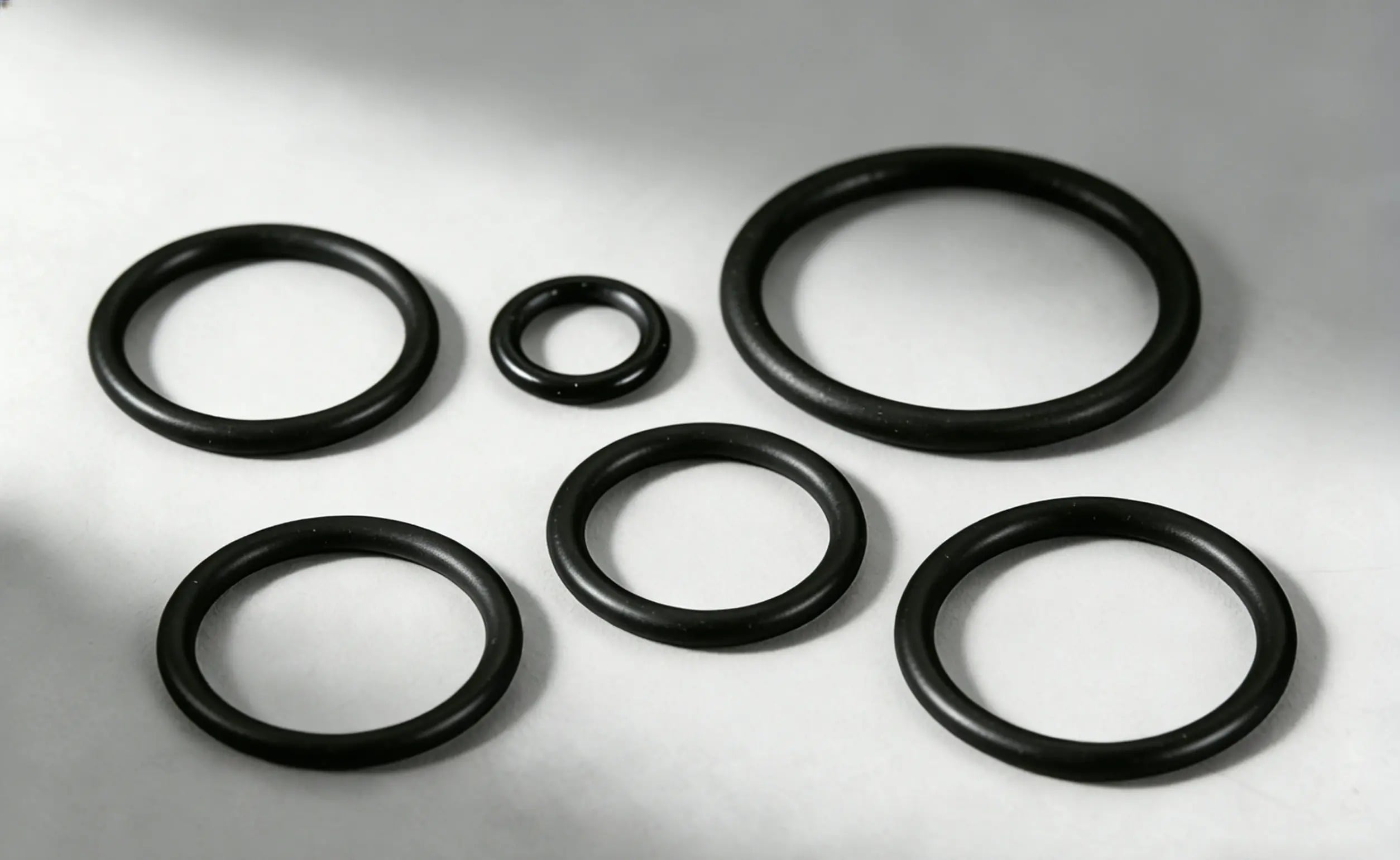
Industrial equipment operates under demanding conditions that push components to their limits. Friction, heat, contamination, and pressure fluctuations create constant wear on rotating shafts and hydraulic systems. The integrity of these systems depends heavily on effective sealing solutions that prevent leakage, reduce friction, and extend equipment life. A lip seal stands as one of the most critical components in achieving this reliability, particularly when engineered from advanced materials like polytetrafluoroethylene (PTFE). Understanding how PTFE rotary lip seals function and why they matter can fundamentally change how you approach equipment maintenance and longevity.
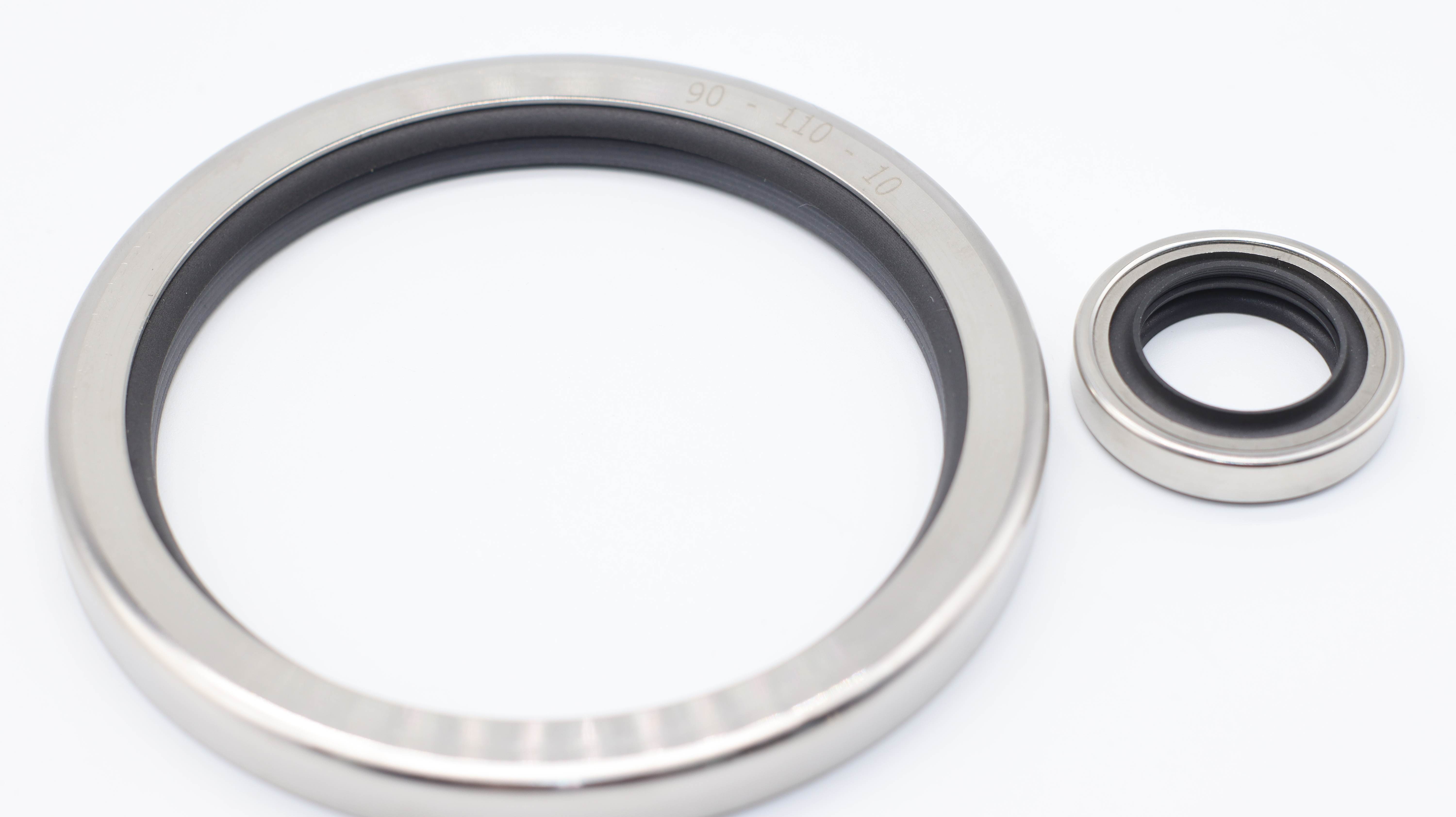
A lip seal is a dynamic sealing device that prevents fluid or contaminant ingress in rotating shaft applications. Unlike static seals, the lip seal must maintain contact with the rotating surface while allowing controlled movement and minimizing frictional heat generation. In modern industrial systems, the lip seal has evolved from basic elastomeric designs to sophisticated multi-material constructions. PTFE rotary lip seals represent the highest tier of this evolution, offering superior performance across temperature ranges, chemical compatibility, and durability metrics that traditional materials cannot match. This advancement directly translates into reduced downtime, lower maintenance costs, and measurable improvements in equipment reliability across manufacturing, petrochemical, and heavy equipment sectors.
How PTFE Rotary Lip Seals Enhance Sealing Performance
Superior Material Properties of PTFE in Lip Seal Design
Polytetrafluoroethylene (PTFE) possesses exceptional chemical resistance, low friction characteristics, and stable performance across extreme temperature ranges. When manufactured as a lip seal, PTFE delivers these benefits directly into the sealing interface where they matter most. The lip seal constructed from PTFE maintains its sealing effectiveness in environments where elastomeric seals would degrade or lose their sealing properties. This material science advantage means the lip seal can operate reliably in contact with aggressive hydraulic fluids, mineral oils, synthetic lubricants, and even aqueous solutions without swelling, hardening, or losing elasticity. The inherent low-friction nature of PTFE reduces the torque required to rotate shafts fitted with the lip seal, resulting in energy savings and reduced wear on bearing systems.
Reducing Leakage and Contamination Ingress
The primary function of any lip seal is to create a barrier that prevents fluid escape and blocks external contaminants from entering the sealed chamber. A PTFE rotary lip seal achieves this through precision engineering of the sealing edge geometry and material selection that ensures consistent contact pressure. The lip seal design maintains a thin film of lubricant between the seal edge and rotating shaft, creating a dynamic seal that adapts to minor shaft surface variations. This adaptive sealing mechanism means the lip seal prevents catastrophic leakage while maintaining low frictional resistance, a balance that traditional seals struggle to achieve. In demanding applications where equipment downtime translates directly to lost production or safety risks, the reliability of the lip seal becomes non-negotiable.
Industrial Applications Where PTFE Lip Seals Prove Critical
Hydraulic and Pneumatic Systems
Hydraulic actuators, motors, and pumps depend on precision sealing to maintain system pressure and efficiency. A lip seal in these applications must withstand extreme pressures, rapid cycling, and exposure to hydraulic fluids formulated with various additives and viscosities. PTFE rotary lip seals excel in these environments because the material resists the swelling and degradation that compromises traditional elastomeric seals under sustained chemical exposure. The lip seal geometry in hydraulic applications is engineered to handle pressure reversals and shock loads without losing its sealing integrity. Equipment operators report measurable improvements in system response time and reduced maintenance intervals when upgrading to PTFE rotary lip seals, particularly in mobile equipment and industrial machinery subjected to harsh operating conditions.
Rotating Machinery and Bearing Protection
Rotating shafts in pumps, motors, gearboxes, and compressors require constant protection against bearing contamination and lubricant loss. The lip seal serves as the first line of defense, maintaining bearing lubrication levels and blocking particulate matter that would otherwise damage precision components. A PTFE rotary lip seal maintains its protective function across the full operating speed range of industrial equipment, from low-speed heavy-load applications to high-speed precision machinery. The low friction characteristics of the lip seal reduce energy consumption compared to alternative sealing solutions, contributing to overall equipment efficiency improvements. Industrial maintenance teams recognize that installing quality PTFE rotary lip seals during equipment commissioning or overhaul significantly reduces bearing failures and extends the intervals between major maintenance events.
Chemical Processing and Temperature Extremes
Equipment operating in chemical plants, refineries, and specialized manufacturing environments faces exposure to corrosive substances and extreme temperatures that rapidly degrade conventional sealing materials. A lip seal manufactured from PTFE can withstand thermal cycling from cryogenic temperatures to high-heat processing conditions without losing its sealing properties or dimensional stability. The chemical resistance of PTFE means the lip seal maintains integrity when exposed to solvents, caustics, and other aggressive compounds that would swell or dissolve elastomeric alternatives. This reliability in extreme environments makes the PTFE rotary lip seal an essential component for equipment designed to operate in industries where failure is not an acceptable option.
Quantifiable Reliability Benefits and Maintenance Advantages
Extended Equipment Service Life and Reduced Downtime
Equipment fitted with PTFE rotary lip seals consistently demonstrates longer intervals between maintenance events and reduced frequency of seal-related failures. The lip seal degradation occurs at a much slower rate than traditional seals, directly extending the functional lifespan of the sealed equipment. Industrial operators report that upgrading to PTFE rotary lip seals reduces unexpected equipment shutdowns caused by seal failure, improving production scheduling and operational predictability. The lip seal also produces lower operating temperatures due to reduced friction, which contributes to overall system reliability and reduces thermal stress on adjacent components. When calculated across fleet-level operations or large manufacturing facilities, the aggregate reduction in downtime translates into significant competitive advantage and cost savings.
Lower Energy Consumption and Operating Cost Benefits
The friction reduction provided by PTFE rotary lip seals directly decreases the mechanical energy required to operate sealed equipment. A lip seal with lower frictional resistance means motors and drive systems consume less power, resulting in measurable energy cost reductions over extended operational periods. Industrial facilities implementing PTFE rotary lip seals across their equipment portfolio often achieve energy savings sufficient to justify the higher material cost of upgrading from conventional seals. The lip seal efficiency gains are particularly pronounced in high-speed applications and continuous-duty operations where cumulative friction losses compound over time. Facilities with sustainability or energy efficiency mandates recognize PTFE rotary lip seals as a cost-effective engineering solution that delivers both performance and environmental benefits.
Selecting and Installing PTFE Rotary Lip Seals Correctly
Critical Specification and Compatibility Factors
Proper selection of a lip seal requires careful attention to shaft diameter, operating pressure, fluid compatibility, temperature range, and rotational speed specifications. A PTFE rotary lip seal must be sized precisely to fit the application environment without over-compression or under-compression of the sealing element. The lip seal compatibility with specific hydraulic fluids or lubricants must be verified during the selection process because even PTFE materials can experience dimensional changes when exposed to certain specialized formulations. Consulting published material compatibility charts and working with seal manufacturers ensures the lip seal will perform reliably throughout the equipment's expected service life. The lip seal specification also includes gland design considerations, as the sealing cavity geometry influences how effectively the seal performs under dynamic conditions.
Installation Best Practices and Maintenance Protocols
Installing a lip seal correctly requires attention to shaft cleanliness, proper lubrication during installation, and appropriate tightening of retaining hardware. A PTFE rotary lip seal can be damaged during installation if the shaft surface is contaminated with debris or if excessive force is used to seat the seal. Maintenance personnel should follow manufacturer-provided installation procedures, including use of installation sleeves to protect the seal during assembly. The lip seal performance depends heavily on ongoing system cleanliness and fluid condition monitoring because particulate contamination can accelerate seal degradation. Establishing preventive maintenance routines that include regular fluid analysis, visual seal inspections, and timely replacement based on performance indicators ensures PTFE rotary lip seals deliver their full reliability potential.
FAQ
What is the primary advantage of PTFE in lip seal applications compared to elastomeric seals?
PTFE offers superior chemical resistance, stable performance across extreme temperature ranges, and lower friction characteristics than traditional elastomeric materials. A lip seal manufactured from PTFE resists swelling, degradation, and hardening when exposed to aggressive fluids, maintaining consistent sealing performance in environments where conventional seals fail quickly. The low-friction advantage of PTFE rotary lip seals also reduces energy consumption and operating temperatures, contributing to improved overall equipment reliability and reduced maintenance costs.
How does a lip seal maintain sealing effectiveness while allowing shaft rotation?
A lip seal creates a dynamic seal through precision contact between the seal's edge and the rotating shaft surface. The lip seal maintains a thin layer of lubricant in the sealing interface, which reduces friction while preventing fluid leakage and blocking contaminant ingress. The PTFE rotary lip seal geometry adapts to minor shaft surface variations, ensuring consistent sealing performance across the full operating speed range of the equipment. This dynamic sealing mechanism requires proper lubrication and shaft surface finishing to function effectively throughout the seal's service life.
What maintenance practices extend the operational life of PTFE rotary lip seals?
Maintaining equipment cleanliness, monitoring fluid condition, and following proper installation procedures are essential to maximizing lip seal longevity. A lip seal performs optimally when system lubricants remain free from excessive particulate contamination and maintain appropriate viscosity specifications. Regular inspection of sealed equipment, attention to operating temperature levels, and timely replacement of the lip seal when wear indicators appear prevent catastrophic failures and ensure sustained equipment reliability. Working with equipment manufacturers to establish maintenance schedules tailored to specific operating conditions helps ensure that PTFE rotary lip seals deliver their full service life potential.