
 EN
EN
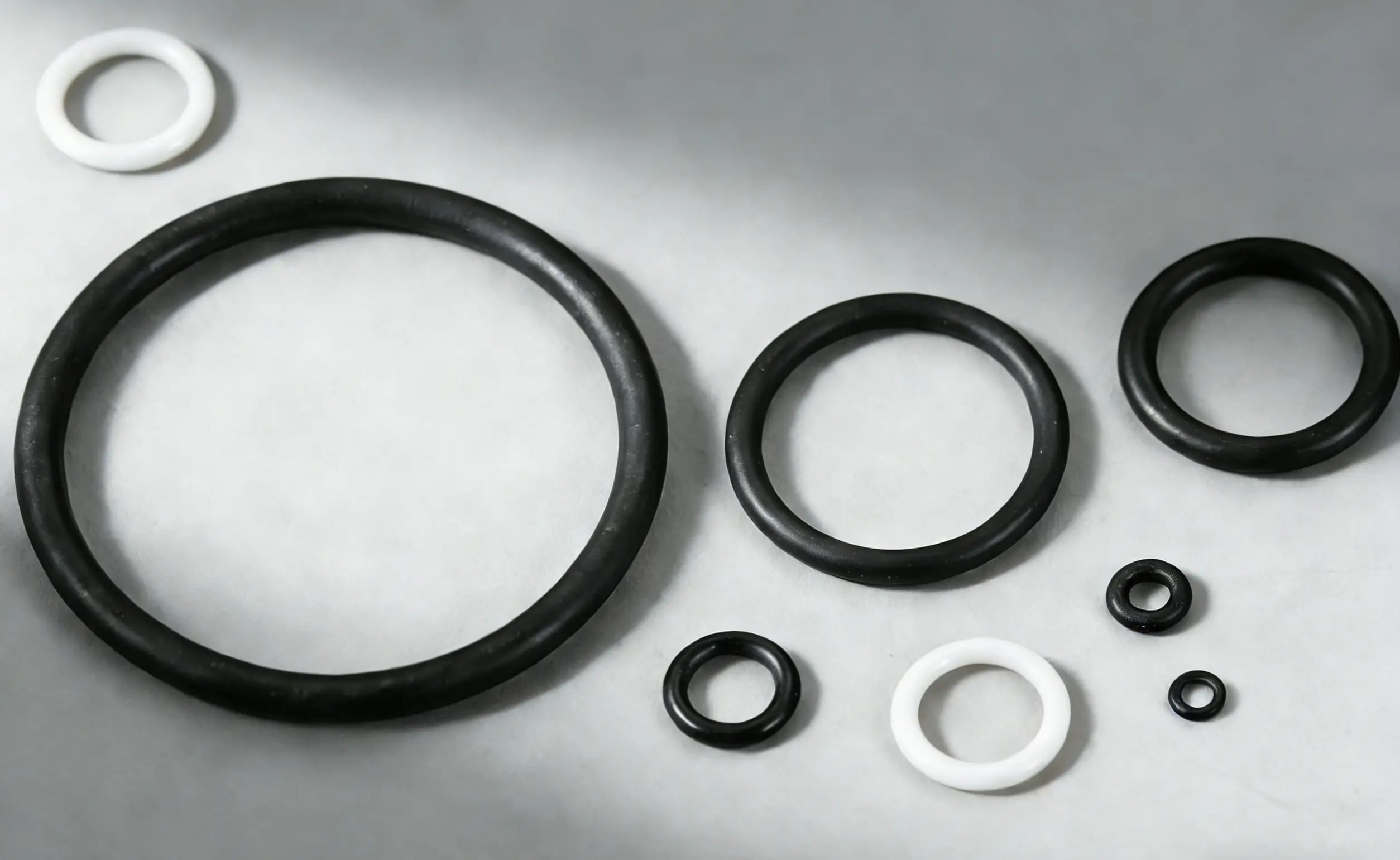
A lip seal represents one of the most critical components in rotating machinery exposed to harsh chemical conditions. The choice of material directly influences operational reliability, maintenance costs, and equipment longevity. PTFE-based lip seal designs have emerged as the preferred solution for industries ranging from petrochemical processing to pharmaceutical manufacturing, where exposure to corrosive fluids demands exceptional resistance and consistent performance over extended operating periods.
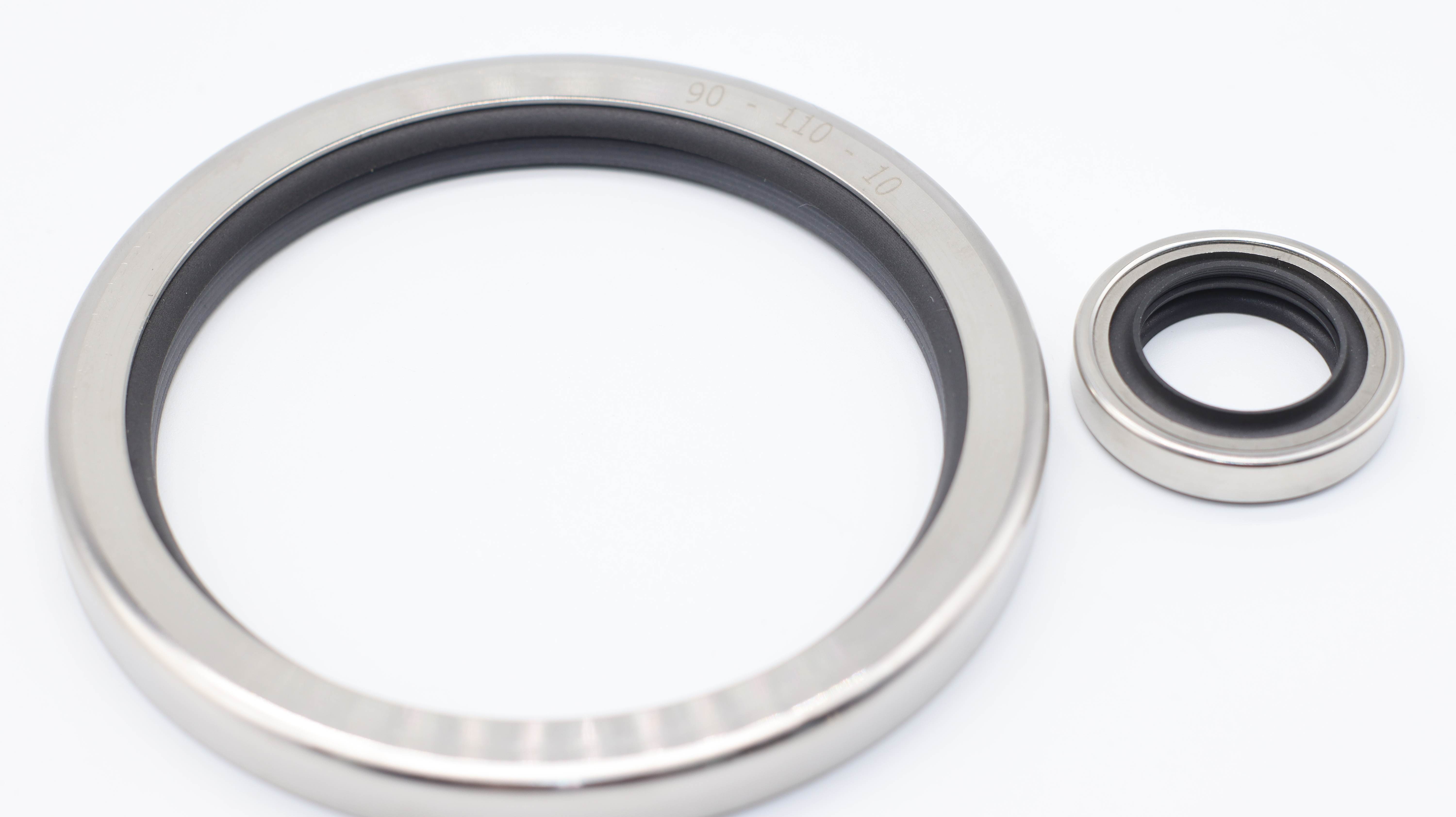
Understanding the material performance characteristics of a lip seal in aggressive chemical environments requires examining chemical compatibility, thermal stability, and mechanical durability under real-world conditions. A properly designed lip seal maintains its sealing properties while resisting degradation from petroleum products, solvents, acids, bases, and other aggressive fluids that would compromise conventional elastomer materials. This article explores the specific advantages that PTFE-based lip seal formulations deliver and how to evaluate material suitability for your application.
Chemical Resistance and Material Compatibility of Lip Seal Solutions
Superior Performance Against Corrosive Fluids
PTFE lip seal materials demonstrate exceptional resistance to virtually all common industrial chemicals. Unlike traditional elastomer-based lip seal options, PTFE maintains its structural integrity when exposed to aggressive solvents, mineral oils, synthetic fluids, and strong chemical compounds. This chemical compatibility ensures that a lip seal manufactured from PTFE will not swell, degrade, or lose elasticity when in contact with harsh process fluids.
The inert nature of PTFE makes a lip seal ideal for applications involving aromatic hydrocarbons, chlorinated solvents, and acidic or alkaline process streams. In petrochemical facilities, a properly specified lip seal containing PTFE withstands prolonged exposure to crude oil derivatives, fuels, and specialty chemicals without experiencing the material deterioration that compromises conventional lip seal designs. This chemical durability directly translates to reduced leakage rates and extended service intervals between seal replacements.
Temperature Stability and Performance Range
Temperature extremes represent a major challenge for any lip seal operating in chemical environments. PTFE-based lip seal formulations maintain consistent sealing performance across a broader temperature range than conventional alternatives, typically functioning reliably from approximately minus forty degrees Celsius to plus two hundred degrees Celsius. This thermal stability is particularly valuable in processes where exothermic reactions generate localized heat or where aggressive chemicals require elevated processing temperatures.
A lip seal that can maintain its elasticity and sealing force across this extended temperature range eliminates the need for separate high-temperature and low-temperature seal specifications. In chemical processing environments where temperature fluctuations occur during equipment startup, shutdown, or seasonal variations, a single lip seal material selection simplifies procurement and inventory management while improving overall system reliability.
Mechanical Durability and Operational Reliability of Lip Seal Components
Wear Resistance and Extended Service Life
The mechanical properties of a PTFE-based lip seal contribute directly to extended component life in demanding rotating equipment applications. PTFE exhibits excellent wear resistance when operating under the high contact pressures typical of rotary equipment, resisting the accelerated degradation that occurs in standard elastomer lip seal designs. The low coefficient of friction inherent to PTFE means a lip seal generates minimal heat during operation, which further reduces thermal stress and prevents the performance degradation that limits conventional seal lifespans.
In chemical processing facilities where unplanned downtime carries substantial operational and financial consequences, a lip seal engineered from PTFE compounds delivers measurable reliability advantages. Field experience demonstrates that PTFE-based lip seal installations routinely operate for two to four times longer than traditional elastomer designs before requiring replacement. This extended service life translates directly to lower maintenance frequencies, reduced spare parts inventory requirements, and improved equipment availability throughout the operating year.
Dimensional Stability and Sealing Consistency
Chemical exposure frequently causes dimensional changes in conventional lip seal materials through absorption, swelling, or chemical degradation. A PTFE lip seal demonstrates superior dimensional stability because PTFE does not absorb liquids or swell significantly when exposed to aggressive chemicals. This property ensures that sealing contact geometry remains consistent throughout the operational life of the lip seal, maintaining low leakage rates and preventing the progressive loss of sealing effectiveness.
The stable geometry of a PTFE-based lip seal is particularly advantageous in precision applications where minimal leakage is mandated by environmental regulations or process requirements. Manufacturing facilities processing hazardous chemicals or operating under stringent environmental compliance standards benefit substantially from a lip seal formulation that maintains consistent sealing performance without the drift in leakage characteristics that necessitates emergency maintenance or premature seal replacement.
Selection and Application Guidance for Lip Seal Material Decisions
Evaluating Your Chemical Environment Requirements
Specifying the appropriate lip seal material begins with comprehensive understanding of the chemical composition, operating temperature, shaft speed, and pressure conditions within your equipment. For aggressive chemical environments, a systematic evaluation should compare PTFE-based lip seal candidates against conventional materials by assessing compatibility with specific process fluids through reference materials or compatibility testing. A PTFE lip seal offers clear advantages for applications involving corrosive, oxidizing, or otherwise aggressive chemical streams that rapidly degrade conventional elastomer alternatives.
The presence of exotic chemical additives, extreme pH values, or specialized industrial fluids often necessitates PTFE-based lip seal selection despite potentially higher initial material costs. Many manufacturing managers find that evaluating total cost of ownership, including labor for replacement and lost production from unplanned downtime, justifies PTFE lip seal adoption for critical equipment in chemical processing environments. This calculation becomes increasingly favorable as equipment size increases or production value at risk rises.
Implementation Considerations and Procurement Specifications
When implementing a PTFE lip seal specification, successful outcomes depend on accurate definition of shaft diameter, gland design, rotational direction, and anticipated pressure conditions during operation. A properly designed lip seal installation includes appropriate backup rings, support elements, and gland geometry that optimize contact pressure and fluid film formation at the sealing interface. Procurement specifications for a PTFE-based lip seal should reference recognized industry standards while clearly communicating chemical compatibility requirements to suppliers.
Training maintenance personnel on proper handling, installation, and inspection procedures for PTFE lip seal components ensures that the material advantages translate into reliable field performance. Many seal failures attributed to material inadequacy actually stem from improper installation, contamination during assembly, or incompatible support components. Establishing clear installation protocols and quality verification procedures maximizes the service life benefits that PTFE lip seal technology provides.
FAQ
Why is PTFE preferred for lip seal applications in chemical environments?
PTFE offers superior chemical resistance, dimensional stability, and thermal performance compared to conventional elastomers. A PTFE lip seal resists swelling and degradation when exposed to aggressive fluids, maintains consistent sealing geometry throughout its service life, and operates reliably across an extended temperature range. These properties combine to deliver longer service intervals, lower leakage rates, and reduced maintenance costs in chemical processing applications where conventional lip seal materials fail prematurely.
What temperature range can a PTFE lip seal handle effectively?
PTFE-based lip seal formulations typically maintain satisfactory performance from approximately minus forty degrees Celsius to plus two hundred degrees Celsius, depending on specific compound composition and application pressures. This wide operating window eliminates the need for multiple seal material specifications across seasonal variations or different process conditions. A PTFE lip seal designed for high-temperature operation may have slightly different compound properties than one optimized for low-temperature flexibility, so communicate your specific temperature extremes when procuring seals.
How does a PTFE lip seal compare to elastomer seals in service life?
Field installations demonstrate that PTFE lip seal components routinely operate for two to four times longer than conventional elastomer designs in aggressive chemical environments. The superior wear resistance, dimensional stability, and chemical compatibility of a PTFE lip seal translate directly to extended replacement intervals and reduced total maintenance costs. In harsh chemical processing facilities, upgrading to PTFE-based lip seal technology frequently pays for itself within the first replacement cycle through reduced downtime and labor expenses.