 EN
EN

- Overview
- Recommended Products
Commercial Terms of Products:
Minimum Order Quantity |
NO MOQ |
Packaging Details |
Per bag In Cartons |
Delivery Time |
15 Days (Rush Manufacturing Available) |
Payment Terms |
Flexible Payment Terms Available Based on Project Requirements |
Overview
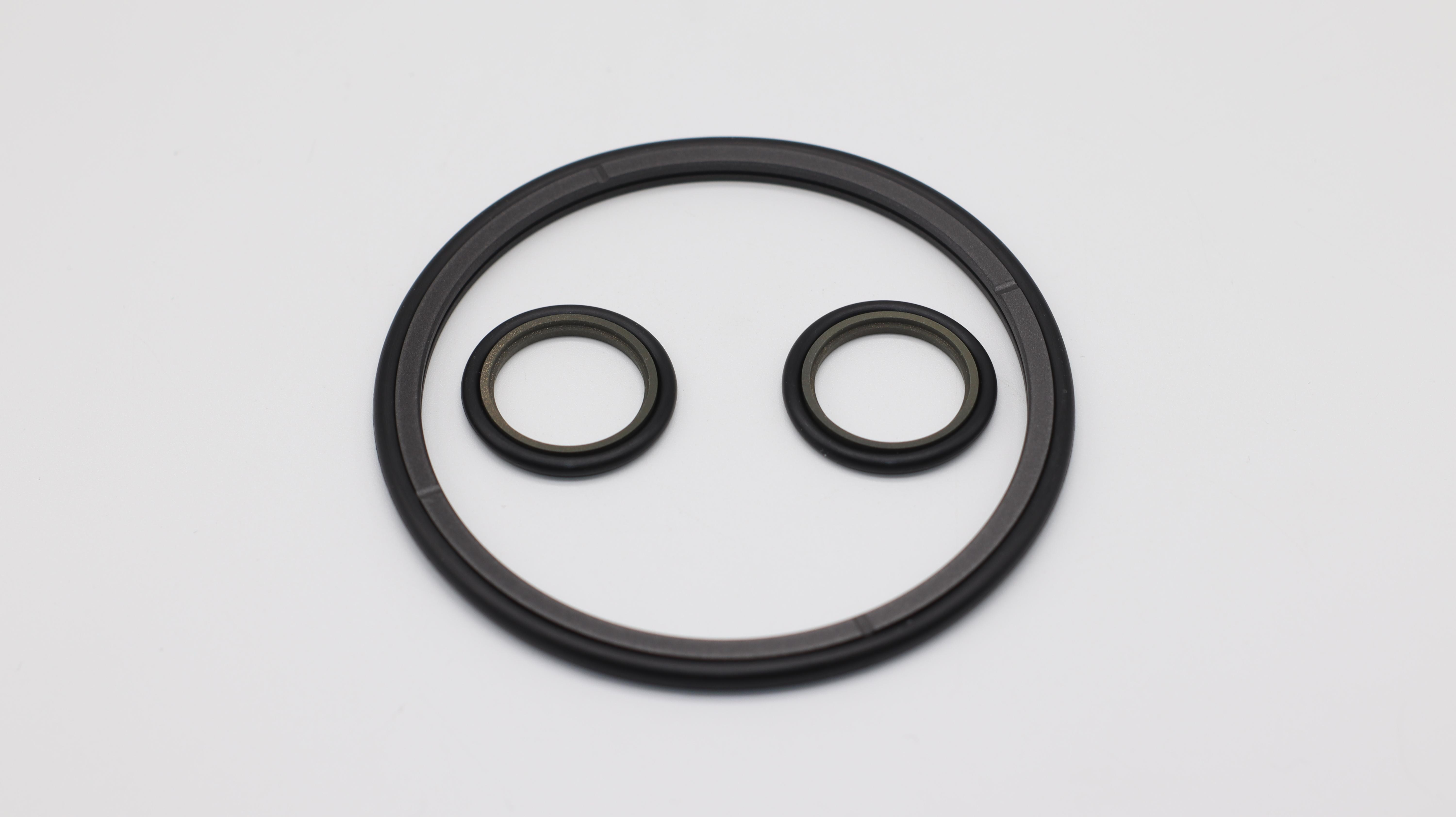
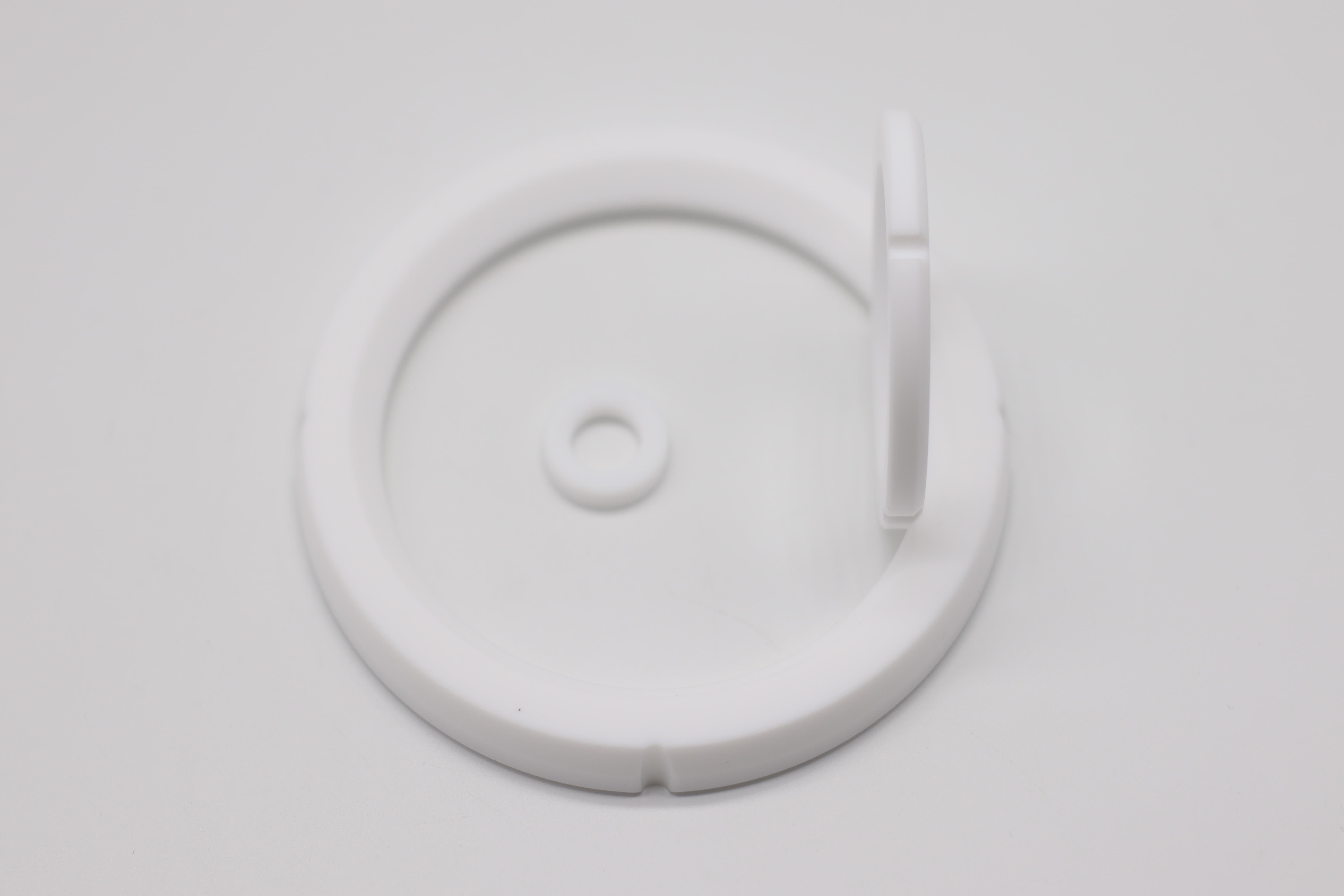
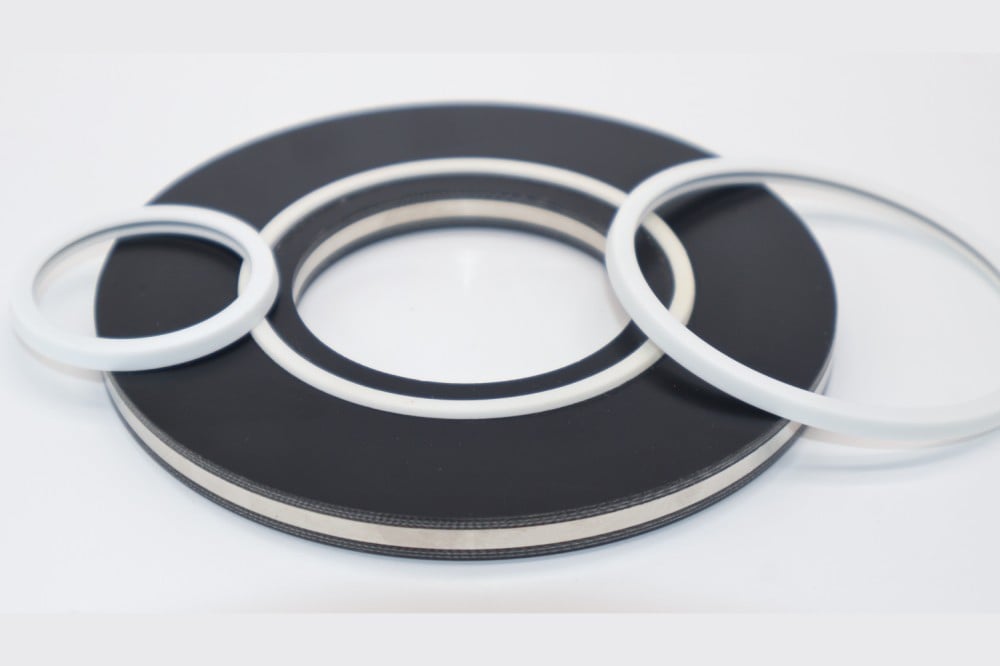
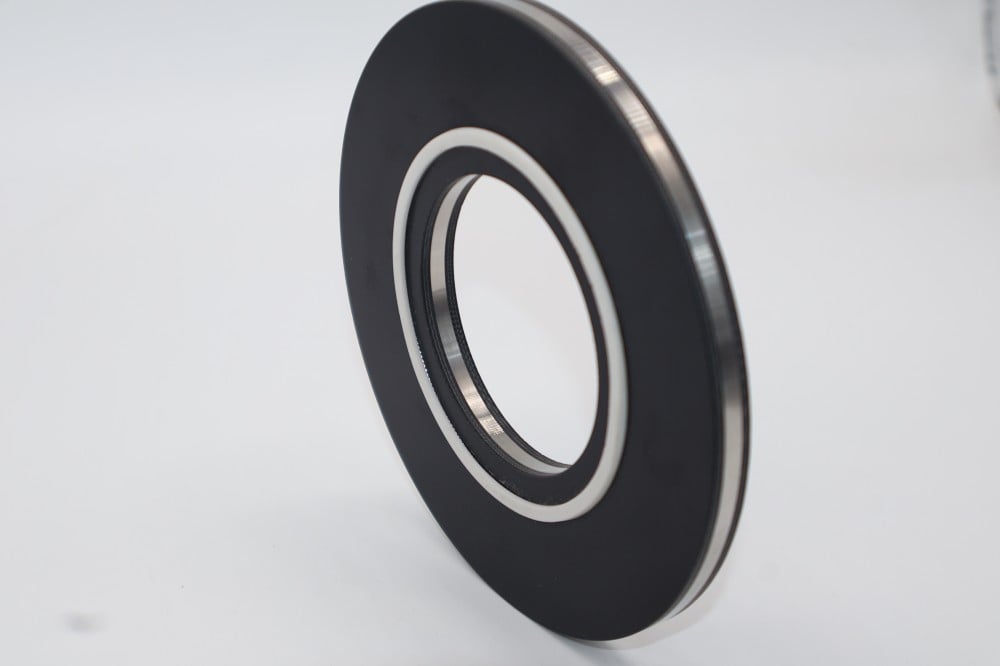
Tesel Seal provides high-performance flange insulation gaskets engineered for end-face sealing across RF, FF, and RTJ flange types. These gaskets ensure reliable sealing and electrical isolation in demanding oil, gas, petrochemical, and LNG applications.
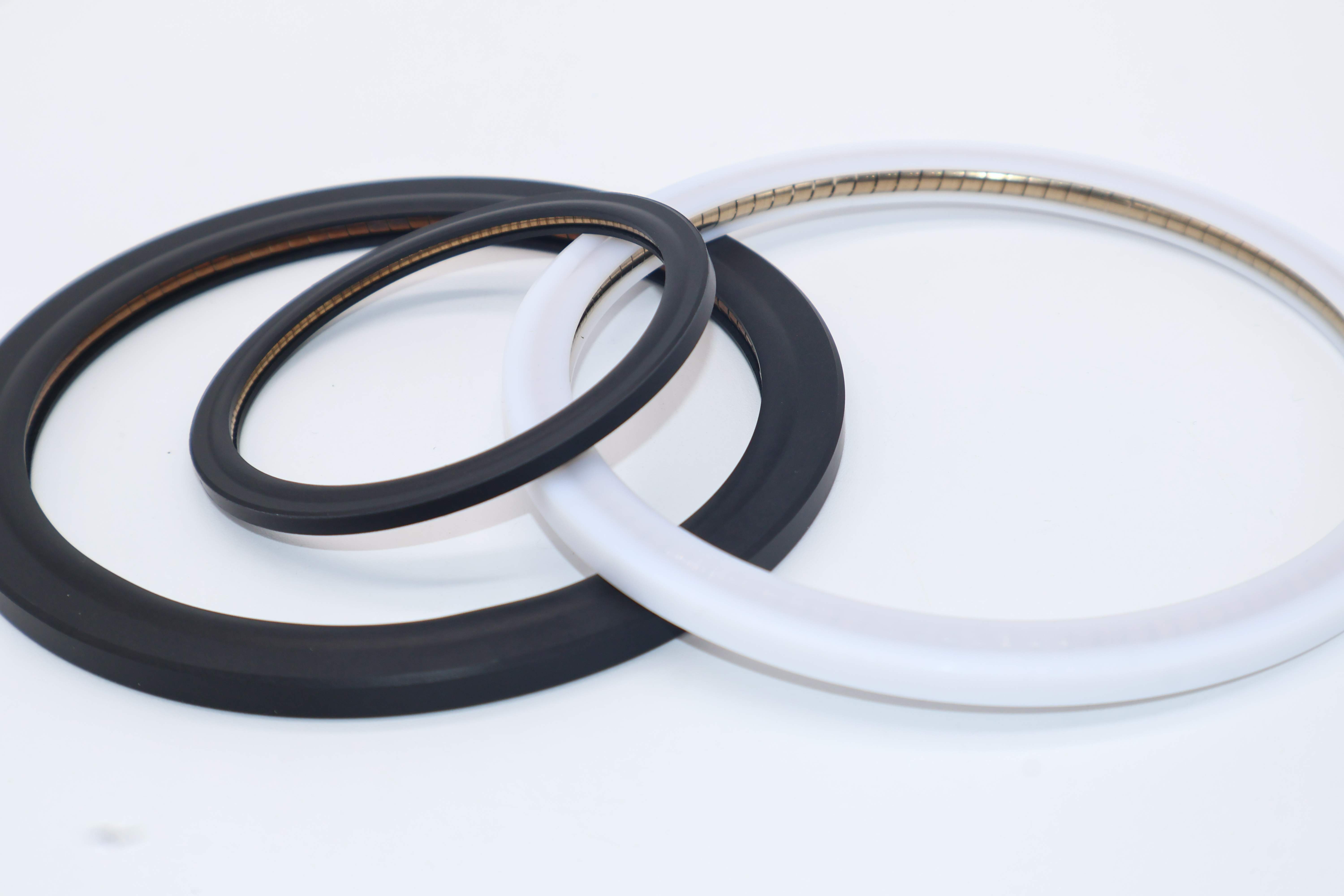
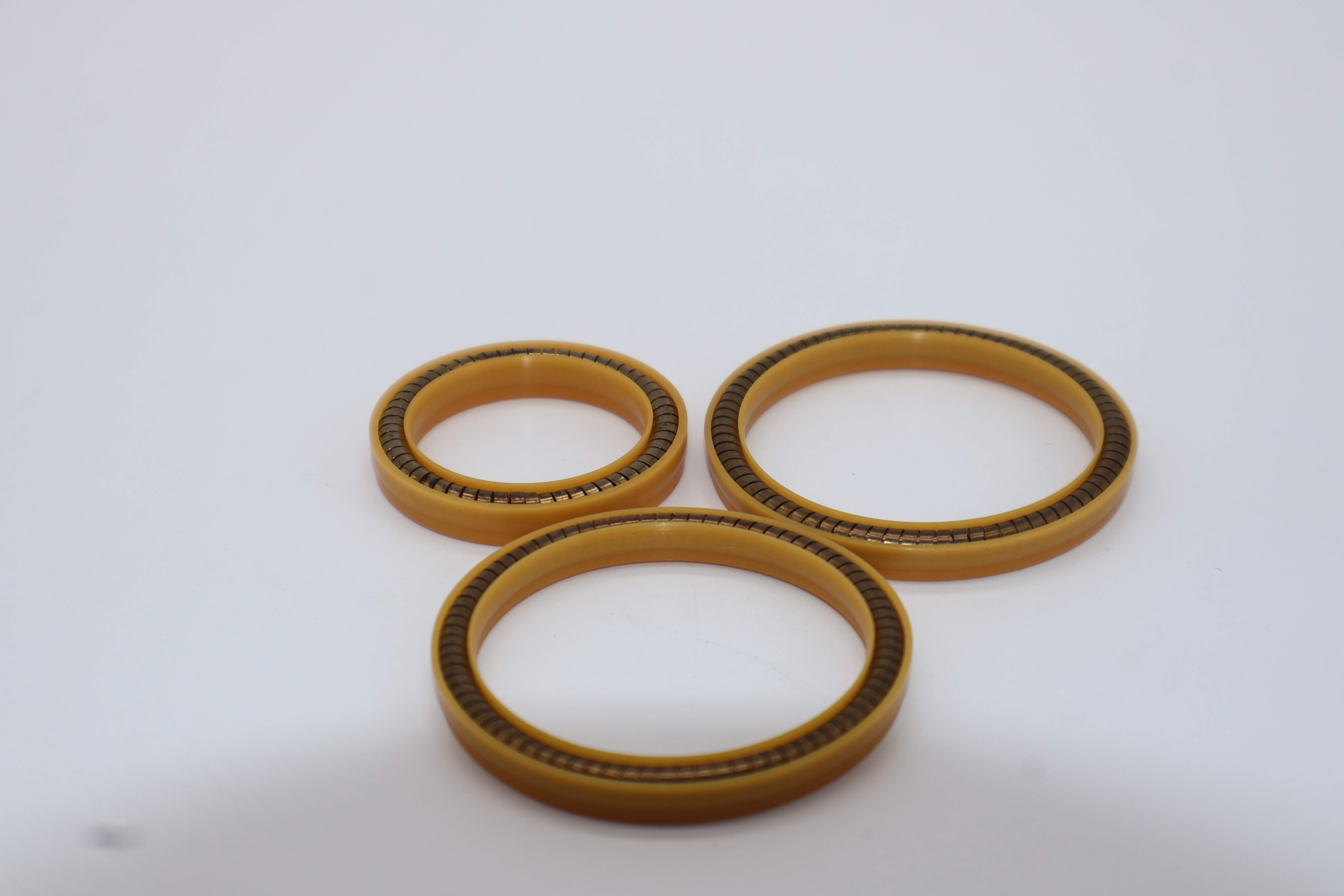
Each gasket features a high-strength epoxy resin bonded to stainless steel plates, delivering complete electrical insulation. An integrated PTFE jacket with a densely wound spring ensures stable, leak-tight sealing performance under pressures up to 2500 LB.
Designed for corrosive environments including H₂S and CO₂, Tesel Seal delivers customized gasket solutions for long-term reliability and safe operation.
Technical Specifications
Parameter |
Value |
Flange Compatibility |
RF, FF, RTJ |
Pressure Rating |
Up to 2500 LB |
Sealing Material |
PTFE jacket with spring |
Backing Material |
Stainless steel plates with epoxy resin |
Corrosion Resistance |
H2S and CO2 environments |
Temperature Range |
Suitable for typical process conditions |
Key Features and Performance Advantages
• Universal Flange Compatibility – Designed for RF, FF, and RTJ flange faces.
• High Pressure Performance – Capable of withstanding pressures up to 2500 LB.
• Composite Insulating Design – High-strength epoxy resin bonded to stainless steel plates provides full electrical isolation.
• PTFE Jacket with Spring-Loaded Sealing – Ensures low friction, continuous sealing force, and leak-tight performance.
• Corrosion Resistance – Suitable for H2S, CO2, and aggressive chemical environments.
• Structural Stability – Stainless steel backing provides mechanical integrity and supports long-term durability.
• Reliable End-Face Sealing – Densely wound spring within the PTFE jacket maintains sealing performance under fluctuating pressures and temperatures.
Product Structure and Design
Tesel Seal flange insulation gaskets are engineered as advanced composite assemblies:
• Stainless steel plate backing with epoxy resin bonding on both faces for electrical insulation
• PTFE sealing jacket for chemical resistance and low friction
• Densely wound spring for continuous sealing force
• End-face design to ensure leak-tight performance under high pressure
This structure provides effective insulation while maintaining high-integrity sealing performance across all flange types and operating conditions.
Applications
Tesel Seal flange insulation gaskets are widely used in oil, gas, petrochemical, and LNG systems:
• Pipeline Flanges – Provide electrical isolation and leak-tight sealing in high-pressure pipelines.
• Process Vessels and Pumps – Ensure safe sealing while maintaining electrical insulation in critical process equipment.
• Offshore Platforms – Suitable for corrosive and high-pressure marine environments.
• Chemical and Petrochemical Systems – Resist aggressive media while maintaining sealing and insulation.
• LNG Systems – Maintain performance under low-temperature conditions while ensuring leak-tight integrity.
Design Considerations
When selecting flange insulation gaskets, consider:
• Pressure rating – Maximum operating pressure and system fluctuations
• Flange type – RF, FF, RTJ compatibility
• Corrosive environment – H2S, CO2, and chemical exposure
• Electrical insulation requirements – Epoxy bonding and stainless steel backing
• Sealing performance – PTFE spring-loaded sealing ensures leak-tight contact
• Installation constraints – Gasket thickness, flange spacing, and torque requirements
Failure Analysis and Optimization
Understanding potential failure modes ensures long-term reliability:
• Sealing Failure Under High Pressure – The spring-loaded PTFE jacket maintains continuous sealing force to prevent leaks.
• Corrosion of Base Materials – Stainless steel plates and epoxy bonding resist H2S and CO2, ensuring integrity.
• Material Degradation – PTFE provides chemical resistance to aggressive media and maintains low friction over time.
• Improper Installation – Correct alignment and torque application are critical to maintain insulation and sealing performance.
Optimizing gasket performance involves selecting the appropriate composite structure, verifying flange compatibility, and conducting field validation under representative operating conditions.
Common Questions and Answers
• Can these gaskets be used for all flange types? – Yes, they are suitable for RF, FF, and RTJ flanges.
• Are they resistant to H2S and CO2? – Yes, epoxy-bonded stainless steel backing and PTFE jacket ensure corrosion resistance.
• What pressure can these gaskets handle? – Up to 2500 LB; in API 6A applications, compatible with higher pressures.
• Is customization available? – Yes, Tesel Seal can provide tailored solutions for specific flange sizes, media, and operating conditions.
Call to Action
Prevent Leakage and Electrical Corrosion in Critical Flange Systems
Request a Quote Today
• Share your application conditions
• Receive optimized gasket design
• Fast engineering support within 24 hours