Chemical Resistant Seals

All Categories

chemical resistant seals

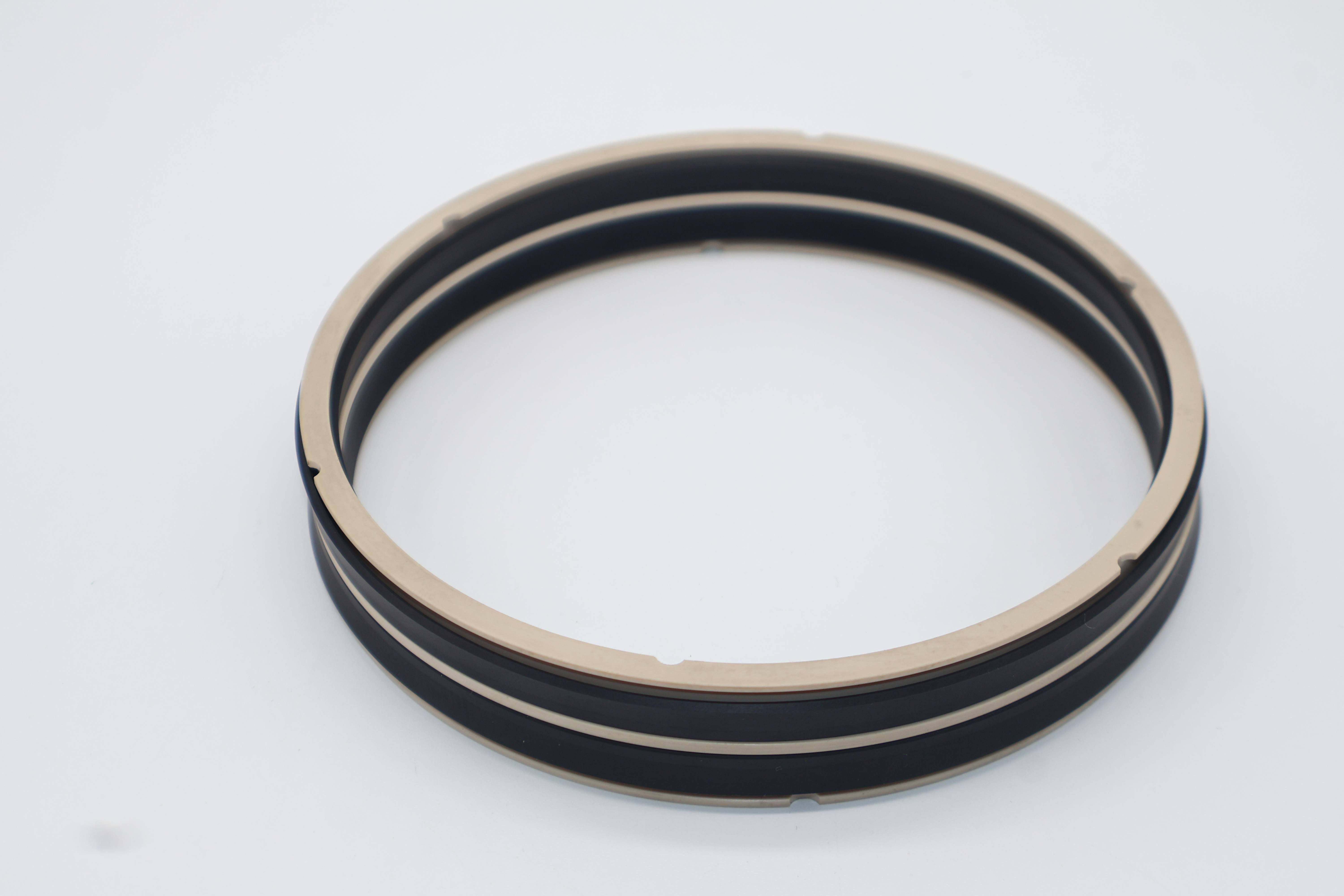
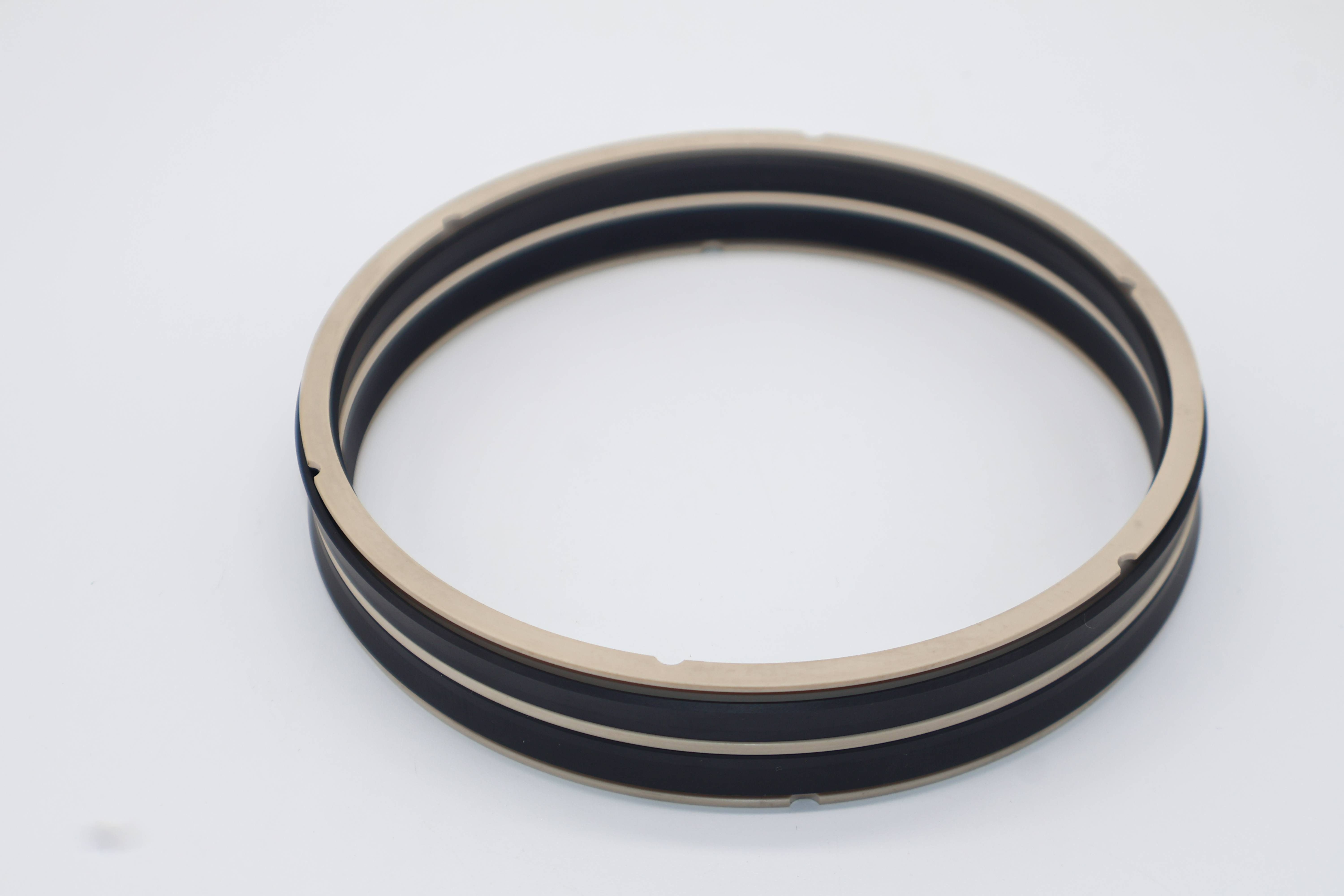
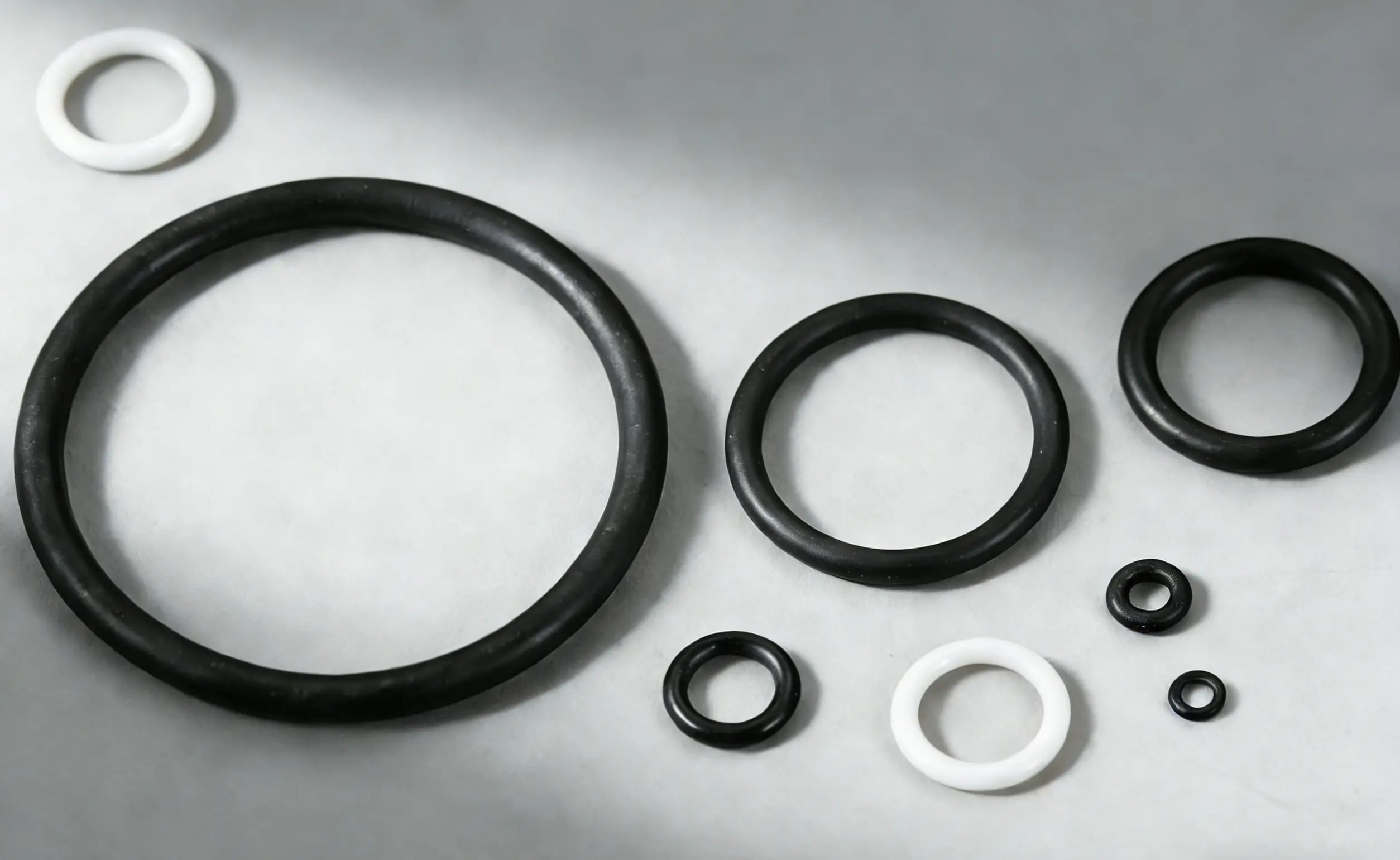
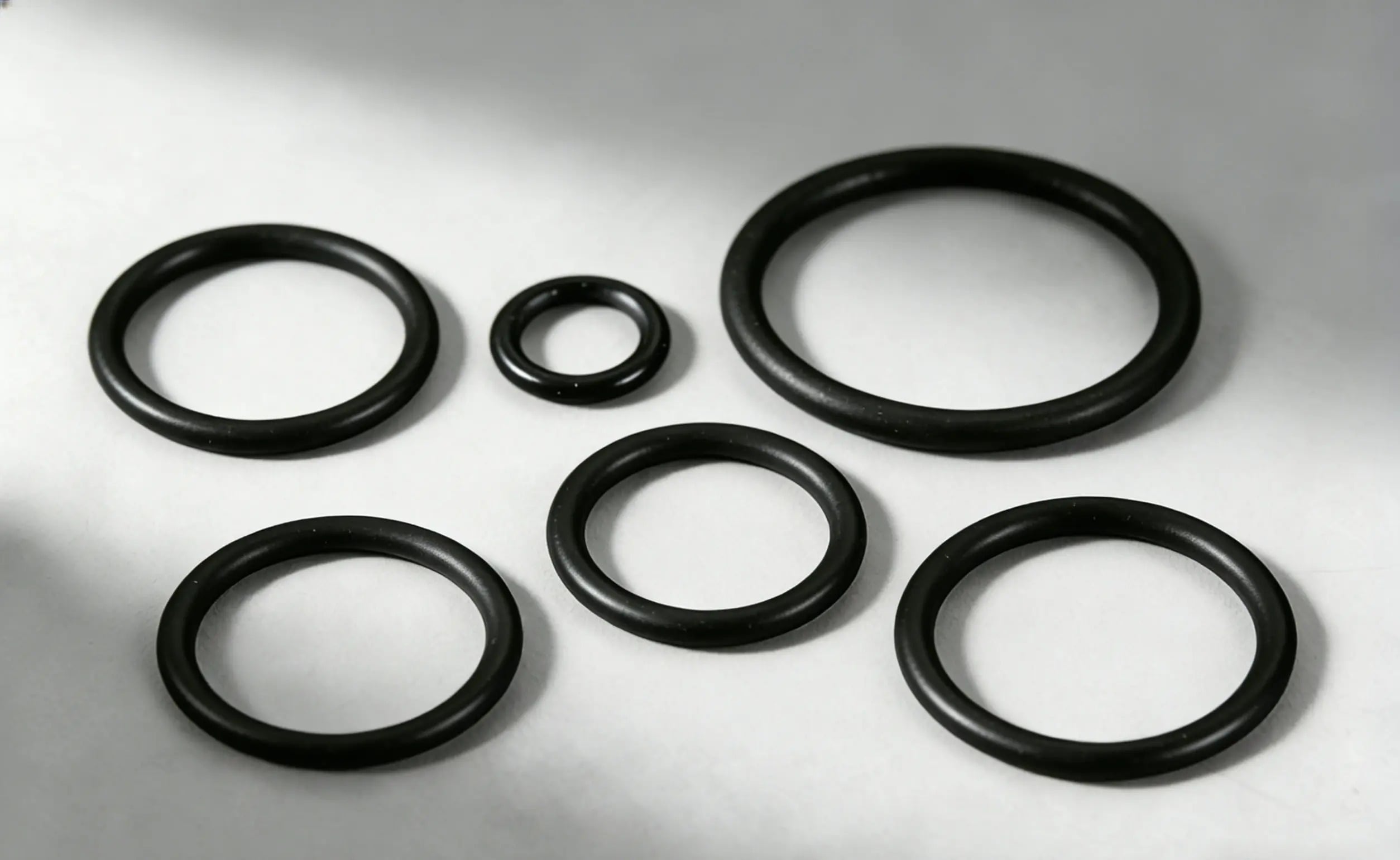
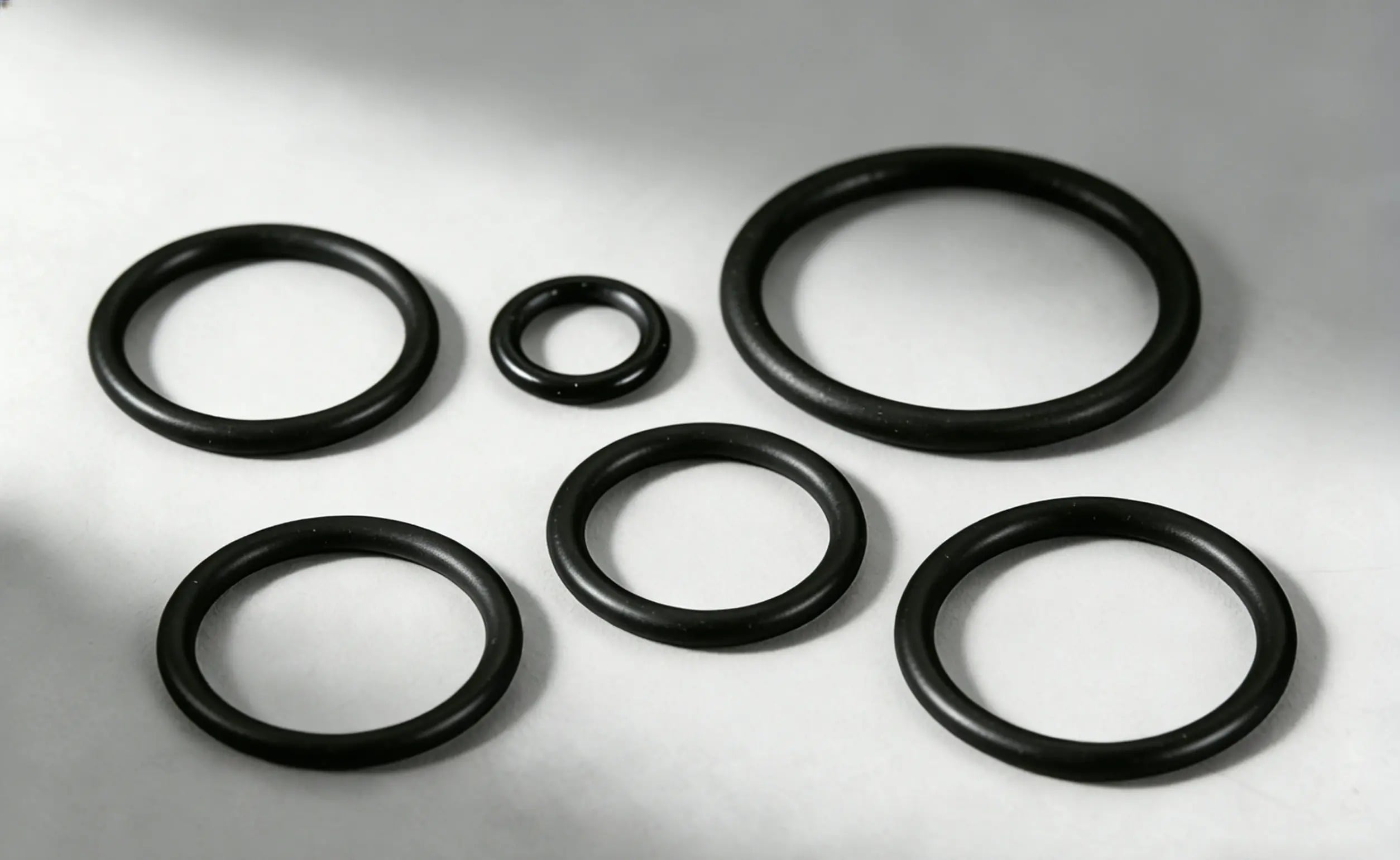
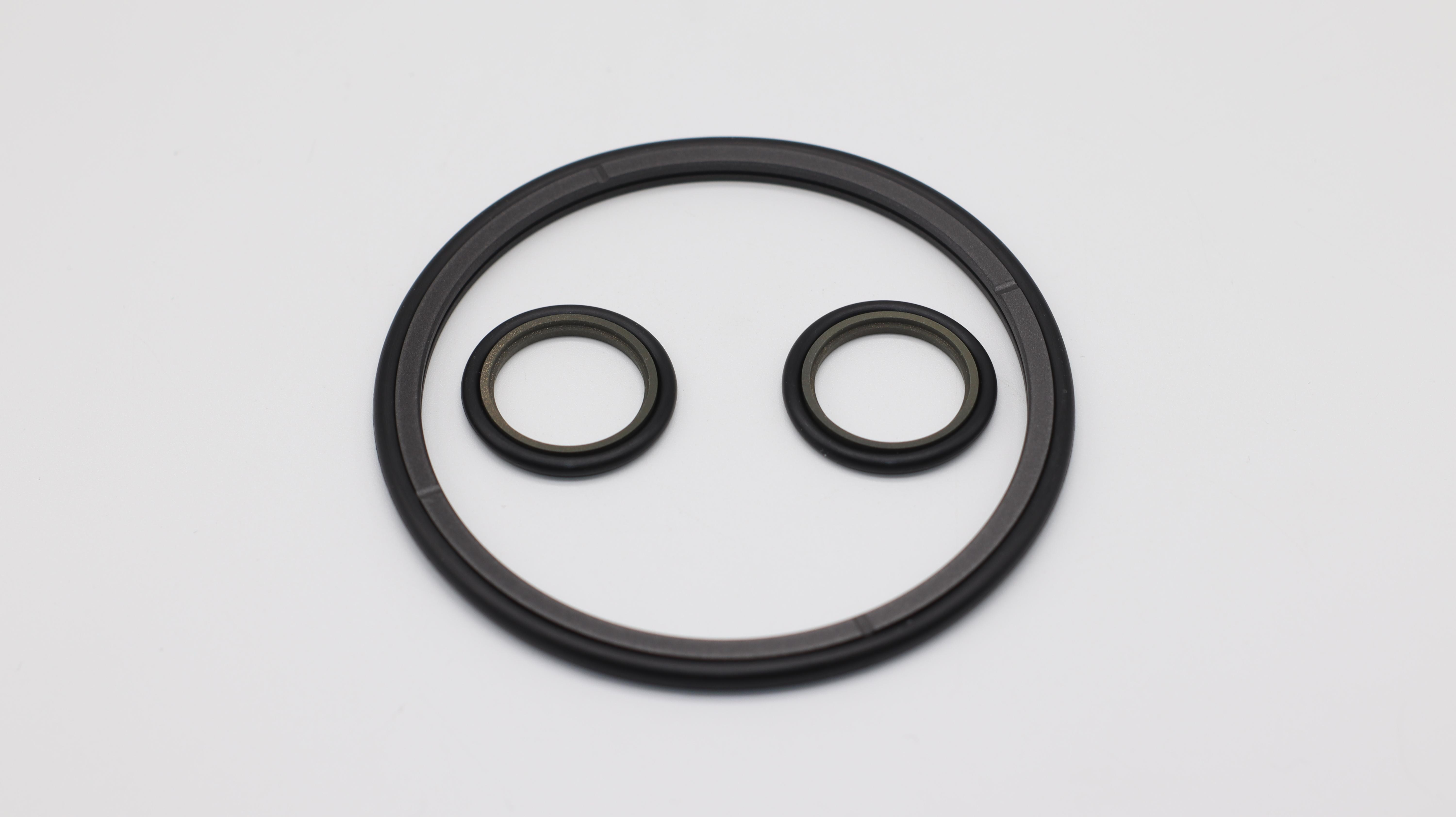
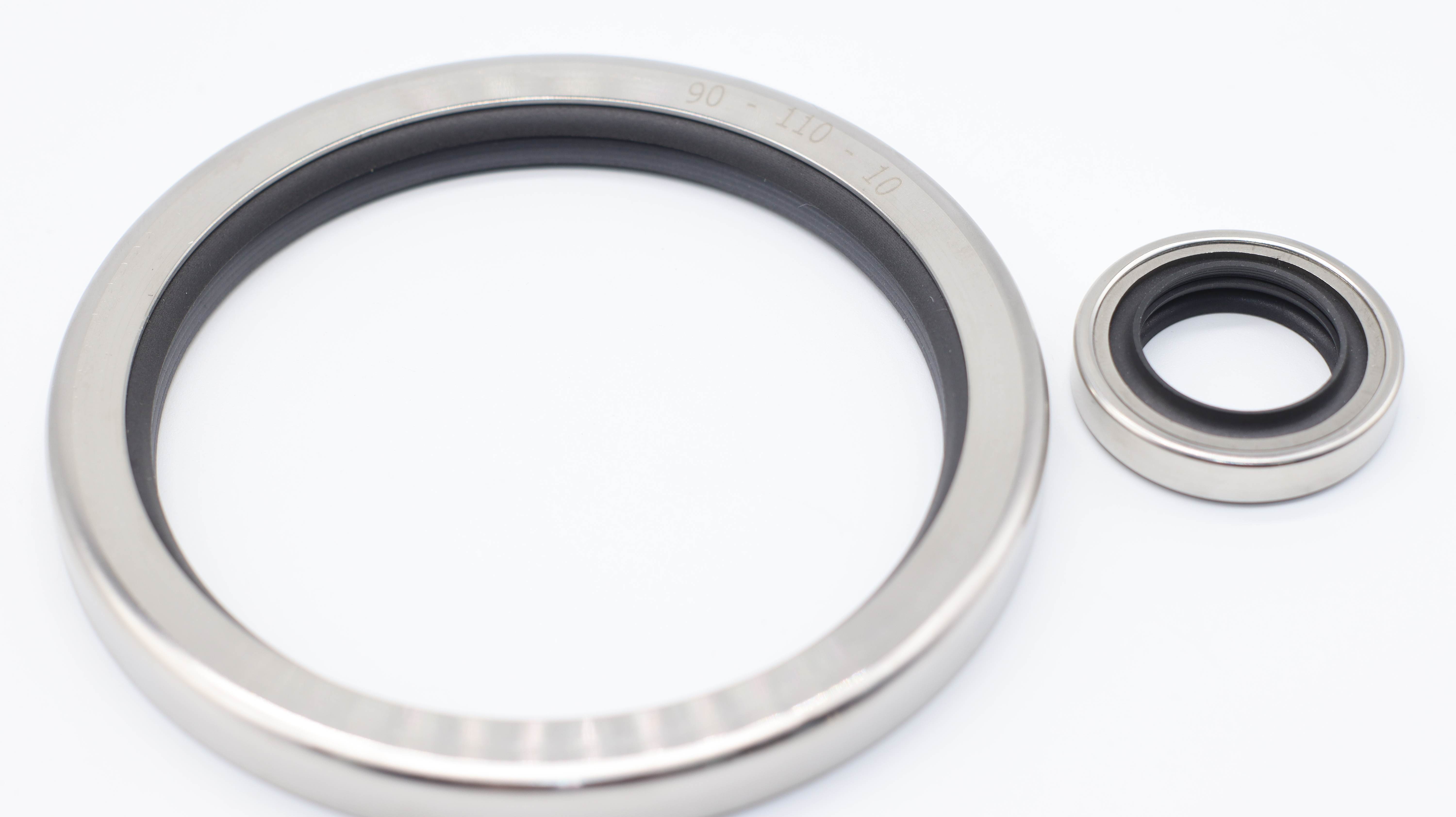
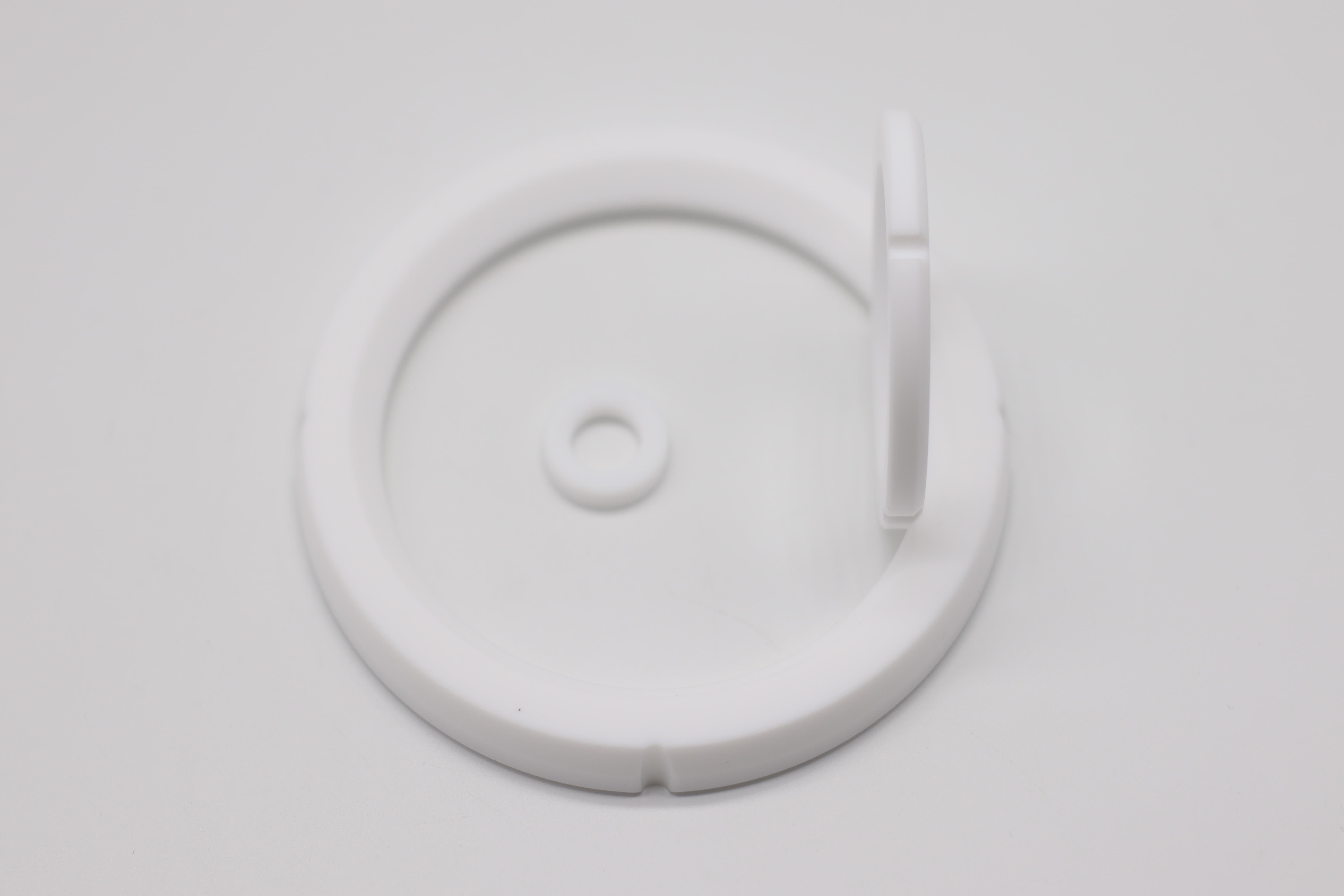
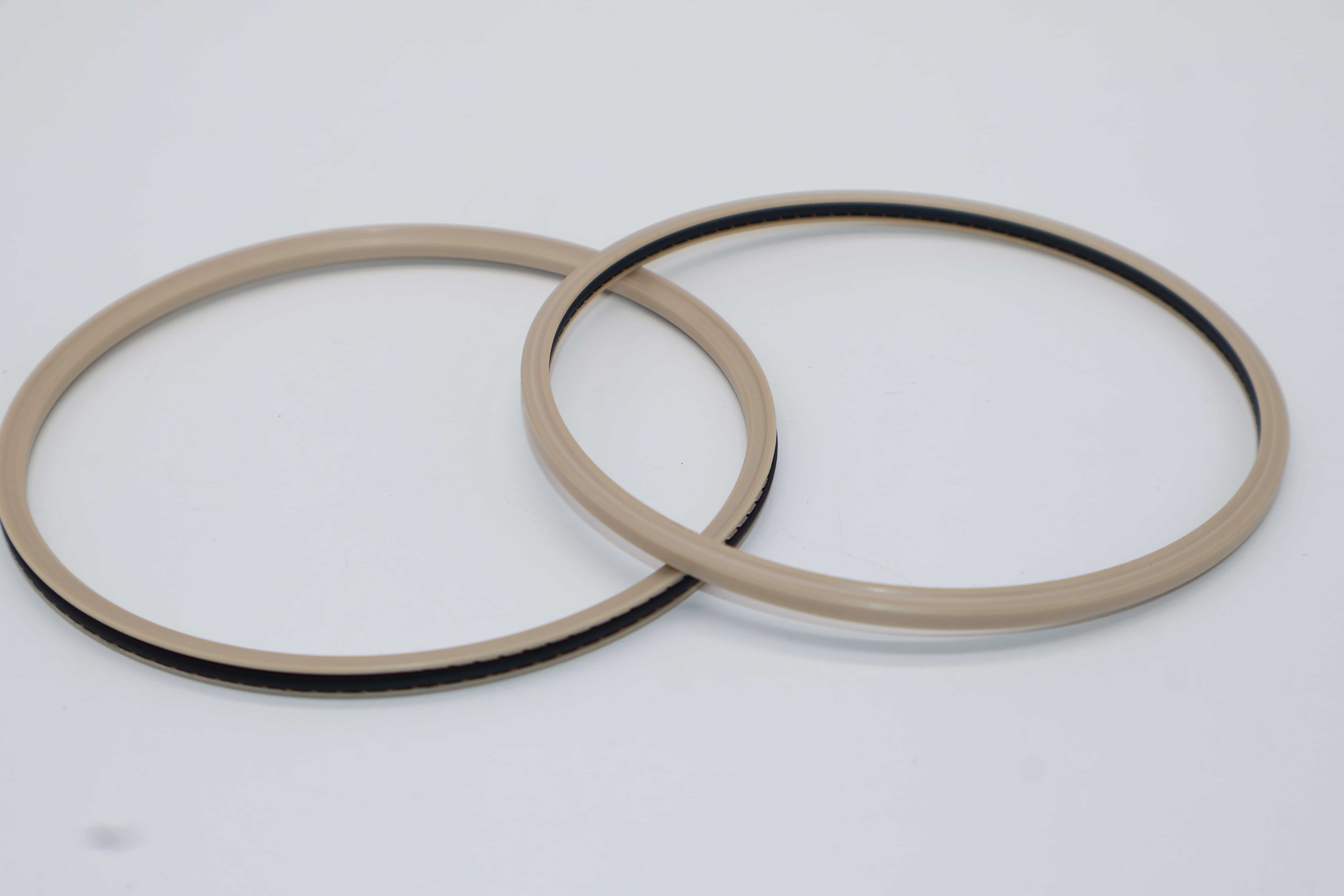
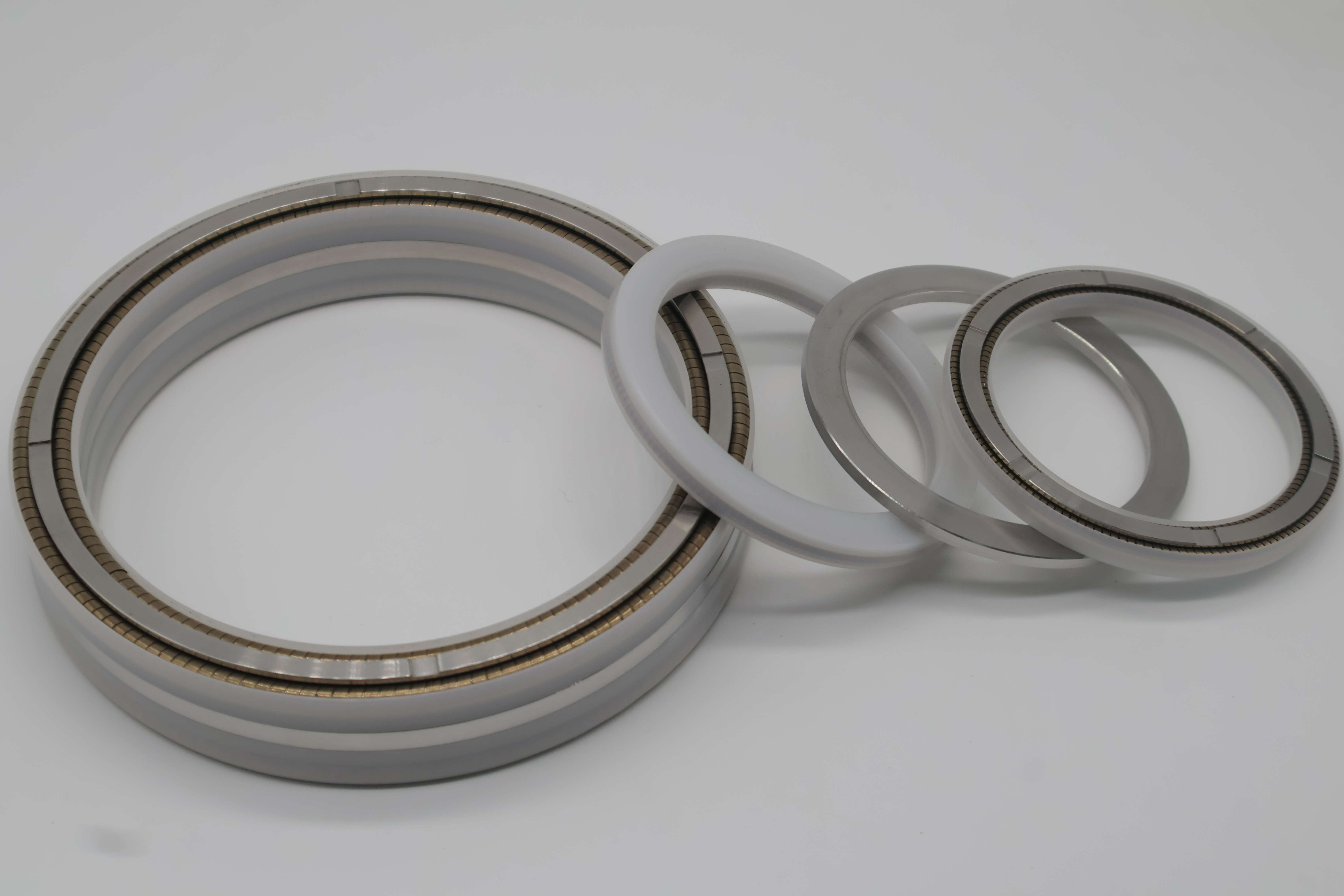
Chemical resistant seals are specialized components engineered to withstand exposure to harsh chemicals, oils, solvents, and corrosive substances without degrading or losing their sealing integrity. These seals function as critical barriers that prevent leakage and contamination in demanding industrial environments. Chemical resistant seals are manufactured from advanced elastomers and polymers specifically selected for their ability to maintain flexibility and durability when exposed to aggressive chemical compounds. The primary function of chemical resistant seals is to create airtight and liquid-tight barriers in equipment operating in chemically hostile conditions. They protect machinery from internal contamination while preventing hazardous substances from escaping into the environment. Chemical resistant seals are designed to maintain their performance across wide temperature ranges, ensuring reliable operation from extreme cold to elevated heat scenarios. Key technological features of chemical resistant seals include superior chemical compatibility, enhanced elasticity retention, and resistance to swelling and degradation. These seals utilize advanced material formulations that resist cracking, hardening, and brittleness when exposed to solvents, oils, and aggressive chemicals. Chemical resistant seals are engineered with precision tolerances to ensure consistent performance and long service life. Applications span across petrochemical processing, pharmaceutical manufacturing, food processing facilities, automotive component production, and wastewater treatment plants. Industries requiring chemical resistant seals benefit from reduced maintenance downtime, improved operational safety, and extended equipment lifespan in corrosive environments.

New Products

Chemical resistant seals deliver exceptional practical benefits that directly address the challenges faced by industries handling aggressive substances. The primary advantage is extended operational lifespan, as these seals maintain their integrity far longer than standard alternatives when exposed to harsh chemicals. This translates to reduced replacement frequency and significantly lower maintenance costs for facility operators. Another major operational benefit is enhanced safety performance. Chemical resistant seals prevent leakage of hazardous materials, protecting workers and the environment from exposure to dangerous substances. This critical safety feature helps organizations meet regulatory compliance requirements and avoid costly penalties. Chemical resistant seals offer superior cost efficiency through reduced downtime. Because they resist degradation from chemical exposure, facilities experience fewer unexpected failures and emergency maintenance situations. This reliability allows continuous production schedules and improved productivity. These seals demonstrate exceptional application versatility, functioning effectively across multiple industries from petrochemicals to pharmaceuticals. Chemical resistant seals adapt to diverse equipment types and operating conditions, making them a practical investment for varied industrial applications. The material quality of chemical resistant seals ensures consistent performance across temperature fluctuations and chemical exposure levels. Operators can confidently rely on these seals without constant monitoring or frequent replacement intervals. Chemical resistant seals also provide excellent value retention, as their durability justifies higher initial investment through extended service intervals. Organizations benefit from improved equipment reliability, reduced operational disruptions, and predictable maintenance scheduling when implementing quality chemical resistant seals throughout their facilities.

Tips And Tricks

How to Select Sealing Solutions for API 6A Valve Applications

03

Jun

How to Select Sealing Solutions for API 6A Valve Applications

Selecting the right API 6A valve sealing solution is one of the most consequential decisions in upstream oil and gas equipment design. API 6A governs wellhead and Christmas tree equipment, where pressure ratings reach 20,000 psi and service fluids in...
View More
Sealing Challenges in Wellhead and Christmas Tree Equipment

05

Jun

Sealing Challenges in Wellhead and Christmas Tree Equipment

Wellhead sealing is one of the most demanding engineering challenges in oil and gas production. Every wellhead assembly must maintain pressure integrity under extreme temperatures, aggressive media, and continuous mechanical stress. When wellhead sea...
View More
Metal Seal Material Selection for Corrosive High Pressure Industrial Environments

01

Jun

Metal Seal Material Selection for Corrosive High Pressure Industrial Environments

Selecting the right metal seal material is one of the most consequential decisions in industrial system design. When operating conditions combine high pressure with aggressive chemical exposure, the stakes become even higher. A poorly chosen metal se...
View More
Why PTFE Rotary Lip Seals Are Used in Dry-Running Applications and Their Limits

22

Jun

Why PTFE Rotary Lip Seals Are Used in Dry-Running Applications and Their Limits

When engineers design equipment that operates without liquid lubrication at the shaft interface, selecting the right sealing element becomes critical. A PTFE rotary lip seal is one of the few sealing solutions engineered to function reliably in dry-r...
View More

Get a Free Quote

Our representative will contact you soon.
Email
Name
Company Name
Attachment
Please upload at least an attachment
Up to 3 files, each no larger than 30MB. Supported formats: jpg, jpeg, png, pdf, doc, docx, xls, xlsx, csv, txt, stp, step, igs, x_t, dxf, prt, sldprt, sat, rar, zip.
Message
0/1000

chemical resistant seals

Superior Chemical Compatibility and Resistance

Superior Chemical Compatibility and Resistance

Chemical resistant seals are engineered with advanced elastomer compounds that withstand exposure to aggressive chemicals, solvents, oils, and corrosive substances without degradation. The material formulation prevents swelling, cracking, and hardening that typically occurs when standard seals encounter harsh chemical environments. This superior chemical compatibility ensures that chemical resistant seals maintain their structural integrity and sealing performance throughout extended exposure periods. The engineering behind these seals involves careful selection of base polymers and additives that create stable molecular bonds resistant to chemical penetration. Industries processing petroleum products, acids, bases, and industrial solvents depend on chemical resistant seals to prevent equipment failure. The resistance properties translate directly to reduced maintenance costs and improved operational reliability in chemically demanding applications.
Extended Service Life and Durability

Extended Service Life and Durability

Chemical resistant seals significantly extend equipment lifespan by resisting the degradation processes that compromise standard sealing components. These seals maintain their flexibility and elasticity even after prolonged chemical exposure, preventing the brittleness and loss of function that leads to leaks. Chemical resistant seals are designed to withstand thousands of operational cycles without developing micro-cracks or stress points. The durability advantage means facilities can operate equipment longer between maintenance intervals, reducing downtime and associated labor costs. Organizations utilizing chemical resistant seals experience fewer emergency repairs and unexpected production interruptions. The extended service intervals associated with these premium seals provide substantial savings over equipment lifespan, as replacement frequency decreases dramatically compared to conventional alternatives.
Comprehensive Environmental and Safety Protection

Comprehensive Environmental and Safety Protection

Chemical resistant seals play a crucial role in environmental protection by preventing hazardous substance leakage into surrounding environments. These seals maintain reliable containment barriers that protect soil and water from contamination, ensuring regulatory compliance and environmental stewardship. Chemical resistant seals also safeguard worker health by preventing exposure to dangerous chemicals during normal operations. The robust barrier properties mean organizations minimize occupational safety incidents related to chemical leaks and spills. By implementing chemical resistant seals, facilities demonstrate commitment to safety standards and environmental responsibility. The leak prevention capability of these seals reduces liability exposure and insurance costs associated with environmental incidents. Additionally, chemical resistant seals support sustainability initiatives by preventing material loss and environmental contamination.

Get a Free Quote

Our representative will contact you soon.
Email
Name
Company Name
Attachment
Please upload at least an attachment
Up to 3 files, each no larger than 30MB. Supported formats: jpg, jpeg, png, pdf, doc, docx, xls, xlsx, csv, txt, stp, step, igs, x_t, dxf, prt, sldprt, sat, rar, zip.
Message
0/1000